Analysis · —
The Silent Revolution: AI Assistants Take Over Your Eyewear, One Word at a Time
The smart glasses market is finally maturing, not with flashy AR, but with omnipresent AI assistants. Google's Android XR, practical accessibility tools, and Samsung's entry signal a future defined by always-on intelligence.
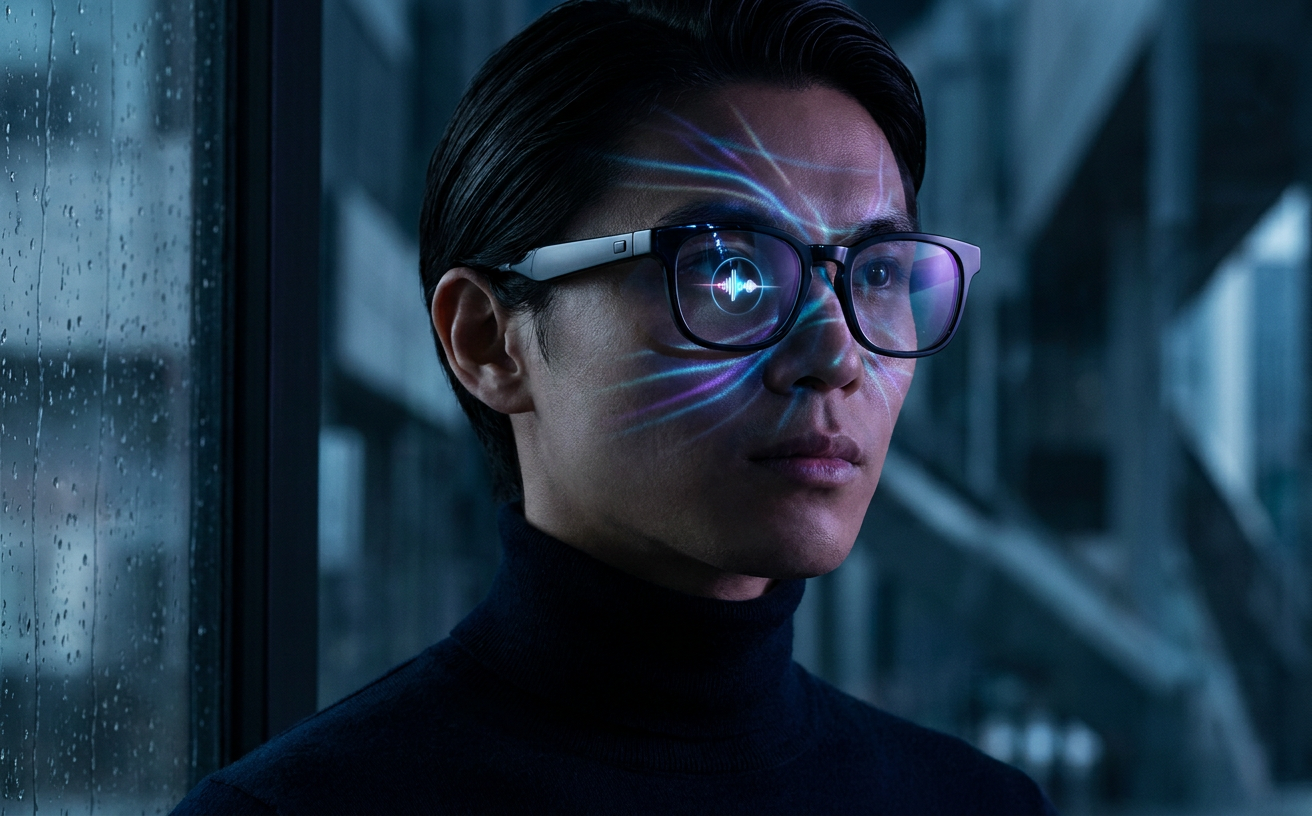
For years, the smart glasses industry chased a ghost: the visual spectacle of augmented reality. Companies like Meta and Apple poured billions into hardware form factors and display technologies, fixating on a 'screen obsession' that consistently failed to resonate with the mainstream. We at Smart Glasses Daily have long argued this display-first approach is a dead end, creating an infinite loop of power demands that drain batteries and kill any hope of true 'always-on' AI.
But a tectonic shift is underway, largely driven by Google's strategic positioning of Android XR. This open ecosystem, unlike Apple's walled garden or Meta's empire building, is poised to unleash an AI-first smart glasses revolution. It's about intelligence and omnipresence, not just visuals.
Consider the imminent arrival of Samsung's first smart glasses, tipped for the July 22 Galaxy Unpacked event. These Android XR-powered devices, potentially enhanced by a collaboration with Gentle Monster, represent a significant validation of the open platform. A major player like Samsung entering the Android XR fold means a much broader push for AI-first capabilities, moving beyond tethered displays and towards seamless integration.
This shift isn't just about big tech; it's about practical utility. Look at the rise of live-captioning glasses, exemplified by Even Realities' G2, lauded by WIRED and The Gadgeteer. These devices transcribe real-time conversations into subtitles, offering an invaluable, discrete visual aid for those with hearing loss, and even those with perfect hearing. This is a quintessential example of an 'always-on' AI assistant delivering immediate, tangible value.
Even Realities' G2 is particularly telling: it boasts a discreet design and, crucially, lacks a camera, emphasizing utility over recording. This directly addresses one of the most pressing concerns for always-on eyewear, privacy. The product's success hints at a market hungry for useful, unobtrusive intelligence, not just flashy AR displays.
But the 'always-on' nature of smart glasses cuts both ways. The recent London incident, where a woman was unknowingly filmed by a man using smart glasses and then extorted, starkly highlights the growing privacy concerns. This episode, reported by New York Post and ExtremeTech, is a chilling reminder of how easily bad actors can exploit discreet recording technology.
The implications are already resonating institutionally. The Clarksville-Montgomery County School System in Tennessee is eyeing a ban on student smart glasses, reflecting growing concerns over privacy and digital ethics within education. This pushback underscores the urgent need for clear ethical guidelines and robust trust mechanisms as AI eyewear becomes more ubiquitous.
The battle for your face in 2026 isn't just about hardware; it's about intelligence and omnipresence. While Western companies still wrestle with proprietary ecosystems, Chinese powerhouses like Baidu are quietly integrating their formidable AI directly into eyewear, prioritizing seamless, AI-first interactions over visual spectacle, as we've noted in our own Originals.
Even as PCMag crowns display-centric devices like the Viture Beast and RayNeo Air 4 Pro as top picks for 2026, their reviews acknowledge the integration of AI assistance. While Samsung Display is still showcasing waveguide smart glasses with eMagin OLED microdisplays, emphasizing visual clarity, the true innovation lies in what that clarity *enables* for AI-driven information.
The 'dead battery' problem remains a fundamental flaw for ubiquitous, always-on AI when the focus is primarily on power-hungry displays. Companies promise facial computing, but the reality often remains tethered to a charger. The industry must prioritize efficient AI processing and innovative power solutions to truly deliver on the 'always-on' promise.
Snap, for its part, continues to invest in its Spectacles Developer Bootcamp, fostering an AR Lens community. While AR-focused, this developer engagement points to the broader need for a rich application ecosystem for any smart eyewear. However, for true 'always-on' AI, that ecosystem needs to prioritize intelligence over immersive visuals.
The landscape is shifting from a hardware-centric arms race to an intelligence-centric deployment. The smart glasses that will truly define this era won't be those with the brightest displays or the most elaborate AR, but those that seamlessly integrate AI into our daily lives, making the world more accessible, efficient, and intelligent.
The winners in this evolving market will be the ones who manage to balance powerful, always-on AI with an unwavering commitment to user trust and ethical design. The future of eyewear isn't about seeing augmented reality; it's about experiencing augmented intelligence, constantly and discreetly, right before your eyes.
Interactive guide — prices, displays, cameras, battery.
Share this story