Analysis · —
2026's Smart Glasses Still Miss the Point for Real People
Despite flashy demos and cinematic promises, the smart glasses industry remains fixated on tech that doesn't fit daily life. From bulky AR to privacy liabilities, most current devices fail the everyday user.

It is 2026, and the smart glasses industry is louder than ever, yet its prevailing vision for mass adoption remains fundamentally flawed. We are seeing a relentless pursuit of features that delight in a demo but dissolve into impracticality or social awkwardness in the real world. The core issue persists: most players are building spectacles for superheroes or homebodies, not for everyday humans who simply want unobtrusive, helpful intelligence.
Consider the continued fixation on screen replacement. Apple Vision Pro, for instance, solidifies its position as the premier platform for cinematic 3D content, hosting blockbusters like "Avatar: Fire and Ash" and "The Super Mario Galaxy Movie." This is an impressive feat for home entertainment, but a spatial computer designed for immersive viewing is not a daily wearable. Similarly, Viture Luma Pro, now heavily discounted as refurbished units on eBay, positions itself as a 'portable monitor' for gaming and productivity, again fulfilling a niche screen-based role rather than integrating seamlessly into the social fabric.
Then there is the persistent delusion of true augmented reality for the masses. Snap's true AR glasses, codenamed Specs, are rumored to launch this fall with a staggering $2500 price tag. While CEO Evan Spiegel promises a "much smaller form factor" than developer kits, any device attempting full AR overlays often struggles with bulk, battery life, and most critically, social acceptance. As we have argued before, the "screen obsession" creates devices no one truly wants to wear all day.
Perhaps the most egregious misstep is the industry's willful blindness to privacy concerns. Meta's Ray-Ban smart glasses are selling in unprecedented numbers, even as a significant backlash builds over non-consensual filming in public spaces. The BBC reports incidents where individuals, particularly women, are being recorded without their knowledge. This is not a pathway to mass adoption, but a direct route to public distrust and regulatory headaches, making these devices social liabilities rather than helpful companions.
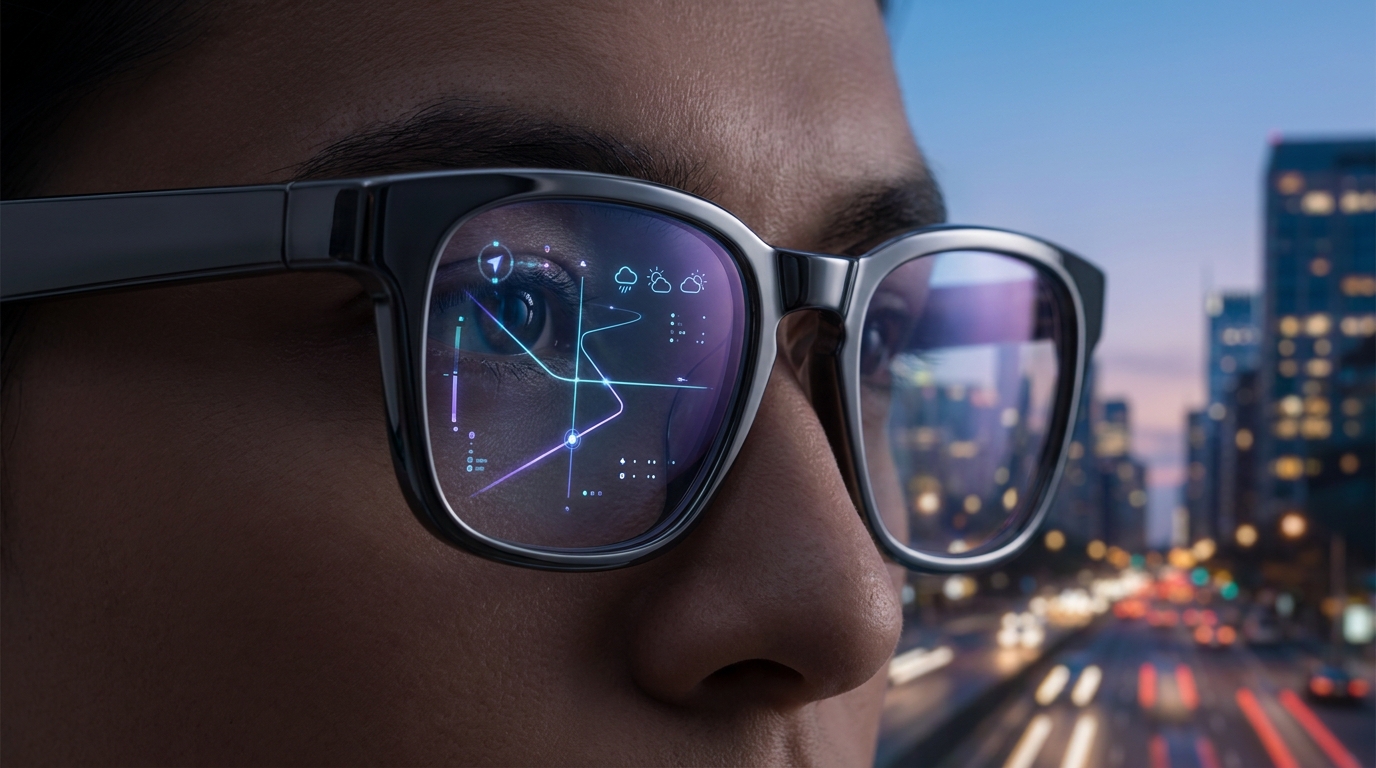
Even Google, a pioneer in this space, is walking a tightrope. At Google I/O, TechCrunch got an early look at visual-display enabled Android XR glasses, showcasing widgets for weather, directions, and translation powered by Gemini AI. These are practical applications, no doubt. However, XREAL's Project Aura, also debuting Android XR and developed with Google and Qualcomm, still heavily emphasizes immersive Google Maps, video content on virtual screens, and 180/360-degree YouTube experiences.
The common thread across these advancements is a dependence on visual displays and overt interaction that screams "I am wearing a computer on my face." While Everysight's Maverick AI Glasses push for a lightweight, full-color AR display at 47 grams, they still feature an AI-camera and eye-tracking, inviting the same social scrutiny and privacy questions that plague heavier, bulkier headsets. The focus remains on what users *see* rather than what they *experience* subtly.
Industry veteran Thierry Fautier called Google I/O 2026 "G-Day, not Google Day, but Glass Day," praising the Android XR glasses' ability to recall prior interactions and launch apps from conversation alone. This represents a significant leap in contextual AI. Yet, even this groundbreaking intelligence is often demonstrated or intended for devices that prioritize a visual output, forcing a compromise on form factor and social grace.
The disconnect is profound: everyday users do not want a visible screen replacement strapped to their face. They want something that disappears, that enhances their interaction with the world and others, rather than mediating or complicating it. They seek utility, not digital spectacle. They desire an intelligent assistant, not a personal cinema or a stealth recording device.
This publication has consistently argued that the industry's relentless pursuit of AR displays is a costly dead end. True mass adoption hinges on omnipresent, display-less AI intelligence that seamlessly integrates into daily life. Think audio-first, context-aware, and socially invisible. Such a device would offer the "always-on" AI that current display-driven devices simply cannot sustain due to power consumption and social friction.
So, what do 2026's smart glasses get wrong? They fundamentally misunderstand human behavior and social norms. They prioritize graphical fidelity over social acceptance, immersive entertainment over unobtrusive utility, and technological flash over practical discretion. The current crop of products, from high-end AR to screen-replacing spectacles, largely fails to blend into the background of an everyday user's life.
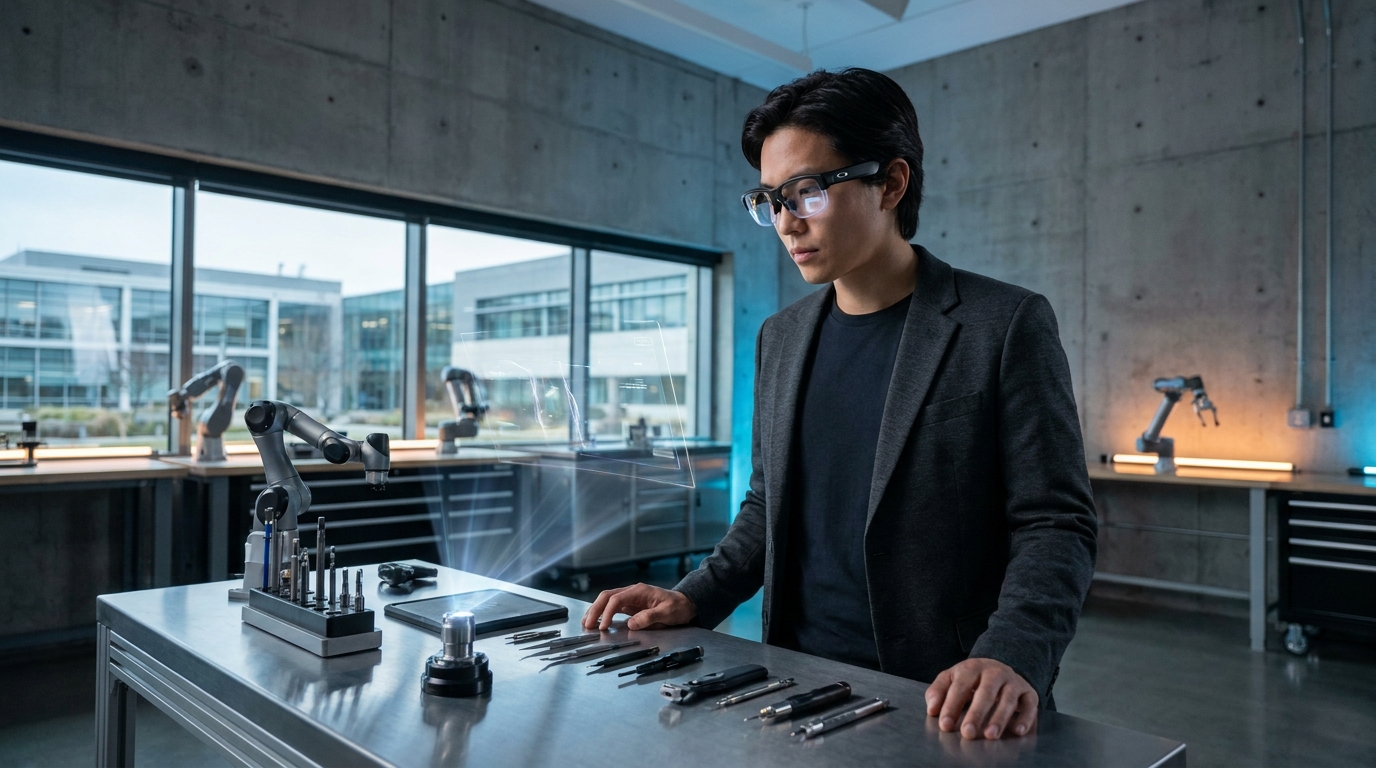
This continued misdirection means smart glasses remain a niche product for tech enthusiasts, gamers, or specific professional applications. They are seen as toys or tools, not as essential, invisible companions. Until the industry shifts its focus from *what can be seen* to *how life can be subtly enhanced*, the mass market will remain largely out of reach.
The path to true ubiquity for smart glasses requires a radical re-evaluation of design principles, use cases, and, critically, social responsibility. If the industry cannot shed its obsession with screens and cameras, and instead embrace the power of discreet, context-aware AI, 2026 will be remembered as another year of impressive tech that simply could not find its place on the average person's face.
Interactive guide — prices, displays, cameras, battery.
Share this story