Analysis · —
The Silent Revolution: Why the Best Smart Glasses Have No Screen At All
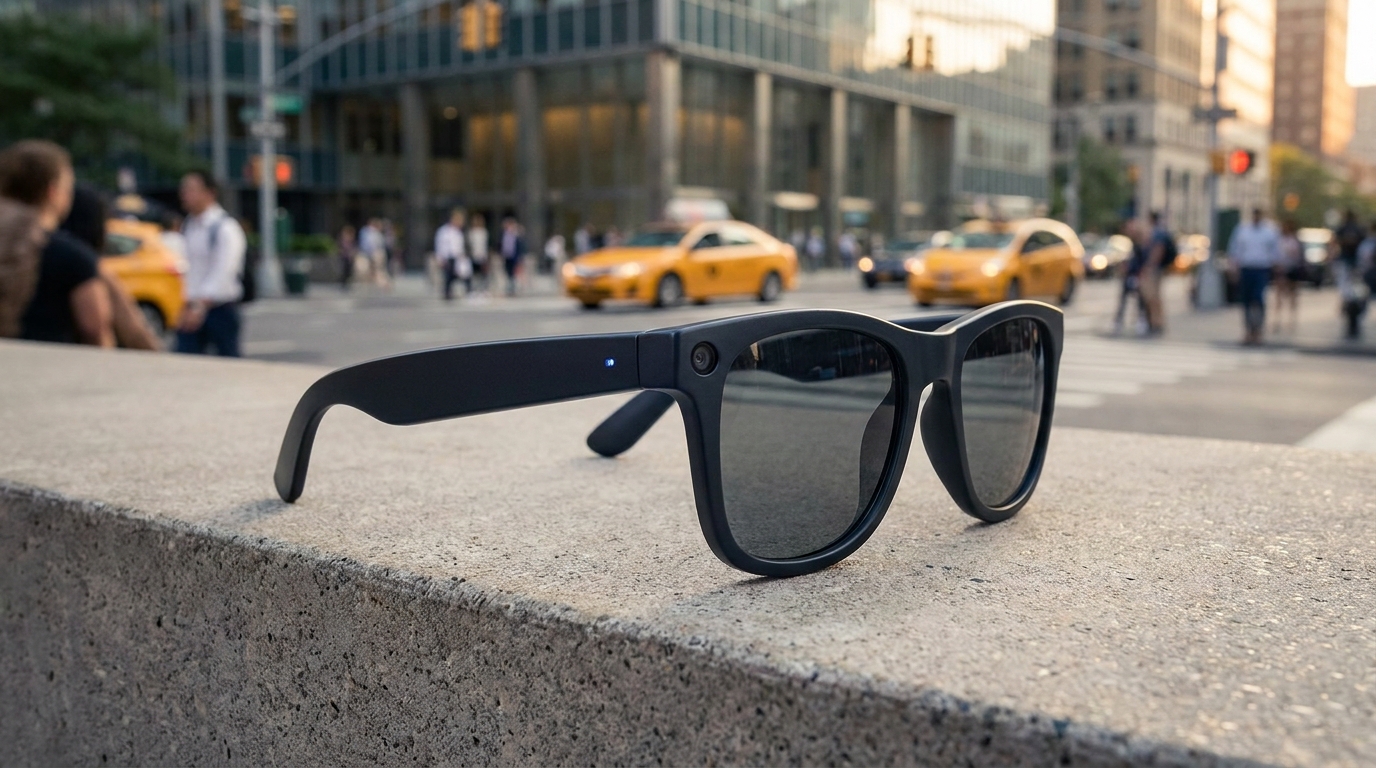
Big Tech is finally getting it right: display-less AI glasses are the true mass-market play, not the clunky AR displays everyone else is chasing. This isn't about vision, it's about ubiquity.
The smart glasses market is a mess of misdirection, a recurring broken record fixated on augmented reality displays. While companies like XREAL, Rokid, and RayNeo are lauded for their immersive visuals, they're fundamentally missing the point of mass adoption. The real superpower showdown in 2026 won't be about pixel density; it'll be about who owns the AI on your face, discreetly, perpetually.
Meta, with its Ray-Ban collaboration, nailed the singular most crucial element: wearability. The success of prescription-ready models like the Blayzer and Scriber Optics isn't just about form factor; it’s about normalizing computers on your face for the 75% who actually need glasses. This proved conclusively that social acceptance was never the hurdle for the right product, just the wrong approach.
And now, Samsung is reportedly following suit, with leaked smart glasses specs that are conspicuously display-less. These aren't an oversight but a deliberate, intelligent design choice. Packed with a Snapdragon AR1, a 12MP Sony camera, and Gemini AI, these aren't just another gadget; they're an integrated extension of a geopolitical sphere, designed for seamless, screen-optional AI integration.
Apple, too, is reportedly gearing up for a late 2026 debut, focusing heavily on AI-driven features and iPhone integration, rather than a 'full augmented reality experience.' This isn't Apple shying away from innovation; it's Apple understanding the market. They're sidestepping the display-first folly that plagues so many other players.
The smart glasses narrative in 2026, as it stands, continues to misunderstand what 'smart' truly means in this context. It's not about a visual overlay of your email or directions plastered over your world. It's about a persistent, intelligent co-pilot, a ghost in the machine that mediates your reality without demanding your visual attention through a cumbersome display.
Huawei, with its HarmonyOS-powered glasses, also enters the fray, emphasizing audio and AI over screens. These are not coincidences; these are converging strategies from major players who have absorbed the lessons of early AR failures. The 'smart' in smart glasses comes from the intelligence, not the screen.
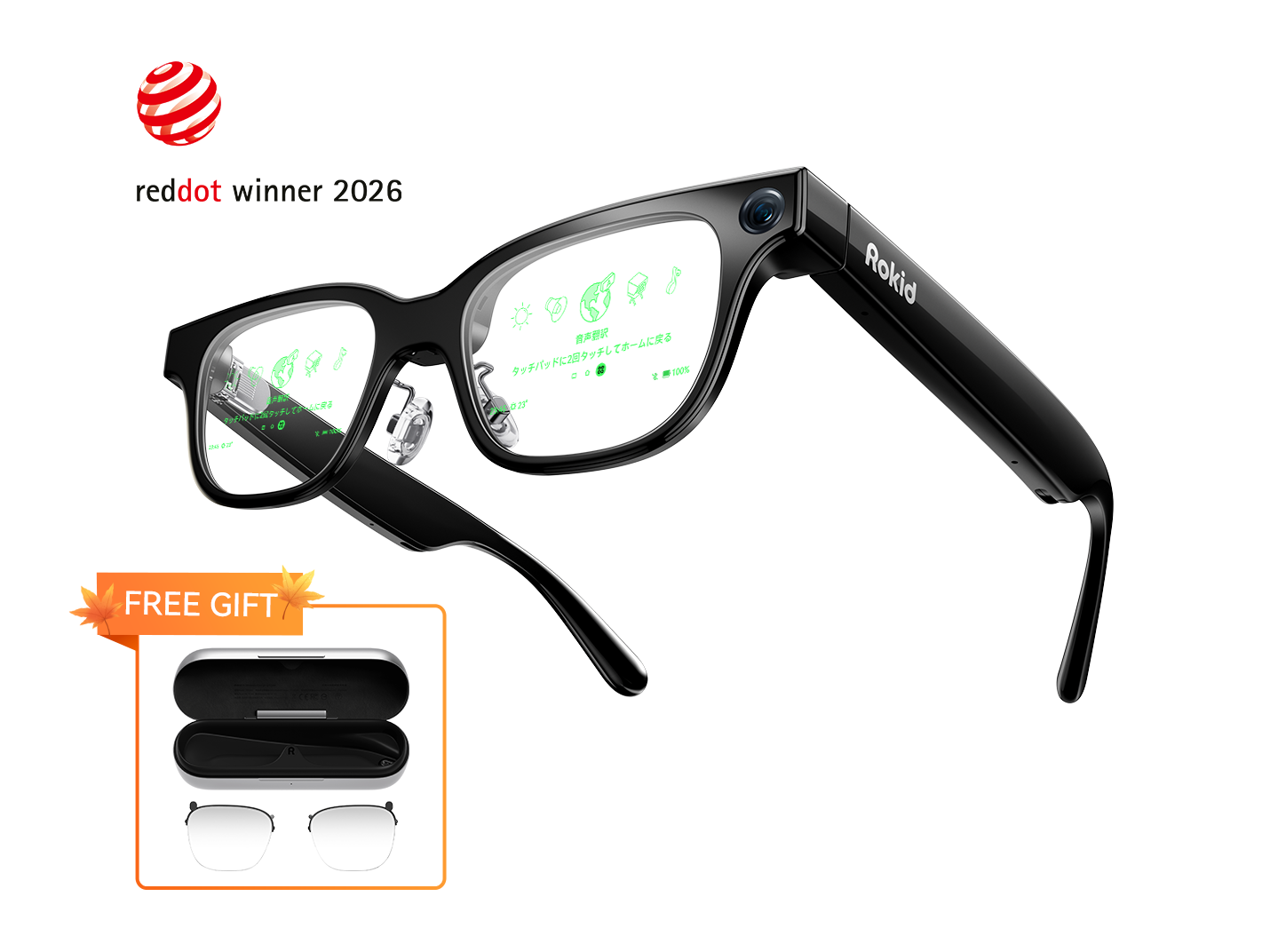
While Rokid's lightweight AI glasses have reportedly outsold Meta in unit sales by integrating multiple AI assistants, their success is still tied to a display. This, frankly, will limit their ultimate reach. The real mass-market potential lies in something far more subtle, something that blends seamlessly into the background of everyday life.
The obsession with an embedded screen is selling a solution to the wrong problem. Display-less smart glasses aren't a compromise; they're the ultimate evolution. They embody the promise of ambient computing, providing information and assistance without demanding a visual shift, without adding another screen to our already over-saturated lives.
Viture's 'Beast' XR Glasses, with their IMAX-sized visuals, are impressive feats of engineering, no doubt. But they are still an entertainment device, a niche product for a specific use case. They are not the everyday, all-day wearable that will redefine how we interact with technology.
This screen-less folly, as some might mistakenly call it, is precisely the path to ubiquity. It’s the difference between a clunky, conspicuous AR headset and a discreet, socially acceptable pair of glasses that just happen to make you smarter, more connected, and more efficient without ever breaking your gaze from the real world.
The market has spoken: the form factor and social acceptance are no longer the hurdles, thanks to Meta. The integration of advanced AI and powerful processors into a lightweight, stylish frame, like Samsung's alleged leak, is the next logical step. The true innovation is in making the technology disappear, not in making it more visually omnipresent.
What the giants like Meta, Samsung, and Apple are subtly orchestrating is a world where your glasses become an invisible extension of your mind, a powerful AI companion that enhances without demanding. They're not giving you another screen; they're giving you a smarter world, quietly, effectively, and without the need for a distracting display.
The silent screen war isn't about who has the best display; it's about who understands that the best display is no display at all, for true, pervasive smart glasses. The screen-less future is not a folly, it's the inevitable, and frankly, superior path to mass-market adoption. It's about AI, not AR visuals.
Interactive guide — prices, displays, cameras, battery.
Share this story