Analysis · —
The Silent Screen War: How XREAL, Rokid, and RayNeo Are Outplaying the Giants
While tech giants squabble over AI and form factors, a trio of contenders is quietly dominating the critical AR display battleground. They're delivering immersive, eye-level visuals, leaving the Big Tech's 'screen-less' folly in the dust.
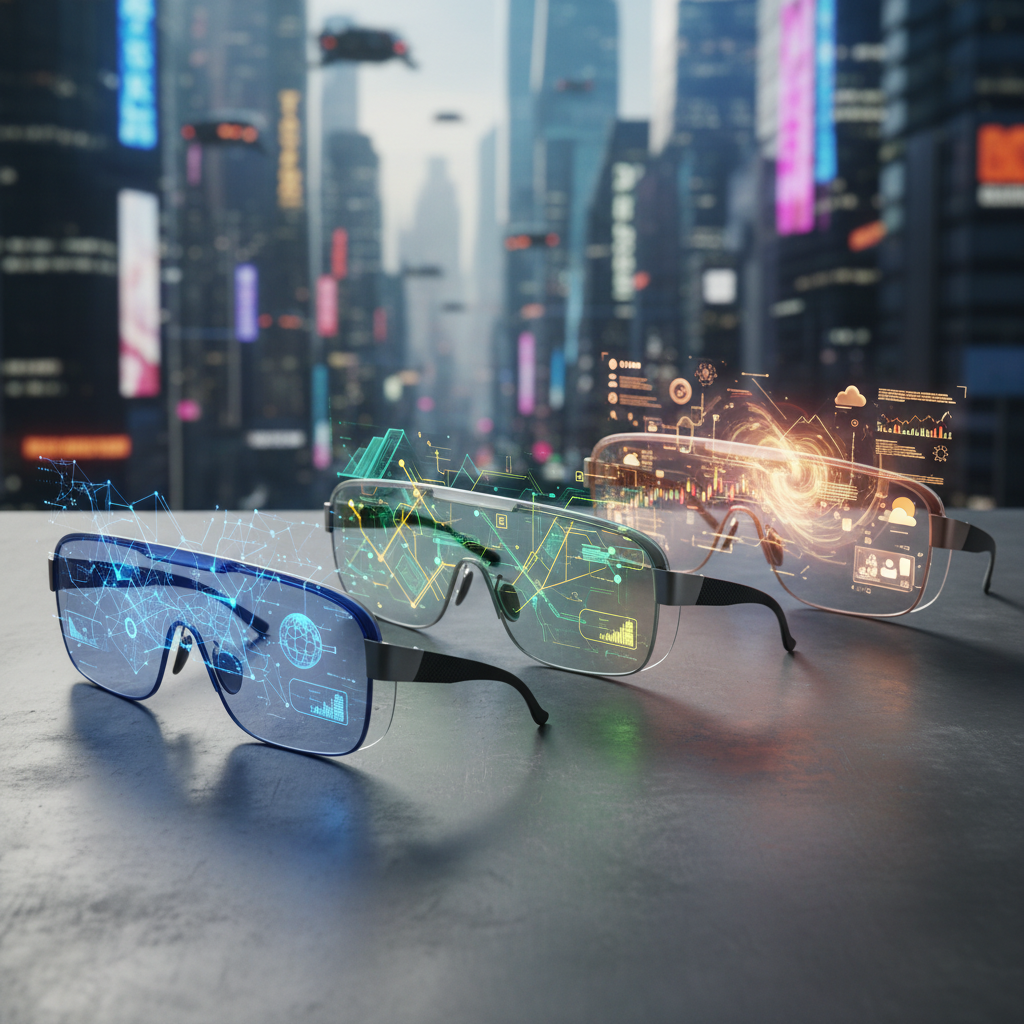
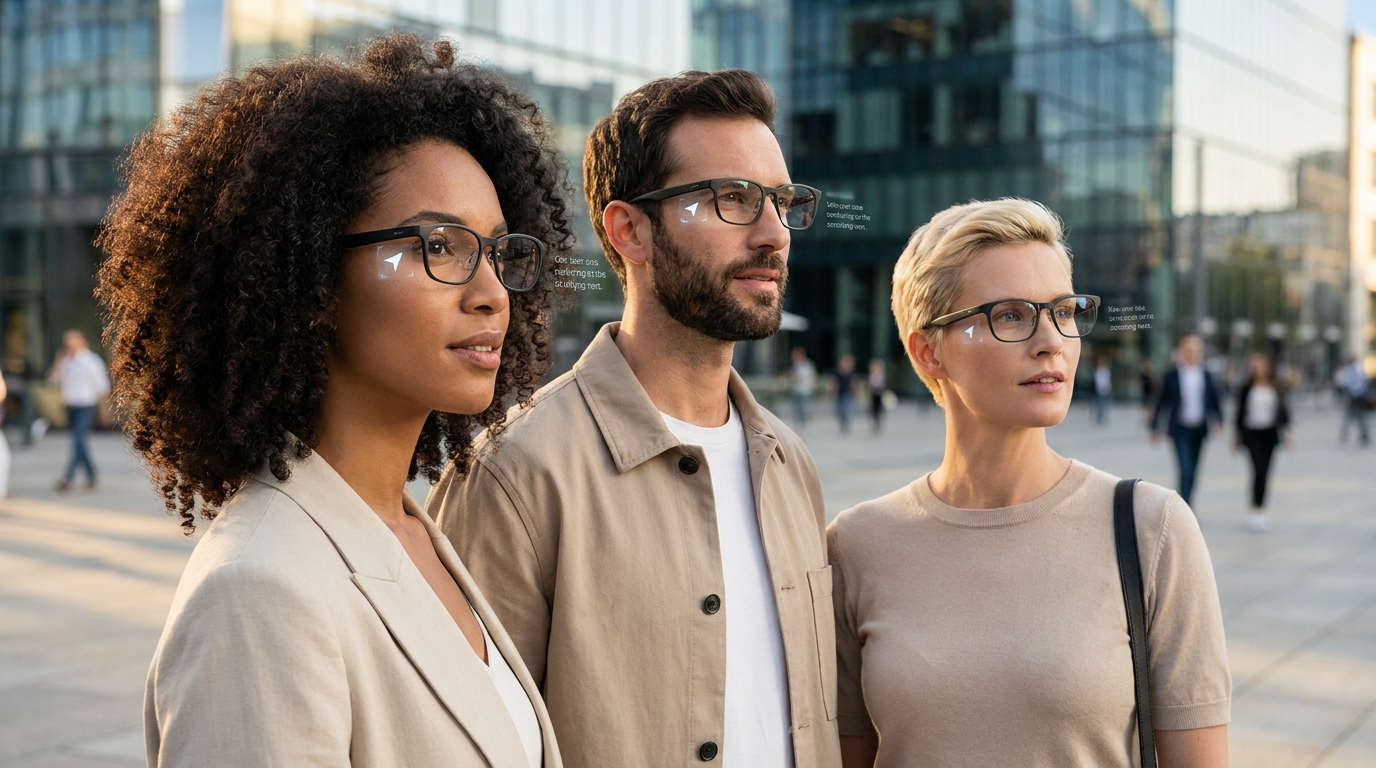
The smart glasses narrative is a mess of misdirection, a recurring broken record. Everyone in Big Tech is obsessed with the AI assistant, the camera, or whether a pair of glasses can run an LLM, while conveniently ignoring the fundamental component that makes 'smart' eyewear truly smart - a display.
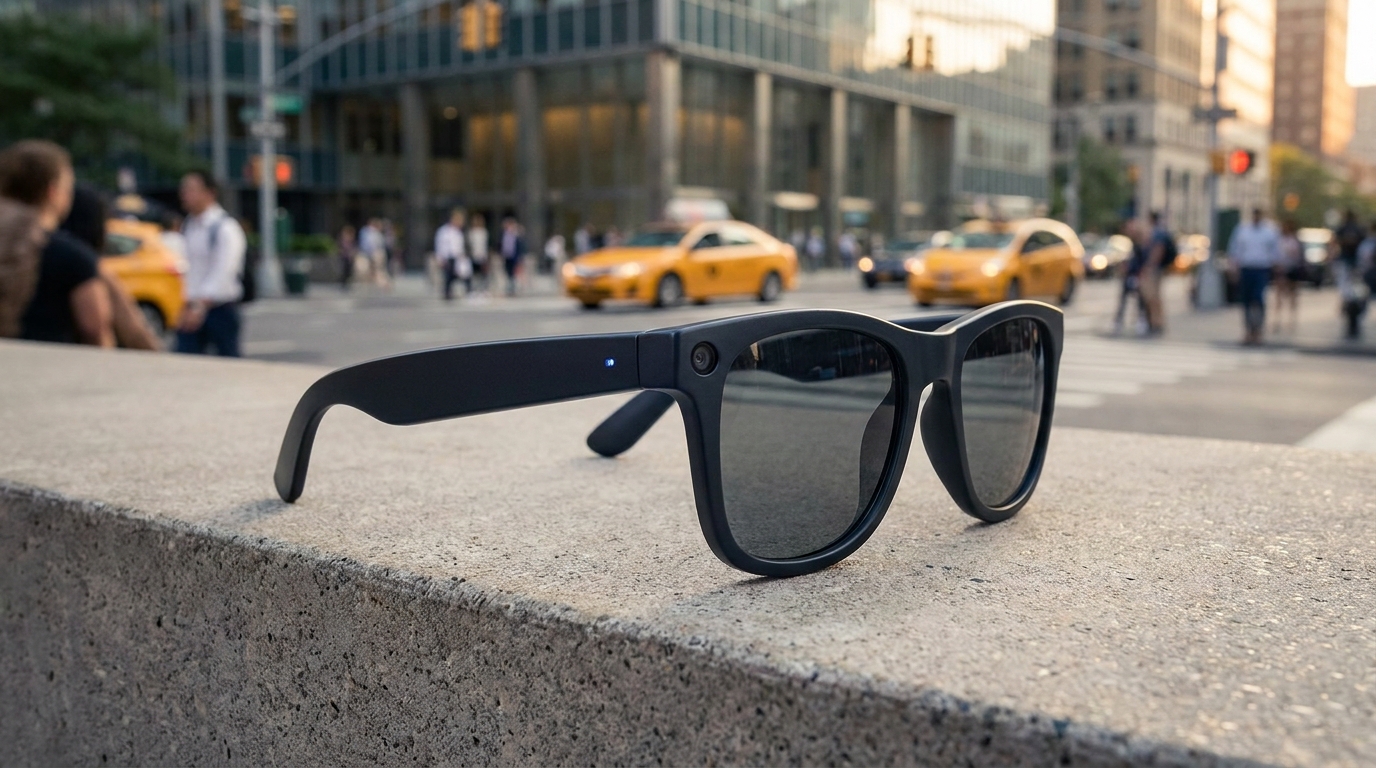
Meta's Ray-Ban success, and its latest prescription offerings like the Blayzer and Scriber Optics, proved form factor and social acceptance weren't the hurdles. But their offerings are fundamentally screen-less, glorified audio wearables with cameras. Now, Samsung's leaked smart glasses are allegedly following the same misguided path, focusing on AI and audio integration, while conspicuously lacking a visual display.
This persistent absence or inadequacy of a visual component is the industry's Achilles' heel, a fundamental misunderstanding of user needs. Whether it's Apple's rumored 2026 debut or Huawei's HarmonyOS-powered glasses, the emphasis is on AI-driven features and phone integration, deliberately sidestepping a 'full augmented reality experience.'
Yet, while the giants trip over their own feet promoting an invisible future, an underground war for the actual visual experience is being won. RayNeo, XREAL, and Rokid aren't just in the game; they're setting the standard for immersive eye-level visuals in smart eyewear.
These companies understand that a smart glass without an actual display - a persistent visual layer that integrates information into your line of sight - is not a smart glass. It's an aural auxiliary, a glorified Bluetooth headset with a photo function.
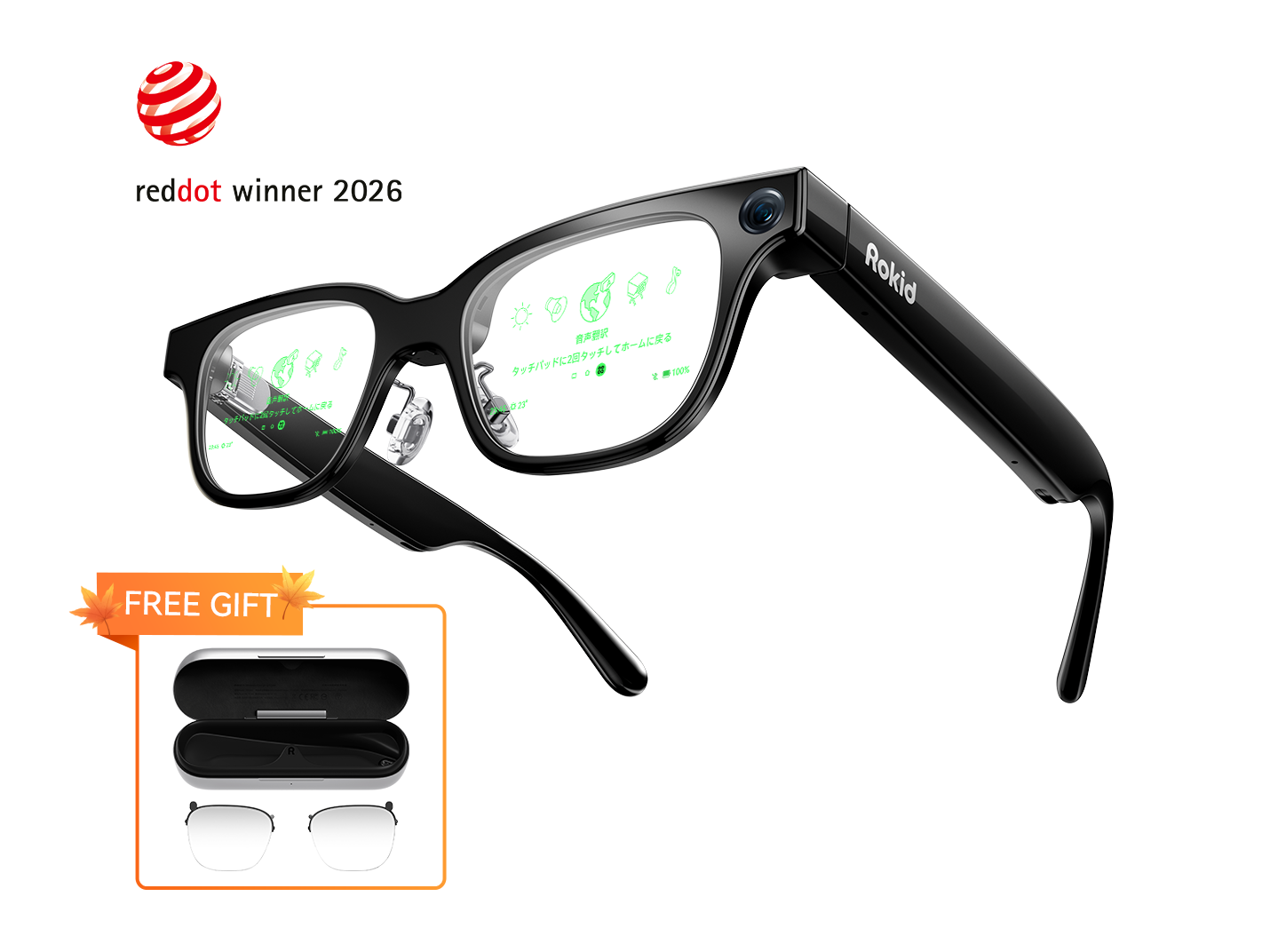
Just look at Rokid: they've reportedly surpassed major tech giants in smart glasses sales, not because of a proprietary AI model, but due to their lightweight AR glasses with integrated displays. Their success, fueled by an open ecosystem supporting multiple AI assistants, proves the visual experience remains paramount.
While Meta and Apple prepare their AI co-pilots for a 2026 showdown, pushing screen-less or effectively screen-less devices, Rokid is quietly selling AR glasses that actually display content. They're building a real user base, not just generating PR buzz around an unproven concept.
XREAL, too, has been methodically expanding its line, delivering compelling visual experiences. They're prioritizing the one thing that will genuinely make smart glasses indispensable: a clear, vibrant, and integrated display that overlays digital information directly onto the real world.
Similarly, the new Viture 'Beast' XR Glasses, boasting Sony's Micro-OLED panels and a virtual 174-inch IMAX display, illustrate what's possible when the focus shifts back to the visual. These aren't just cameras; they are personal cinemas and productivity hubs.
RayNeo is another key player in this silent war, consistently pushing the boundaries of display technology within a wearable form. They understand that the 'smart' in smart glasses ultimately hinges on how information is presented to the user's eyes.
So, while the industry fixates on the 'AI Glasses Superpower Showdown,' framing it as a geopolitical battle for an AI assistant, the real architects of the future are engineering the displays that will make those assistants truly useful. Without a screen, the AI is just whispering in your ear, not showing you the world.
The 2026 smart glasses narrative, as it careens into hype, is missing the fundamental truth: we need to see it to believe it. RayNeo, XREAL, and Rokid are building that belief, one pixel at a time, leaving the display-less purveyors of 'smart' glasses in their wake.
Interactive guide — prices, displays, cameras, battery.
Share this story