Analysis · —
2026's Smart Glasses: The Screen-less Folly Persists, AI or Not
Despite the AI-first hype, the smart glasses industry continues to miss the mark for everyday users. The fundamental misunderstanding isn't about form factor or AI sophistication, but the persistent absence or inadequacy of a visual component.
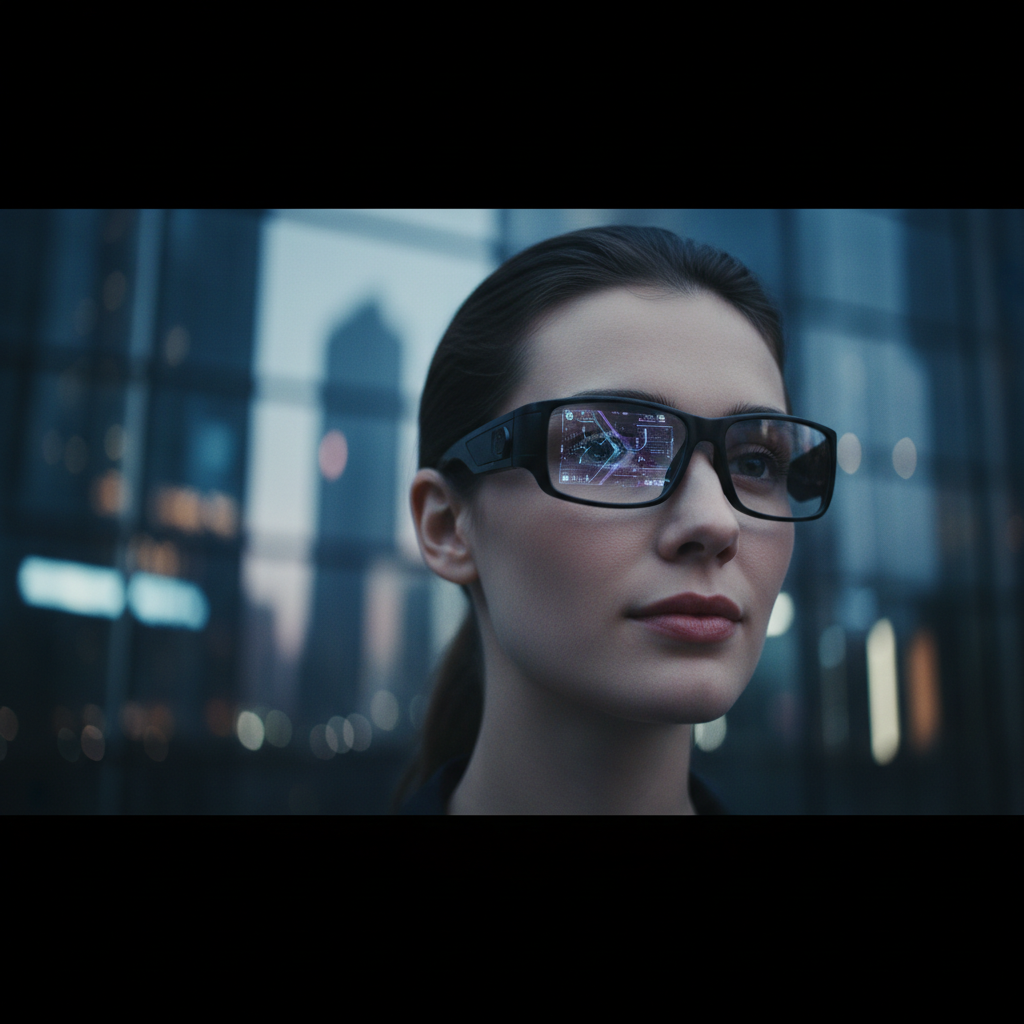
The smart glasses narrative in 2026 remains a broken record. While every major player, from Meta to Apple to Huawei, is racing to cram an AI co-pilot into a sleek frame, they fundamentally misread what "smart" truly means in this context. The core problem isn't whether users will tolerate a computer on their face-Meta's Ray-Ban success definitively settled that, even with dedicated prescription models like the Blayzer and Scriber Optics-it's what that computer actually *does* for the user, visually speaking.
Apple, reportedly eyeing a late 2026 debut, exemplifies this misdirection. Their strategy focuses heavily on AI-driven features and iPhone integration, deliberately sidestepping a "full augmented reality experience." Huawei, too, enters the fray with HarmonyOS-powered glasses featuring a camera and real-time translation, essentially mirroring Meta's audio-centric, camera-first approach, albeit with a proprietary AI chip.
This 'AI-first, screen-last' - or even screen-less - obsession is perplexing. It stems from a misguided belief that a persistent AI assistant, delivered primarily through audio, is sufficient to transform daily life beyond a mere gimmick. We're told the "war is for the AI that will live inside the frame," a "persistent, conversational intelligence that mediates your reality" through audio cues.
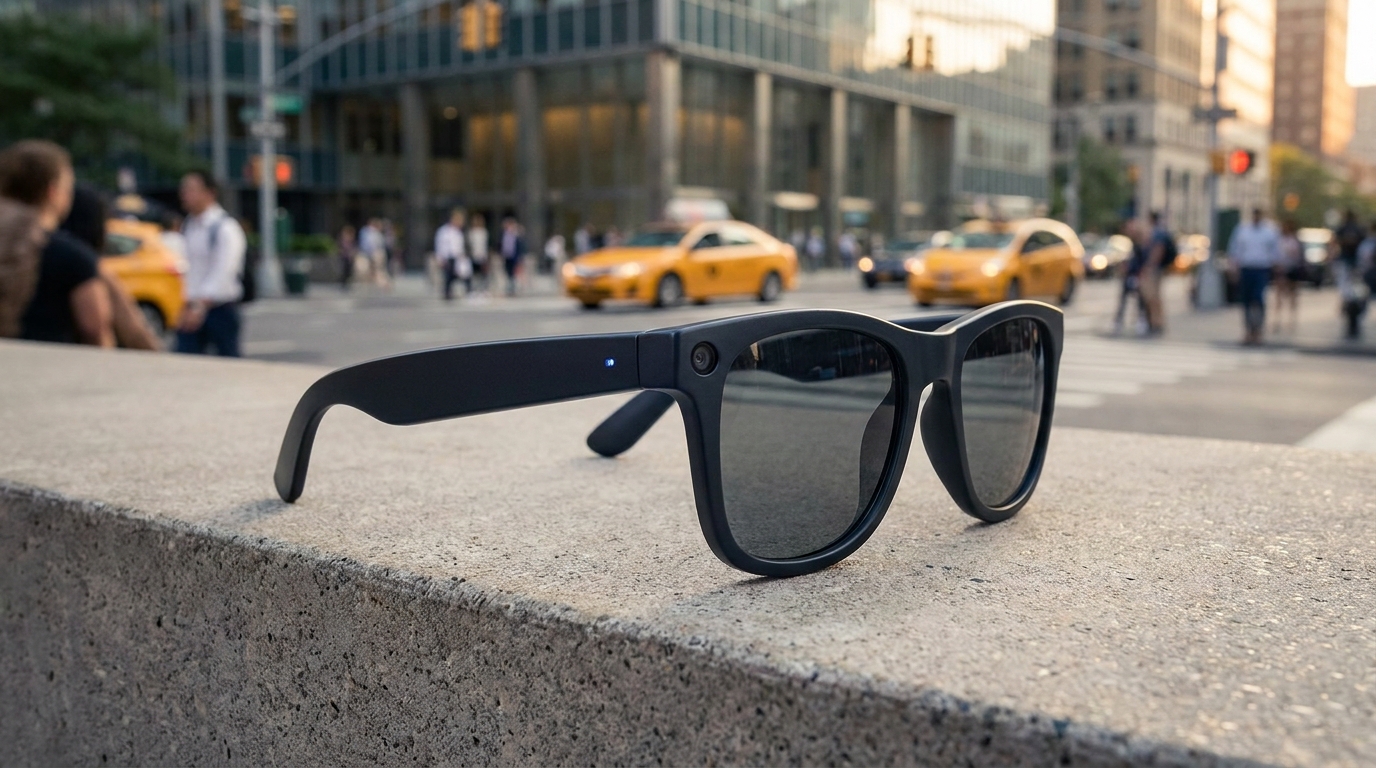
But let's be blunt: a smart glass without an actual display, a persistent visual layer that truly integrates information into your line of sight, is not a full smart glass. It's an audio wearable with a camera bolted on. Meta's Ray-Ban offerings, while normalizing face-computers and nailing prescription integration, are fundamentally screen-less, relying on audio and a camera as a "Trojan Horse."
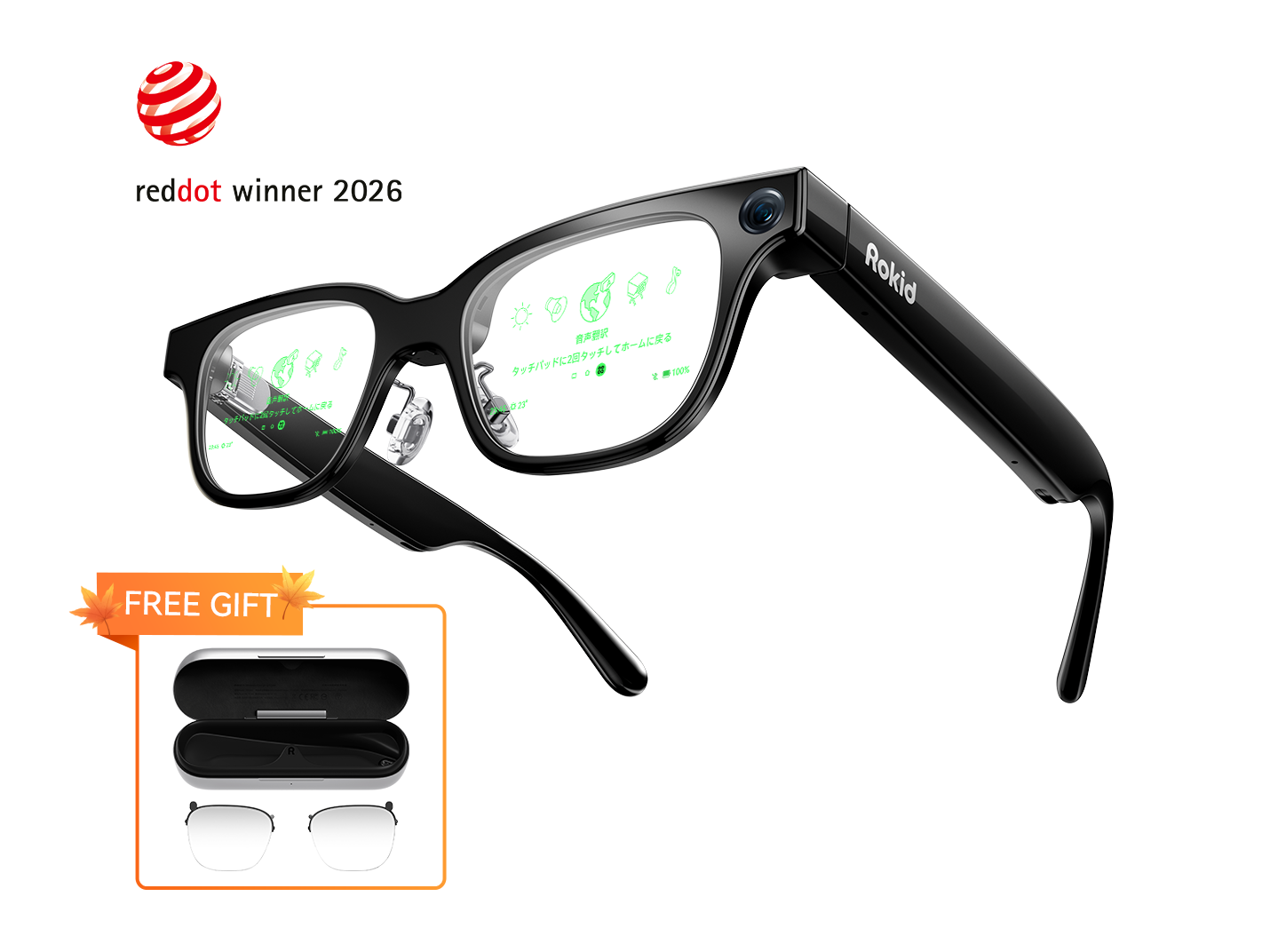
This is where the supposed giants are being outplayed by less-hyped contenders. While Meta and Apple duke it out over AI assistants and embedded cameras, companies like XREAL, Rokid, and RayNeo are dominating the one factor that genuinely matters for AR adoption: the display. They are carving an unassailable lead in delivering immersive, eye-level visuals.
Take Rokid, for instance. Their lightweight AI glasses, despite a smaller global footprint, have reportedly surpassed Meta in sales. Why? Because their "open AI platform" offers choice, yes, but crucially, their glasses integrate displays capable of delivering visual information. Viture's 'Beast' XR glasses promise "IMAX-sized visuals" with high-resolution, high-refresh-rate Micro-OLED panels.
This demonstrates a critical split in the market: on one side, the AI-first, screen-less faction betting everything on an auditory assistant; on the other, the growing league of display-centric devices that prioritize putting data back in your eye. These latter players understand that "seeing is better than hearing" when it comes to integrating digital information into the physical world.
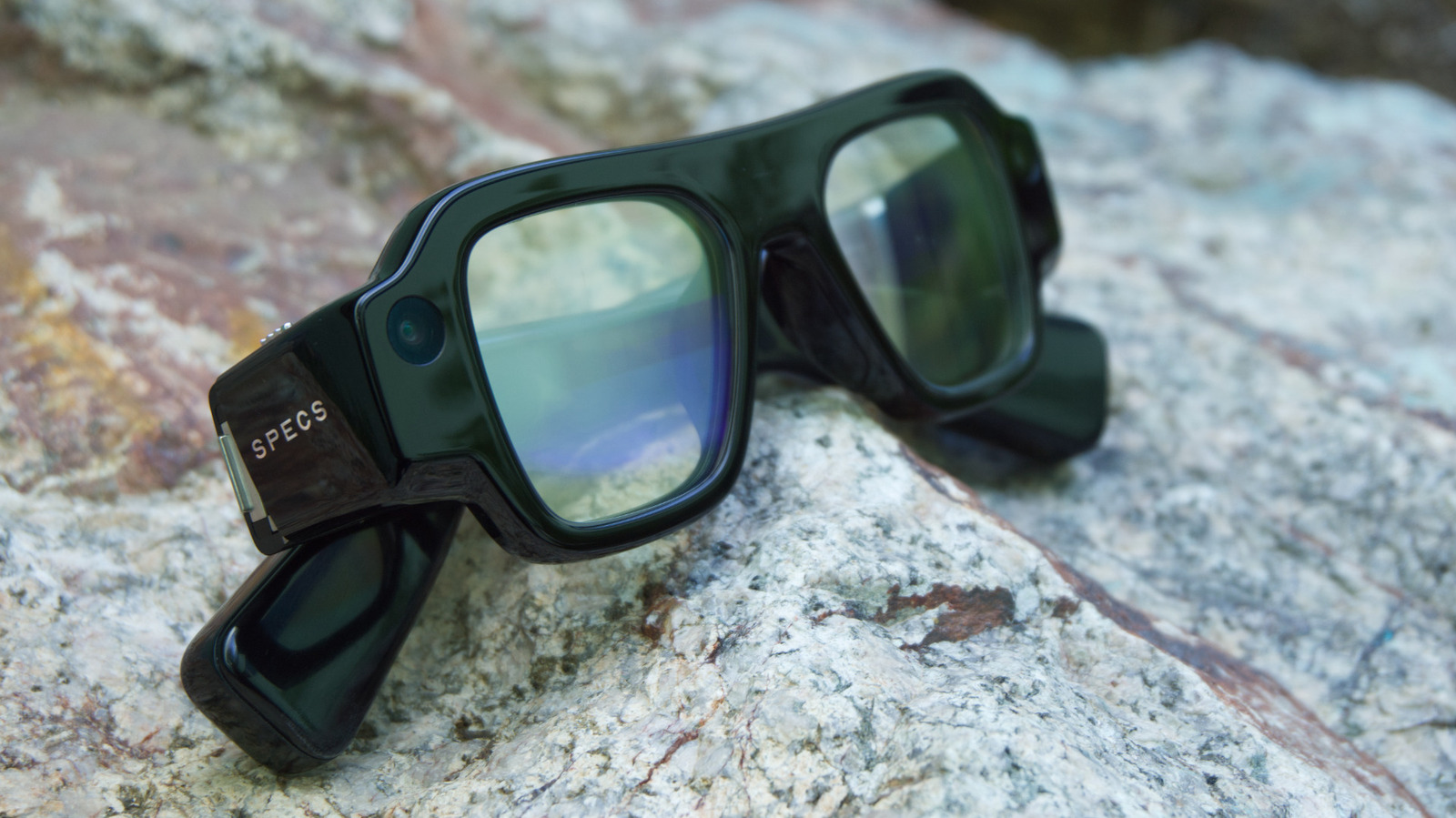
Snap, after a staggering $3 billion investment over 11 years, is finally nearing a consumer launch with its AR glasses, powered by Qualcomm's Snapdragon XR chips. Their long-term commitment to a visual AR experience, rather than an audio-only one, suggests they've learned from prior missteps and understand the necessity of a true visual overlay.
The argument that "the debate over whether people will wear a computer on their face is over" due to Ray-Ban Meta's success is facile. While it normalized the *form factor*, it did so by *de-emphasizing* the smart aspects, making them essentially stylish camera-audio devices. This created a pathway for acceptance, but it didn't validate the screen-less approach as the ultimate destination.
The obsession with being the "ghost in the machine"-an always-on AI assistant purely mediating reality through sound-is premature and incomplete. It bypasses the more immediate, tangible utility that a visual overlay provides for navigation, information retrieval, contextual alerts, and immersive entertainment, where an "IMAX-sized visual" from Viture clearly trumps an audible Siri prompt.
Until the giants pivot to robust, visually integrated displays, rather than just advanced audio and camera integration, they'll continue to sell a solution to the wrong problem. The future of smart glasses isn't just about an intelligent voice in your ear; it's about intelligently displayed information, seamlessly integrated into your field of view.
The success of display-focused companies proves that users *want* to see their digital world, not just hear it. The ongoing miscalculation by the Apple and Meta-aligned strategists, prioritizing "streamlined" audio experiences over compelling visual ones, will only further cede market share to those who grasp the enduring power of the screen, however miniaturized or projected.
For all the talk of LLMs and co-pilots, the fundamental question remains: what does a smart glass actually *show* me? Until the answer is more compelling than a voice in my ear and a photo album on my phone, 2026's smart glasses will still largely miss the mark for everyday users seeking genuine, always-on utility.
Interactive guide — prices, displays, cameras, battery.
Share this story