Analysis · —
2026: The AI Glasses Superpower Showdown - US vs. China for Your Face
Forget AR headsets. The real battleground in 2026 is the AI-powered smart glass, a screen-optional device vying for perpetual residency on your face. The geopolitical stakes couldn't be higher.

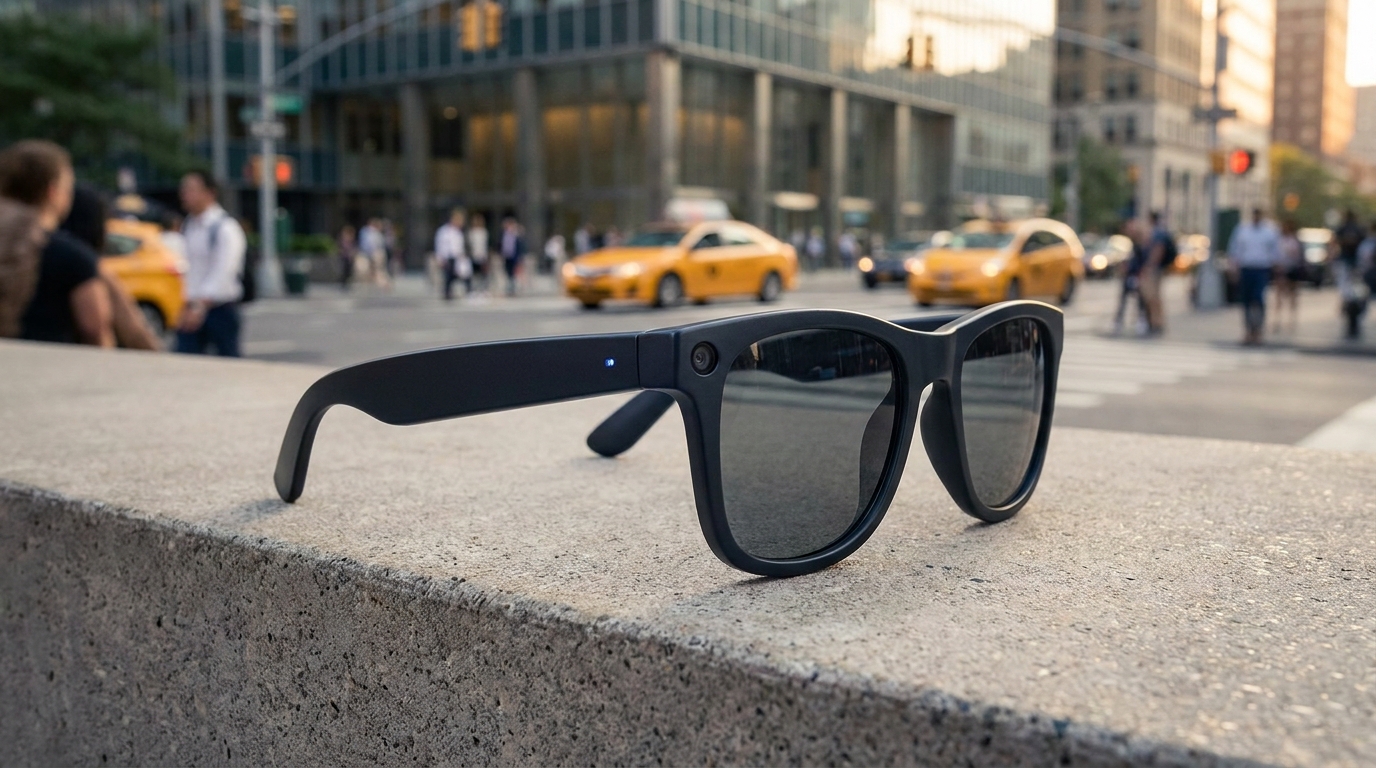
The smart glasses narrative, as it careens into 2026, is no longer about form factor or even basic utility; it's a proxy war. We're past the 'will people wear computers on their face?' debate, settled definitively by Meta's ubiquitous Ray-Ban success, which even has dedicated prescription models like the Blayzer and Scriber Optics for the 75% of us who actually need glasses. The critical pivot is the AI, the ghost in the machine, and the looming question of whose national interests it will serve.
Samsung's leaked smart glasses are the latest salvo in this accelerating global conflict. Rumored to pack a Snapdragon AR1, a 12MP Sony camera, and Gemini AI, these aren't just another tech gadget; they're an integrated extension of a geopolitical sphere of influence. Their alleged display-less design, focusing on audio and AI, puts them squarely in the camp of 'AI co-pilot' wearables, mirroring the strategic direction of rivals.
On the surface, US tech giants like Apple and Meta appear to be playing a similar game. Apple's rumored late-2026 debut explicitly sidesteps 'full augmented reality', prioritizing AI features and deep iPhone integration. This isn't about immersive visuals; it's about owning the on-face AI assistant, the constant algorithmic companion that shapes your perception of reality.
Meta, having already won the casual wearability battle with Ray-Ban, is pushing the same AI-first, screen-optional paradigm. Their success in normalizing 'face-computers' has less to do with groundbreaking visual displays and everything to do with social acceptance and an integrated AI experience that records and assists. This strategy, however, leaves a gaping hole that Chinese competitors are eagerly exploiting.
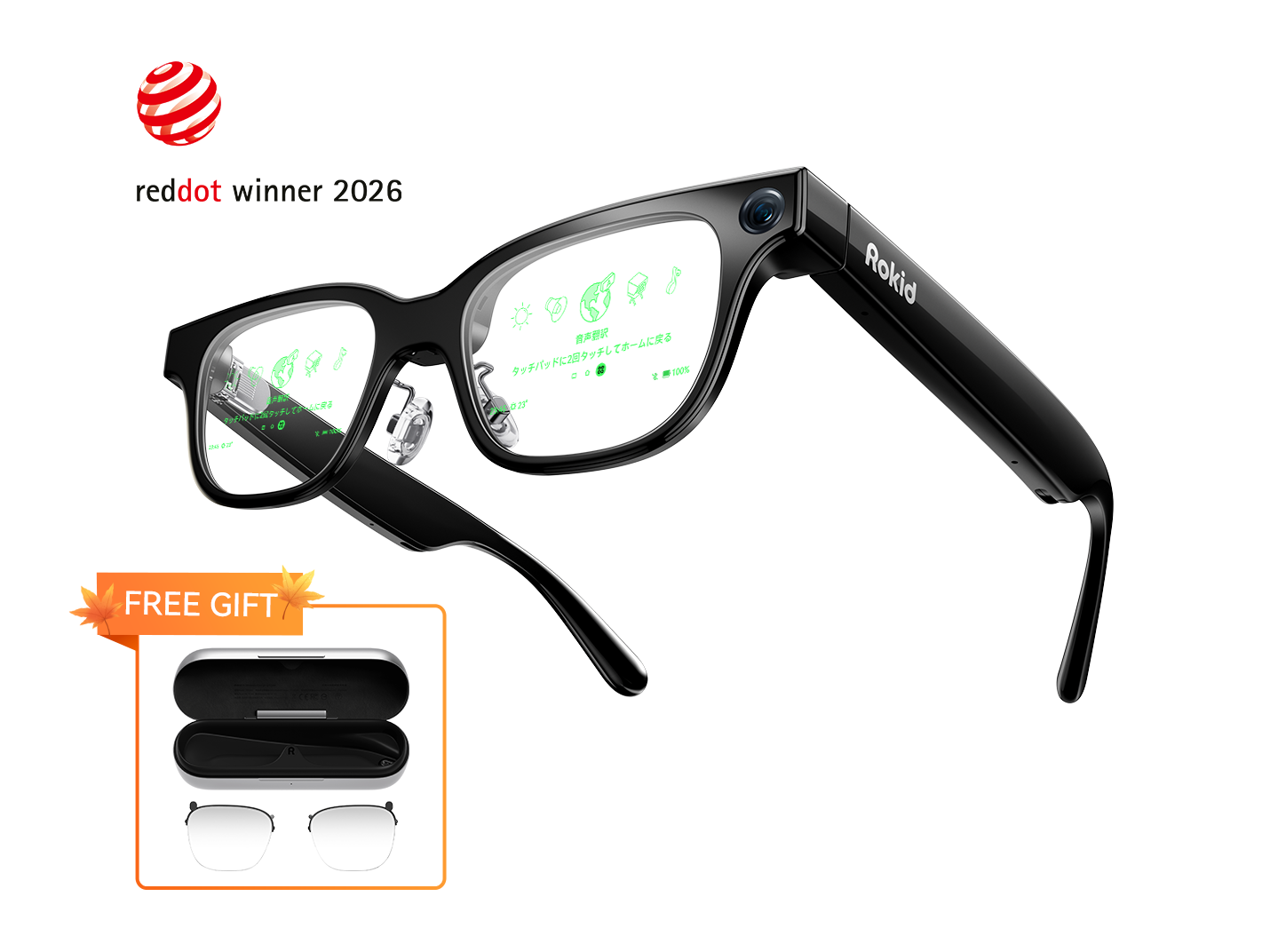
Because while US titans are fixated on their AI co-pilots, a trio of Chinese players - XREAL, Rokid, and Viture - are quietly dominating the one factor that genuinely matters for true AR adoption: the display. These brands understand that a 'smart glass' without a persistent, immersive visual layer is fundamentally just an audio wearable with a camera. They're carving out an unassailable lead in delivering eye-level visuals, not just audio cues.
Rokid, in particular, is proving this point with raw sales data. Their lightweight AI glasses, despite being from a comparatively smaller company, have reportedly outsold Meta's *entire display category*. This isn't just a win; it's a strategic triumph fueled by an open ecosystem that allows users to choose their AI assistant, from Google's Gemini to Alibaba's Qwen and OpenAI's ChatGPT.
This 'open ecosystem' approach from Rokid directly contrasts with the walled gardens envisioned by Apple and Meta. While Apple pushes iPhone integration and Meta focuses on its own AI, Rokid offers choice, a powerful differentiator in a market increasingly wary of monopolistic control. It's a pragmatic, user-centric strategy that resonates beyond national borders.
Huawei's entry with HarmonyOS-powered specs and proprietary AI chips, complete with real-time translation capabilities, further solidifies China's aggressive push. Their AI Glasses, camera-equipped and purpose-built for the AI race, position them as a direct challenge to Meta's dominance, not just in hardware but in the underlying intelligence that defines user experience.
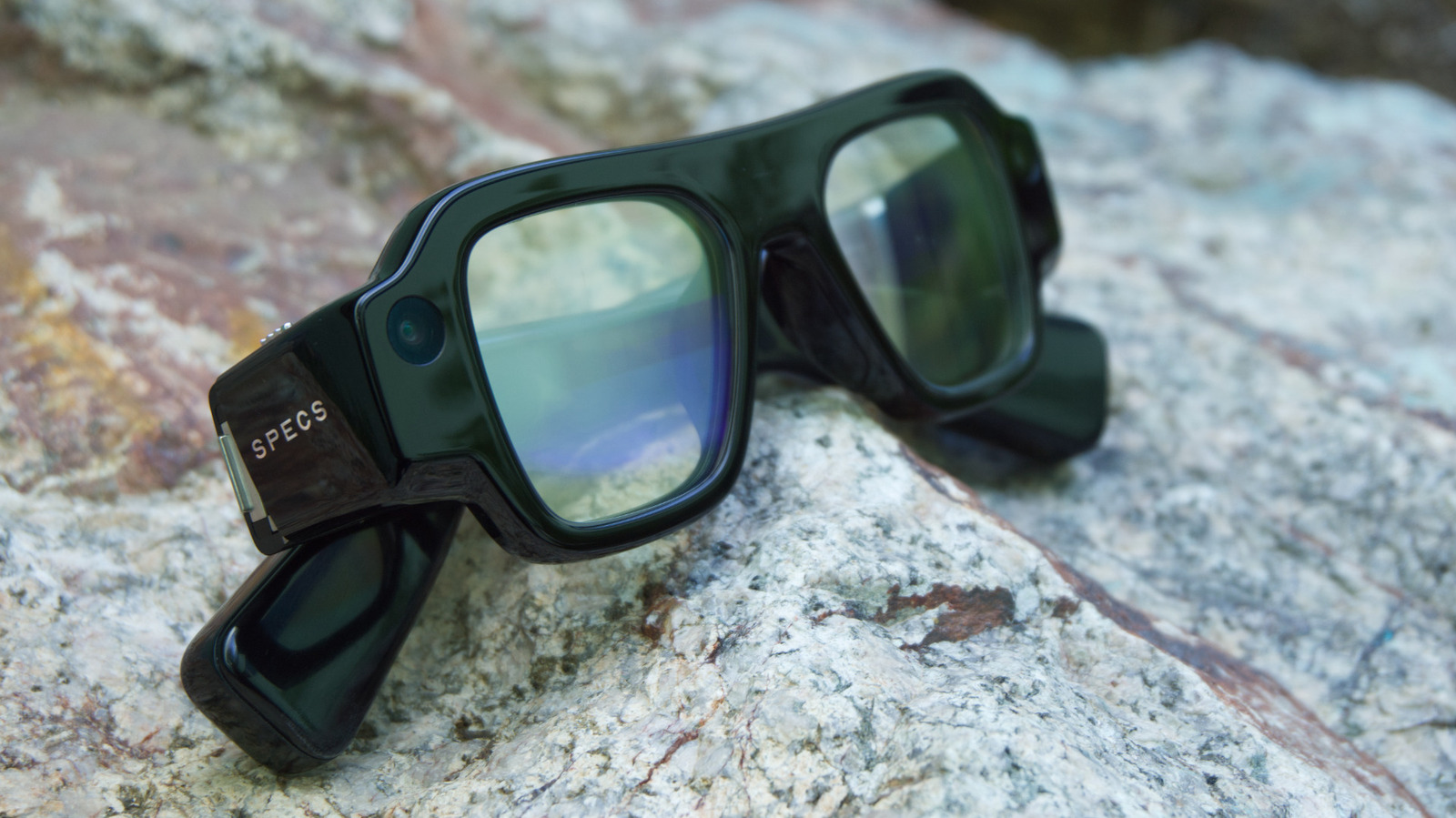
Even Snap, with its staggering $3 billion, 11-year investment, is finally moving its Spectacles towards a consumer launch in 2026. Powered by Qualcomm's Snapdragon XR chips, their gamble is a testament to the high stakes in this market, highlighting the urgent need for competitive hardware to complement the AI arms race.
The core misunderstanding persists for many: the persistent absence or inadequacy of a visual component. 'Screen-less folly', as we've consistently called it, still plagues much of the Western-backed smart glass agenda. They're selling a solution to the wrong problem, prioritizing subtle form factors and AI assistants over genuine, visual augmentation.
Chinese manufacturers, however, like Viture with their 'Beast' XR glasses, are doubling down on immersive, IMAX-sized visuals delivered by Micro-OLED panels. They understand that for a smart glass to truly be 'smart' in an AR context, it needs to provide compelling, persistent visual information, not just fleeting audio prompts or notifications.
So, as 2026 unfolds, the smart glasses market won't just be a race for consumer adoption; it will be a high-stakes geopolitical contest. Will the West's emphasis on AI assistants and subtle integration win, or will China's pragmatic focus on open AI ecosystems and robust visual displays capture the future of computing on your face? The outcome will shape not just a new product category but the very fabric of our digitally mediated realities.
Interactive guide — prices, displays, cameras, battery.
Share this story