Analysis · —
The Silent HUD Comeback: Privacy Fears Fuel a Smarter Smart Glass
As full-display AR glasses grapple with battery woes and privacy backlash, a simpler breed of HUD-only eyewear is quietly gaining traction.
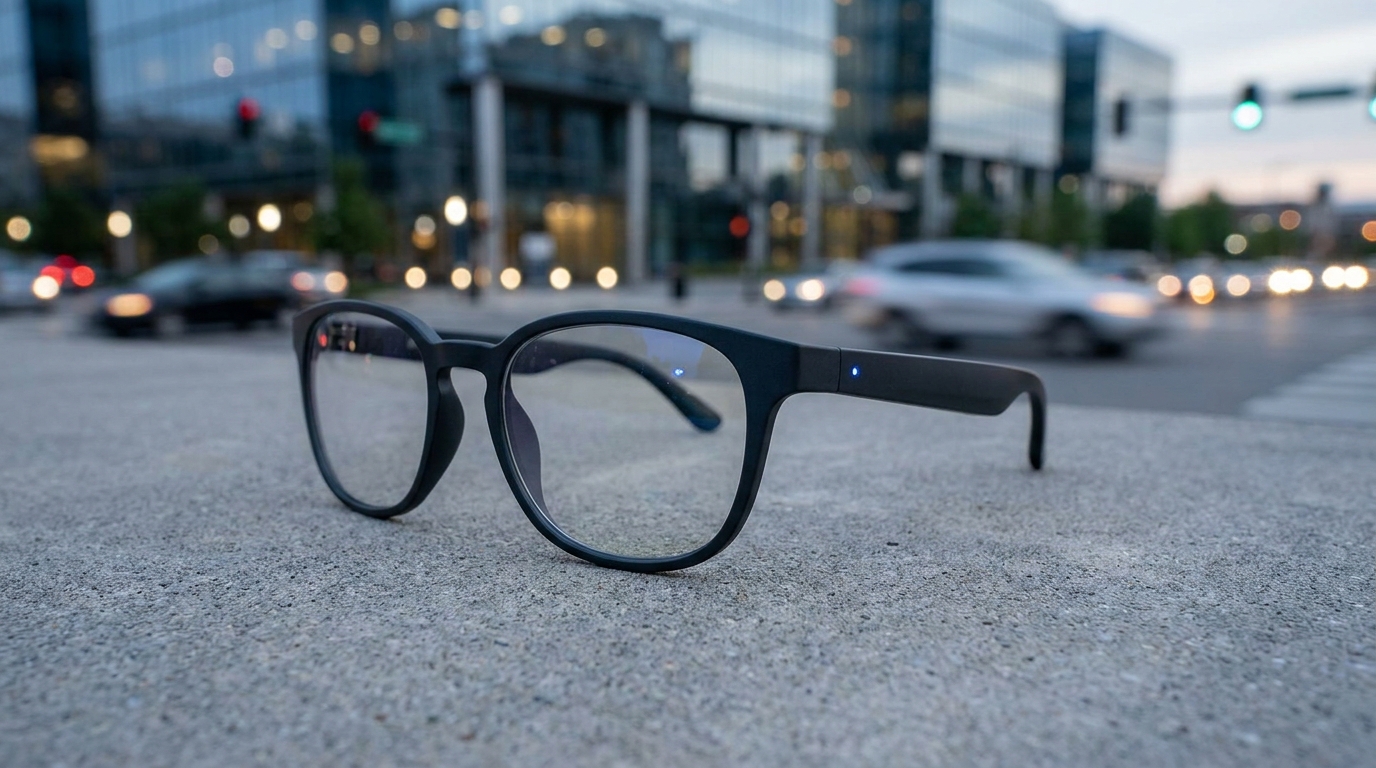
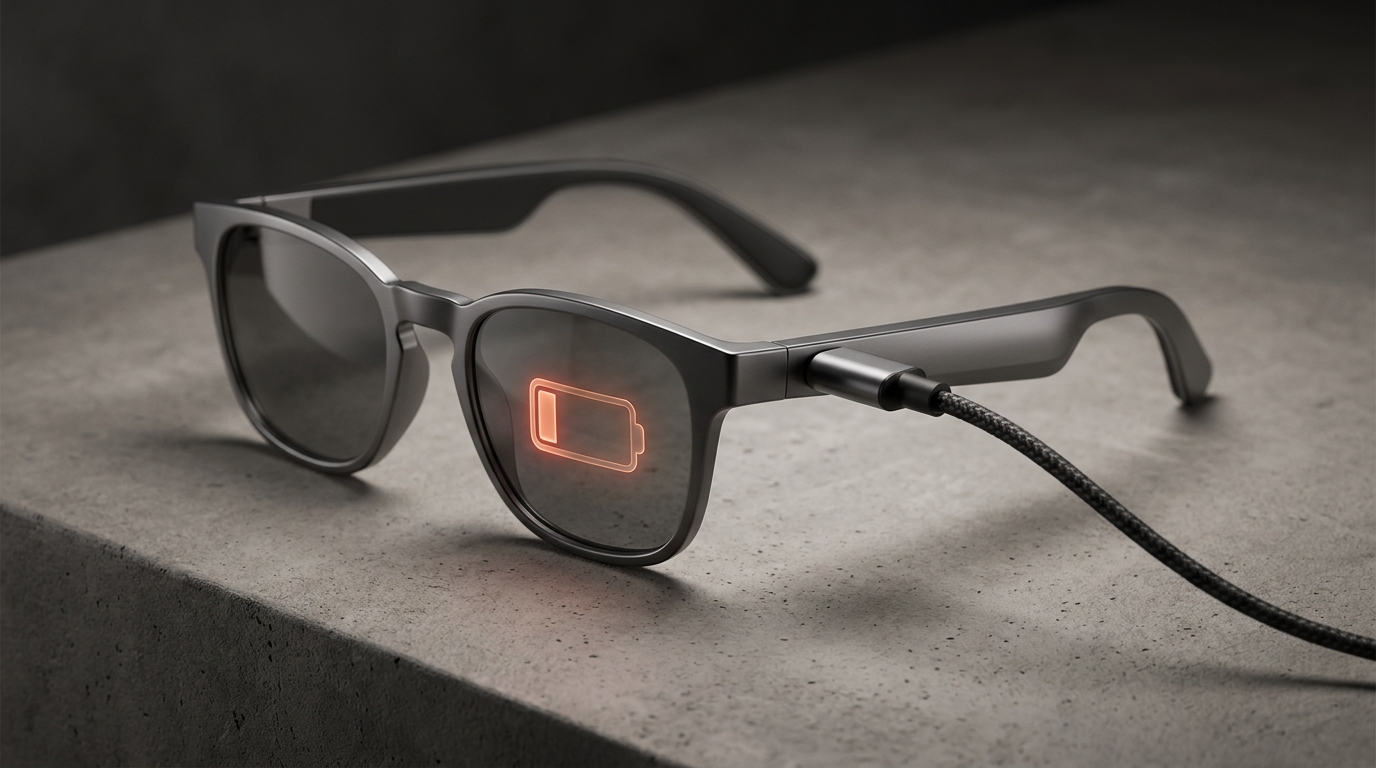
The smart glasses industry is at a fascinating crossroads. While Meta pushes forward with increasingly complex, camera-centric Ray-Ban models, and Google enters the fray with its own style-conscious, yet ultimately display-less, Gemini glasses, a quieter revolution is brewing. The core issue, as highlighted by the persistent battery drain plaguing even ambitious devices like the INMO GO3, remains power. Adding advanced AI, real-time translation, or biometric features requires significant juice, inevitably throttling the promised 'all-day wear' and leading to consumer fatigue. This isn't just about hardware limitations; it's about the fundamental trade-off between functionality and practicality.
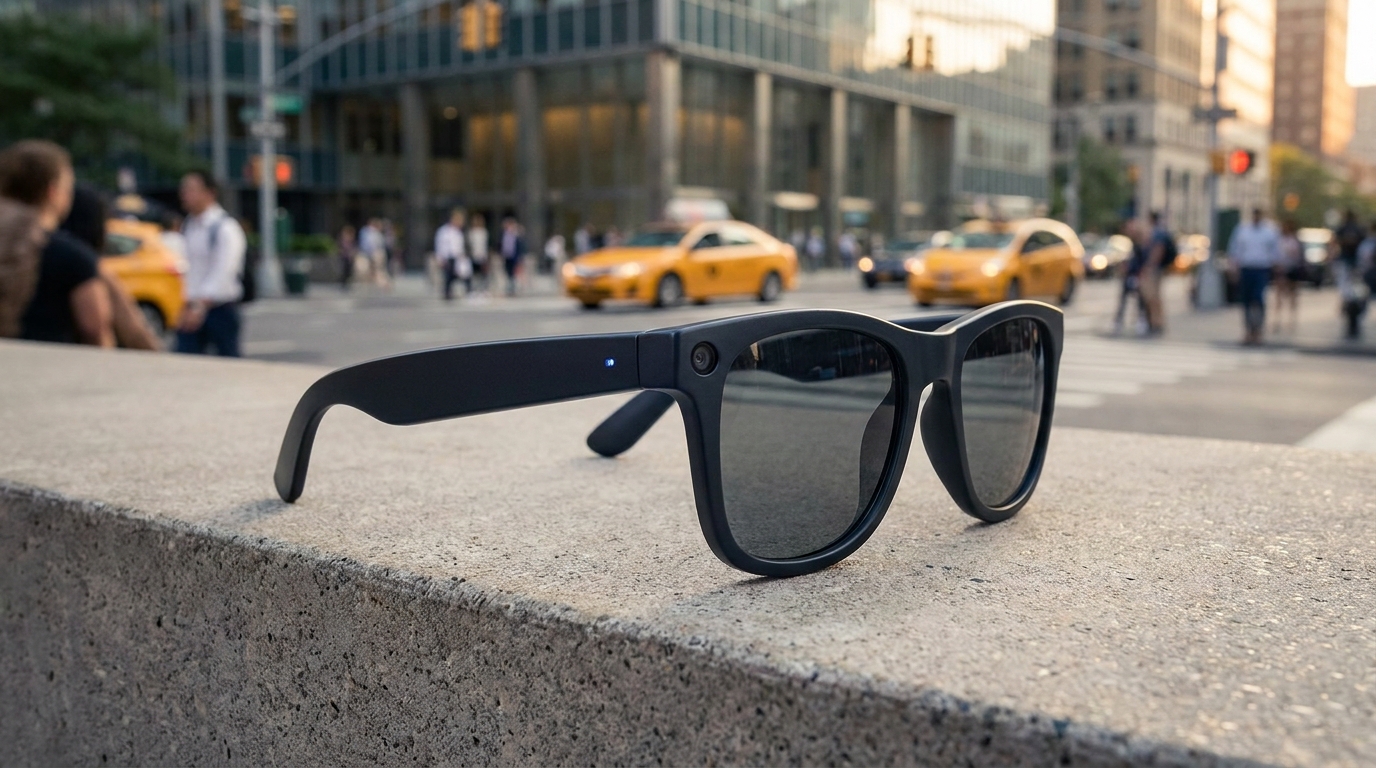
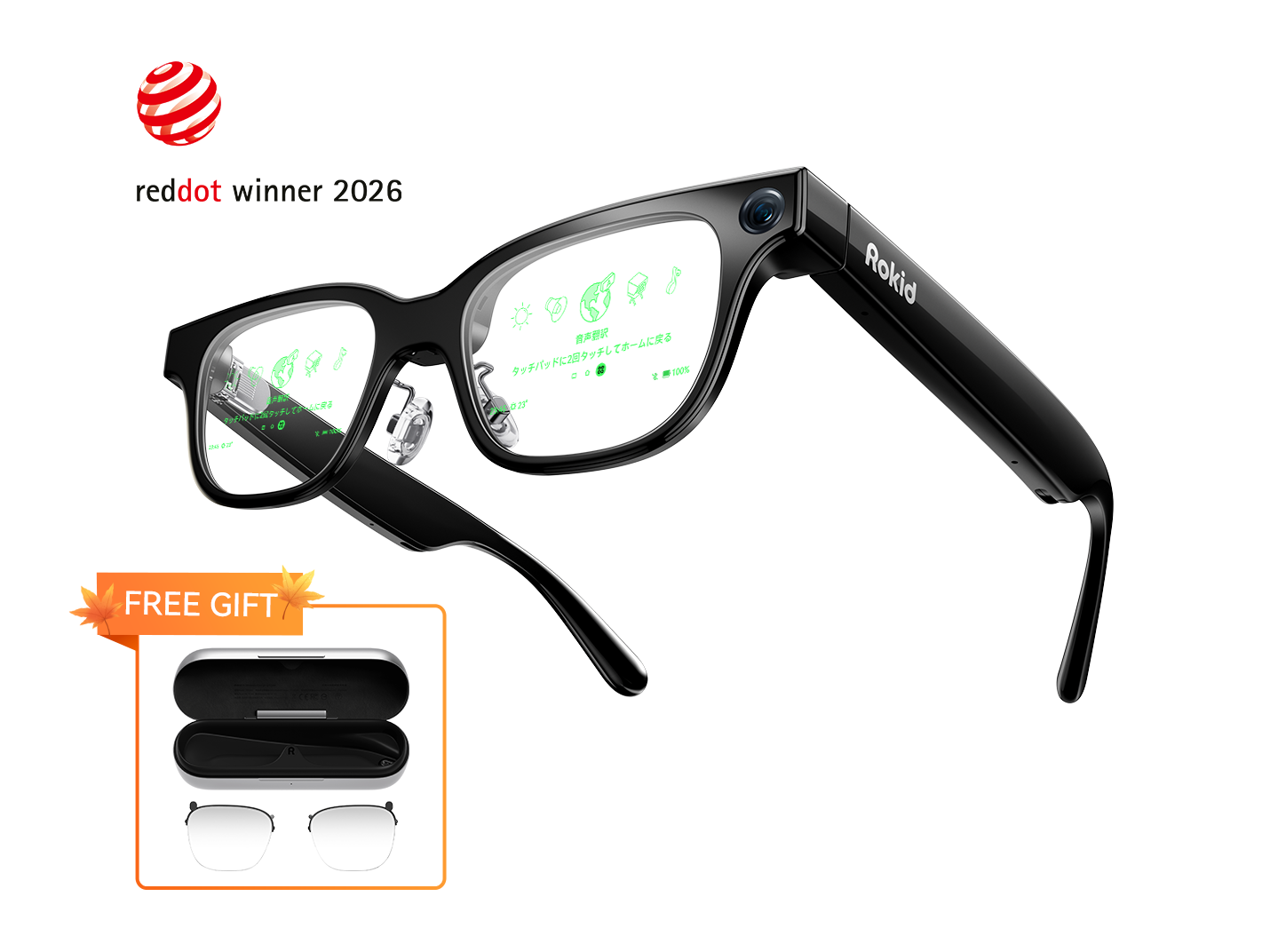
Meta's recent experiences underscore this tension. The company's attempt to integrate facial recognition into its Meta AI app, later quietly removed after public outcry and EFF scrutiny, highlights the deep-seated privacy anxieties surrounding smart glasses. Similarly, the disturbing revelations of modders disabling recording indicators on Meta's Ray-Ban glasses for a fee, as detailed by PCMAG, reveal a troubling gap between manufacturer intentions and user behavior. These incidents are not isolated; similar privacy loophole concerns are surfacing around Rokid AI glasses, with users reportedly filming individuals without consent and sharing footage online.
Pennsylvania's legislative push, targeting recording indicator mandates and banning modifications, is a direct response to these privacy breaches. This isn't just about one state; it's a canary in the coal mine, signaling a broader regulatory environment poised to scrutinize camera-equipped wearables. The CNIL's warning in France regarding Meta's smart glasses further emphasizes that market success does not equate to unfettered technological adoption. The continuous visual capture capabilities of these devices present significant privacy risks that regulators are now taking seriously.
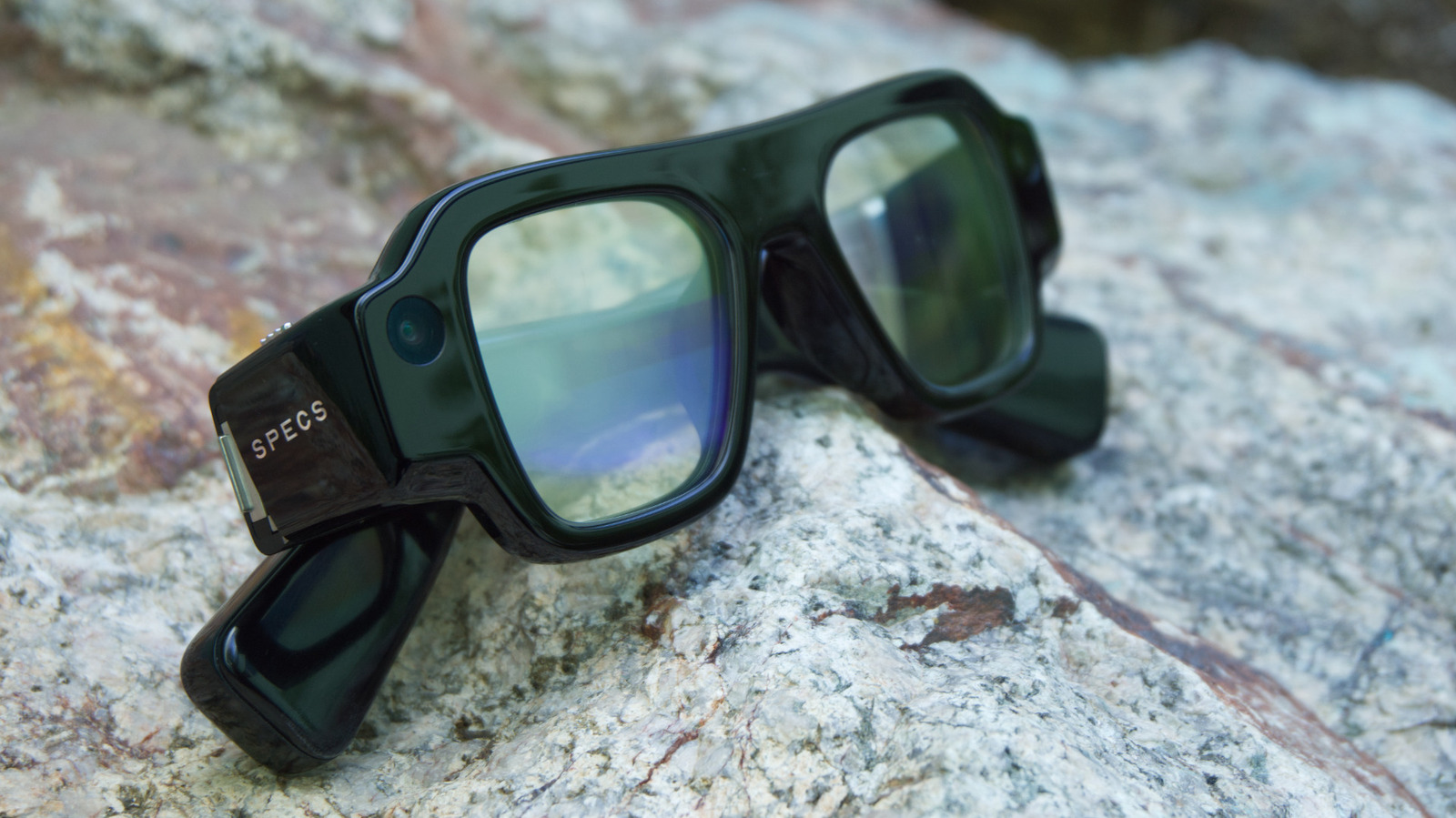
Amidst this privacy storm and the practical limitations of power-hungry devices, a different category of smart glasses is poised to make a comeback. We're talking about HUD-only eyewear, exemplified by companies like Even Realities and Brilliant Labs, which focus on displaying information directly into the wearer's field of vision without the need for complex, power-intensive displays or invasive cameras. These devices are not trying to replace smartphones or create full augmented reality overlays. Instead, they offer a more focused, utility-driven experience.
These HUD-only devices offer a compelling alternative by stripping away the most controversial features. Imagine notifications appearing discreetly in your peripheral vision, turn-by-turn navigation prompts without needing to glance at a screen, or real-time translations appearing as subtle subtitles. This is the domain of devices that prioritize information delivery over immersive experiences or constant recording. Companies exploring this space are not chasing the consumer perception of Google Glass's original ambition or Meta's current approach; they are honing in on a specific, unmet need.
The appeal lies in their inherent simplicity and reduced privacy footprint. By omitting outward-facing cameras or offering only minimal, clearly indicated recording functions, these HUD-only glasses bypass the most significant public and regulatory objections. The absence of intrusive cameras means less risk of covert recording and a diminished perception of being 'watched.' This aligns perfectly with growing consumer awareness about data privacy and the potential for misuse of personal information captured by ubiquitous wearable tech.
Consider the burgeoning AI capabilities available. Devices like the INMO GO3, despite their battery challenges, showcase the potential for on-the-go AI assistance. However, a HUD-only approach could integrate similar AI functionalities - perhaps voice-activated queries that deliver text-based answers or summaries directly to the HUD, or AI-powered note-taking that appears unobtrusively. This offers the 'smart' aspect without the heavy hardware or ethical baggage of full-display AR.
The market is currently fractured, with Meta attempting to establish a retail presence and Google partnering with fashion-forward brands like Warby Parker and Gentle Monster. Yet, these efforts, particularly Meta's, are costly and face uphill battles in educating consumers. UploadVR's reporting on Amplium's effort to centralize immersive video content for Apple Vision Pro, while focused on a different form factor, hints at the industry's struggle with content discoverability and user engagement for complex AR experiences. This suggests a market potentially overwhelmed by high-fidelity, high-power expectations.
The hardware costs associated with full-fledged AR displays, as noted in Smart Glasses Daily's analysis of Android XR's impact, are substantial. Display components alone can represent a significant portion of the bill of materials. HUD-only glasses, by contrast, can achieve a much lower price point, making them accessible to a broader audience. This affordability, combined with their focused functionality, positions them as a more realistic entry point for widespread adoption in the short to medium term.
This isn't to say full-display AR is dead. The long-term potential is undeniable, and platforms like Apple's Vision Pro and the eventual evolution of Android XR will continue to push those boundaries. However, the immediate future might belong to devices that solve specific problems efficiently and discreetly. Even Realities and Brilliant Labs, by focusing on the core utility of information display and notification, sidestep the current minefield of privacy concerns and battery limitations.
The trend is clear: the public is wary of devices that seem to be constantly watching and recording. Legislators are taking notice, and regulators are issuing warnings. For smart glasses to move beyond niche enthusiasts and overcome significant consumer resistance, a more measured approach is needed. This doesn't mean abandoning innovation, but rather prioritizing practicality and privacy.
The quiet resurgence of HUD-only smart glasses represents a pragmatic pivot. They offer the AI-driven convenience and connectivity that consumers are increasingly seeking, without the invasive surveillance capabilities that have ignited widespread alarm. It’s a smart play in a market that desperately needs to prove its trustworthiness and long-term viability.
By delivering essential information directly and unobtrusively, these simpler devices can build trust and demonstrate value. They prove that 'smart' doesn't have to mean 'intrusive' or 'power-hungry.' This focused approach might just be the key to unlocking broader consumer acceptance in the smart eyewear category.
The industry needs to learn from the missteps of full-feature AR and the privacy backlash. A return to basics, with a focus on discreet information delivery and user privacy, offers a sustainable path forward. The comeback of HUD-only glasses isn't a step backward; it's a smart, necessary recalibration.
Interactive guide — prices, displays, cameras, battery.
Share this story