Analysis · —
The End of the Screen Obsession: Why Display-Less AI Glasses Win the Mass Market
For years, smart glasses chased a visual AR fantasy, and for years, they failed. The real revolution isn't about pixel density; it's about invisible AI, settling the 'wearability' debate and igniting true mainstream adoption.

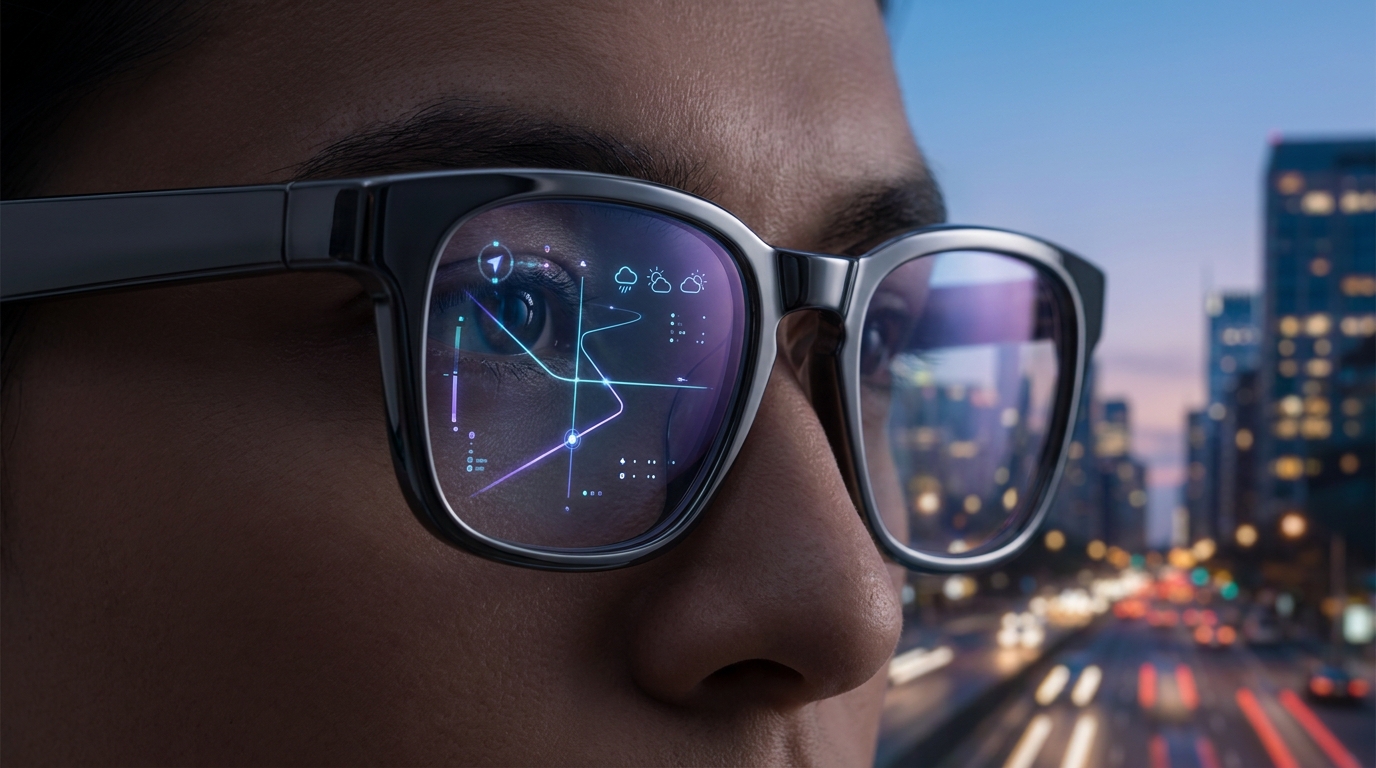
The smart glasses market loves to endlessly re-litigate the same arguments, particularly the screen versus screen-less debate. Publications like The Verge continue to bemoan the lack of a 'killer app' despite advancements in design and affordability, a sentiment that feels increasingly out of touch with where the market is actually heading. The fixation on projecting digital content onto the real world has been a persistent, fundamental miscalculation, distracting from the true value proposition.
Companies like XREAL and Rokid still push the 'display-first' agenda, clinging to the belief that visual immersion is the only path forward. But, as we've argued repeatedly, this pursuit of high-fidelity AR has consistently overlooked the primary hurdle: mass acceptance. Nobody wants to wear clunky goggles or experience battery drain for an 'immersive' experience that often feels more like a parlor trick than a practical tool.
Meta's Ray-Ban AI glasses definitively settled the 'wearability' question. By prioritizing discreet design, comfortable integration (including crucial prescription models like Blayzer and Scriber Optics), and open-ear audio, Meta normalized face-worn tech for millions. This wasn't about flashy visuals; it was about integrating technology seamlessly into daily life without screaming 'I am wearing a computer on my face.' The hardware became a Trojan horse for AI.
The genius of the display-less approach is its deliberate focus on the core utility: an always-on AI assistant. Apple, with its rumored AI glasses, appears to be following a similar playbook, prioritizing advanced gesture controls and dual cameras over an integrated display. This signals a strategic simplicity play, leveraging gesture input, as already seen in Vision Pro, for a lightweight, less power-hungry device that truly augments the user without encumbering them.
Baidu, with its Xiaodu AI Glasses, is another powerful entrant validating this thesis. As China's AI behemoth, Baidu isn't just dipping its toes; it's extending its formidable Ernie AI directly to the user's line of sight, creating seamless, hands-free assistance. This isn't about augmenting reality with flashy visuals; it's about augmenting *you* with intelligence, discreetly.
The real battle isn't over form factor, but over the underlying operating system that powers these AI assistants. Android XR, often overlooked amidst the splashier announcements, is quietly positioning itself as the undisputed bedrock of this ecosystem. Its subtle ubiquity will fundamentally redefine what 'smart' eyewear even means, providing the scaffolding for diverse, display-less experiences.
The 'ghost in the machine' is an always-on AI, mediating your reality through your eyewear, transforming glasses into perpetual companions. This means AI will interpret surroundings, offer contextual information, and respond to queries without requiring a screen to visually overload your field of view. Dogs Inc.'s integration of AI glasses for enhanced vision support for individuals with vision loss showcases this practical, empowering application, moving beyond traditional guide animals.
Battery life, a perpetual headache for any truly 'always-on' device, also benefits from the display-less paradigm. While our own Originals noted the industry's continued struggle with sustained power for facial computing, removing a power-hungry display significantly alleviates this constraint. The Inmo Go 3, while featuring dual monochrome displays, boasts a 40-hour battery life with swappable batteries, hinting at the potential for extended use when visual output is minimized or absent.
The implications of this shift extend beyond convenience; they touch on privacy and ethics. The Futurism report on Meta's content moderation issues, stemming from explicit footage captured by Ray-Ban AI glasses, underscores the potent capabilities of camera-first eyewear. This power demands rigorous ethical frameworks, but it also highlights the profound data-gathering potential even without a display.
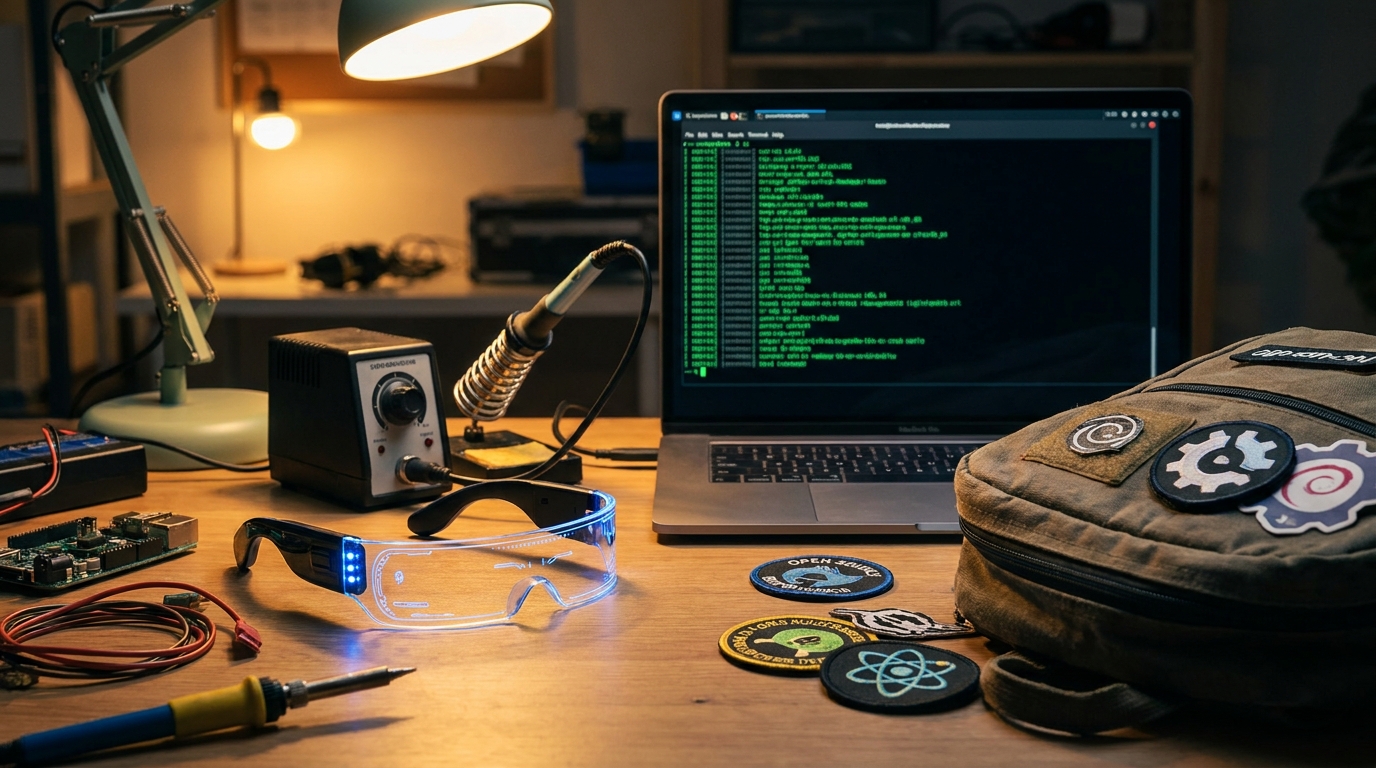
For hackers and builders, the display-less paradigm is an invitation, not a limitation. Big Tech's deliberate simplification, stripping devices down to essential components-camera, microphone, audio, and AI-is a godsend for open-source development. This 'Glass Ceiling' is cracking, enabling a revolution rooted in utility and accessibility, driven by innovation from the ground up.
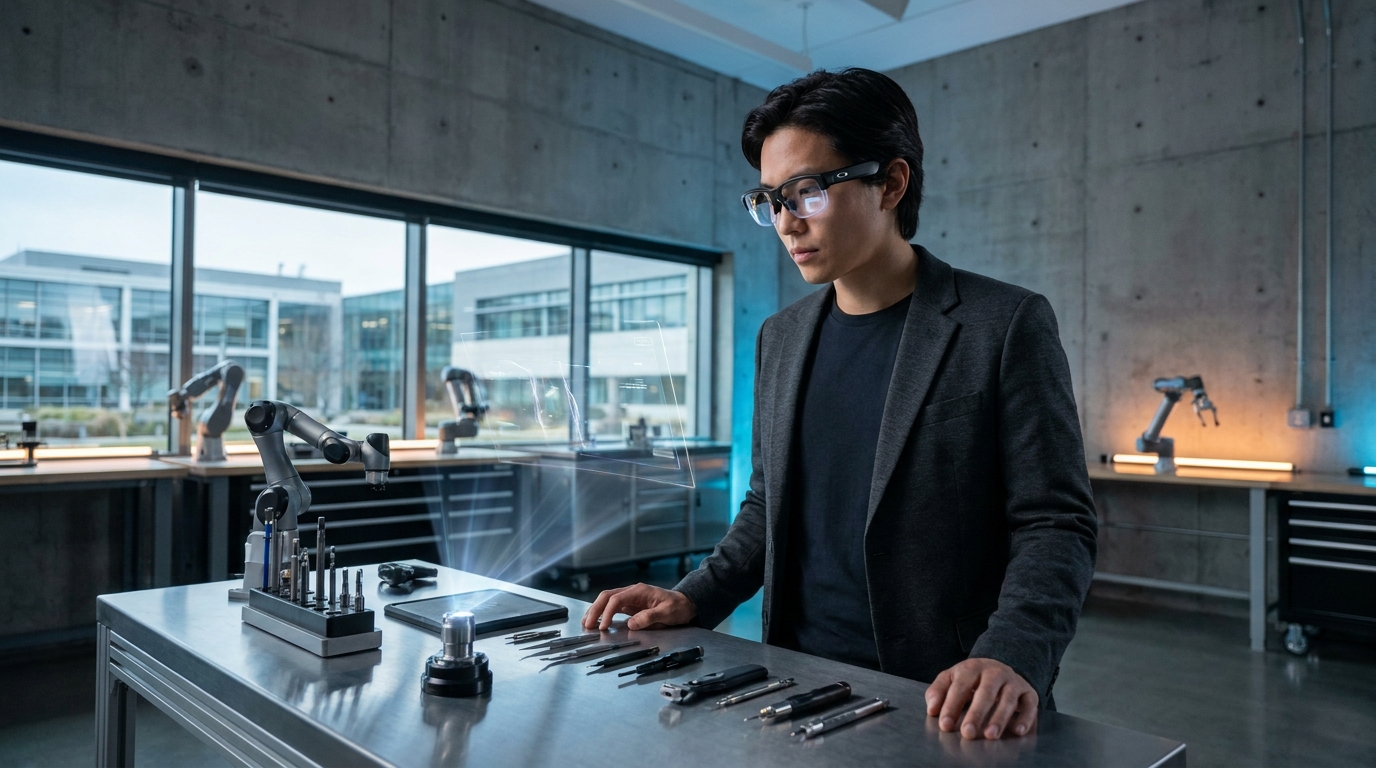
Ultimately, the smart glasses market isn't waiting for a 'killer app' to appear on a tiny screen. It's already been won by the subtle, the integrated, and the intelligent. The mass market doesn't want another screen; it wants an invisible assistant, and display-less AI glasses are delivering exactly that. The future of smart eyewear is not about what you see on a display, but what the AI helps you understand and do, seamlessly.
Interactive guide — prices, displays, cameras, battery.
Share this story