Analysis · Meta
Meta's Bold Prediction: The Future of Eyewear is AI-Powered, Investors Take Note
An earnings call comment from Meta's CEO in January 2026 has signaled a major shift in the wearable tech landscape. As glasses sales surge, the industry grapples with retooling for an AI-first future.
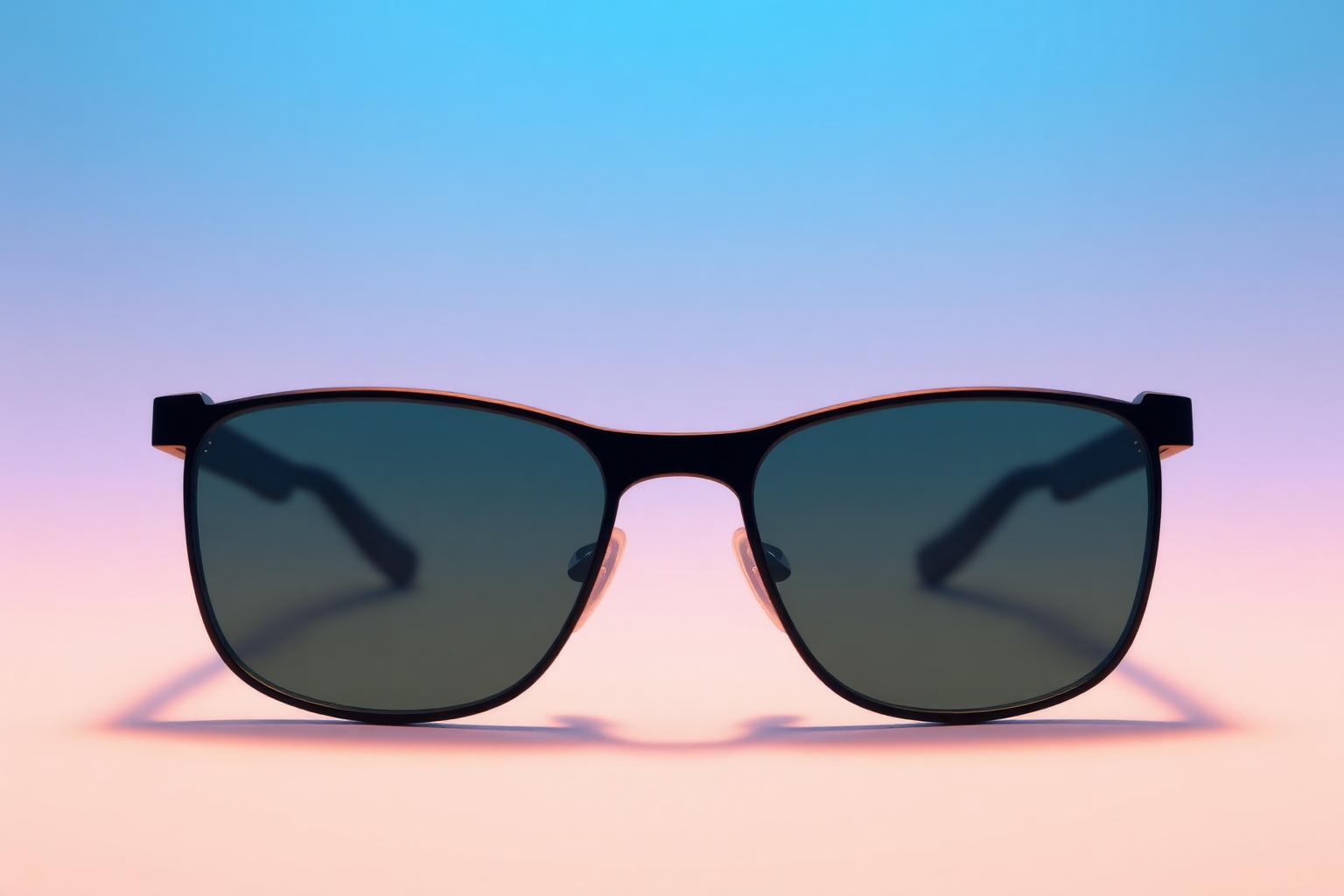
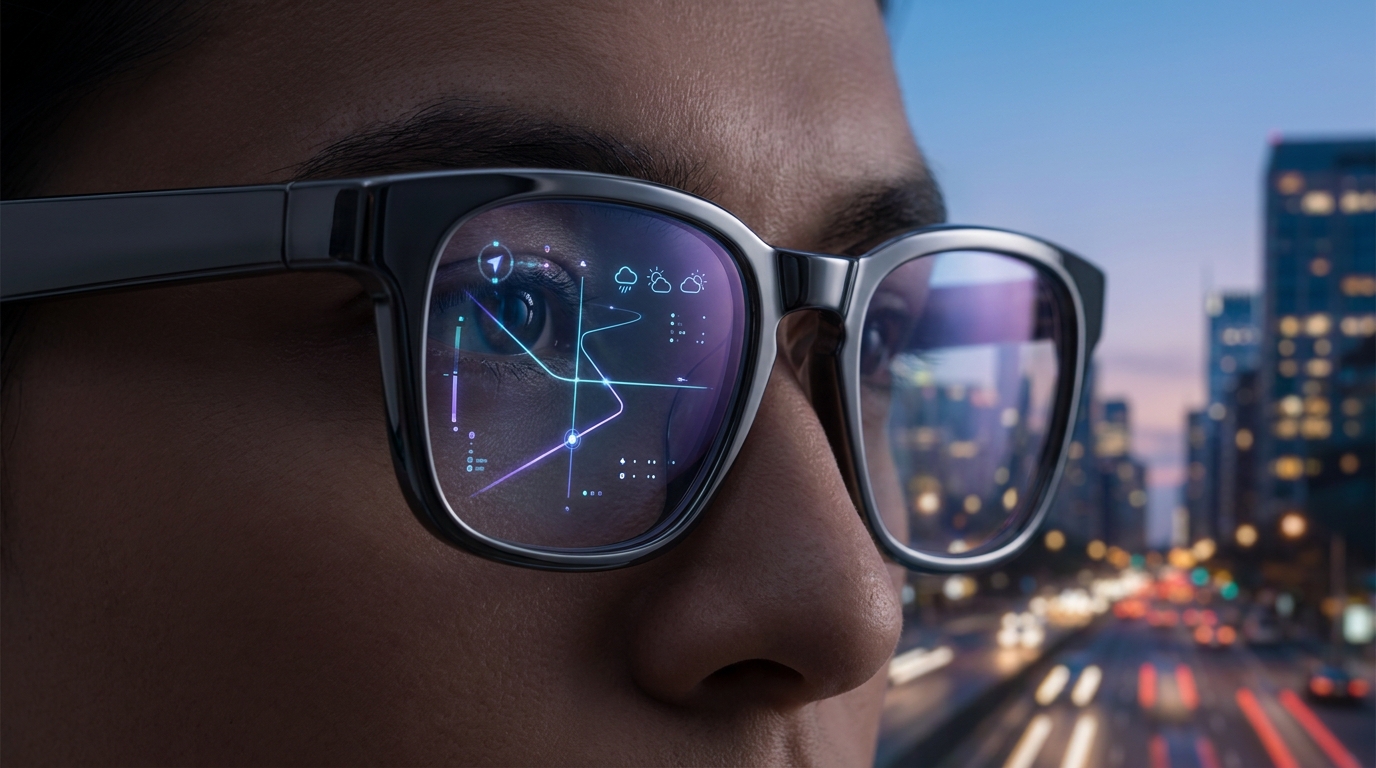
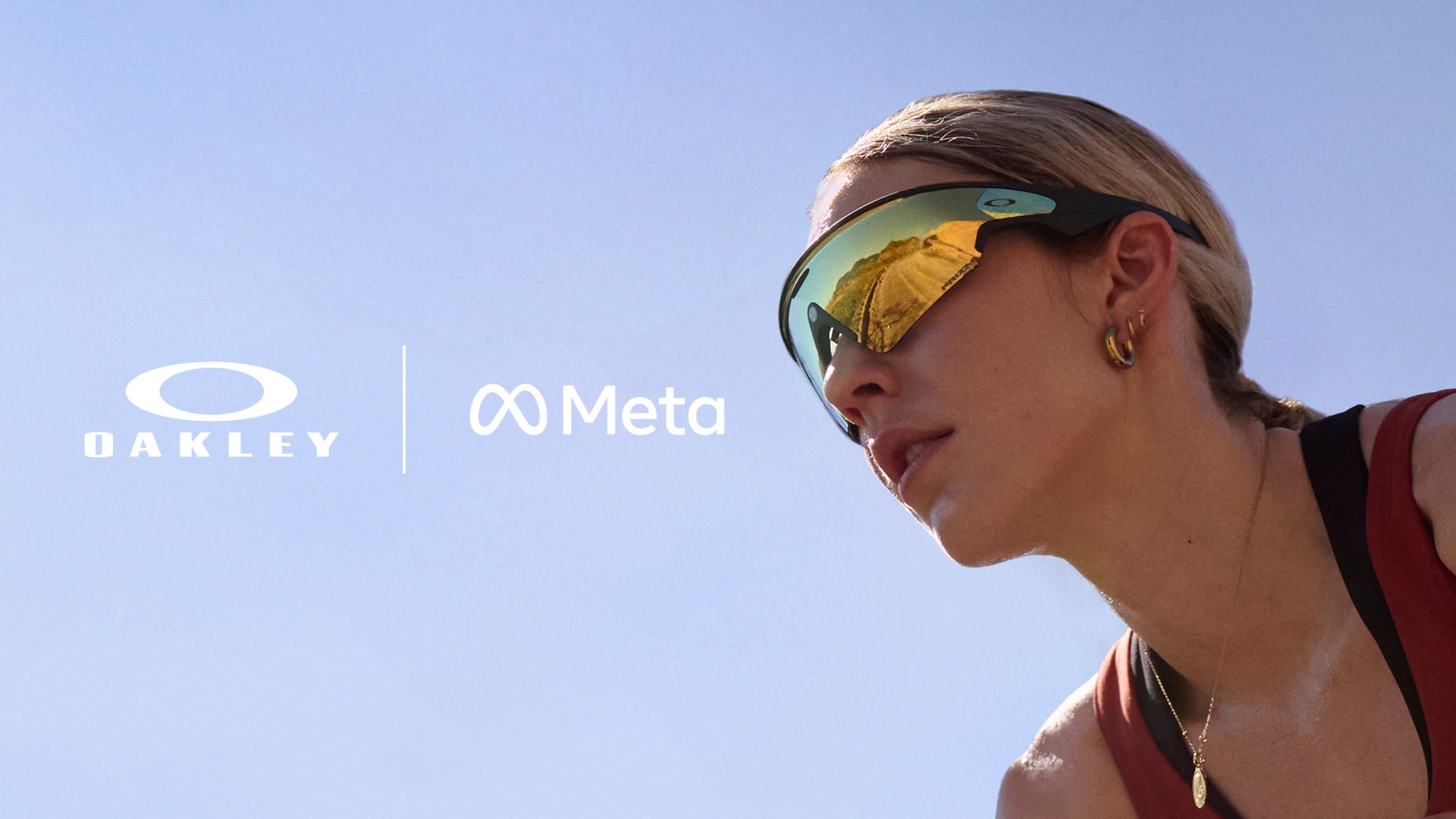
On January 28, 2026, during Meta's Q4 earnings call, CEO Mark Zuckerberg made a definitive statement that reshaped the smart glasses conversation: "It's hard to imagine a world in several years where most glasses that people wear aren't AI glasses." This forecast, coupled with the announcement that Meta's glasses sales tripled last year, has sent ripples through the market, forcing rivals and investors to reassess strategies.
Glass Almanac reports that Meta has consequently redirected significant Reality Labs investment towards glasses, anticipating peak losses in 2026 before eventual decline. The shift has ignited a race among competitors like Apple, Google, and Snap, all reportedly accelerating their own smart-glasses initiatives to meet anticipated demand.
This isn't about an immediate "iPhone moment" for eyewear, but rather an iterative evolution. Expect consistent, smaller upgrades: refined cameras, enhanced AI assistants, and a greater emphasis on fashion-forward designs. The goal is to integrate AI tasks, calls, and photography into a lightweight, everyday form factor.
Video: Meta on YouTube
The mainstreaming of AI glasses, however, introduces complexities beyond product development. Consumer concerns about privacy and "creepiness" persist, while retailers eye new accessory revenue streams. Investors, according to Glass Almanac, worry about margin erosion, with EssilorLuxottica's market cap reportedly dropping 30% between November and April due to these concerns.
Beyond the business implications, regulatory bodies and privacy advocates are reopening debates around always-on cameras, on-device AI data processing, and user controls. The industry faces tough questions about balancing innovative features with user trust and data protection.
Our take: The market is clearly moving. Meta's aggressive pivot, backed by significant sales growth, validates the long-held vision for smart glasses. However, success hinges not just on technological advancement, but on deftly navigating privacy fears and establishing clear ethical guardrails. The winners will be those who can build compelling, integrated experiences while earning consumer confidence and regulatory approval. Scale and smart partnerships will be critical to sustaining margins in a rapidly evolving hardware sector.
Interactive guide — prices, displays, cameras, battery.
Share this story