Analysis · —
The Infinite Loop: Smart Glasses and the Unsolved Battery Problem
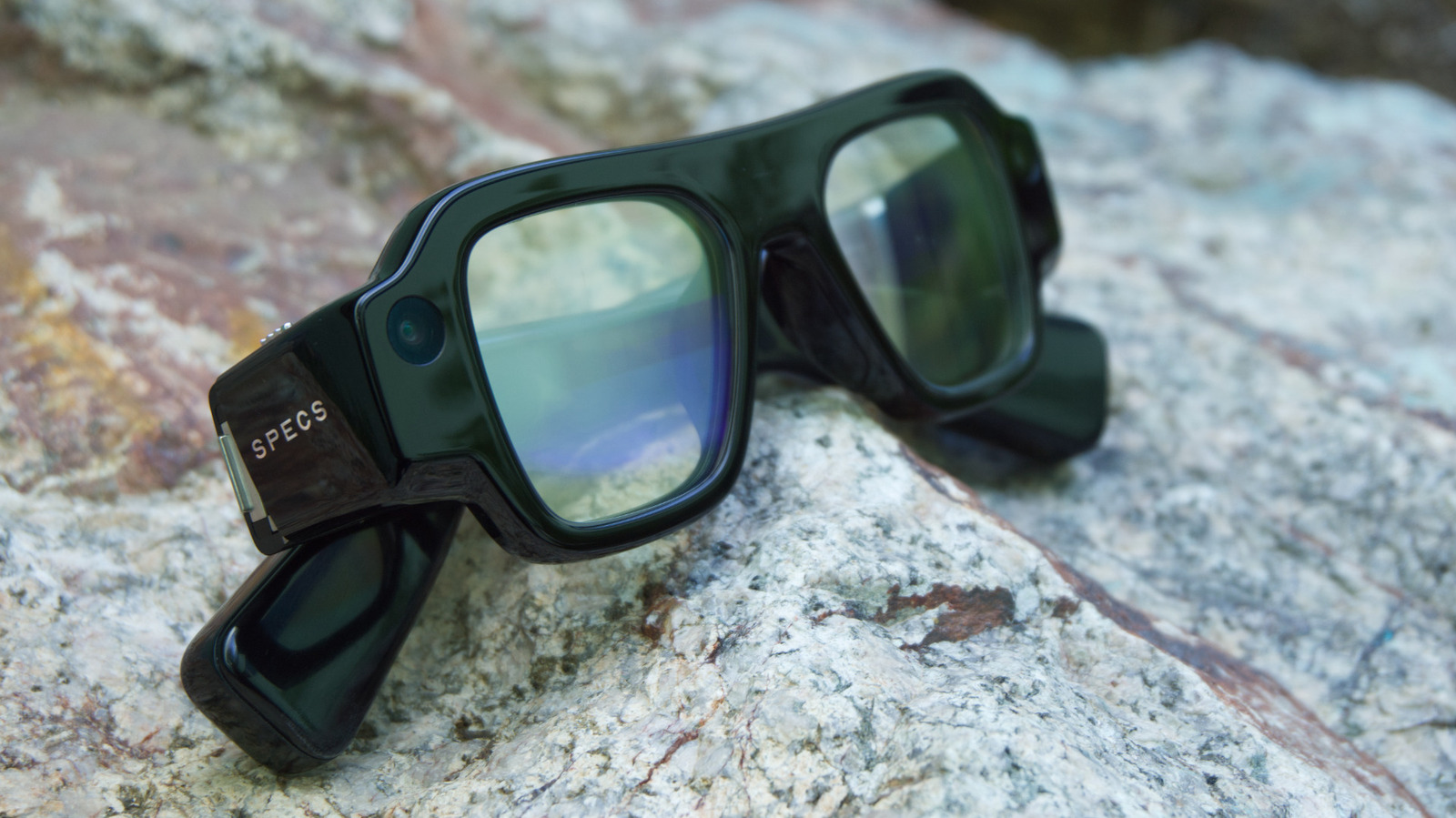
While tech giants squabble over AI, displays, and discreet cameras, a fundamental flaw persists: none are meaningfully addressing the battery life required for always-on facial computing.
The smart glasses market, for all its revolutionary bluster, is dancing around a foundational truth: continuous, on-face AI demands continuous power, and nobody is actually solving that problem. We've seen the industry pendulum swing from clunky AR displays to discreet, display-less AI companions, yet the central constraint of sustained operation remains a glaring blind spot. Companies like Baidu, Meta, and even the stealthy Android XR playmakers are all positioning their AI as perpetually available, but this promise shatters against the wall of meager battery endurance.
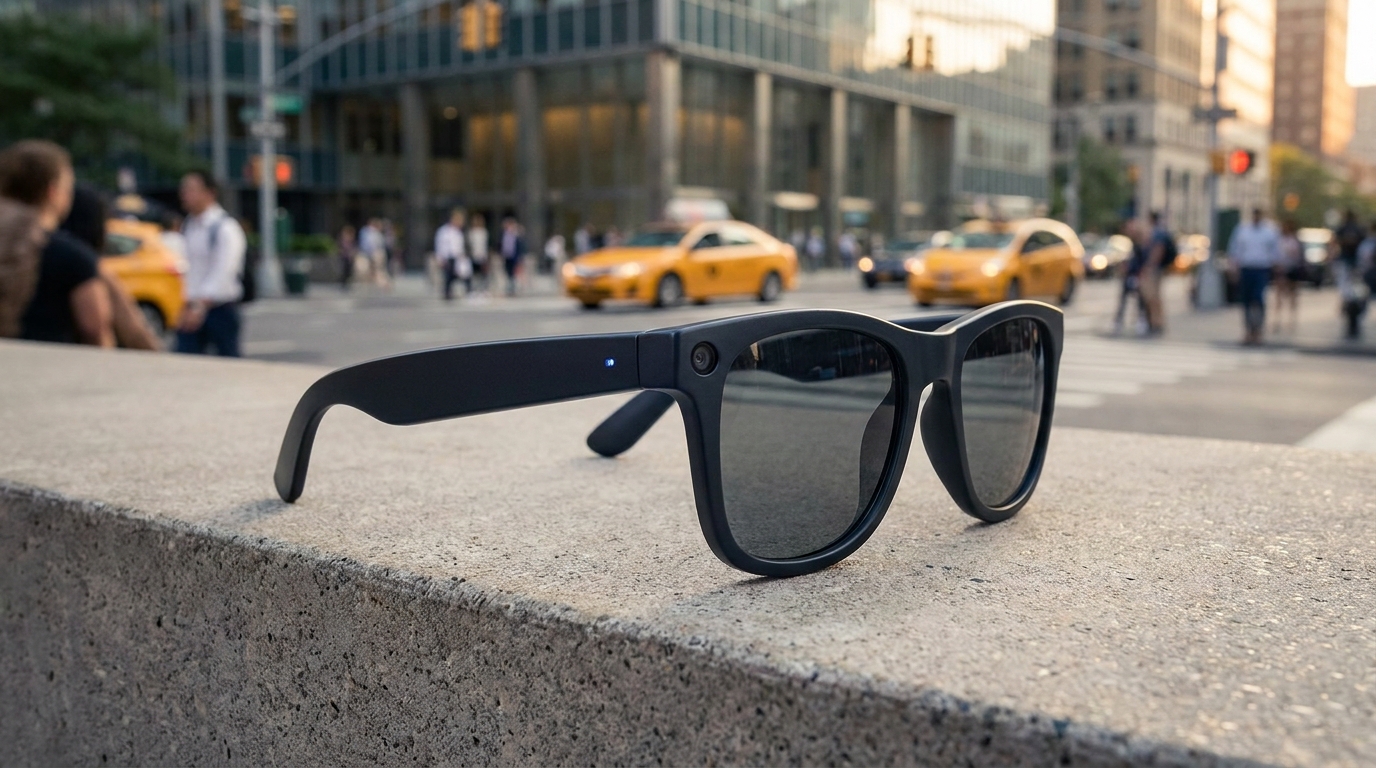
Meta's Ray-Ban AI glasses, lauded for settling the 'wearability' debate and normalizing face-worn tech for millions, exemplify this contradiction. Their success hinges on being unobtrusive, yet the moment their AI capabilities are truly pushed - the always-on assistance, the pervasive recording that led to privacy fallout and moderation scandals - the battery inevitably becomes the bottleneck. The promise of an 'always-on AI assistant' directly on your face collapses when that assistant needs to be recharged every few hours.
Baidu, with its Xiaodu AI Glasses, touts its foundational AI, Ernie, as redefining hands-free interaction. Similarly, the entire burgeoning ecosystem around Android XR, which promises to unify the fragmented smart glasses landscape, relies on the assumption of ubiquitous AI accessible at all times. But without a power source that can keep pace, these ambitious visions are inherently limited to intermittent use, or worse, reduced to glorified audio accessories that occasionally snap a photo or answer a quick query.
The 'display-less' movement, championed by Meta and now subtly informing rumored devices like Samsung's Gemini AI-powered specs, emphasizes discretion and AI integration over visual immersion. This approach, while solving the social acceptance hurdle, inadvertently exacerbates the battery problem. When the primary utility is an embedded, always-listening, always-processing AI - the 'ghost in the machine' that transforms glasses into 'perpetual companions' - power consumption scales dramatically.
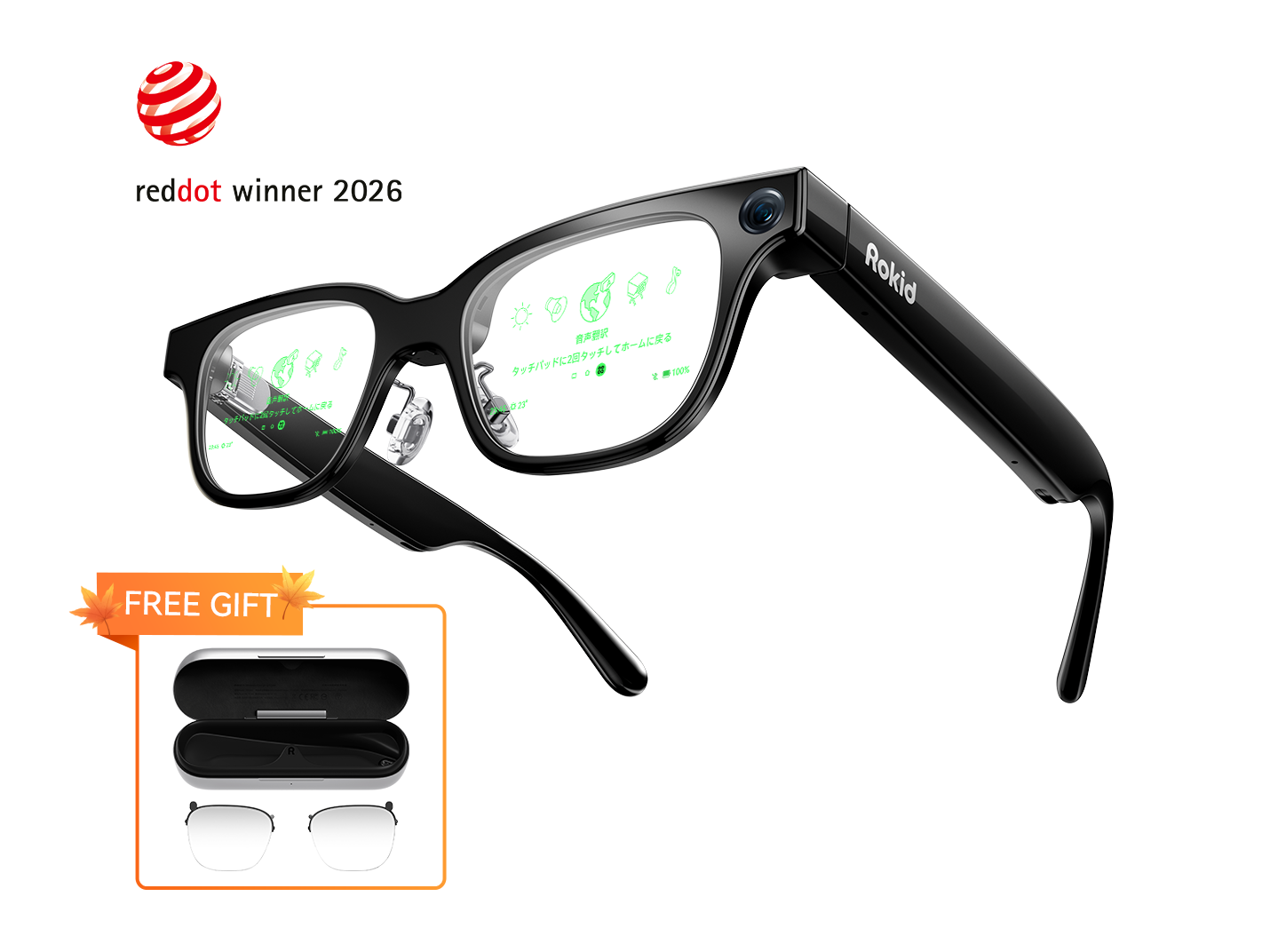
Then there are the display-first contenders: XREAL, Rokid, RayNeo, and the Inmo Go 3. They offer genuine visual experiences, which logically demand more power. The Inmo Go 3, for instance, sports dual monochrome micro-LED displays and explicitly highlights a modular battery system, swappable batteries, and a charging case to achieve an advertised 40-hour usage. This modularity isn't a feature; it's a workaround, a tacit admission of the underlying power inefficiency.
Why is 40 hours with a modular system considered impressive? Because without it, the device would likely be dead within a workday. While the Inmo Go 3's approach provides a temporary palliative, it still requires users to carry extra bulk and remember to swap power sources. This is hardly the seamless, 'unseen force' experience that the broader smart glasses narrative promises.
The utility cases being explored further highlight this power dilemma. Dogs Inc. leveraging AI glasses for enhanced vision support for individuals with vision loss demands absolute reliability and extended operational time. The idea of these vital assistive devices dying midday due to a drained battery is not merely an inconvenience; it's a critical failure of the technology's core purpose. This is not a phone you can put in your pocket; it's a sensory augmentation.
Even the open-source hacker community, which is building genuine innovation on Big Tech's simplified hardware, will ultimately butt against this wall. Stripping down devices to 'a camera, a microphone, discreet open-ear audio, and an integrated AI' offers a fantastic playground for developers, but the power draw of advanced AI models running locally, or even continuously calling cloud APIs, remains a computational and electrical challenge.
The silence from the industry's titans on a genuine breakthrough in battery technology for smart glasses is deafening. Instead of fundamental advancements, we're offered iterative improvements or, worse, design compromises that merely extend life by adding bulk or requiring external intervention. This isn't innovation; it's evasion.
The geopolitical 'AI Glasses Superpower Showdown' between the US and China, as well as the 'silent screen war' between display-first and display-less camps, all revolve around who owns the AI on your face. But all these grand battles are ultimately fought on a battlefield with constantly diminishing power reserves. It’s like building a supercar with a lawnmower engine; the vision is there, but the sustained capability is missing.
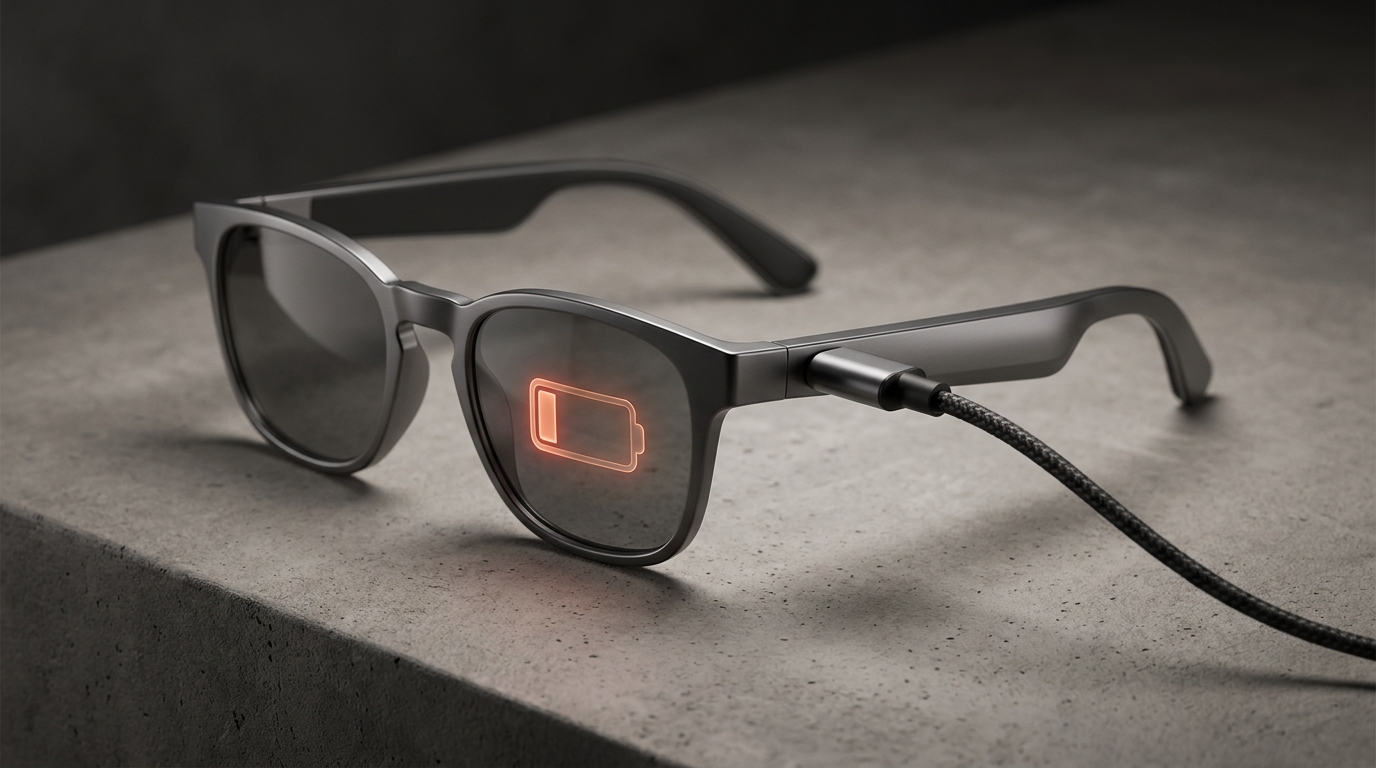
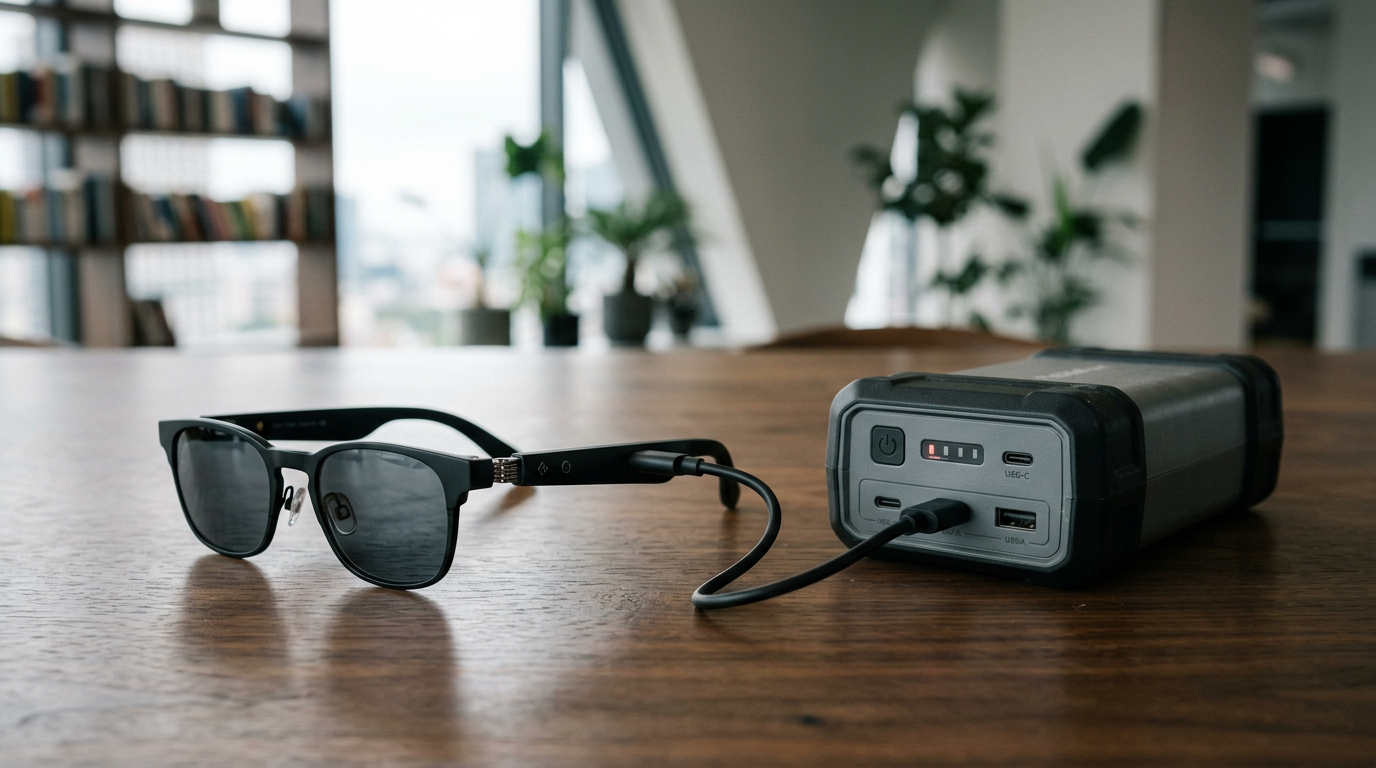
Until a paradigm shift in energy density or power management arrives, the dream of truly always-on, always-available AI on our faces will remain just that: a dream. The current state is a collection of impressive proofs-of-concept that require constant connection to a charger, or a bulky workaround. For smart glasses to truly become the foundational, ubiquitous computational layer of our lives, someone needs to solve the battery problem, and soon.
Otherwise, all this talk of 'discreet AI assistance,' 'seamless interaction,' and 'perpetual companions' is just marketing fluff in a box that will die long before the day is out. The ghost in the machine is powerful, but even ghosts need their juice.
Interactive guide — prices, displays, cameras, battery.
Share this story