News · Meta
Covert Recording: Modders Disable Meta Smart Glasses Privacy Light
A tech journalist revealed how easy it is to remove the recording indicator on Meta's smart glasses for a fee, enabling secret recordings. Meta states such modifications violate its terms of service and void product warranties.

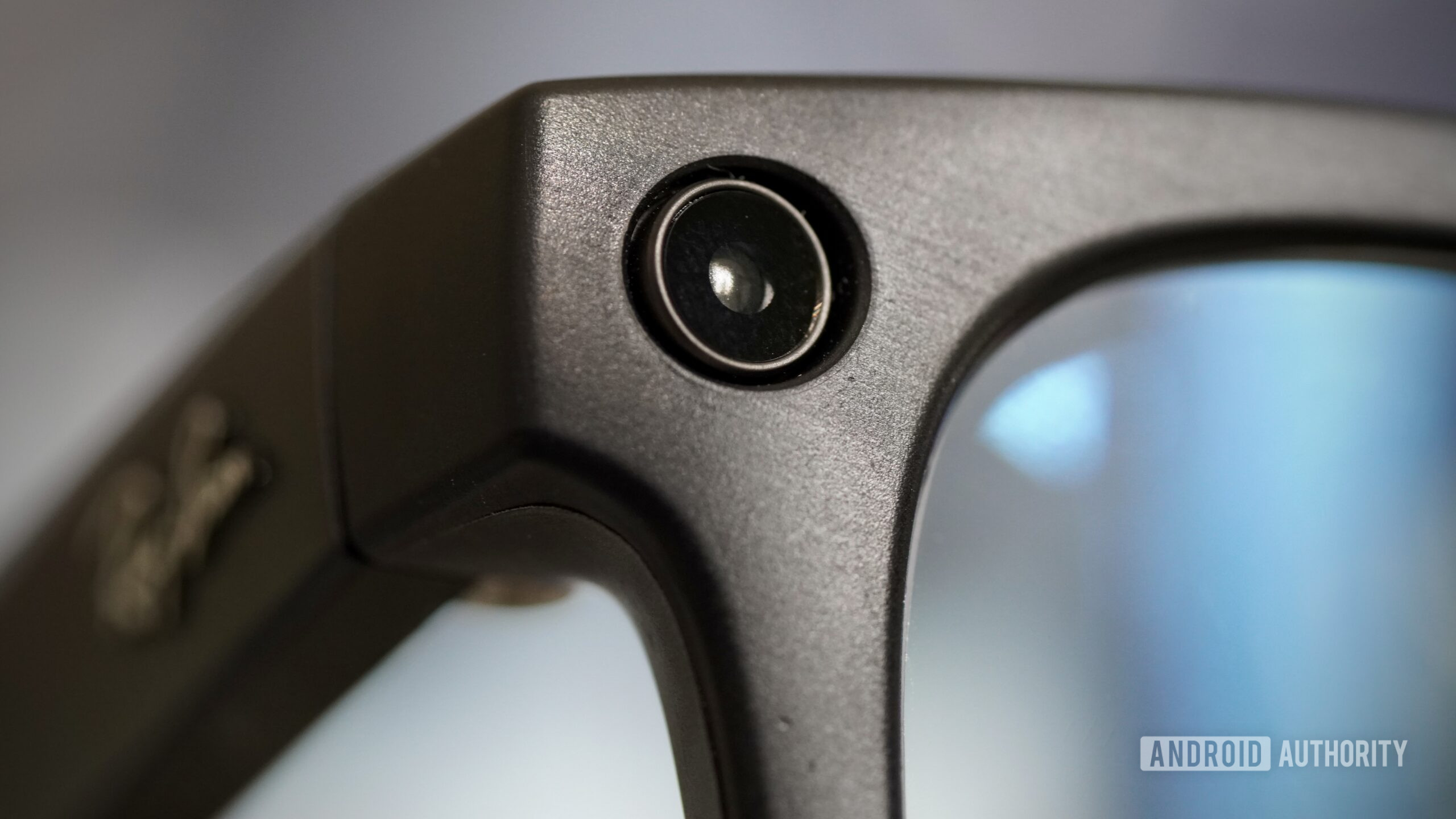
Announced June 10, 2026, a disturbing trend is emerging for Ray-Ban Meta Smart Glasses users and the public. As PCMAG reports, tech journalist Joanna Stern successfully paid a modder $100 on Facebook Marketplace to disable the recording indicator light on her Ray-Ban Meta glasses. This modification makes it nearly impossible for anyone to discern when the glasses are actively capturing video or audio, raising significant privacy alarms.
PCMAG details Stern's findings, indicating the modding process involves using a drill and resin to physically remove and conceal the LED. This effectively renders the glasses' built-in privacy safeguard useless. According to PCMAG, these illicit services are reportedly widespread, with Stern locating offerings in 30 states.
Meta has stated that such modifications violate its terms of service, which automatically voids the product's warranty. The company claims it is actively working to remove advertisements for these services from its platforms. While covert recording can carry legal consequences in various jurisdictions, proving it occurred often presents a challenge.
Our take: This situation directly challenges the foundational trust required for mainstream smart eyewear adoption. While Meta emphasizes its privacy features, the ease with which these safeguards can be bypassed, as demonstrated by PCMAG's report, is concerning. The onus is on manufacturers to implement robust, uncircumventable privacy mechanisms that protect individuals in public spaces, rather than relying solely on user agreements or easily defeated design choices. This incident underscores the urgent need for a deeper industry-wide commitment to transparent and secure wearable technology.
## Growing regulatory and political fallout
Since this article was published in June 2026, the public and political fallout surrounding covert recording through smart eyewear has intensified across multiple continents. As we reported on October 22, 2026, European privacy watchdogs began scrutinizing the discreet form factors that fueled the initial market success of EssilorLuxottica and Meta. The ability for bad actors to conceal capturing indicators has added fuel to regulatory inquiries regarding whether these devices adequately safeguard bystanders under European data privacy protections.
The concerns quickly crossed into government and diplomatic spaces. As we reported on October 27, 2026, smart glasses triggered political sting fears in India after an official alleged that Meta frames were deployed for covert recording during high-profile political meetings. When LED indicators can be physically disabled with simple tools like drills and resin, high-security environments and closed-door conferences are forced to treat all eyewear with suspicion.
In the United States, lawmakers have escalated their demands for executive accountability. As we reported on October 31, 2026, US Senators Ron Wyden and Edward Markey pressed Meta CEO Mark Zuckerberg directly on bystander safety and contractor access to recorded footage following a string of privacy controversies. The ease with which modification services operated openly across 30 states on Meta's own Facebook Marketplace has become a focal point for critics demanding hardware-level tamper protections rather than reactive post moderation.
## Meta's camera lineup and camera-free alternatives
The physical modification issue is particularly notable given how aggressively Meta has continued expanding its camera-equipped hardware. In August 2025, Meta released the sports-centric Oakley Meta HSTN for $399, which incorporates a 12 MP camera capable of 1080p video, 8 hours of battery life, and a 48 g frame. In September 2026, Meta followed with the Ray-Ban Meta (Gen 3), priced starting at $449 and released on September 23, 2026. That model steps up recording capabilities with a 12 MP sensor capturing 3K Ultra HD video, paired with a 9-hour battery, a customizable action button, and a 6-microphone array featuring over 90% background-noise reduction. Meta also announced additional camera frames at Connect 2026, including the cat-eye Meta Capri and the limited-edition Meta Fury with a clear frame and mirrored lenses.
Yet as public discomfort with hidden cameras grows, Meta has also explored hardware configurations that eliminate video sensors entirely. On October 13, 2026, Meta shipped the Ray-Ban Meta Audio, a camera-free smart glasses model priced starting at $349. As we reported on October 27, 2026, this device attempts to sidestep surveillance concerns by relying exclusively on audio and artificial intelligence.
The Ray-Ban Meta Audio weighs 43 g, features no display and no camera, and provides 12 hours of battery life with 4 additional charges from its case. Equipped with open-ear stereo speakers, a 6-microphone array, and Meta AI supported by the Muse personal agent, it demonstrates a design direction where recording indicator lights are made irrelevant by completely omitting the optics. For environments where trust in LED indicators has eroded, hardware-level omission remains the only foolproof privacy guarantee.
Interactive guide: prices, displays, cameras, battery.
Share this story