Apps & Use Cases · Apple
Amplium Boosts Immersive Video Discovery for Apple Vision Pro
A new platform, Amplium, aims to centralize and showcase a diverse range of immersive video content on the Apple Vision Pro. It addresses the growing challenge of discoverability for spatial media creators.

Announced June 10, 2026, Amplium emerges as a dedicated destination for immersive video on Apple Vision Pro. Positioned alongside the native Apple TV app, the platform curates a mix of content, from short documentaries to music experiences, according to UploadVR.
The spatial computing ecosystem has seen a proliferation of immersive content, yet user discovery remains a significant hurdle. Smaller studios, in particular, often struggle to gain visibility for their creations beyond temporary promotions by Apple, leaving many high-quality experiences unseen.
Amplium offers a solution by making it easier for Vision Pro owners to find and engage with a broader array of narrative immersive content once they download the free app. Currently, the platform hosts just over ten immersive video experiences, all free to watch, with new titles continually added from partner studios.
Hibiki Sato, Amplium's Co-Founder and CEO, stated that the company's core focus is simplifying the encoding, hosting, and distribution process for immersive video studios, as reported by UploadVR. While all content is free for now, paid options are planned for the near future. Sato noted that in this nascent market, creators prioritize reach and feedback over immediate monetization, aiming to get their work in front of a wider audience.
Our take: The need for better content aggregation and discovery tools in spatial computing is critical. As the volume of immersive experiences grows, a fragmented content landscape will only hinder adoption. Platforms like Amplium are essential for making the Vision Pro's premium content library more accessible and for providing creators a viable path to reach an audience. The planned transition to paid content also signals a maturing market, allowing creators to eventually monetize their efforts effectively.
## The challenge for independent spatial media
For boutique production companies, producing spatial and immersive video involves substantial technical overhead. Unlike traditional flat video, immersive experiences require stereoscopic formatting, custom bitrates, and spatial audio mixing to run smoothly on Apple's displays.
By taking on the burden of encoding, hosting, and distribution, Amplium attempts to lower those operational barriers. As reported by UploadVR, Amplium is designed specifically to solve the distribution bottleneck that isolates independent studios. When smaller teams lack marketing budgets or direct relationships to secure featured placement from Apple, their work can easily languish in obscurity. Aggregating these titles under a dedicated hub gives headset owners a single place to browse beyond Apple's native media offerings.
## Updates: How Apple's ecosystem has evolved
Since this article was published in June 2026, Apple's content landscape and wearable priorities have continued to shift. On the content front, Apple has reinforced its own first-party entertainment. As we reported on August 18, 2026, Apple Vision Pro users with an Apple TV subscription gained live immersive access to MLB Friday Night Baseball starting August 28, 2026, bringing virtual stadium experiences and spatial audio to eight countries. While major league sports broadcasts highlight the platform's technical power, they also show why independent narrative studios need third-party hubs like Amplium rather than fighting for attention against Apple's marquee productions.
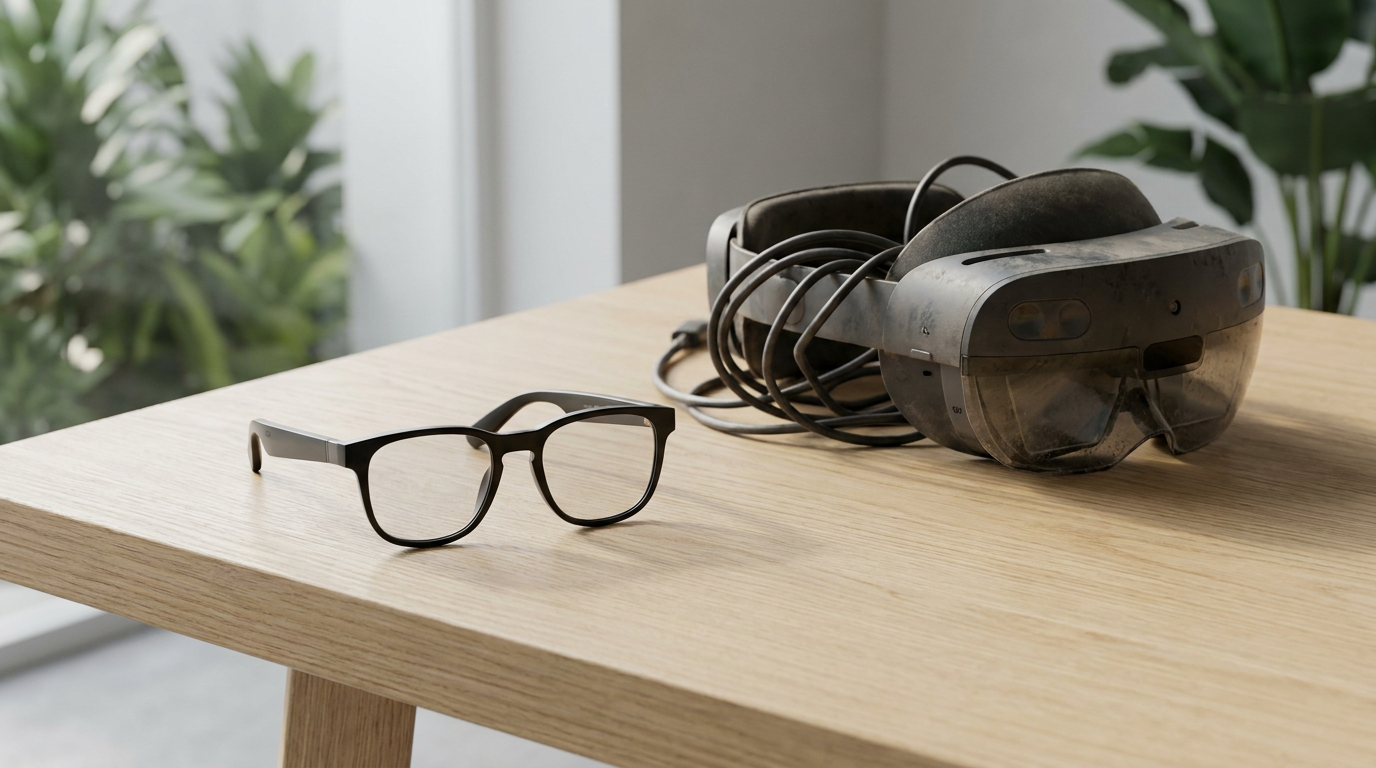
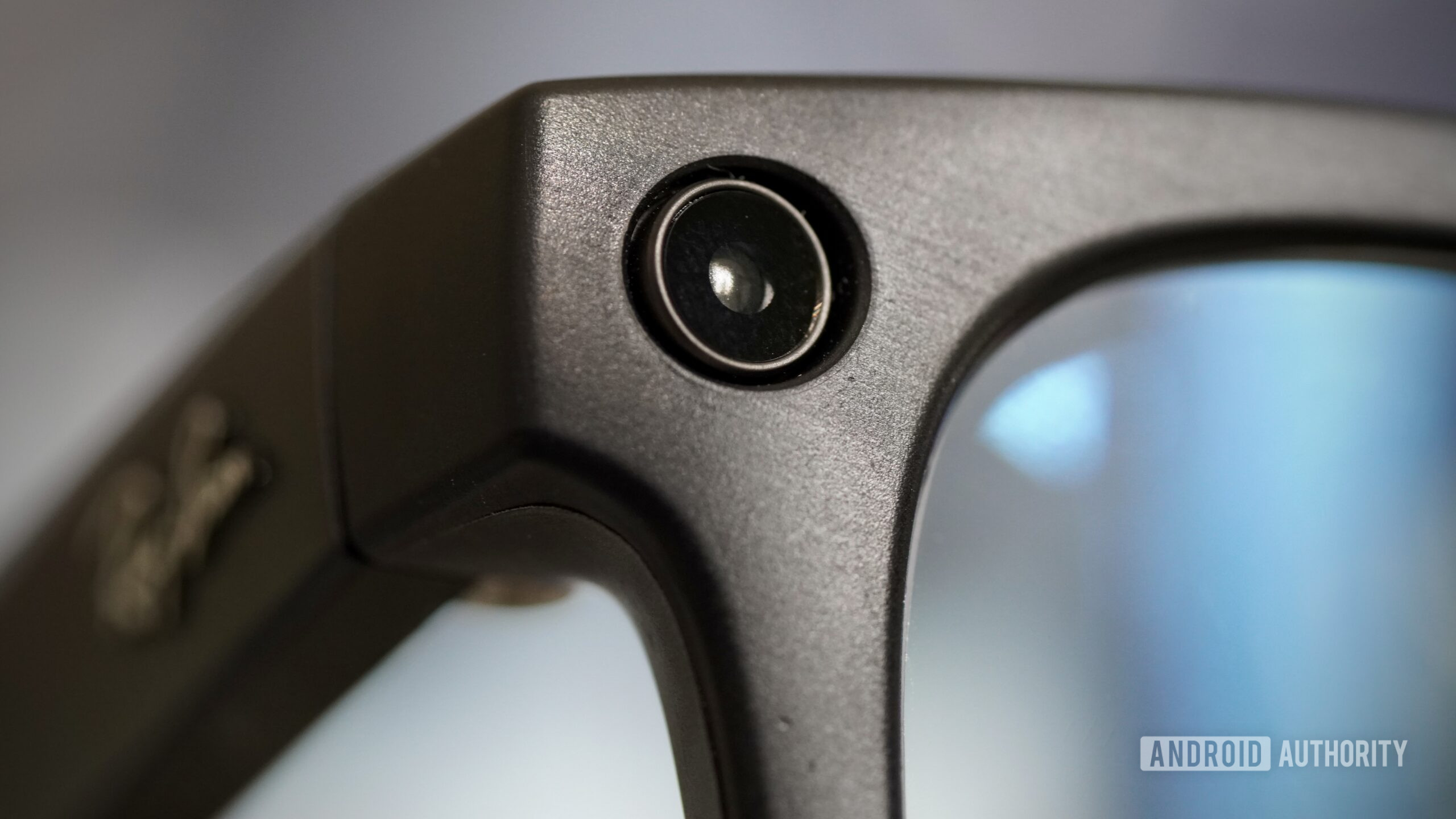
Meanwhile, Apple's broader hardware roadmap has also evolved. As we reported on August 22, 2026, Apple reportedly reduced headcount across its Vision Pro and Siri software teams, signaling a strategic shift towards lightweight smart glasses and advanced AI technologies. Supply chain details have further clarified this pivot. As we reported on November 2, 2026, Apple's smart glasses roadmap points to a 2027 debut with on-device AI, outlining expectations for screenless camera frames running watch-derived silicon, with micro-displays coming later.
## What to watch next
The critical test for Amplium over the coming months will be its transition toward monetization. While Sato noted that early creators prioritize reach and feedback, long-term studio participation relies on revenue. The planned rollout of paid options will reveal whether Vision Pro owners will pay for independent narrative shorts and music experiences outside Apple's subscription ecosystem.
Catalog expansion will also be key. Launching with just over ten free titles was a modest starting point. If Amplium can maintain a steady stream of fresh content from partner studios while keeping the distribution workflow simple, it could become an essential companion app for spatial computing enthusiasts.
Interactive guide: prices, displays, cameras, battery.
Share this story