Smart Glasses Daily

深度分析 · · (English original)

The Slow Burn: Why Meta's Ray-Bans Are Quietly Torching Apple's Vision

Apple built a $3,500 masterpiece of isolation, a spatial computer for the living room. Meta built sunglasses people actually wear, and now it's making them think—a Trojan horse strategy that's winning the real war for our faces.

W. CHEN· Chinese 特派记者·2026年4月19日·5 分钟阅读
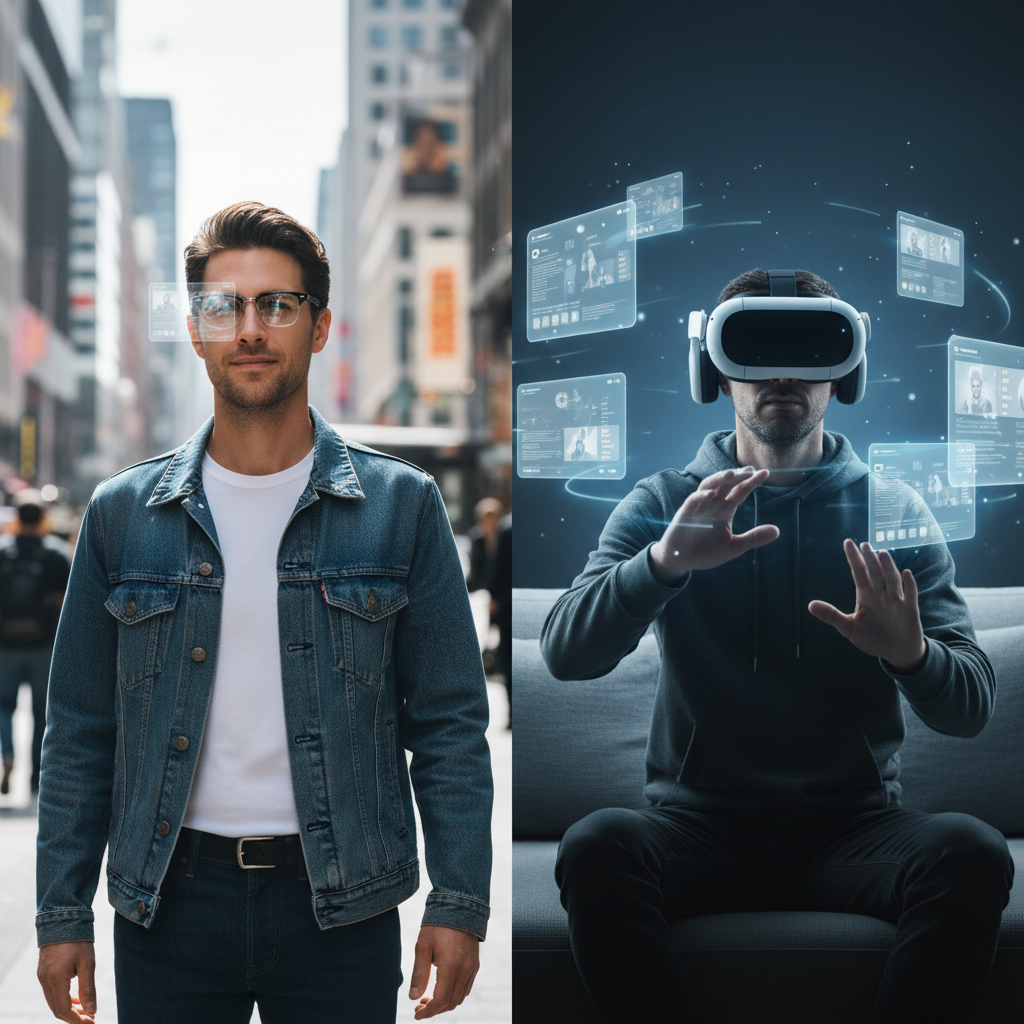
A split-screen image showing a person in public casually wearing Meta Ray-Bans on one side, and another person isolated indoors wearing the bulky Apple Vision Pro.

A split-screen image showing a person in public casually wearing Meta Ray-Bans on one side, and another person isolated indoors wearing the bulky Apple Vision Pro.

Let’s cut the noise. The war for the future of eyewear isn’t a single battle; it’s two entirely different conflicts being fought on separate continents of philosophy. In one camp, you have Apple’s shock-and-awe campaign, a maximalist assault on reality itself with the $3,500 Vision Pro. In the other, you have Meta’s quiet insurgency, a gradualist approach that prioritizes social acceptance and everyday utility with its Ray-Ban collaboration. Only one of these strategies is building a real market, and it’s not the one that came with a battery pack.

The Apple Vision Pro is a staggering work of engineering, a technical marvel that is also a commercial dead end for the mass market. It’s a “spatial computer” that isolates you from the world, a device so complex its software updates are dedicated to teaching it to recognize 3D objects in your house. The problem isn’t the tech; it’s the humanity. Apple has hit the same “wall of reality” that others have, delivering a product too heavy, too expensive, and too socially alienating to ever become a daily driver.

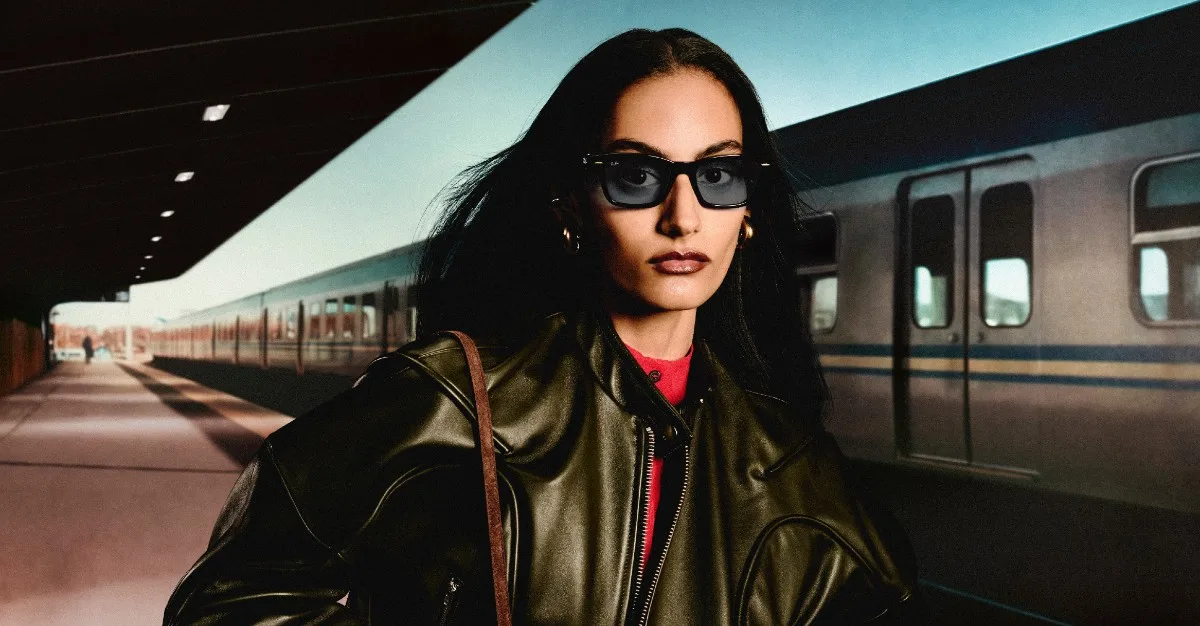
Contrast this with Meta's path. The Ray-Ban smart glasses were a “triumph of industrial design” from day one, succeeding where countless others failed because they looked and felt like a product people already wanted to buy. They are, crucially, the “only connected eyewear people actually wear in public.” Meta established a beachhead not with overwhelming technology, but with impeccable style and a simple, understandable function: a hands-free camera.

This is where the genius of the strategy unfolds. Having won the battle for social acceptance, Meta is now methodically escalating the war. The company is evolving the Ray-Bans from a “fundamentally reactive” gadget into a “proactive co-pilot” for your life. By layering in AI, Meta is transforming a fashion accessory into an indispensable tool, all without changing the socially-approved hardware.

This isn't just a tale of two titans. The entire market is validating Meta’s path, demonstrating what’s been called the “silent comeback of the simple smart glass.” The real momentum isn't with reality-bending headsets but with pragmatic, focused devices. The story happening just outside the spotlight is about solving specific problems, not creating entirely new worlds.

Look no further than the enterprise sector, where Vuzix is finding real success. The company isn’t selling developers a dream of the metaverse; it’s selling warehouse managers a Pick & Pack Validation Program that uses AI-powered smart glasses for hands-free logistics. This is the definition of utility over fantasy, a clear demonstration that businesses will pay for tools that deliver immediate, tangible value, not for speculative platforms.

This pragmatic fracture is cleaving the consumer market in two. TCL’s RayNeo division effectively admits this, forcing customers to choose between the X3 Pro, an AI-powered “supercomputer,” and the Air 3s Pro, a cinematic “super-monitor.” This latter category, the heads-up display, is exploding in China, with companies like Rokid and Alibaba captivating users with immersive virtual screens that serve a single, killer purpose: a private, portable monitor for work or entertainment.

In a move that should send shivers down Cupertino’s spine, Rokid is now taking this logic to its ultimate conclusion. Its new ‘Style’ model is a “display-less” frame, a voice-first AI experience weighing a feather-light 38.5 grams. Rokid is betting that the ultimate interface isn't a screen in your eye but an always-on AI in your ear, prioritizing comfort and battery life above all else. This isn’t just a new product; it’s a categorical validation of Meta’s core insight.

And how is Apple responding to this groundswell of pragmatism? By tacitly admitting its initial strategy was flawed. Recent reports confirm Apple is testing at least four distinct designs for its next-generation smart glasses, all of which are said to resemble traditional eyewear. This isn’t innovation; it’s a panicked retreat to the form factor Meta has already conquered.

In effect, Apple is now playing catch-up, desperately trying to reverse-engineer its technological prowess into a device people won't be embarrassed to wear. After starting with a solution in search of a problem, it is now working backwards toward a human-centric design, a race Meta is already years ahead in. They are now tasked with building the very thing Meta has been selling since 2021.

The landscape is littered with the ghosts of ambitious projects. Even Snap, which has tried to insulate its AR glasses division from corporate turmoil, is defined more by its massive layoffs than its hardware progress. Meta itself was “chastened by its flailing metaverse ambitions,” a painful lesson that forced this successful pivot to the Ray-Bans. A sustainable path to market requires a product people will buy today, not a promise of a revolution tomorrow.

Meta’s approach is a masterclass in Trojan horse strategy. It sold the world a beautiful, empty vessel that happened to have a camera, and is now slowly filling it with an all-seeing, all-knowing AI assistant. Apple, for all its power, built a breathtaking cathedral in the desert that no one wants to visit, while Meta built a simple, stylish house that millions already call home.

每周简报

智能眼镜资讯,每周五直送邮箱。.

每周五清晨一封简报。无废话。一键退订。

我们绝不会分享您的邮箱。

相关文章

夜间大规模输油管道爆炸的空中俯瞰图,火焰和烟雾在乡村地区上空弥漫。

Analysis ·

当网络攻击引发爆炸:2008年震撼安全的管道袭击

2008年,土耳其一条配备了大量传感器和摄像头的1099英里输油管道发生爆炸,但未发出任何求救信号,令调查人员感到困惑。这一事件标志着一个令人不寒而栗的先例,展示了物理基础设施可能被破坏的网络战新时代。

J. MARCHAND·2 min read

Apr 19, 2026

黄昏时分,一个人戴着现代AI智能眼镜,镜片中映出柔和的青色AI助手光芒。

Analysis ·

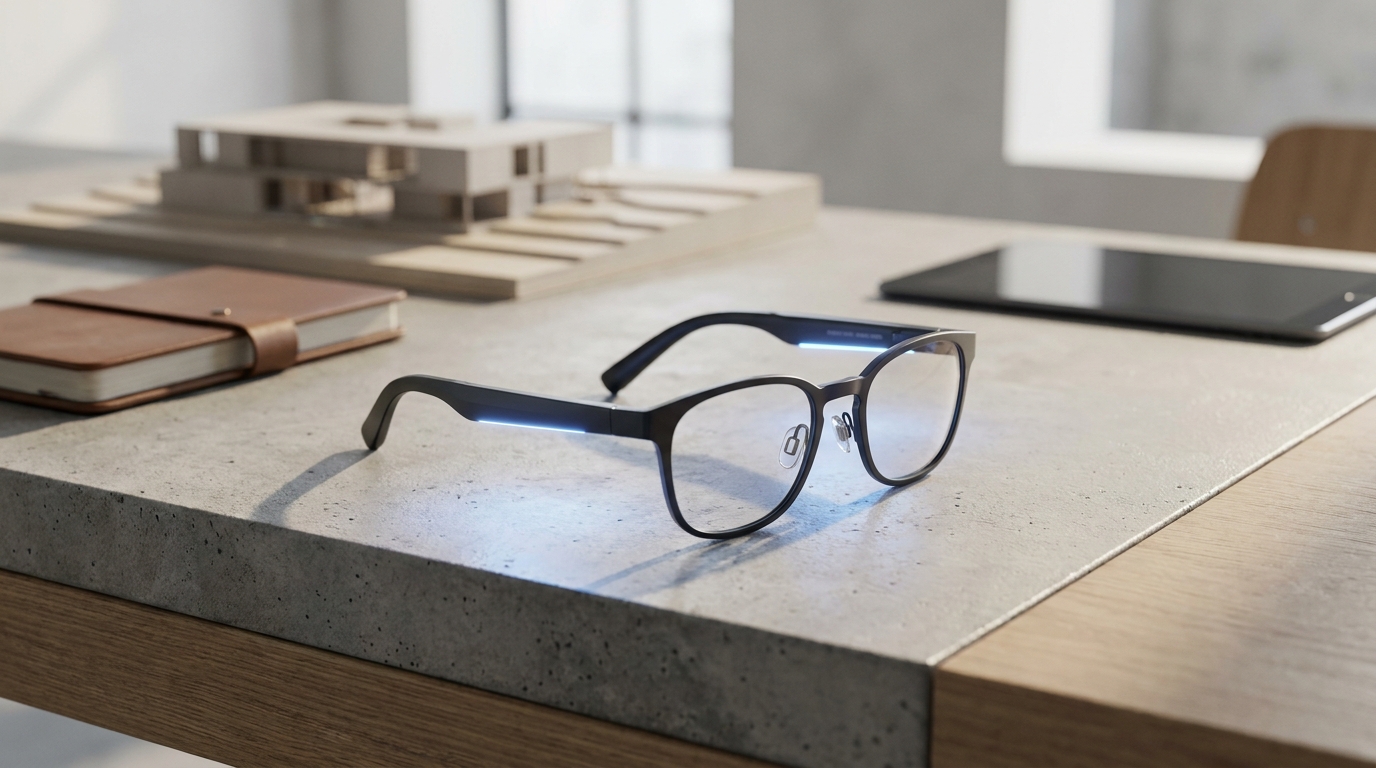
您的下一副眼镜,将不止于看,更将思考。

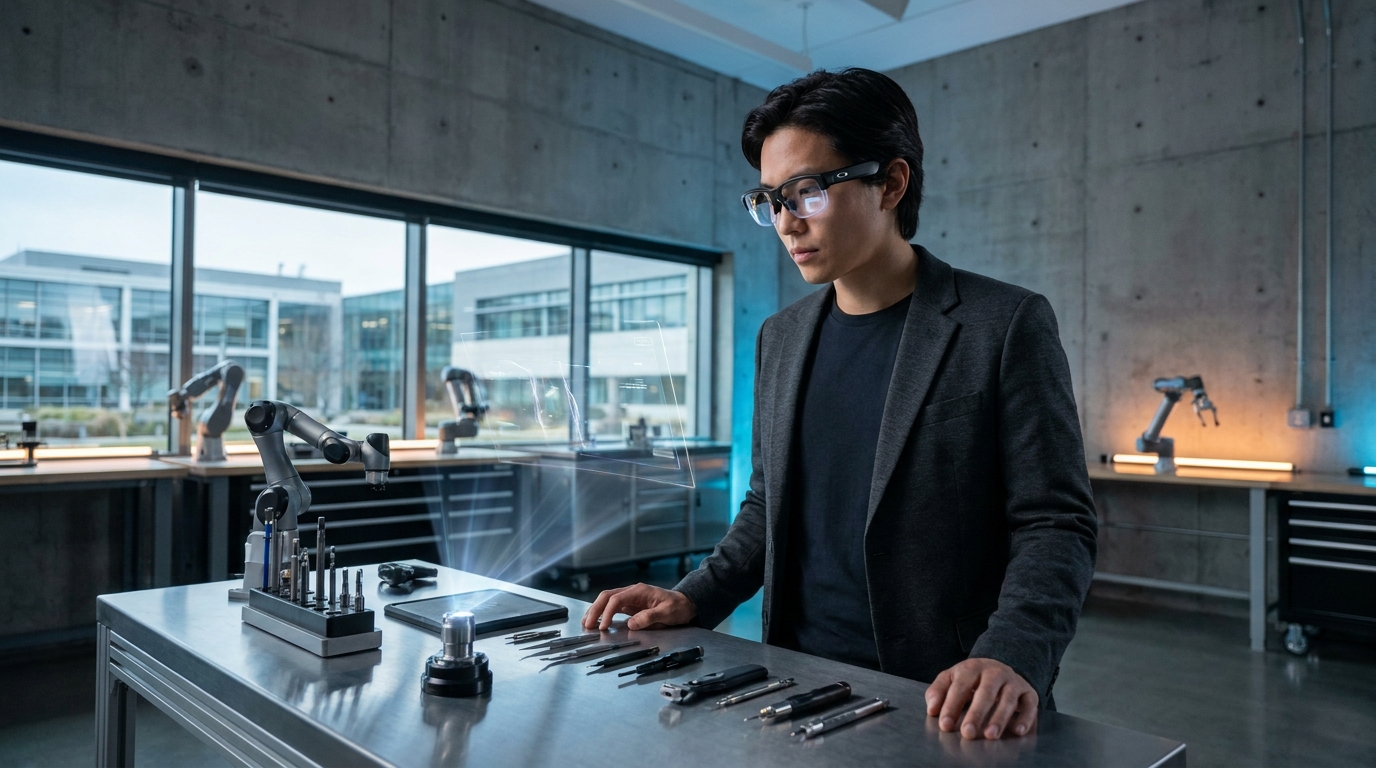
当前市面上的智能眼镜充其量只是脸上的摄像头。但下一代产品即将到来,它们由全天候在线的AI助手驱动,将把眼镜从被动的小玩意儿转变为您生活的主动副驾驶。

M. BELL·5 min read

Apr 18, 2026

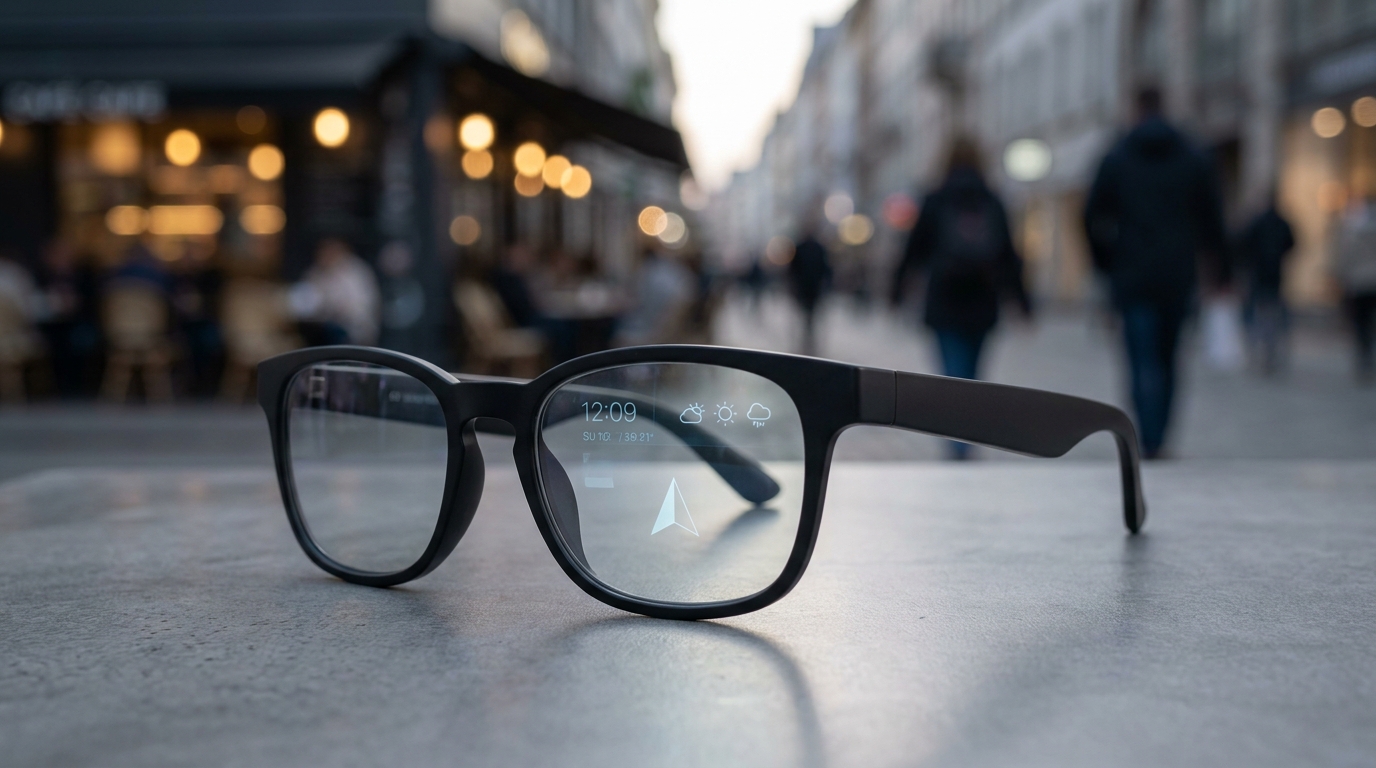
深色核桃木表面上的极简主义HUD智能眼镜,带有微妙的琥珀色HUD反射

Analysis ·

简约智能眼镜的无声回归

当Meta和Apple追逐空间计算的庞大野心时,一类新的极简主义、仅带HUD的眼镜正悄然卷土重来。可穿戴设备的未来可能比科技巨头们所宣扬的更简单、更便宜、更实用。

M. BELL·5 min read

Apr 18, 2026

In the conversation

Most discussed

The pieces driving the loudest debates in spatial computing this week.

Picked for you

Just for you

A curated mix across reviews, news and analysis you might have missed.