Analysis · —
The Silent War: China's AI Glasses Surge vs. America's Ecosystem Play in 2026
While the US chases displays and ecosystems, China's AI giants are quietly integrating their formidable AI directly into eyewear. The 2026 battle for your face isn't just about hardware; it's about intelligence and omnipresence.
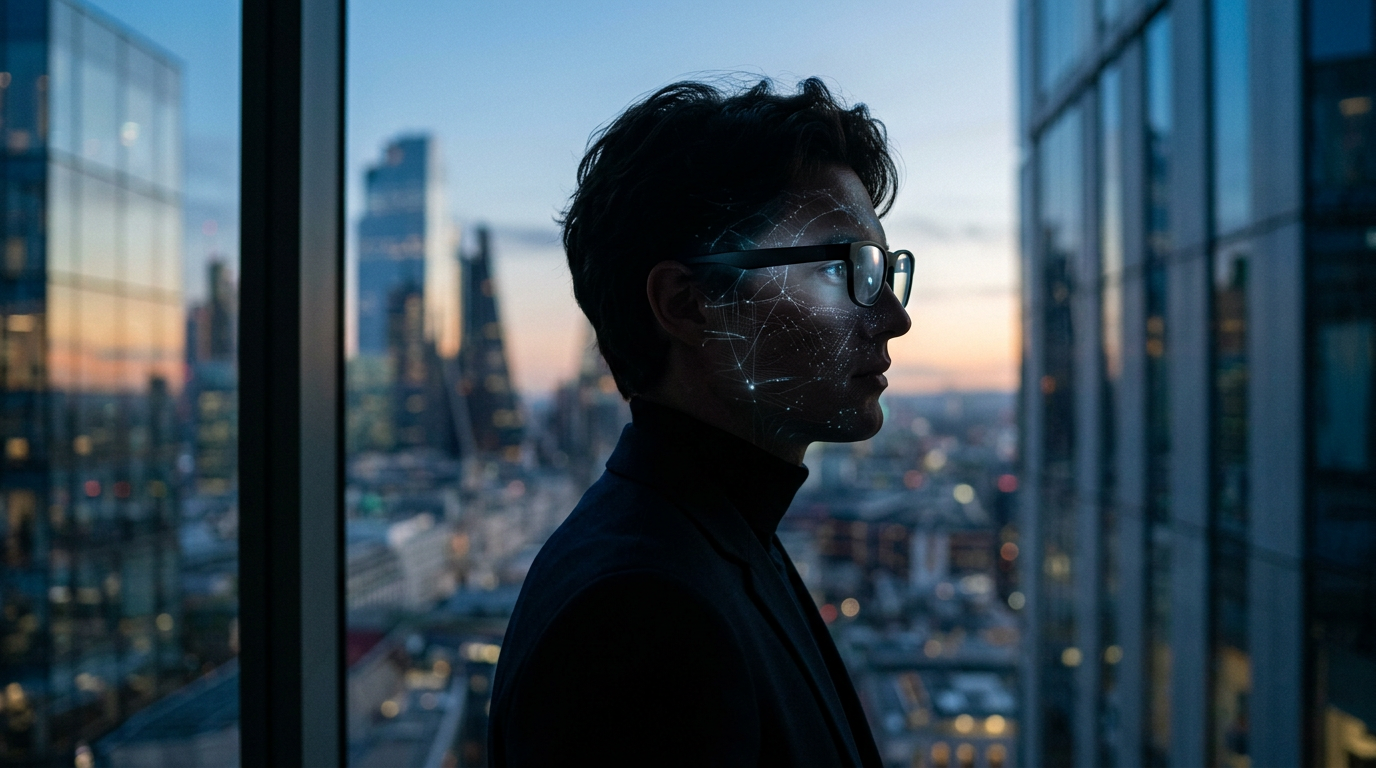
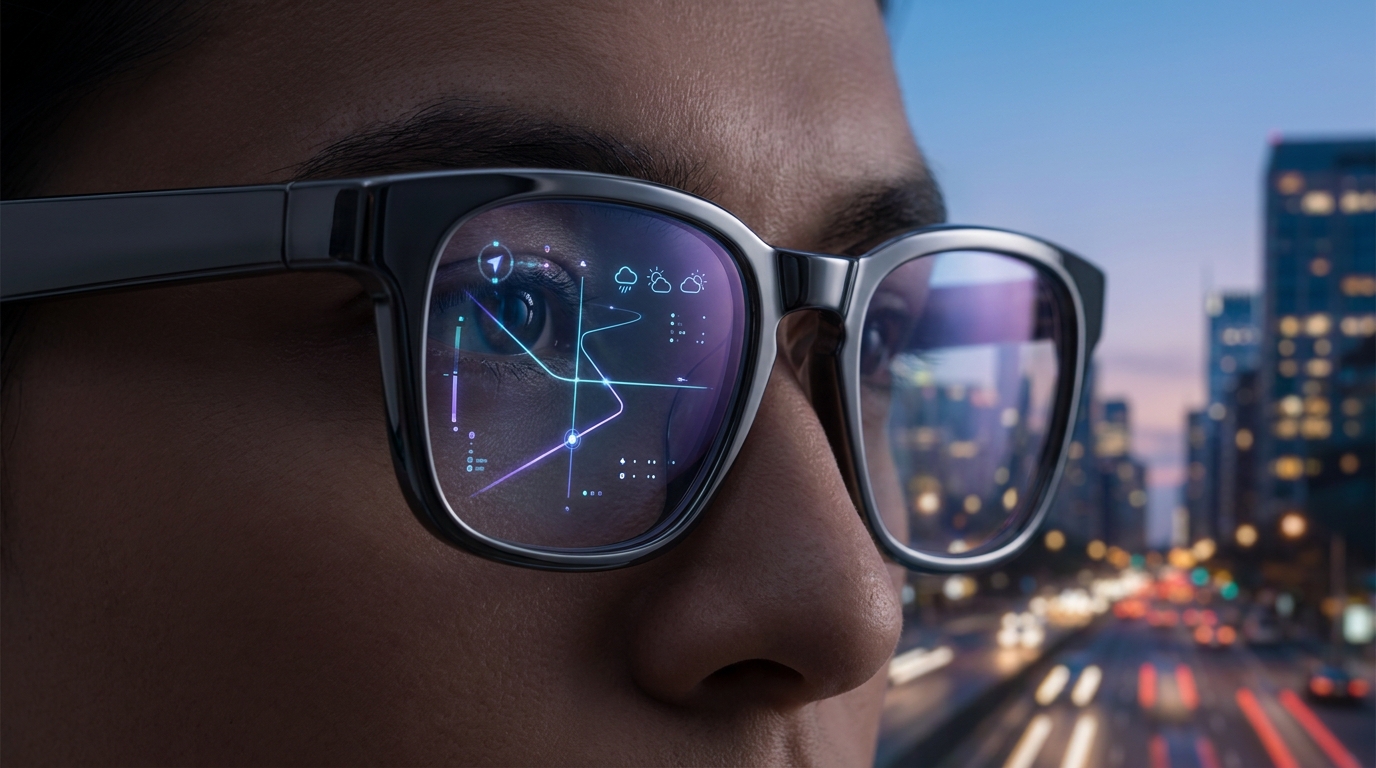
The smart glasses race in 2026 is no longer a sprint; it's a cold war of competing philosophies, with China and the USA taking diametrically opposed approaches. Western companies, particularly giants like Meta and Apple, are still largely fixated on hardware form factors and display technologies, or alternatively, on the ecosystem play. Meanwhile, Chinese powerhouses like Baidu are deploying their core AI directly to the face, prioritizing seamless, AI-first interactions over visual spectacle.
Our recurring thesis at Smart Glasses Daily has been clear: the obsession with AR displays is a dead end. 'The Verge' continues to lament the lack of a killer app, a sentiment increasingly out of touch with where actual innovation is happening. This 'screen obsession' has created an infinite loophole, demanding power that drains batteries and makes ubiquitous, always-on AI impossible. The Viture Beast, crowned by PCMag for its 'immersive display,' exemplifies this lingering focus on visual immersion, rather than the true utility of intelligent eyewear.
Samsung's waveguide smart glasses demo, using eMagin OLED microdisplays, further illustrates this display-centric bias. While showcasing impressive transparent digital overlays, the mock-up conveniently sidesteps the critical design challenges of battery life, weight, and computing power. This highlights a persistent industry blind spot: revolutionary display tech is meaningless if the device can't function for more than a few hours, or if it's too cumbersome to wear all day.
The West's most promising counter-move to the battery problem comes from Apple, not in the form of Vision Pro's spatial computing, but through camera-equipped AirPods and display-less AI glasses. These Apple devices prioritize advanced gesture controls and dual cameras for AI vision, signaling a strategic shift towards lighter, less power-hungry designs. However, 'less power-hungry' is not 'power self-sufficient,' and the fundamental constraint of sustained, on-face AI operation remains Apple's Achilles' heel.
Meta, on the other hand, is leaning hard into the 'AI glasses' moniker, with CEO Mark Zuckerberg predicting that by 2030, most glasses will be AI-powered. Their accelerated investment into Reality Labs and burgeoning sales suggest a commitment to this future, yet their Ray-Ban AI glasses, while normalizing face-worn tech, still struggle with the very 'dead battery' problem we've repeatedly highlighted. The promise of perpetual AI assistance shatters when the device needs a charger every few hours.
Google, through Android XR, offers a different Western strategy: an open, AI-first ecosystem designed to foster innovation beyond proprietary hardware. While this approach positions Google as the operating system for a future generation of smart glasses, it remains to be seen if it will truly sidestep the power issue. The ecosystem play is compelling, but even an open platform needs hardware that can deliver persistent, unobtrusive AI.
Enter Baidu. China's AI giant isn't waiting for a perfect display or a new operating system. With its Xiaodu AI Glasses, Baidu leverages its formidable Ernie AI directly onto the user's face. This isn't about augmented reality; it's about augmenting intelligence. Their approach is simple, yet profound: seamless, AI-powered assistance, delivered discreetly, turning eyewear into a direct conduit for their core competency: artificial intelligence.
The key differentiator is AI integration at a foundational level, not as an add-on feature. Even Realities' G2 smart glasses, with their new 'Terminal Mode' for monitoring AI agents, point to this shift towards direct interaction with pervasive AI. This moves beyond 'killer apps' and into 'killer capabilities,' transforming eyewear into an invisible assistant that enhances cognitive output, freeing users from traditional screens and interaction paradigms.
This Chinese emphasis on integrated, always-on AI, coupled with a willingness to prioritize function over visual flash, presents a significant challenge to the US. While Western companies are still debating 'wearability' and 'killer apps,' Baidu is deploying AI that is genuinely 'always-on,' constantly assisting without the need for constant recharging or visual distraction.
The core problem for both sides remains battery life. The 'Infinite Loophole' of smart eyewear pursuing AI dreams on a dead battery is a universal truth. No matter the sophistication of the AI or the elegance of the design, if the device cannot provide continuous, reliable assistance, its mainstream appeal will be severely limited. This is where the race truly converges.
For 2026, the landscape is clear: America is chasing ecosystems and perfecting AR displays, while Apple strategically deploys display-less AI in devices people already use. China, led by Baidu, is inserting its advanced AI directly into the core functionality of smart glasses. The ultimate winner will be the one who resolves the power dilemma, delivering truly ubiquitous, always-on AI without compromise.
It's a battle not just for market share, but for the fundamental definition of smart glasses. Will they be primarily visual interfaces, or truly intelligent companions? China's direct AI-to-face strategy, free from the West's protracted display obsession, sets a precedent. The implications for seamless, ubiquitous AI are far-reaching, and the world is watching to see who can deliver on the promise of truly intelligent eyewear.
Interactive guide — prices, displays, cameras, battery.
Share this story