Manufacturer News · Apple
Apple's AI Glasses: Gesture Control, No Display - A Strategic Simplicity Play
New intelligence suggests Apple's rumored AI smart glasses will prioritize advanced gesture controls and dual cameras, notably lacking an integrated display. This design choice signals a deliberate move towards a lightweight, less power-hungry device, directly positioning it.
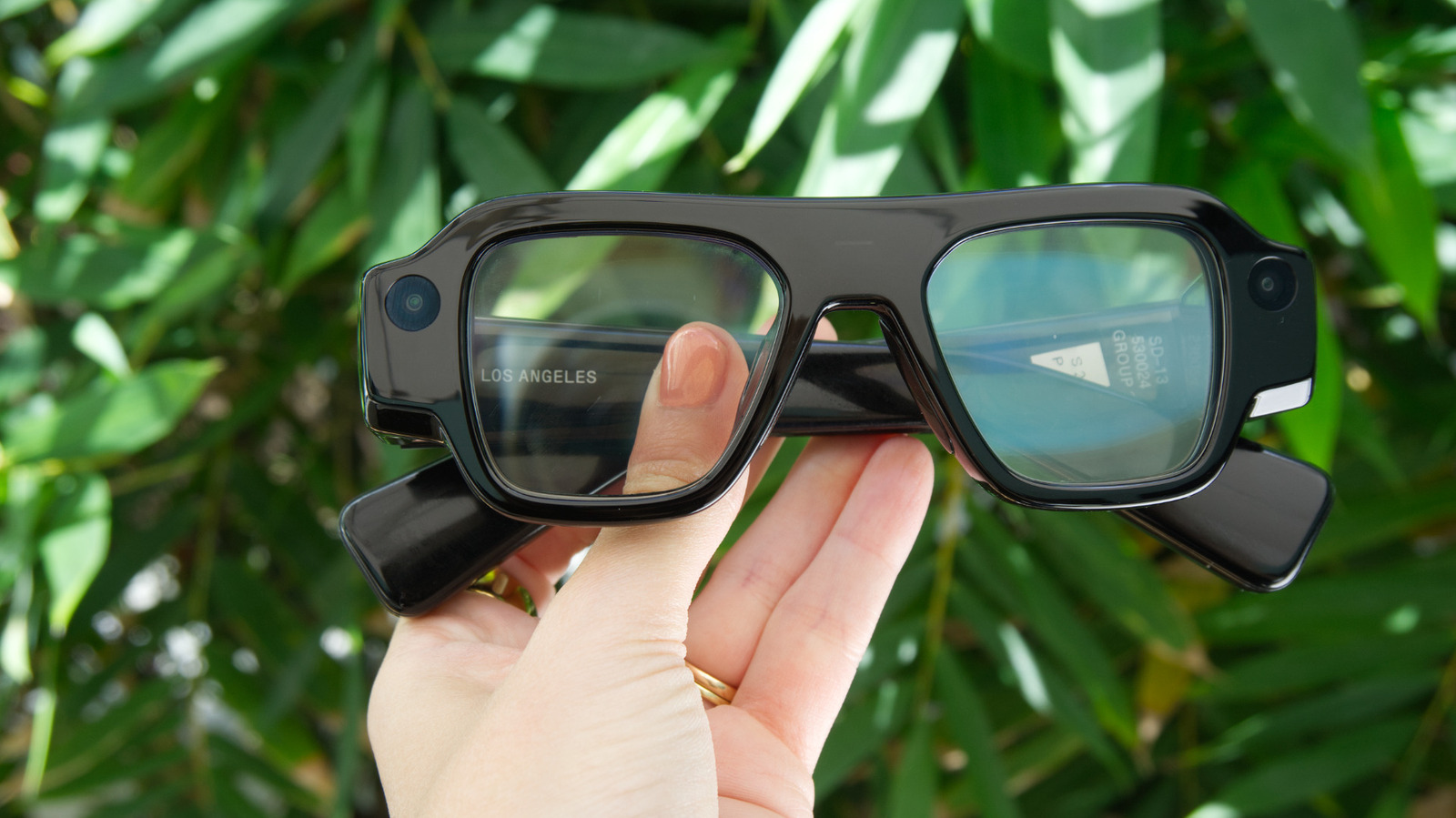
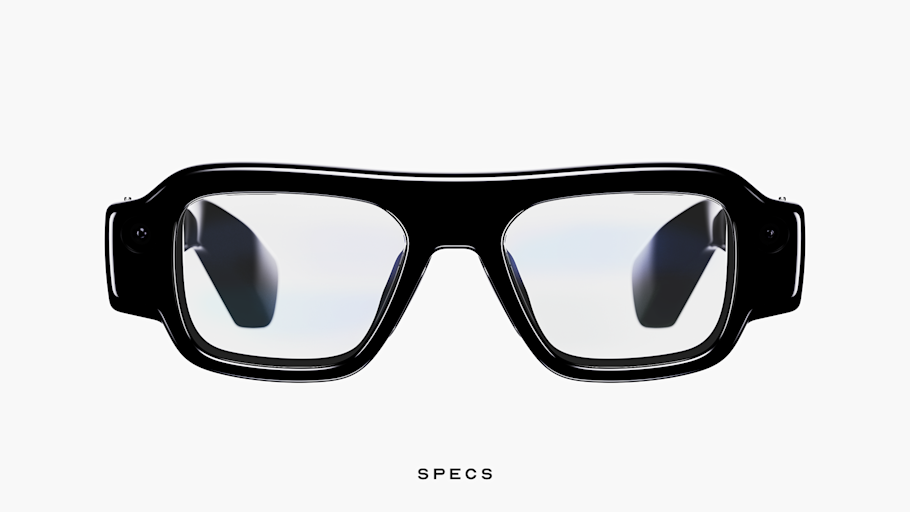
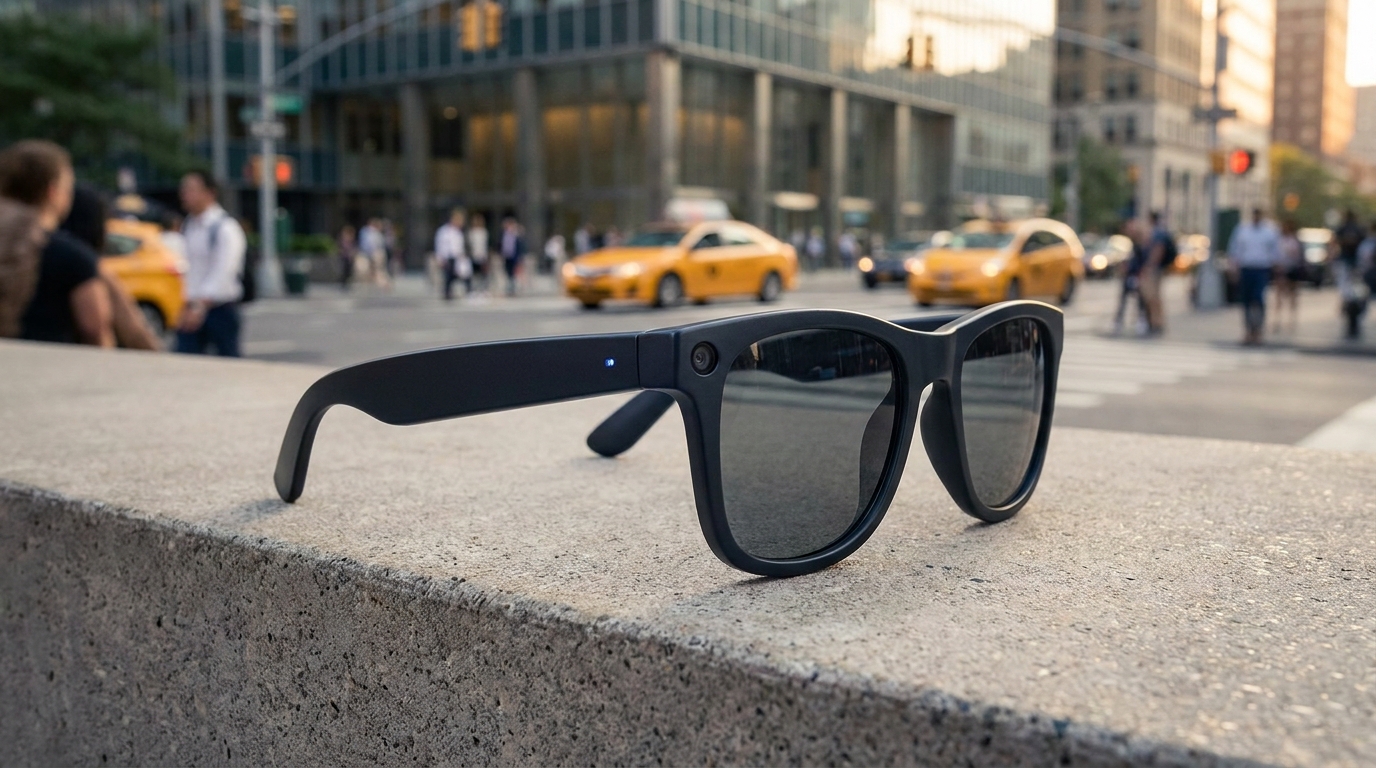
This week, MacRumors reported fresh details regarding Apple's prospective AI smart glasses, indicating a strong focus on gesture-based interactions. The device, aimed squarely at competitors like Meta's Ray-Ban collaboration, is said to integrate two distinct camera systems.
One camera, high-resolution, will capture photos and videos for social sharing, much like a smartphone. Crucially, a second, lower-resolution wide-angle lens is reportedly dedicated to interpreting hand gestures and providing visual context for Siri.
Apple has already implemented hand gesture input in the Vision Pro, and MacRumors notes that similar capabilities are anticipated for future AirPods Pro iterations. This suggests a broader strategic embrace of gesture control, particularly as an intuitive interface where traditional screens are absent.
According to MacRumors, these initial smart glasses will notably forgo an integrated display, LiDAR, and 3D cameras. The rationale is clear: Apple prioritizes a slim, lightweight form factor, and such features are currently too power-intensive. Battery life appears to be the primary constraint guiding these hardware decisions.
Video: Apple on YouTube
The new glasses are also rumored to incorporate the enhanced Siri intelligence expected in iOS 27. This would enable core functionalities such as photography, video recording, call management, and context-aware queries about the user's surroundings - a feature set directly competitive with current Meta Ray-Ban offerings.
Our take: Apple's rumored approach indicates a pragmatic entry into the smart glasses market, sidestepping the complexities and energy demands of a full AR display. By focusing on smart camera features, gesture control, and an advanced Siri, Apple is clearly targeting a more accessible, everyday utility device. This strategy allows them to build user familiarity and refine core AI capabilities before potentially introducing more ambitious display-centric hardware. It's a calculated move to capture a significant segment of the market without overextending current battery and form-factor limitations.
MacRumors further reports Apple is exploring multiple design styles, favoring acetate, a lightweight, flexible, plant-based material. While a preview could come as early as late 2026, with a 2027 launch, an announcement might also be pushed to 2027.
Interactive guide — prices, displays, cameras, battery.
Share this story