Analysis · —
The Ghost in the Machine: Your Glasses Are About to Get an AI Co-pilot
The smart glasses war isn't about cameras or style anymore. It's a brutal race between Meta, Apple, and a host of new challengers to own the always-on AI assistant that will live on your face and mediate your reality.
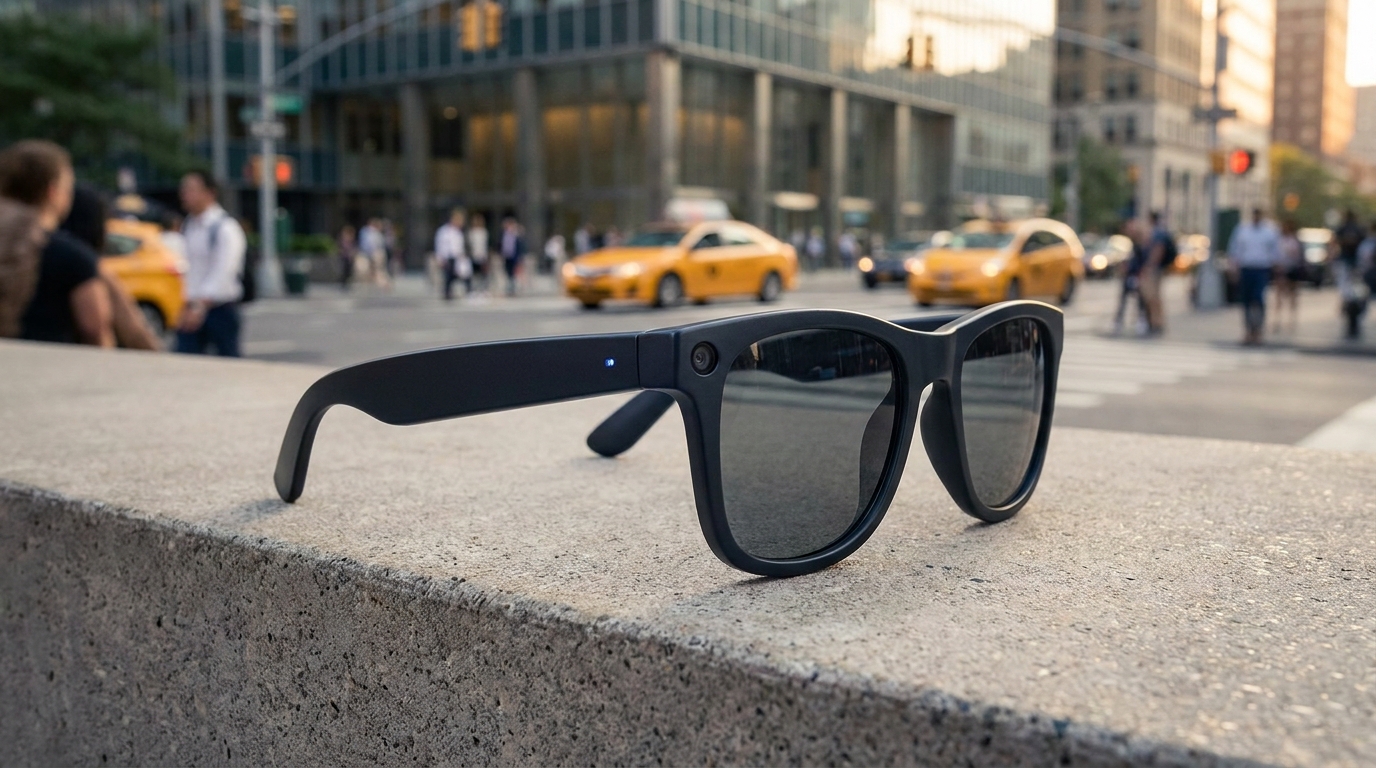
Let’s get one thing straight: the debate over whether people will wear a computer on their face is over. The retail success of the Ray-Ban Meta collaboration proved that if you nail the form factor and partner with a cultural titan, consumers will sign up. The recent introduction of purpose-built prescription models like the Blayzer and Scriber Optics only widens the chasm between Meta and its optically-challenged rivals, finally addressing the 75% of American adults who need vision correction.
But obsessing over the hardware is missing the seismic shift happening right now. The camera and open-ear audio were just the Trojan Horse. The mounting evidence, from Cupertino’s R&D labs to Shenzhen’s factory floors, shows the real war is for the AI that will live inside the frame-a persistent, conversational ghost in the machine.
The most significant tell comes from Apple. According to Bloomberg's Mark Gurman, Cupertino’s long-rumored smart glasses, potentially slated for a late 2026 debut, are being architected as an AI-first device. Forget the complex, full-fledged augmented reality displays; the initial play is reportedly a streamlined affair focused on AI-driven features and seamless Siri integration, functioning as an extension of your iPhone.
This isn't just a cautious first step; it’s a strategic decision to 'pull the rug out' from under Meta by redefining the category. While Meta built momentum with a camera, Apple is betting the killer app isn't what you can record, but what you can ask. The glasses are merely the most intuitive vessel for an always-on AI companion.
This AI-centric strategy isn't exclusive to the giants of Silicon Valley. New, aggressive players are crashing the party and leading with intelligence, not just hardware specs. Huawei’s new HarmonyOS-powered glasses aren’t just a Meta clone with better battery life; they’re a platform for the company’s proprietary LLM, enabling features like real-time translation directly on-device.
Similarly, e-commerce leviathan Alibaba has made a shocking and sudden entry, weaponizing its formidable Qwen LLM. Alibaba isn’t trying to out-design Ray-Ban or out-engineer Apple’s displays. It’s aiming to find a product-market fit for an AI-first wearable before its rivals can even agree on what the market is.
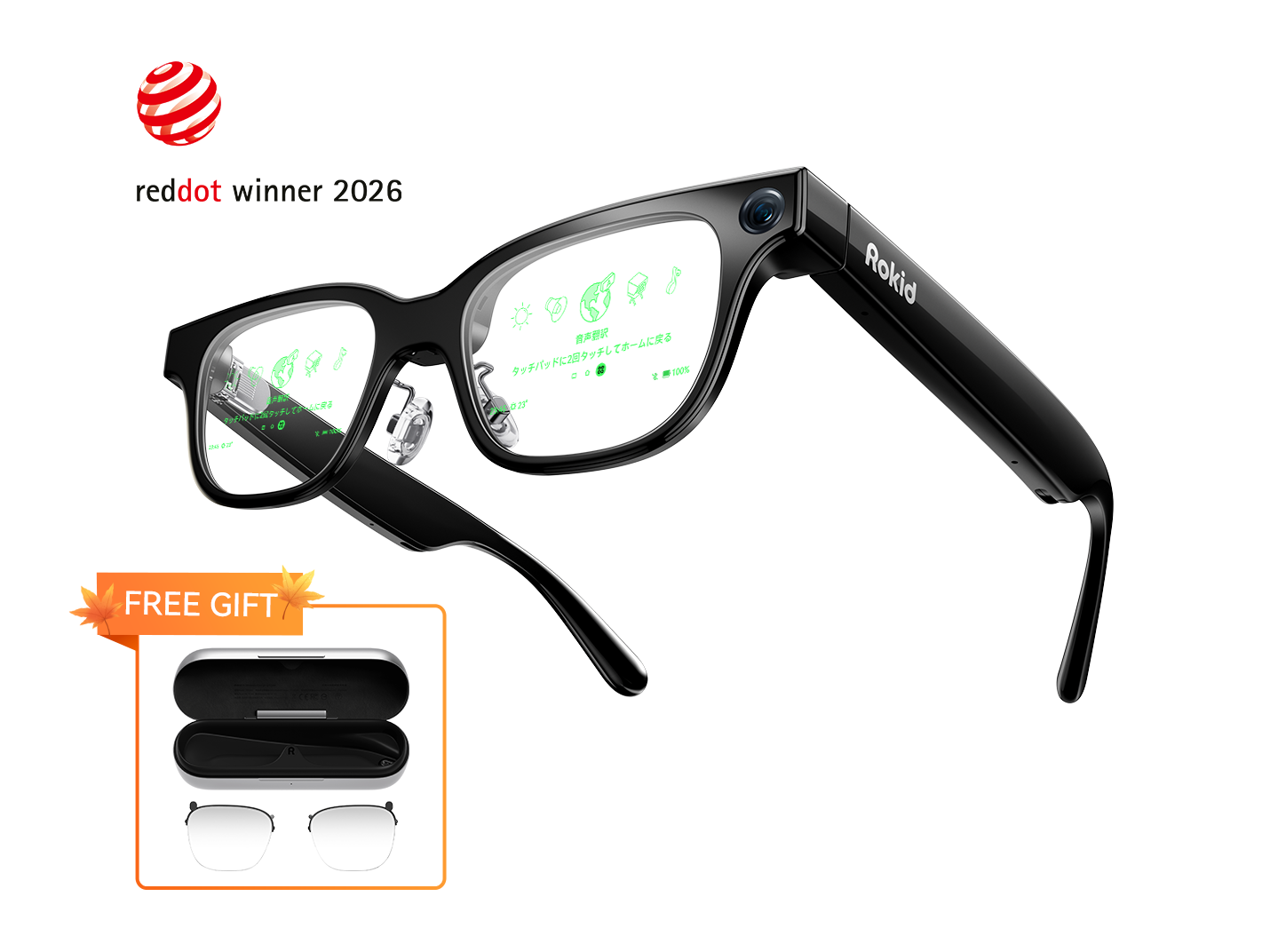
The battle lines are being drawn, and the conflict may not be a simple two-party system. The most surprising data point comes from Rokid, a Chinese firm whose lightweight AI glasses have reportedly outsold Meta’s entire display-equipped category. Their secret weapon isn’t a better chip or a slicker design, but an open ecosystem.
By natively supporting multiple AI assistants-from Google’s Gemini and OpenAI’s ChatGPT to Alibaba’s Qwen-Rokid is betting that users want choice. This directly challenges the walled-garden approach favored by Apple and Google. Why be stuck with Siri if you can have ChatGPT whisper in your ear, all from the same hardware?
This software-first focus puts other hardware strategies in stark relief. Viture’s new 'Beast' XR glasses, with their promises of a 174-inch IMAX experience via dual 1200p Sony Micro-OLEDs, are a marvel of display engineering. But they represent a different, more niche branch of the evolutionary tree: media consumption and productivity for the dedicated few, not a paradigm shift for the masses.
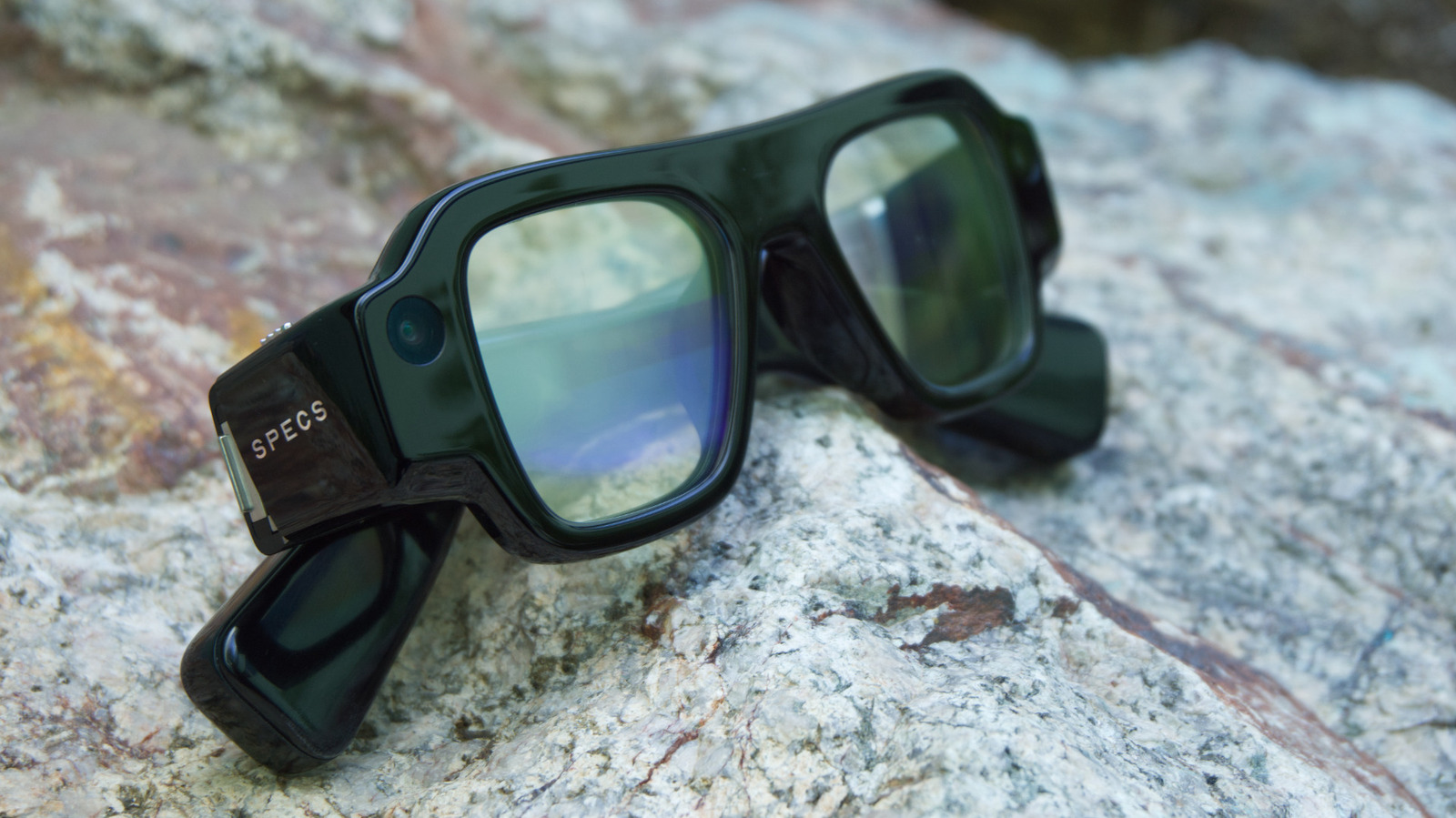
Likewise, Snap's epic eleven-year, three-billion-dollar quest for consumer AR glasses is a testament to long-term vision. But its reliance on true, world-overlay AR is a high-stakes, long-term gamble. The AI assistants from Apple, Meta, and Huawei are a pragmatic, direct path to your wallet, set to arrive years before Snap's AR dream is fully realized.
Of course, a device with an always-on camera, microphone, and AI capable of real-time processing has a dark side. We’re not just talking about privacy faux pas at a dinner party. We’re talking about state-level surveillance tools like the reported 'ICE Glasses' being developed by the Department of Homeland Security, designed to use biometrics for real-time identification.
These devices represent the dystopian manifestation of the very technology we're so eager to put on our faces. The ghost in the machine that translates a menu in Paris is built on the same foundation as one that can identify a citizen from a distance. The convenience of an AI co-pilot comes with the inherent risk of an ever-watchful observer.
As this new phase of wearable computing arrives, the purchasing decision will fundamentally change. We won’t just be choosing a frame style or a brand. We’ll be choosing our ghost, the intelligence that will mediate, augment, and interpret our daily existence. The war for your face is, and always has been, a war for your perception.
Interactive guide — prices, displays, cameras, battery.
Share this story