News · Snap
Snap's $3 Billion AR Glasses Bet Nears Consumer Launch
After 11 years and a Qualcomm partnership, Snap's Spectacles are finally headed to retail shelves in 2026.

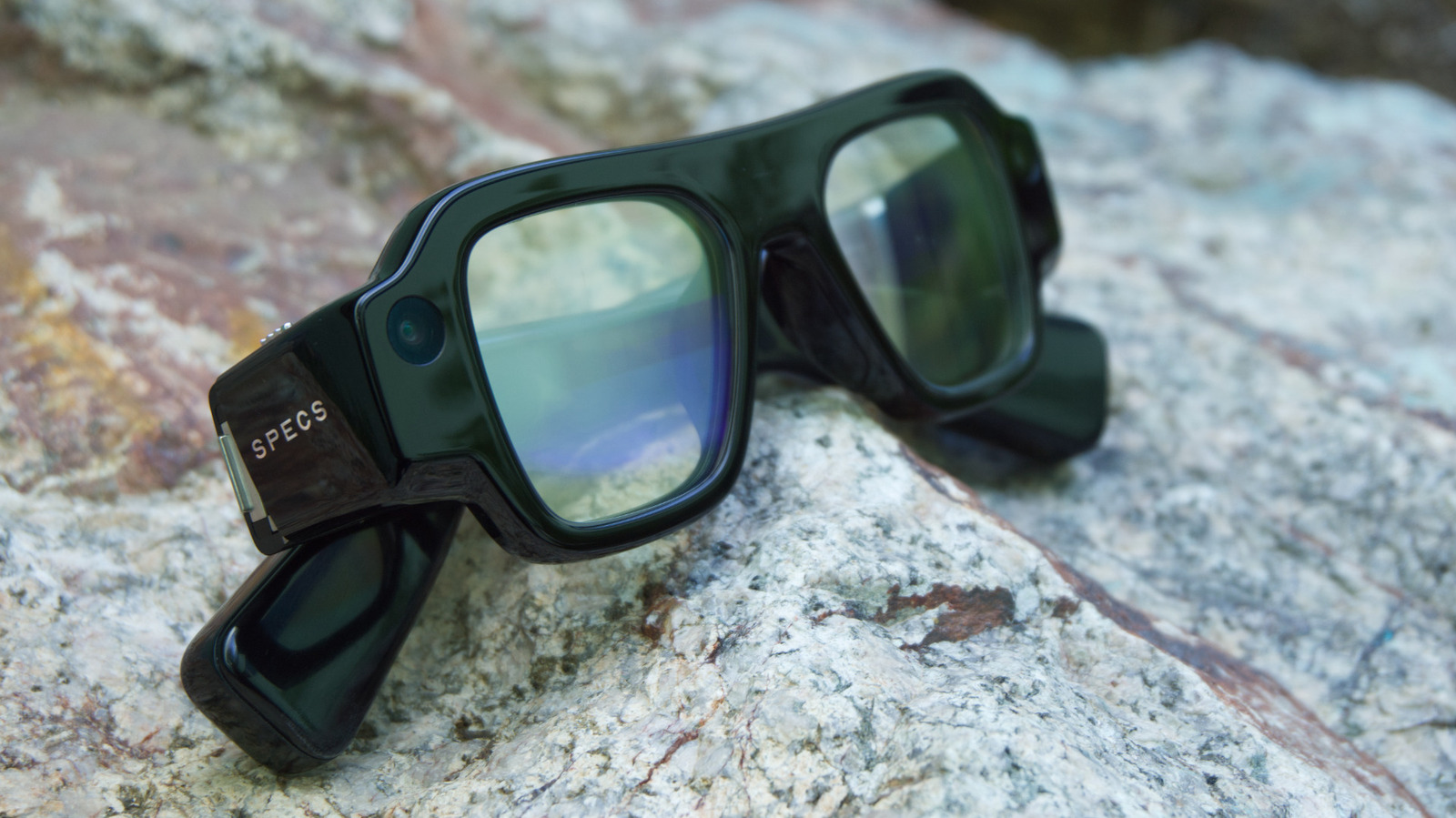
Snap is preparing to bring its augmented reality glasses to consumers after investing $3 billion over 11 years in the technology, according to a detailed report by SaaS Sentinel. The company has formed a standalone Specs subsidiary and signed a multi-year deal with Qualcomm to power the devices with Snapdragon XR chips.
The financial commitment is staggering for a company of Snap's size. Three billion dollars in R&D spending on AR hardware - a category that has humbled far larger companies including Google, Intel, and Magic Leap - represents a high-stakes gamble on a future where lightweight AR glasses become an everyday accessory.
The Qualcomm partnership is a strategic signal. Snapdragon XR processors are purpose-built for the thermal and power constraints of head-worn devices, and Qualcomm's silicon already underpins Meta's Quest headsets and several enterprise AR platforms. By aligning with an established chipmaker rather than designing custom silicon, Snap is prioritizing time-to-market over vertical integration.
Snap's Q4 2025 financials provide some context for the bet. The company reported revenue of $1.72 billion for the quarter, beating analyst expectations. That gives Snap financial runway, but also raises the stakes: investors will want to see the AR hardware strategy produce returns.
The consumer launch planned for 2026 will test whether Snap's social media DNA translates into a compelling hardware experience. Previous developer-focused Spectacles iterations demonstrated impressive technology but remained niche products with limited practical utility beyond AR development.
The timing could work in Snap's favor. Consumer awareness of smart glasses has never been higher, driven by Meta's Ray-Ban success and Apple's continued teasing of its own AR eyewear strategy. If Snap can deliver a sub-$500 device with genuine AR overlay capabilities, it would occupy a unique position between Meta's camera-first approach and the full AR headsets from companies like Magic Leap and XREAL.
Interactive guide — prices, displays, cameras, battery.
Share this story