Analysis · —
Homeland Security's "ICE Glasses": A New Era of Surveillance Concerns
The Department of Homeland Security is reportedly developing smart glasses for federal agents, designed to identify individuals in real-time using biometric data. This technology raises significant privacy concerns for all Americans, not just the intended targets.

Department of Homeland Security (DHS) budget documents reveal the agency is developing specialized smart glasses to allow federal agents to automatically identify "illegal aliens" from a distance, according to The Intercept. Dubbed "ICE Glasses," these devices would process extensive biometric data, including facial recognition and walking gait, for real-time identification.
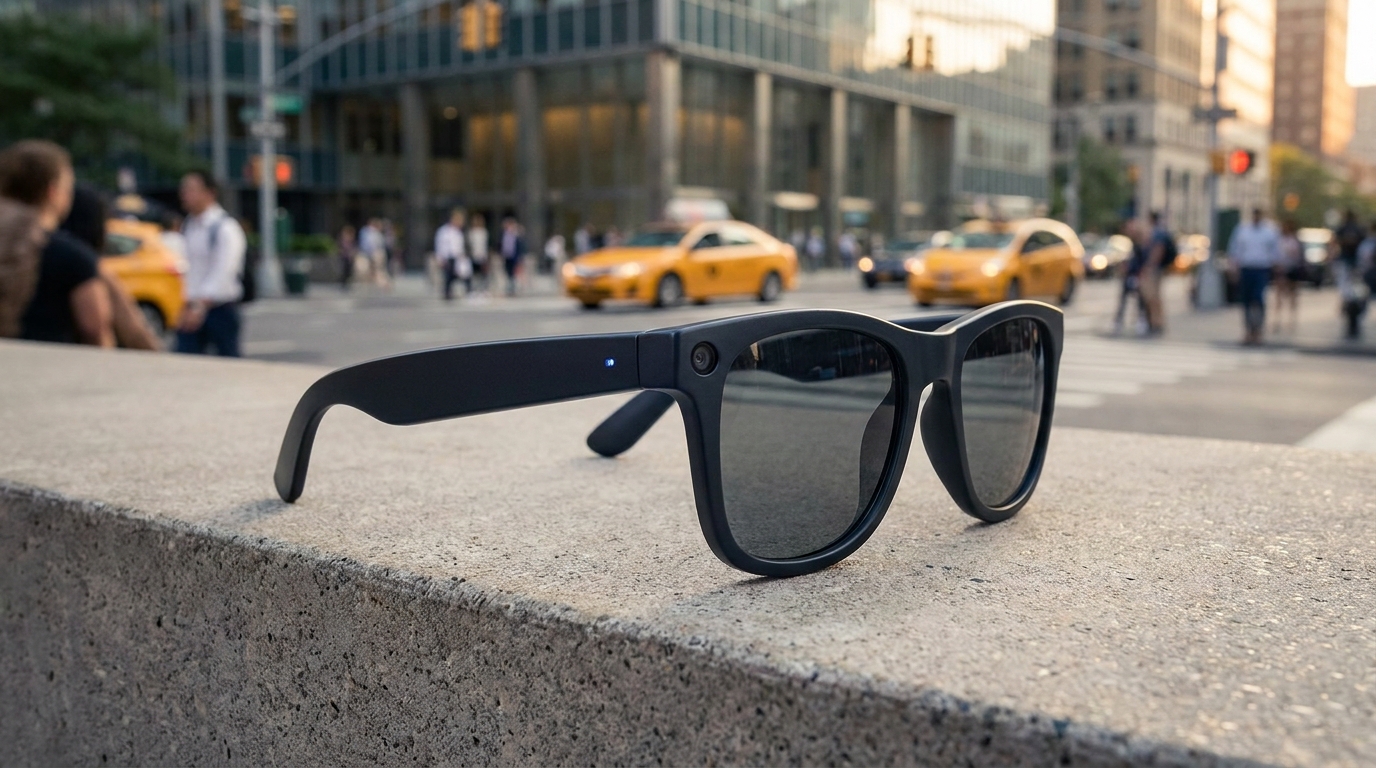
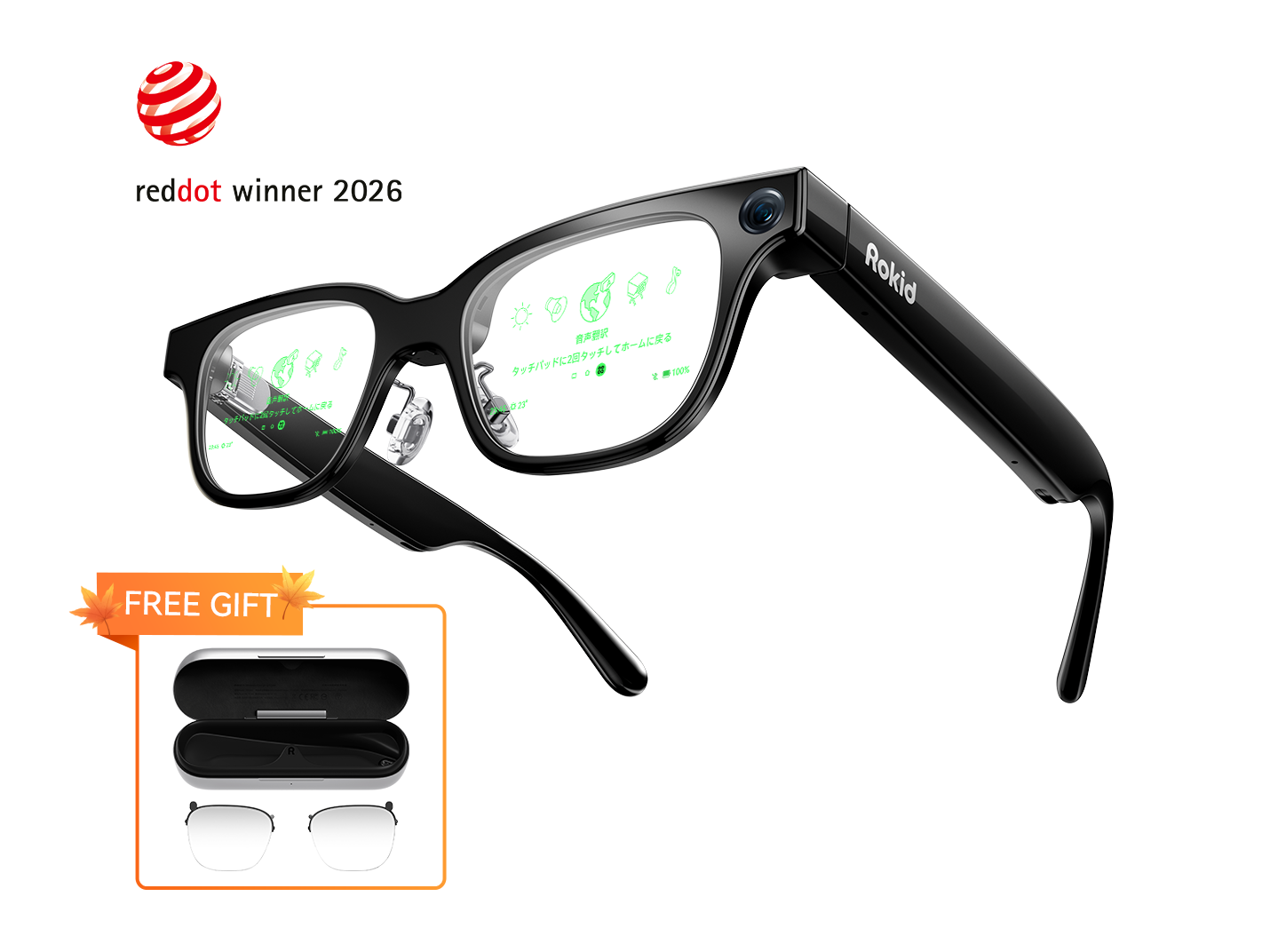
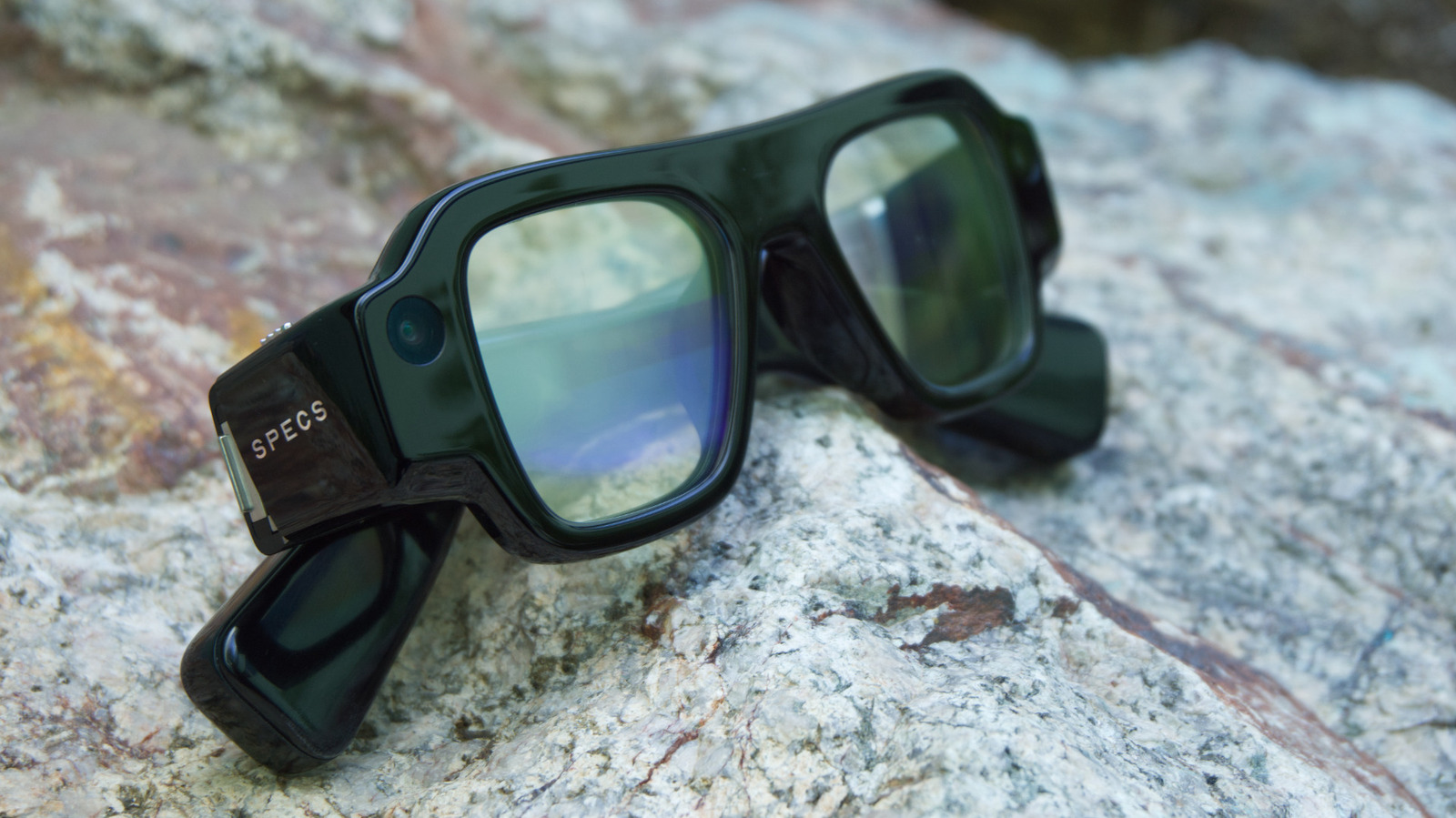
These smart glasses build on existing technology that offers video recording and heads-up data displays. The Intercept reports that the project aims to deliver "innovative hardware" to provide agents with "real-time access to information and biometric identification capabilities in the field."
A DHS attorney, speaking anonymously to Ken Klippenstein - smart glasses, indicated that while the immediate focus may be immigration enforcement, the underlying technology has broader implications. They noted, "It might be portrayed as seeking to identify illegal aliens on the streets, but the reality is that a push in this direction affects all Americans, particularly protestors." This suggests the technology's potential for general government surveillance.
Our take: The prospect of law enforcement using advanced smart glasses for pervasive surveillance is deeply troubling. Commercial smart glasses have already faced backlash over privacy concerns, as exemplified by the "Glasshole" moniker for early Google Glass users. The development of ICE Glasses elevates these issues dramatically. The ability to covertly record and identify individuals, potentially adding them to watchlists, represents a significant erosion of personal privacy and expands the scope of government oversight on an unprecedented scale. This move could fundamentally reshape the relationship between citizens and the state, prompting urgent questions about oversight, transparency, and civil liberties in the age of spatial computing.
Interactive guide — prices, displays, cameras, battery.
Share this story