Ratgeber · BlackSheep· Deutsch — auto
BlackSheep's Smart-Glasses-Strategie: Demokratisierung von AI, Preis-Disruption
Ein neuer chinesischer Akteur mischt den AI-Brillenmarkt mit einem Gerät unter 65 US-Dollar auf. Smart Glasses Daily analysiert BlackSheeps kühne Strategie und was sie für die Branche bedeutet.
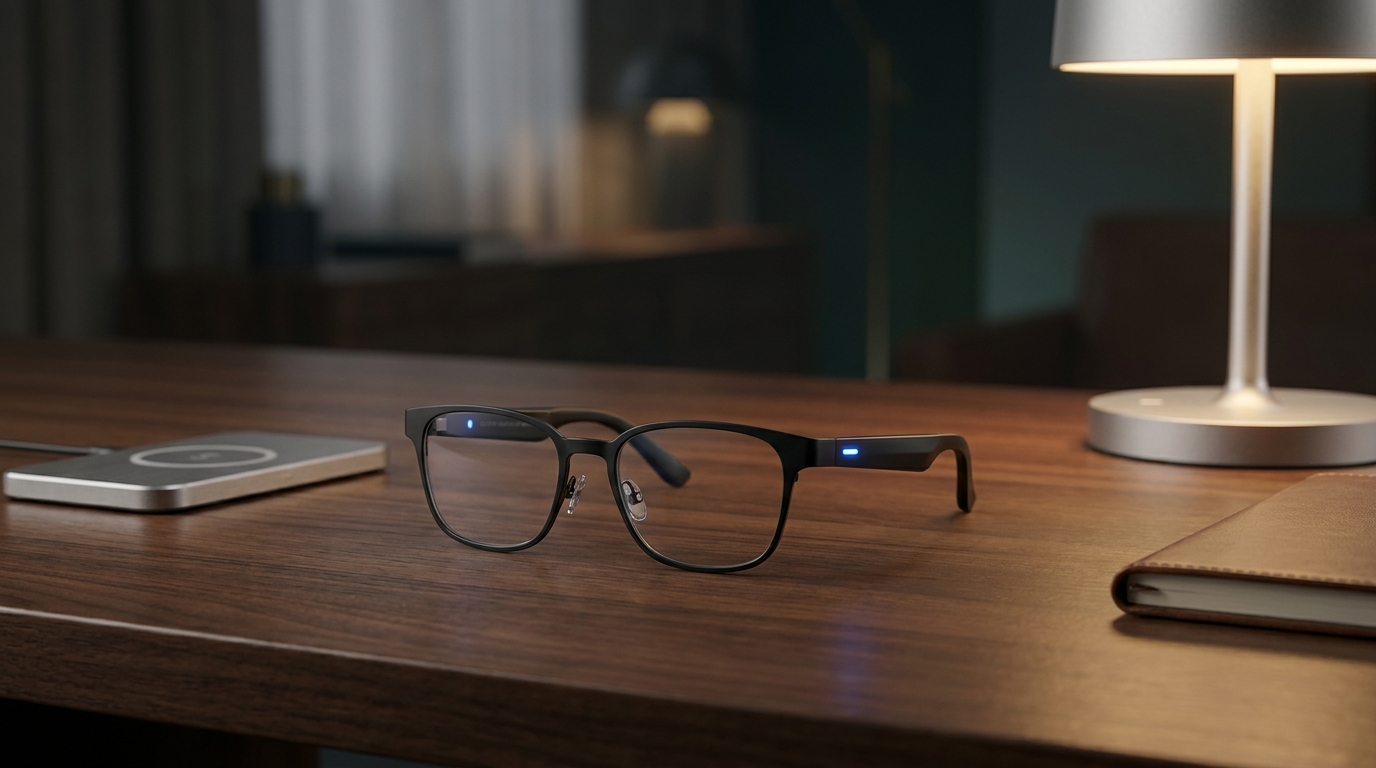
Die Landschaft der Smart-Glasses blieb trotz all ihrer futuristischen Versprechen weitgehend ein Premium-Spielfeld. Bis jetzt. BlackSheep, ein Name, der auf der globalen Tech-Bühne bisher unbekannt war, hat mit der AG18 Smart AI Glasses, die zu einem erstaunlichen Preis von 64,95 US-Dollar angeboten wird, die Party gestürmt. Das ist nicht nur aggressive Preisgestaltung, es ist eine Kriegserklärung an konventionelle Markteintrittsstrategien.
Dieser Schritt stellt die gängige Annahme, dass fortschrittliche Brillen ein Premium-Preisschild tragen müssen, grundlegend in Frage und macht die AI-Interaktion sofort einem dramatisch breiteren Publikum zugänglich. BlackSheep bringt nicht nur ein Produkt auf den Markt, sie initiieren einen Paradigmenwechsel in der Preisgestaltung, der jeden großen Akteur, von Meta bis zu zukünftigen Wettbewerbern, dazu zwingen könnte, seine Kostenstrukturen neu zu bewerten.
BlackSheep entstammt einem etablierten chinesischen Brillenhersteller-Hintergrund, obwohl ihr Schritt in das Smart-Glasses-Segment völlig neu ist. Sie sind ein neues Gesicht auf unserem Radar, aber ihre Produktionskapazitäten und Kosteneffizienzen sind eindeutig kampferprobt. Ihre Strategie ist kristallklar: das Ultra-Low-Cost-Segment anzusprechen und Smart Glasses zu einem Impulskauf statt einer bedeutenden Investition zu machen.
Dieser Markteintritt ist nicht zufällig, er nutzt die reifenden Lieferketten für Miniaturelektronik und AI-Chipsätze, kombiniert mit einem Markt, der zwar wächst, aber seinen wahren Massenmarkt-Fuß noch nicht gefunden hat. Indem BlackSheep die High-End-Funktionen und das Markenprestige etablierter Akteure umgeht, zielt das Unternehmen darauf ab, Nutzer zu gewinnen, die einfach neugierig auf die AI-Interaktion durch einen tragbaren Formfaktor sind, ohne die finanzielle Eintrittsbarriere.
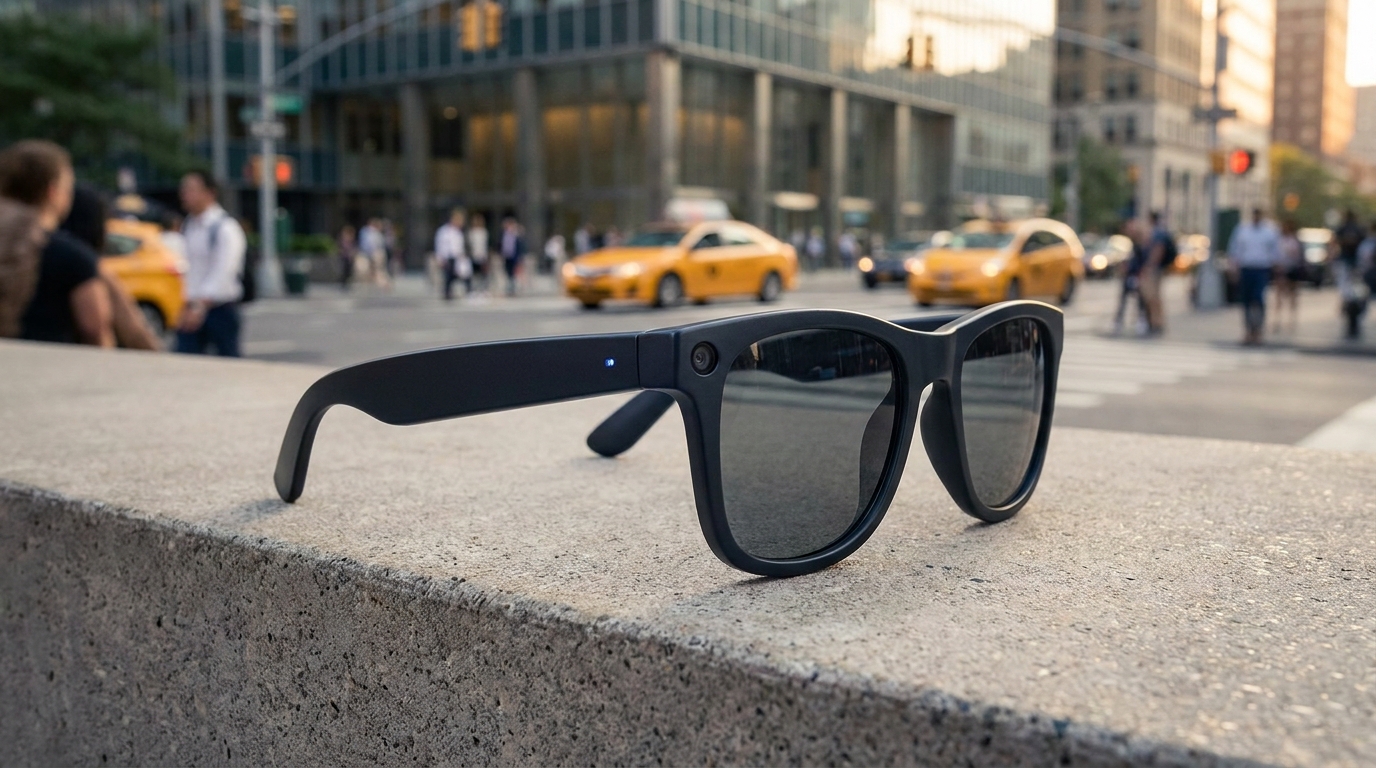
Der Kern des BlackSheep-Angebots ist die AG18 Smart AI Glasses. Mit einem Preis von nur 64,95 US-Dollar sind diese Brillen für preisbewusste Early Adopter konzipiert. Sie verfügen über einen robusten TR90-Rahmen, der eine traditionelle Brillenästhetik beibehält, was für die Alltagstauglichkeit entscheidend ist. Dies ist kein klobiges Stück Technologie, es ist darauf ausgelegt, sich unauffällig einzufügen.
Im Inneren verfügt die AG18 über zwei 8-Megapixel-Kameras, eine überraschende Ausstattung zu diesem Preis, die Funktionen wie Echtzeit-Übersetzung und Bilderkennung ermöglicht. Sprachassistentenfunktionen werden über die proprietäre HeyCyan App abgewickelt, die als zentrale Schnittstelle für AI-Interaktionen dient. Das Gerät wird von einem 410 mAh Akku angetrieben, der eine beworbene kontinuierliche Nutzung von 3 Stunden liefert, obwohl die gemischte Nutzung in der Praxis 2-4 Stunden nahelegt, was für dieses Segment respektabel ist.
Obwohl spezifische Details zur internen Verarbeitungsleistung oder Display-Technologie (da es keine besitzt) knapp bleiben, liegt der Schwerpunkt eindeutig auf grundlegender AI-Nützlichkeit. Bei der AG18 geht es nicht um Augmented Reality Overlays oder immersive Erlebnisse, es geht darum, jederzeit verfügbare AI-Unterstützung so nahtlos und unauffällig wie das Tragen einer Brille zu gestalten. Es ist ein pragmatischer, schnörkelloser Ansatz für tragbare Intelligenz.
Ein Vergleich der BlackSheep AG18 mit etablierten Marktteilnehmern zeigt ihre klare Positionierung. Im Gegensatz zu Mentra, einer Open-Source-Plattform für Entwickler und Modder, ist BlackSheep ein voll ausgereiftes, konsumentenfertiges Produkt mit einem definierten, wenn auch geschlossenen, AI-Ökosystem in HeyCyan. Mentra bietet Flexibilität, BlackSheep bietet unmittelbaren, zugänglichen Nutzen für die Massen.
Der direkteste Vergleich ist jedoch mit Metas Ray-Ban Meta und Oakley Meta HSTN. Metas Angebote sind Premium-Produkte, die etablierte Modemarken, eine tiefere Meta AI-Integration, überlegene Audioqualität und wahrscheinlich eine robustere Verarbeitungsqualität nutzen, zu einem Preis, der ein Vielfaches der AG18 beträgt. BlackSheep konkurriert nicht in Bezug auf Markenprestige oder fortgeschrittene Funktionen wie Livestreaming in sozialen Medien. Stattdessen unterbietet es Meta dramatisch im Preis und bietet eine grundlegende AI-Brillen-Erfahrung zu einem Bruchteil der Kosten, womit es Metas wahrgenommenen Wert für grundlegende AI-Funktionen herausfordert.
Vitures Pro XR und Luma Pro Spatial Display Brillen besetzen ein völlig anderes Segment, das sich auf immersives visuelles Computing und Extended Reality konzentriert. Es sind displayzentrierte Geräte, die für Unterhaltung und Produktivität konzipiert sind. BlackSheeps AG18 hingegen ist ein displayloses Gerät, das sich ausschließlich auf die audiovisuelle AI-Interaktion konzentriert. Die Kernunterscheidung ist fundamental: BlackSheep ist ein AI-Begleiter, Viture ist ein tragbarer Bildschirm.
Das Urteil von SGD zu BlackSheep ist klar: Dies ist ein Game-Changer für die Zugänglichkeit, wenn auch nicht für bahnbrechende Innovation. Die AG18 ist für Neugierige, Preisbewusste und vielleicht auch für diejenigen, die eine zweite, weniger kostbare AI-Brille suchen. Ihre Stärken sind unbestreitbar der Preis und ihre Fähigkeit, grundlegende AI-Funktionen wie Übersetzung und Bilderkennung in einem unauffälligen Formfaktor zu liefern.
Zu den Schwächen gehören jedoch die unbekannte langfristige Software-Unterstützung für das HeyCyan-Ökosystem, potenzielle Kompromisse bei der Verarbeitungsqualität zu diesem Preis und die inhärenten Datenschutzbedenken, die stets mit günstigen, ständig aktiven Kameras einhergehen. Was wir in den nächsten 12 Monaten beobachten werden, ist BlackSheeps Fähigkeit, diese Preisgestaltung aufrechtzuerhalten, die Funktionen der HeyCyan App zu erweitern und ob ihr kühner Markteintritt etablierte Marken wirklich dazu zwingen wird, ihre eigenen Preise zu senken oder ihre Strategien hin zu definierteren Wertversprechen in einem zunehmend segmentierten Markt zu ändern. BlackSheep hat den Eintritt in die Smart-Glasses-Welt gerade so günstig wie nie zuvor gemacht.
Interactive guide — prices, displays, cameras, battery.
Diesen Artikel teilen