Smart Glasses Daily

深度分析 · · (English original)

The Looming Silicon War: China's Quiet Threat to America's Smart Glasses Dominance

While US tech giants unveil ambitious AR hardware, a critical battle for the future of AI glasses is brewing on the silicon front. The question isn't just who innovates fastest, but who controls the supply chain that makes it all possible.

S. WHITMAN· American 特派记者·2026年6月21日·5 分钟阅读
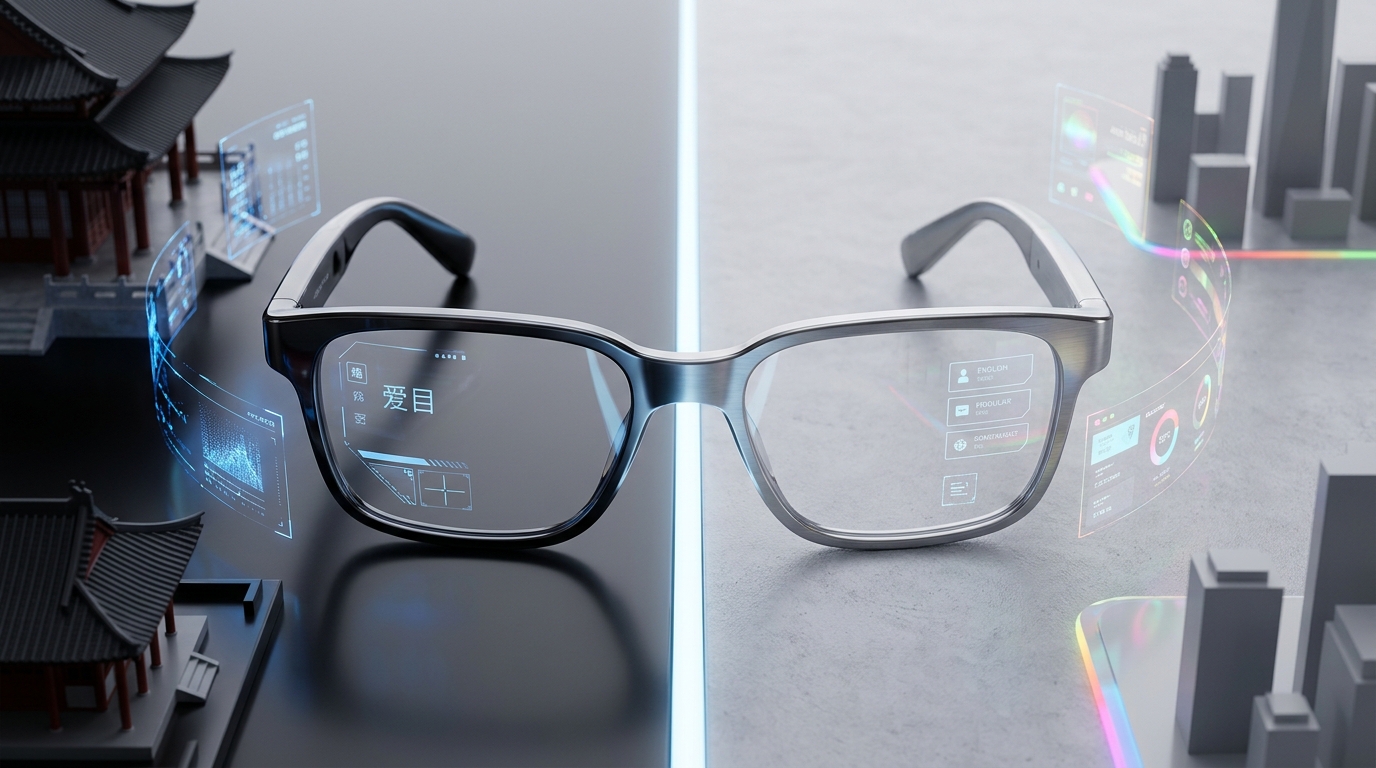
Futuristic smart glasses with digital overlays, divided by a vertical line, showing different design aesthetics from East and West.

Illustration: Smart Glasses Daily

版权与下架

The smart glasses landscape of 2026 is a crucible of ambition and investment. On one side, American giants like Snap and Meta are pushing the boundaries of what eyewear can be, investing billions to define the next generation of computing. On the other, the shadow of a formidable challenger, fueled by rapid innovation and manufacturing might, is extending from China.

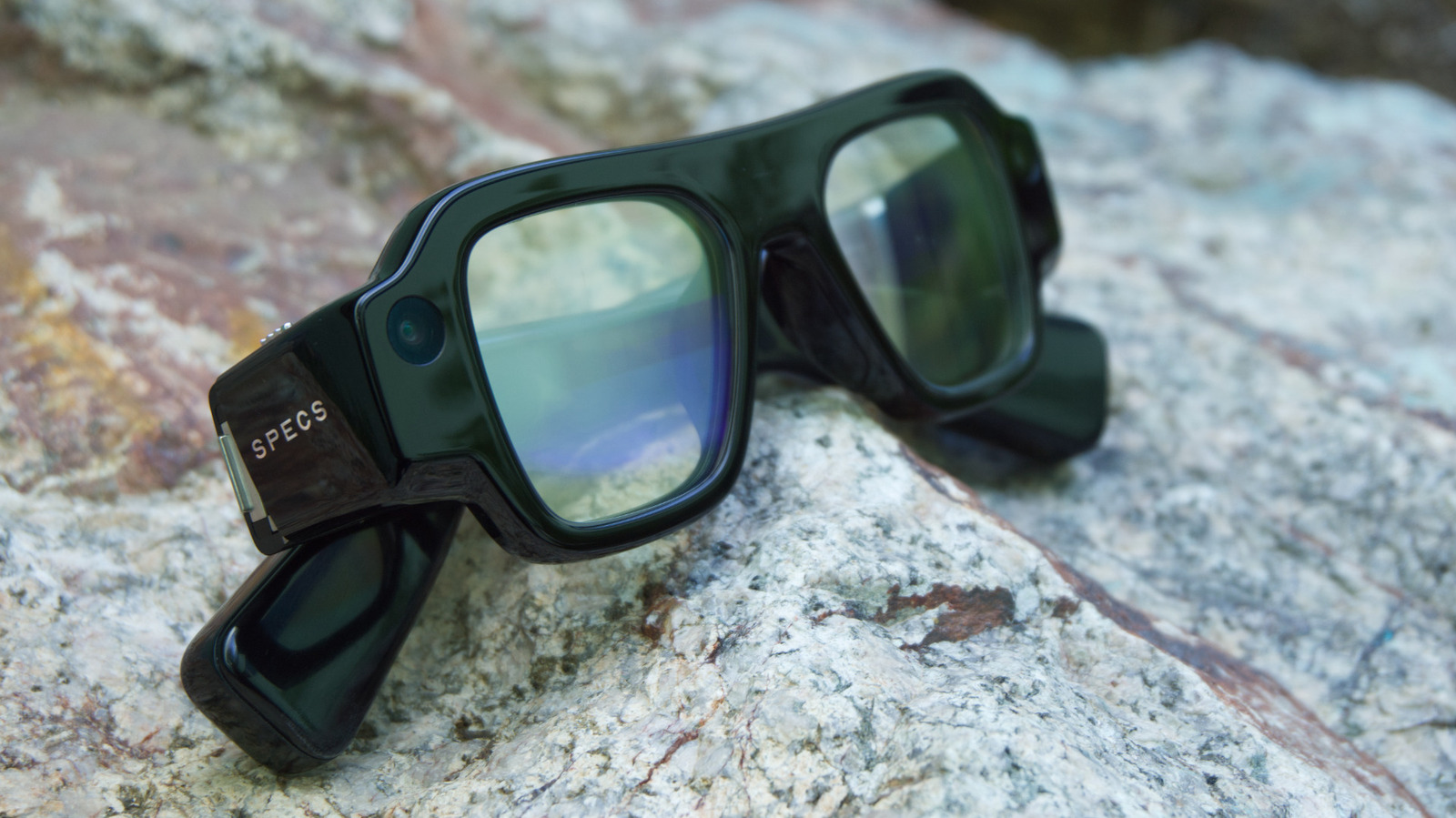
Snap just dropped SPECS, a $2,195 standalone AR device it calls a 'see-through computer.' This is a bold, high-stakes bet on post-smartphone interaction, a move Evan Spiegel describes as bringing computing 'into the world' and making it 'more human.' It positions Snap years ahead in delivering true augmented reality, but at a price point that clearly signals a niche, early adopter play for now.

Meta, meanwhile, is pursuing a two-pronged strategy. Its EssilorLuxottica partnership continues to yield display-less AI glasses under the Ray-Ban and Oakley brands, seeing sales 'push into the millions' by focusing on practicality and accessibility over complex AR displays. These devices, lauded for empowering visually impaired veterans, represent a pragmatic path to mass adoption that contrasts sharply with Snap's high-fidelity, high-cost vision.

The ongoing collaboration between EssilorLuxottica and Applied Materials, announced recently, further cements the US-European effort to advance AR displays and AI glasses. This alliance seeks to accelerate the underlying optical technologies critical for immersive experiences, yet it highlights the industry's continued struggle with sleek form factors. NFC charging prototypes, as demonstrated by NuCurrent and Meta, point to US-led solutions for overcoming bulky designs, a persistent hurdle for widespread appeal.

However, the real fault line in this global race isn't in finished products, but in the silicon powering them. Qualcomm's Snapdragon Reality Elite platform, unveiled ahead of AWE 2026, is designed to be the undisputed engine for premium, all-in-one AI glasses. This move solidifies Qualcomm's 'iron grip' on the market, defining the performance and efficiency benchmarks for every other chipmaker.

But Qualcomm itself acknowledges the emerging threat. Its own statements point to 'credible challengers' from MediaTek and, more broadly, 'China' emerging from the long shadow of Apple's ecosystem. This is where the geopolitical chess match for the future of smart glasses truly begins: not in retail stores like Meta's new 'Meta Lab' Best Buy sections, but in the foundries and design labs of Asia.

While US players focus on defining user experience and branding, from Snap's 'see-through computer' to Meta's AI glasses for social connection, Chinese companies are quietly building the foundational components. They are leveraging an ecosystem adept at rapid prototyping, cost optimization, and vertically integrated supply chains, often out of sight to the average Western consumer.

The critique that 2026's smart glasses are 'still too tech, not enough life' is a universal one. But Chinese manufacturers, with their proven track record in consumer electronics, could very well be the ones to bridge this gap at scale, delivering practical, ergonomic, and affordable devices that make US offerings feel overly complicated or prohibitively expensive.

Consider the 'display-less' triumph of Meta's Ray-Ban AI glasses. This segment, focused on audio, camera, and AI without the heavy computational load of AR displays, is ripe for disruption by efficient, low-cost hardware. If Chinese chipmakers and manufacturers can replicate or surpass this functionality at a fraction of the price, the US lead in this crucial mass-market segment will quickly erode.

The competition extends beyond just consumer adoption. Control over the underlying AI operating system for eyewear, the 'always-on AI OS' that defines the next computing platform, is a strategic imperative. If Qualcomm's dominance is chipped away, the entire ecosystem could shift, leading to greater fragmentation and potentially, a two-tiered global market.

This isn't just about who sells more units. It's about who owns the data, who sets the standards, and who controls the innovation trajectory for what many believe will be the primary interface for contextual intelligence. The race for smart glasses in 2026 is a microcosm of the larger technological rivalry, with profound implications for global leadership in AI and spatial computing.

The US has the vision, the significant R&D spend, and the early lead in defining the high-end AR experience. Yet, China's silent revolution in silicon, coupled with its manufacturing prowess and ability to scale rapidly, presents a credible and growing threat. The battle for the future of our eyes is just beginning, and it will be fought as much in Shenzhen as in Silicon Valley.

每周简报

智能眼镜资讯,每周五直送邮箱。.

每周五清晨一封简报。无废话。一键退订。

我们绝不会分享您的邮箱。

相关文章

一个人戴着时尚、未来感的智能眼镜,看起来有些不适,背景中微妙地叠加着数字AR元素,而其他人则好奇地看着他们。可以结合科技

Analysis

2026年智能眼镜: 依然过度科技化, 缺乏生活气息

我们即将进入十年中期, 行业巨头仍在力推那些根本不理解人类生活方式的设备。尽管技术取得了令人瞩目的进步, 但用户体验对于日常佩戴而言, 仍然是次要考虑。

W. CHEN·5 min read

Jun 19, 2026

智能眼镜System-on-Chip的抽象插图。

Analysis · Qualcomm

Qualcomm的铁腕统治:2026年AI眼镜的芯片之战

凭借其全新的Reality Elite芯片,Qualcomm正在加强其在高端AI眼镜领域的掌控力。但是,来自联发科、中国以及Apple巨大阴影下的有力挑战者也终于浮出水面。

M. BELL·4 min read

Jun 17, 2026

讨论焦点

热议

本周空间计算领域最具争议的文章。

为你精选

为你推荐

从评测、新闻与分析中精选,你可能错过的内容。