Smart Glasses Daily

指南 · RayNeo· (English original)

RayNeo's Smart Glasses Play: A Brand Guide for the Budget-Conscious Era

RayNeo emerges as a critical player in the smart glasses market, specifically targeting the accessible display segment. This guide breaks down their strategy, current offerings, and competitive standing.

W. CHEN· Chinese 特派记者·2026年6月27日·4 分钟阅读
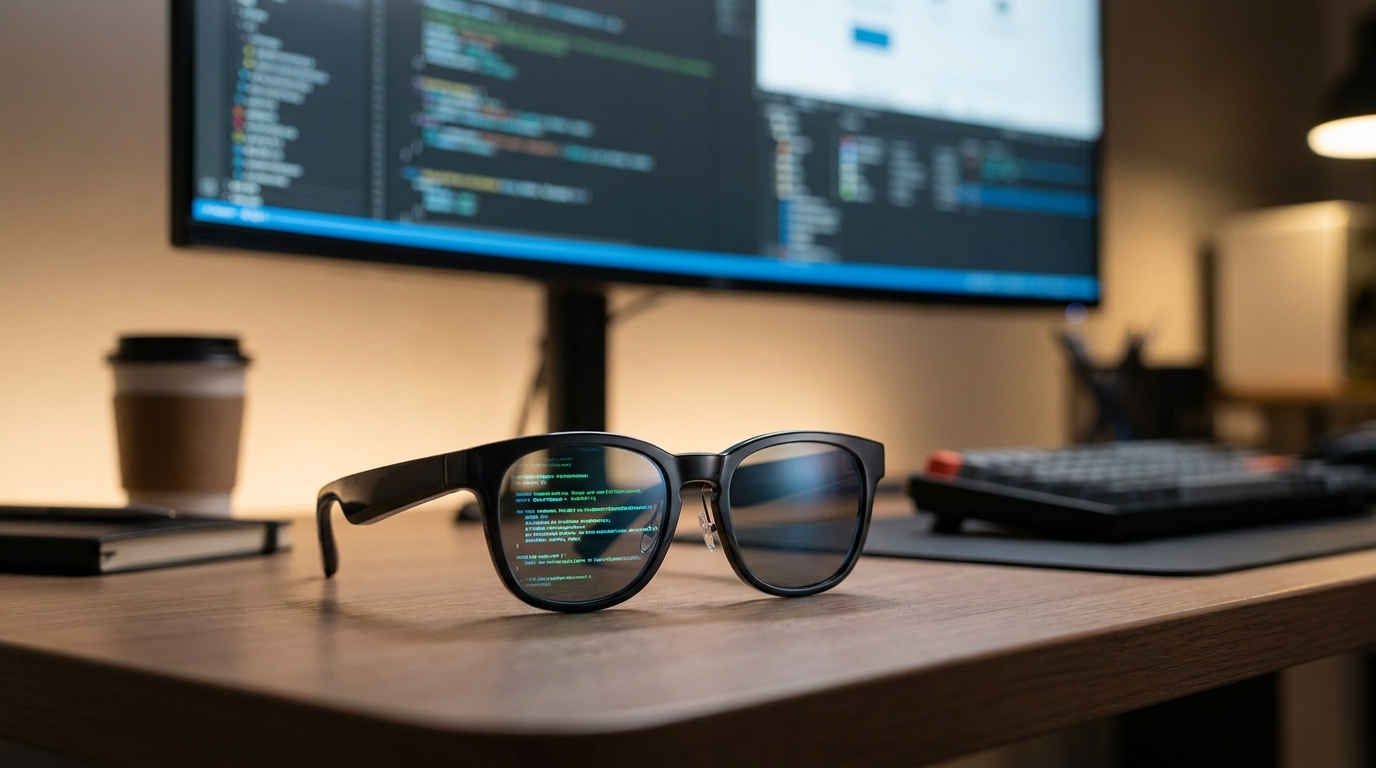
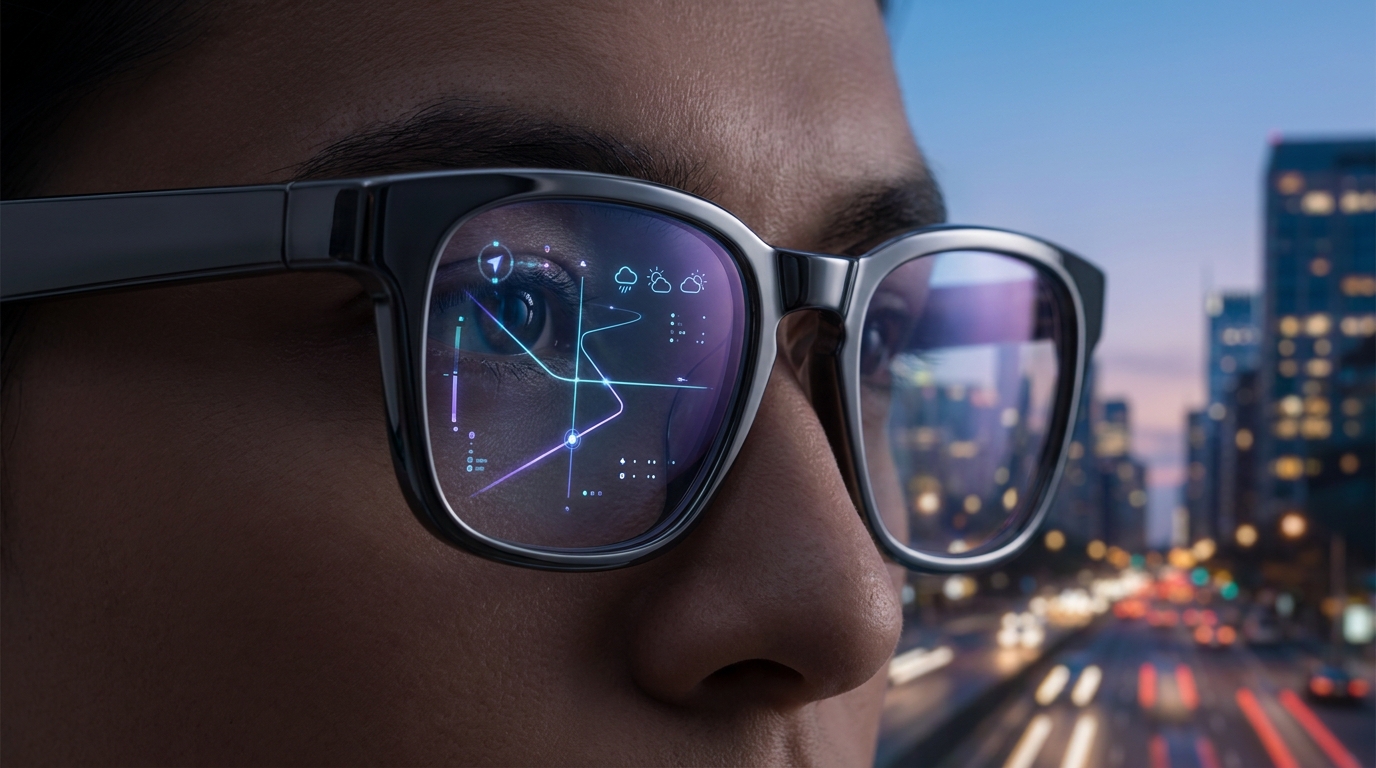
Hero image depicting RayNeo smart glasses on a modern desk setup, reflecting code or media, with an editorial feel.

Image: Smart Glasses Daily Guides

版权与下架

The smart glasses landscape is currently a tale of two extremes: high-end enterprise AR headsets with astronomical price tags, and fledgling consumer offerings struggling for mass adoption. Enter RayNeo, a brand that's not just bridging this gap but actively carving out a formidable niche at the more accessible end of the spectrum. They're making a compelling case that 'smart display' doesn't have to mean 'bank-breaking,' and that alone makes them profoundly important to watch.

RayNeo isn't just another hopeful startup; they represent a significant push from TCL Industries, a global electronics giant, into the smart glasses arena. This backing provides them with substantial resources, manufacturing capabilities, and a global distribution network that most emerging eyewear brands can only dream of. Their entry isn't tentative; it's a calculated move to capitalize on the growing consumer appetite for wearable display technology, particularly as the computational backbone of smart vision shifts further into the cloud and connected devices.

Their strategic timing is impeccable. As the market inches towards mainstream acceptance of augmented reality and heads-up displays, RayNeo is positioning itself as the 'everyman's smart glasses,' a stark contrast to the often aspirational, often unobtainable devices touted by competitors. This focus on immediate utility and affordability is a breath of fresh air in a category frequently criticized for overpromising and under-delivering at excessive price points.

RayNeo's current product strategy revolves around 'smart display glasses' rather than full-blown AR. Their flagship offering, the RayNeo Air 4 Pro, exemplifies this approach. While detailed specifications are not fully public, what is known positions it as a sophisticated wearable display system, not a spatial computing engine. It's designed to mirror content from connected devices, providing a personal, portable big-screen experience. Think of it as a wearable monitor, perfect for media consumption, light productivity, and gaming on the go. This focus on a clear, achievable use case is a key differentiator.

The Air 4 Pro leverages micro-OLED display technology, a common choice for its vibrant colors and high contrast in compact form factors. Its design prioritizes comfort and discretion, aiming for a form factor that doesn't scream 'futuristic gadget' to the casual observer. While specific field-of-view or brightness numbers are not widely publicized, reviews, such as PCMAG's assessment, highlight its effectiveness as a budget-friendly display solution, particularly praising its performance during Prime Day sales cycles. It's a pragmatic device for practical people.

When we talk about competitors, RayNeo occupies a unique lane. On one end, we have enterprise heavyweights like Magic Leap 2 and Microsoft HoloLens 2. These are industrial-grade AR headsets, engineered for complex spatial computing, 3D interaction, and dedicated enterprise applications. They command price tags in the thousands and are built for specialized professional use cases, far removed from consumer display. RayNeo doesn't compete here; it doesn't even try. Its mandate is entirely different.

Then there's Snap's Spectacles line, which leans heavily into consumer AR with a strong social media and developer ecosystem focus. Spectacles 5, like its predecessors, prioritizes capturing Snaps and simple geo-located AR experiences, often tied into Snap's AR Studio for creators. While also consumer-oriented, Spectacles are about capturing and augmenting the world around you, not primarily about displaying external content. RayNeo, by contrast, is a display-first device; its utility is in showing you things from your phone or PC, not enhancing your direct reality through AR overlays.

RayNeo's core differentiator is its unflinching commitment to affordability and a direct, understandable value proposition: a wearable big screen. While competitors wrestle with the complexities and costs of true augmented reality or niche enterprise solutions, RayNeo delivers a straightforward 'smart display' experience at a price point that's genuinely within reach for a wider consumer base. This price-to-utility ratio is where it distinguishes itself most sharply, positioning it as a potentially disruptive force in making smart glasses a common accessory, rather than a luxury or industrial tool.

For whom is RayNeo? It's for the everyday consumer seeking a personal viewing experience that goes beyond a phone or tablet screen. It's for the traveler, the commuter, the casual gamer, or anyone wanting a private, large-screen display without disturbing others. Its strength lies in its grounded approach: delivering a clear, functional benefit without the baggage of unfulfilled AR promises or prohibitive costs. This focus on an immediate, accessible problem makes it highly compelling in a maturing market.

The weaknesses, if one must call them that, stem from its chosen strategy: it isn't an AR device. It won't overlay digital objects onto your real world or transform your environment with spatial computing. It's a display, pure and simple. For those seeking true augmented reality, RayNeo will fall short. However, this is less a flaw and more a deliberate product choice that allows it to excel in its chosen arena.

Moving forward, Smart Glasses Daily will be watching RayNeo closely for several key developments over the next 12 months. Firstly, the expansion of its product ecosystem and integration with popular streaming services and gaming platforms. Secondly, its ability to maintain its aggressive pricing strategy while incorporating potential incremental upgrades, like improved display brightness or more sophisticated audio. Lastly, we'll monitor how well TCL leverages its brand recognition to push RayNeo into mainstream retail channels. RayNeo exemplifies the rising tide of practical, budget-conscious smart glasses, and their success will be a bellwether for the entire industry's consumer adoption trajectory.

每周简报

智能眼镜资讯,每周五直送邮箱。.

每周五清晨一封简报。无废话。一键退订。

我们绝不会分享您的邮箱。

相关文章

iFlytek's sleek, lightweight AI smart glasses resting on a modern desk alongside a minimalist notebook, conveying a sense of professional utility and advanced technology.

Guides · iFlytek

iFlytek's AI Glasses Play: A New Frontier for Physical AI

The Chinese AI giant enters smart glasses with a 40-gram, AI-first wearable. This strategic move signals a shift towards practical, embedded intelligence and challenges traditional AR players.

C. LAURENT·4 min read

Jun 27, 2026

EssilorLuxottica smart glasses in a sleek, minimalist editorial setting, showcasing a blend of advanced technology and high fashion eyewear design

Guides · EssilorLuxottica

EssilorLuxottica's Smart-Glasses Play, Explained: A Brand Guide

The world's eyewear titan, EssilorLuxottica, is stepping into the smart-glasses arena, not with a whimper but a significant alliance. This move signals a seismic shift in a burgeoning market, bringing optical expertise and global scale to the evolving landscape of AR and AI weara

A. TANAKA·4 min read

Jun 27, 2026

讨论焦点

热议

本周空间计算领域最具争议的文章。

为你精选

为你推荐

从评测、新闻与分析中精选,你可能错过的内容。