应用与场景 · —· (English original)
High Court Witness Accused of Using Smart Glasses for Coaching During Testimony
A UK High Court judge has accused a witness of surreptitiously using smart glasses to receive live coaching during cross-examination. The incident reportedly led to the judge ruling the witness's testimony unreliable.

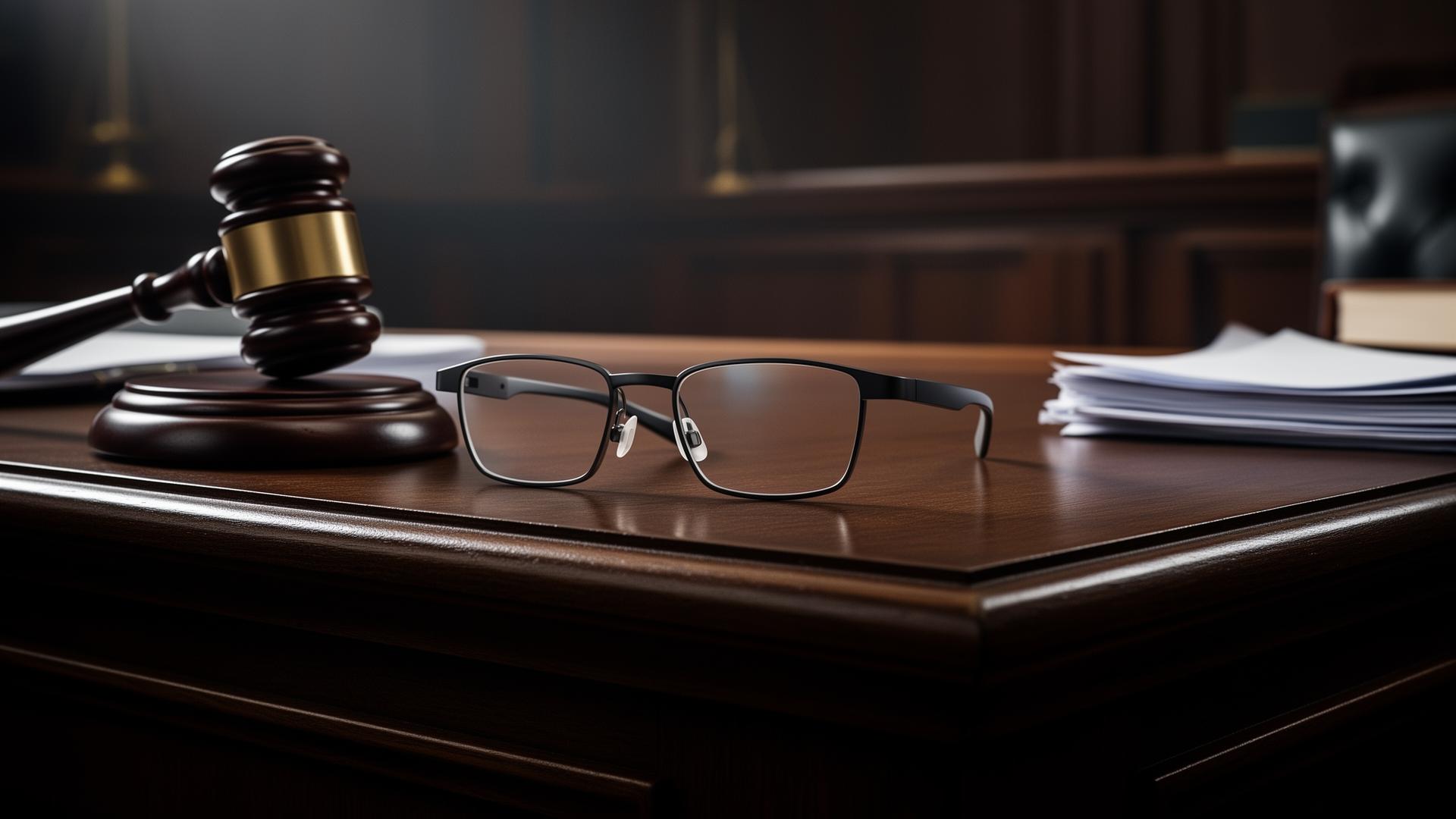
Smart glasses resting on a judge's wooden bench next to a gavel and legal documents in a courtroom
A recent UK High Court ruling has brought attention to the potential misuse of smart glasses in legal proceedings. In a case presided over by Judge Raquel Agnello KC, a witness was accused of receiving real-time 'coaching' through smart glasses while providing evidence.
BBC News reports that the accusation emerged during proceedings involving Laimonas Jakstys, who was a party in a dispute over the directorship of a property development company. According to the outlet, the court noted Jakstys 'seemed to pause quite a bit' before answering questions and that 'interference' was audible from around the witness during the January trial.
Following these observations, Jakstys was instructed to remove the smart glasses. BBC News further writes that Judge Agnello later concluded Jakstys had been 'assisted or coached in his replies to questions put to him during cross examination'. The situation escalated when, even after the glasses were removed, an interpreter was translating a question and Jakstys' mobile phone began broadcasting a voice, which he attributed to ChatGPT, as the outlet details.
Judge Agnello stated, 'There was clearly someone on the mobile phone talking to Jakstys,' as reported by BBC News, noting he subsequently 'removed his mobile phone from his inner jacket pocket.' Jakstys, however, denied using the smart glasses to receive answers and also denied they were connected to his phone. The judge highlighted that multiple calls were made from his phone to a contact named 'abra kadabra,' whom Jakstys claimed was a taxi driver.
BBC News states that Judge Agnello ultimately ruled, 'from what occurred in court, it is clear that call was made, connected to his smart glasses, and continued during his evidence until his mobile phone was removed from him.' The judge, per the report, did not need to identify the coach but accepted that Jakstys was 'being assisted or coached' during his cross-examination. The piece concludes with Agnello's finding that Jakstys was 'untruthful in denying his use of the smart glasses and his calls to abra kadabra,' rendering his evidence 'unreliable and untruthful.'
Our take: This High Court incident underscores a growing challenge for legal systems worldwide. As smart glasses and other wearable technologies become more sophisticated and discreet, courts will undoubtedly face increasing pressure to adapt policies and implement detection methods. The ability to covertly receive information or coaching during testimony poses a significant threat to the integrity of legal proceedings, demanding innovative solutions from both the judiciary and technology providers to ensure fair play.