Smart Glasses Daily

分析 · · (English original)

The Silent Screen War: How XREAL, Rokid, and RayNeo Are Outplaying the Giants

While Meta and Apple duke it out over AI assistants and embedded cameras, a trio of lesser-known players is dominating the one factor that genuinely matters for AR adoption: the display. They are carving out an unassailable lead in delivering immersive, eye-level visuals that the

S. WHITMAN· American 特派員·2026年4月26日·5 分で読了
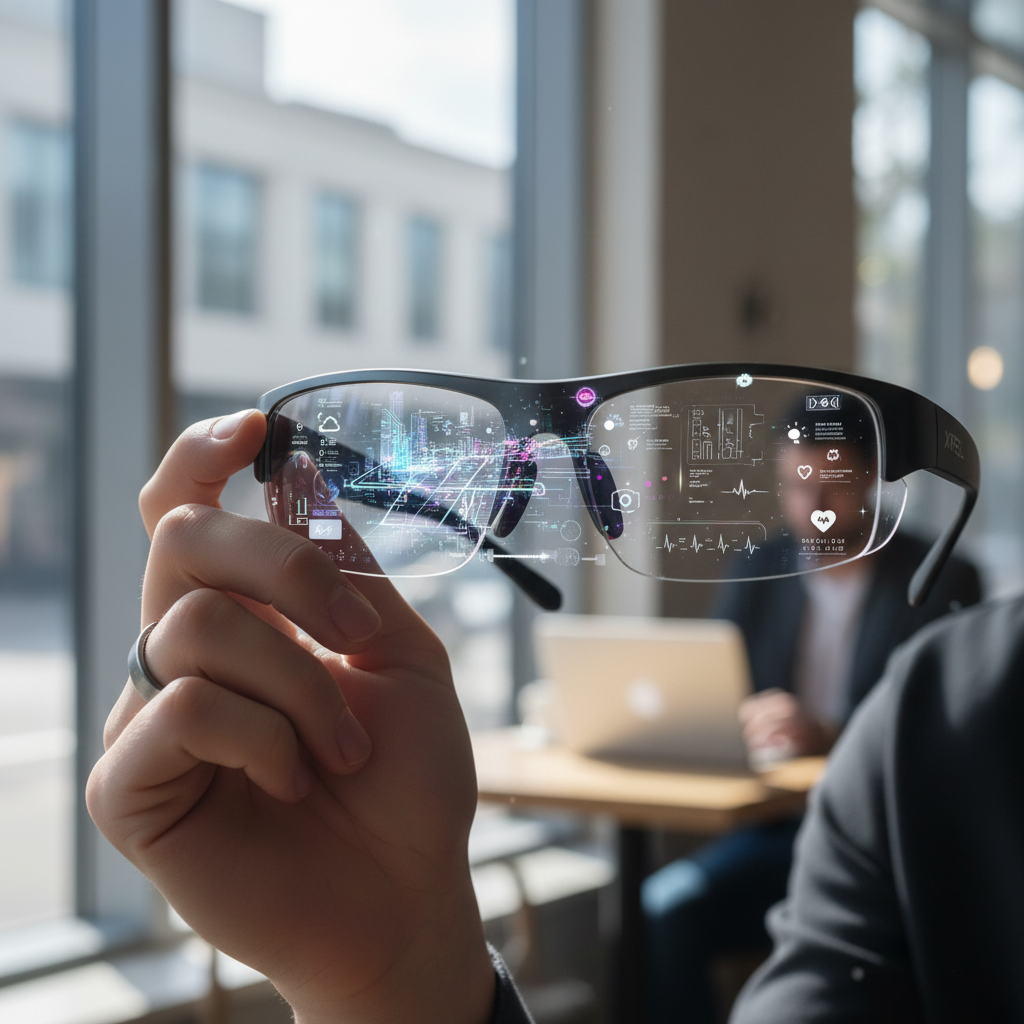
A hand holding a sleek pair of XREAL Air 2 Ultra glasses, displaying a vibrant augmented reality interface overlaid on the real world.

A hand holding a sleek pair of XREAL Air 2 Ultra glasses, displaying a vibrant augmented reality interface overlaid on the real world.

The ongoing smart glasses narrative is a mess of misdirection. Everyone's obsessed with the AI assistant, the camera, or whether a pair of glasses can run an LLM. We’re told the form factor is everything, that Apple is taking a 'streamlined' approach focused on AI, and that Meta, with its undeniable Ray-Ban success, has already won the casual wearability battle. But this is all a smokescreen, obscuring the primary battleground: the goddamn screen.

Let's be clear. A smart glass without an actual display, a persistent visual layer that integrates information into your line of sight, is not a smart glass. It's an audio wearable with a camera tacked on. Meta's Ray-Ban offerings, for all their success in normalizing face-computers and prescription integration, are fundamentally screen-less. They are a Trojan Horse for an AI assistant, not a true augmented reality device. The focus on them misses the point entirely.

The real innovation, the critical path to true AR adoption, lies with companies like XREAL (formerly Nreal), Rokid, and RayNeo. These brands, often dismissed as niche players, are relentlessly refining micro-OLED display technology, achieving what Meta, Apple, and even Snap – with its $3 billion R&D gamble – are still years away from delivering: a high-resolution, high-refresh-rate display that sits comfortably on your face.

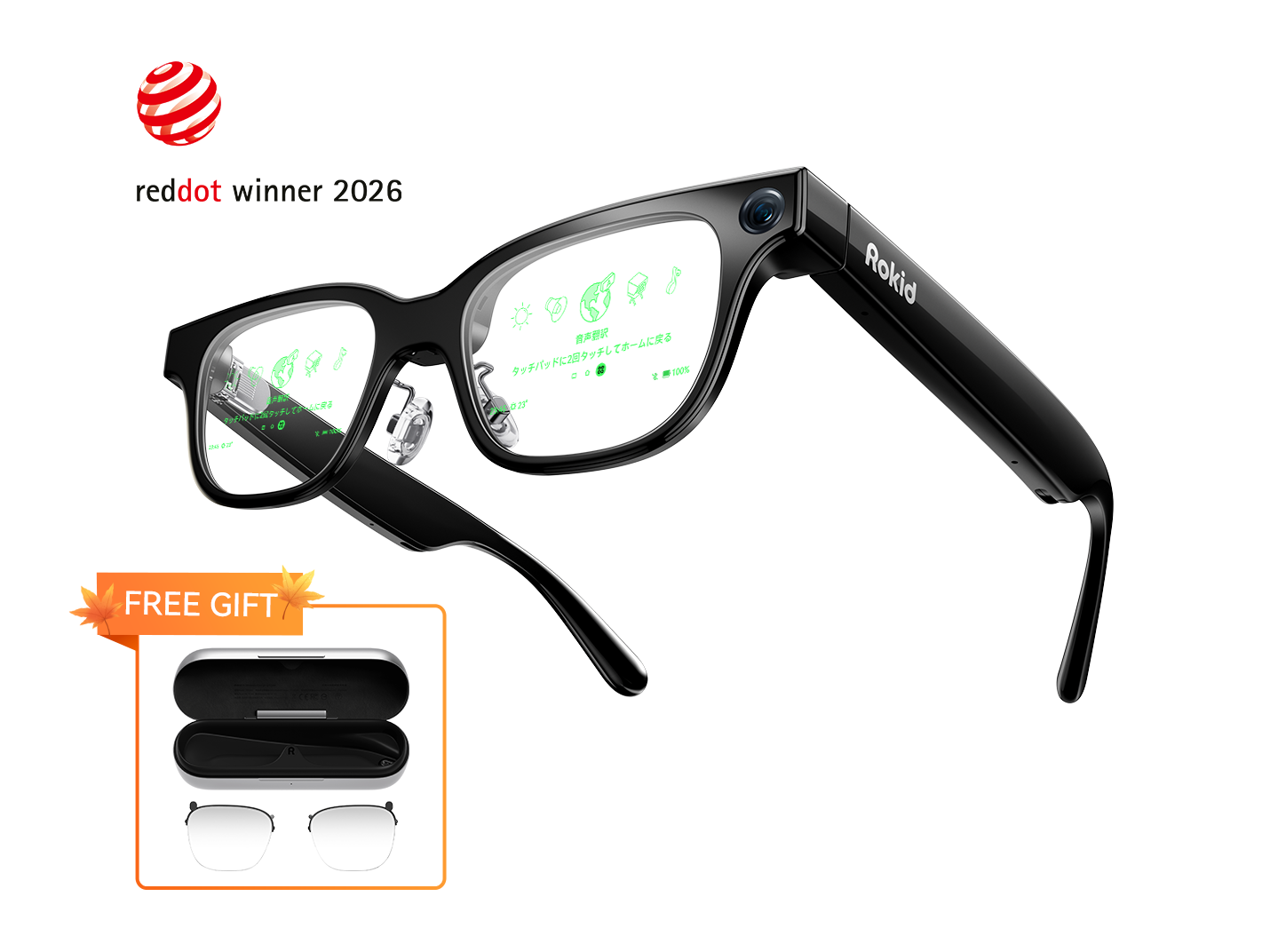
Rokid’s recent triumph, outstripping Meta in unit sales for AI-enabled glasses with integrated displays, is a flashing red light. They did this not by focusing solely on AI or a fashion partnership, but by delivering a meaningful visual experience paired with an open ecosystem. While Meta tries to lock you into its AI, Rokid lets you choose between Gemini, ChatGPT, Qwen, or DeepSeek, giving users actual choice and utility.

Viture, with its 'Beast' XR glasses, further underscores this display-first advantage. Boasting Sony's cutting-edge Micro-OLED panels, a virtual 174-inch IMAX display, 1200p resolution, 120Hz refresh rate, and 1,250 nits of brightness, these aren't just marginal improvements. This is a fundamental leap in visual fidelity, precisely what users demand for immersive experiences, whether gaming, streaming, or productivity.

Huawei, in its entry into the smart glasses market, mirrors Meta's camera and audio focus, but crucially, also integrates a display in some of its offerings. While the initial reports highlight battery life and AI translation, Huawei's broader AR efforts signal an understanding of the necessity of real-time visual information. Even Snap's long-delayed Spectacles, set for a 2026 consumer launch, rely on advanced AR displays powered by Qualcomm's XR chips — a clear indication of where the future lies.

The 'HUD-only' smart glasses are not just 'back'; they represent a fundamental understanding of why people will wear these devices. While the tech giants fight an AI war in your ear, a quieter rebellion is putting data back in your eye. Seeing is, and always will be, better than just hearing, especially when contextual information is paramount.

Apple, reportedly eyeing a late 2026 debut for its smart glasses, is falling into the same trap as Meta. Their strategy is focused on 'AI-driven features and seamless integration with the iPhone, rather than a full augmented reality experience.' This is a concession, a delay, and a tacit admission that they haven't cracked the display problem in a consumer-friendly form factor. They are entering the market nearly a decade after others, and still planning to ship a compromised product.

The real 'ghost in the machine' isn't just an AI co-pilot; it's the visual information projected directly onto your retina. While Meta and Apple are busy perfecting audio streams and camera feeds, Rokid, XREAL, and RayNeo are building the critical, immersive visual layer necessary for true AR. They understand that a conversational AI is powerful, but an AI that can visually overlay information, directions, or translations into your view of the world is transformative.

We’ve already seen how government entities, like Homeland Security with their 'ICE Glasses,' are pushing for display-enabled smart glasses for real-time identification and data overlay. This isn't just about consumer entertainment; it's about making critical information immediately accessible and actionable. The civilian market demands no less.

The ongoing focus on camera-equipped, screen-less glasses like the Ray-Ban Meta as the pinnacle of smart eyewear is a distracting side-show. These devices are useful, yes, but they are not the end-game. The real war, the one that will define the future of how we interact with digital information in the physical world, is being fought and quietly won by companies delivering actual AR displays. Until Meta and Apple address this directly, they will remain behind the curve.

この記事をシェア

ウィークリーブリーフ

スマートグラスを、毎週金曜の朝あなたの受信箱に。.

毎週金曜の朝、鋭いメールを一通。無駄なし。ワンクリックで解除可能。

メールアドレスを共有することはありません。

関連記事

片側にRay-Ban Metaのおしゃれなグラス、もう片側にBrilliant LabsのFrameグラスのミニマリストなHUDが写っている分割画像。

Analysis

見えない革命:HUDのみのスマートグラスが復活する理由

テック界の巨人が耳元でAI戦争を繰り広げる中、より静かな反乱がデータを再びあなたの目にもたらしています。控えめなHUDが復活を遂げ、見ることが聞くことよりも優れているという賭けに出ています。

S. WHITMAN·5 min read

Apr 23, 2026

スタイリッシュなスマートグラスをかけた人物のクローズアップショット。レンズに、AIアシスタントを表すかすかな光を放つデジタルブレインのグラフィックが重ねて表示されている。

Analysis

あなたのメガネに「機械の中の幽霊」が宿る日

スマートグラス戦争は、もはやカメラやスタイルをめぐるものではない。Meta、Apple、Googleの間で繰り広げられるのは、あなたの顔に常駐するAIアシスタントを巡る熾烈な競争だ。

W. CHEN·5 min read

Apr 22, 2026

話題の中心

話題の記事

今週、空間コンピューティングで最も議論を呼んでいる記事。

あなたへの選りすぐり

あなたへ

レビュー・ニュース・分析の中から、見逃していたかもしれない記事を厳選。