Analyses · —· Français — auto
Le fantôme dans la machine : vos lunettes sont sur le point d'avoir un copilote IA
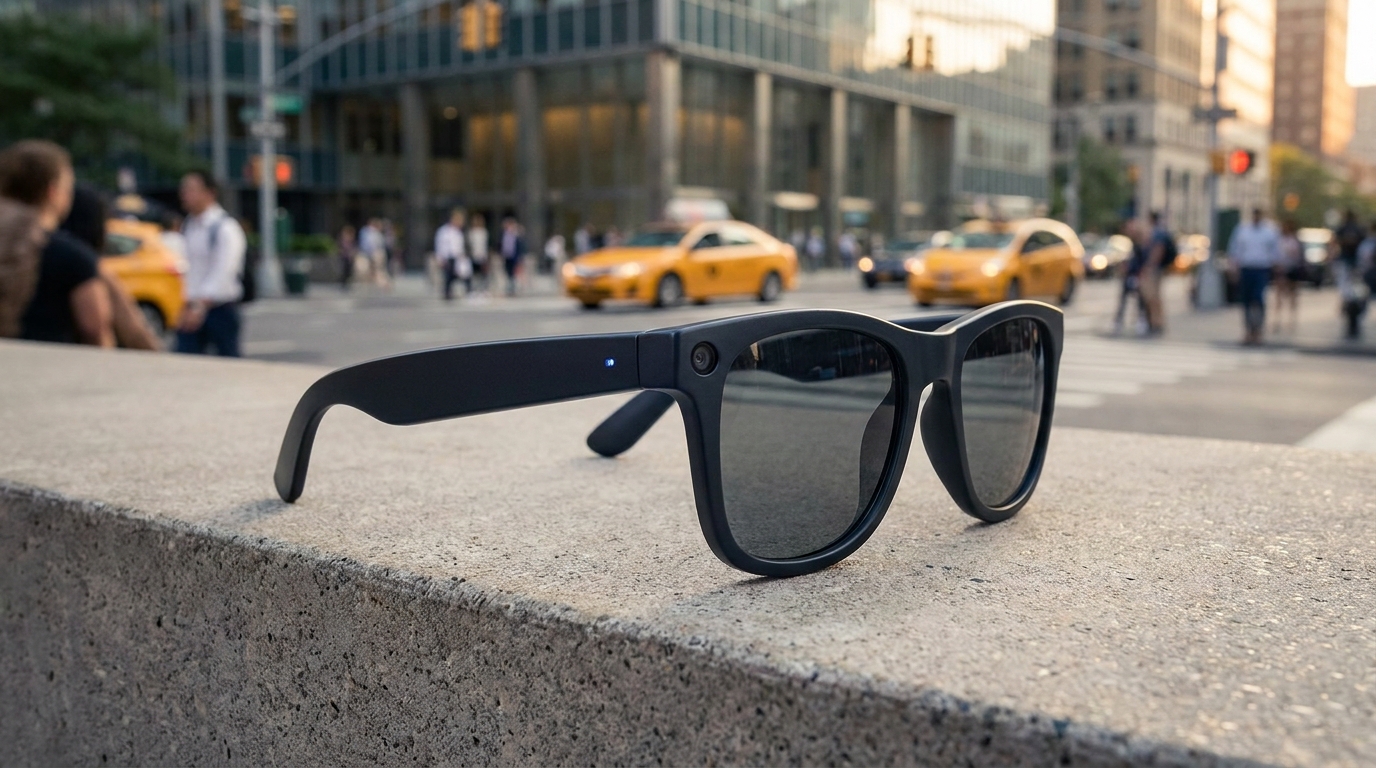
La guerre des lunettes connectées ne concerne plus les caméras ou le style. C'est une course brutale entre Meta, Apple et une foule de nouveaux challengers pour posséder l'assistant IA toujours actif qui vivra sur votre visage et médiatisera votre réalité.
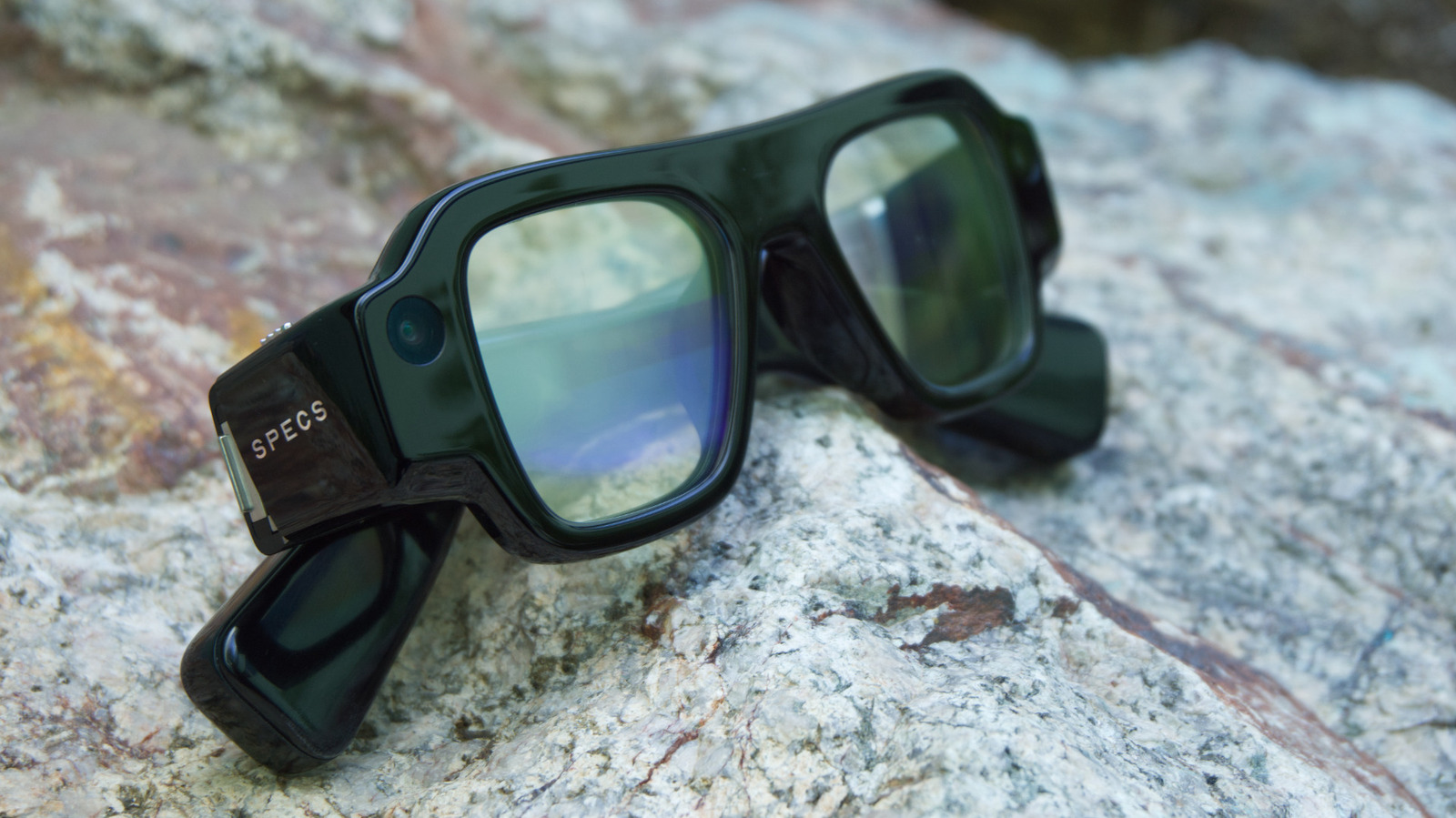
Soyons clairs : le débat sur la question de savoir si les gens porteront un ordinateur sur leur visage est clos. Le succès commercial de la collaboration Ray-Ban Meta a prouvé que si vous réussissez le format et vous associez à un titan culturel, les consommateurs adhéreront. L'introduction récente de modèles de prescription spécialement conçus comme les Blayzer et Scriber Optics ne fait qu'élargir le fossé entre Meta et ses rivaux ayant des problèmes optiques, s'adressant enfin aux 75 % d'adultes américains qui ont besoin d'une correction visuelle.
Mais l'obsession du matériel passe à côté du changement sismique qui se produit actuellement. La caméra et l'audio à oreille libre n'étaient que le cheval de Troie. Les preuves de plus en plus nombreuses, des laboratoires R&D de Cupertino aux usines de Shenzhen, montrent que la vraie guerre est pour l'IA qui vivra à l'intérieur de la monture - un fantôme persistant et conversationnel dans la machine.
L'indice le plus significatif vient d'Apple. Selon Mark Gurman de Bloomberg, les lunettes connectées d'Apple, dont la rumeur court depuis longtemps et qui pourraient sortir fin 2026, sont conçues comme un appareil axé sur l'IA. Oubliez les écrans de réalité augmentée complexes et complets ; la première approche serait une affaire simplifiée axée sur les fonctionnalités pilotées par l'IA et l'intégration transparente de Siri, fonctionnant comme une extension de votre iPhone.
Ce n'est pas seulement un premier pas prudent ; c'est une décision stratégique pour « couper l'herbe sous le pied » à Meta en redéfinissant la catégorie. Alors que Meta a pris de l'élan avec une caméra, Apple parie que l'application qui tue n'est pas ce que vous pouvez enregistrer, mais ce que vous pouvez demander. Les lunettes ne sont que le moyen le plus intuitif pour un compagnon IA toujours actif.
Cette stratégie axée sur l'IA n'est pas exclusive aux géants de la Silicon Valley. De nouveaux acteurs agressifs se joignent à la fête et misent sur l'intelligence, pas seulement sur les spécifications matérielles. Les nouvelles lunettes de Huawei, alimentées par HarmonyOS, ne sont pas seulement un clone de Meta avec une meilleure autonomie ; elles sont une plateforme pour le LLM propriétaire de l'entreprise, permettant des fonctionnalités comme la traduction en temps réel directement sur l'appareil.
De même, le léviathan du commerce électronique Alibaba a fait une entrée choquante et soudaine, en utilisant son formidable LLM Qwen. Alibaba n'essaie pas de surpasser Ray-Ban en matière de design ou les écrans d'Apple en ingénierie. Il vise à trouver un adéquation produit-marché pour un objet connecté axé sur l'IA avant même que ses rivaux ne puissent s'entendre sur ce qu'est le marché.
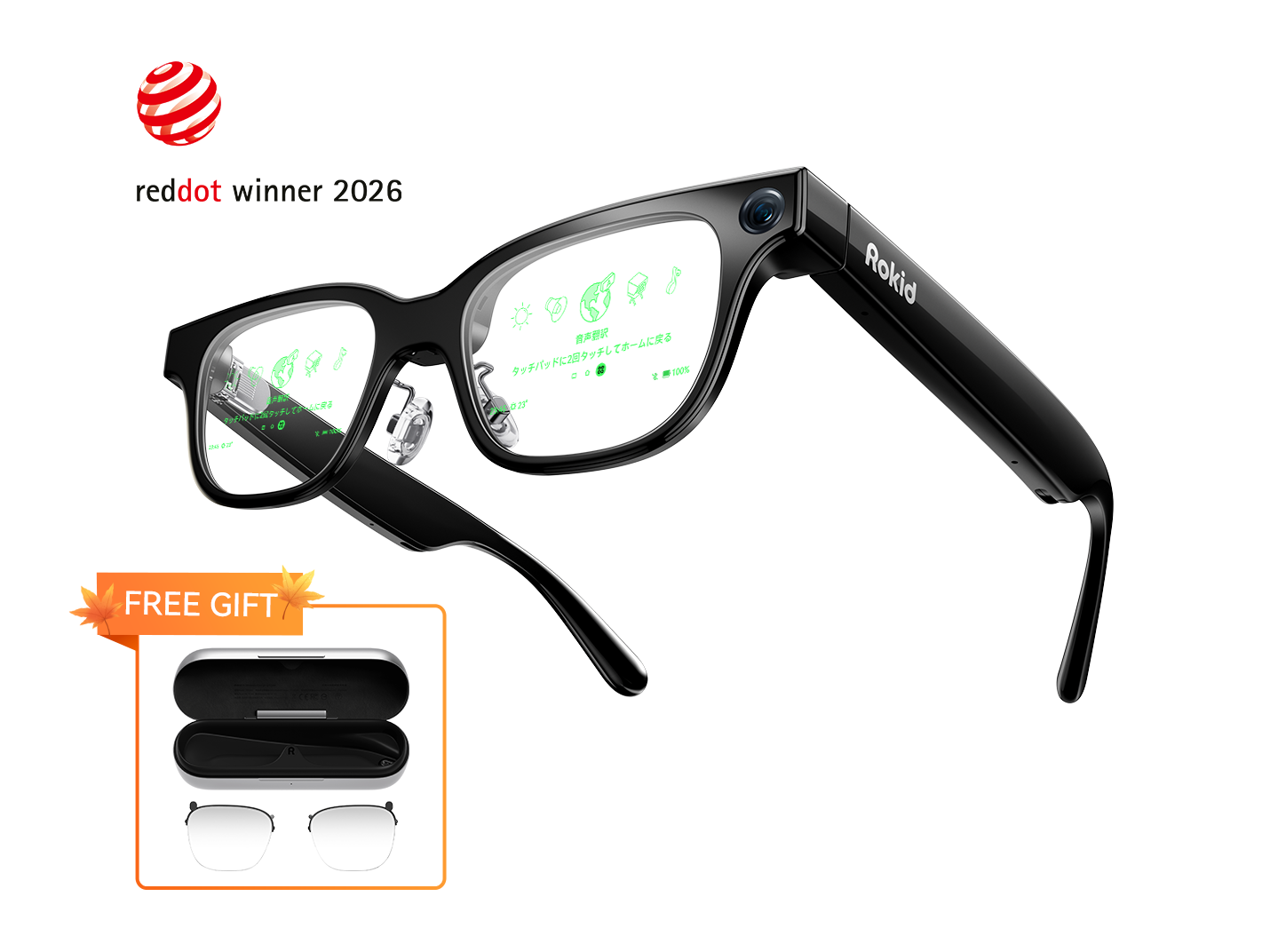
Les lignes de bataille sont tracées, et le conflit pourrait ne pas être un simple système bipartite. Le point de données le plus surprenant vient de Rokid, une entreprise chinoise dont les lunettes IA légères auraient dépassé les ventes de toute la catégorie d'écrans de Meta. Leur arme secrète n'est pas une meilleure puce ou un design plus élégant, mais un écosystème ouvert.
En prenant en charge nativement plusieurs assistants IA - de Gemini de Google et ChatGPT d'OpenAI à Qwen d'Alibaba - Rokid parie que les utilisateurs veulent le choix. Cela remet directement en question l'approche en jardin clos privilégiée par Apple et Google. Pourquoi être coincé avec Siri si vous pouvez avoir ChatGPT qui vous chuchote à l'oreille, le tout à partir du même matériel ?
Cette focalisation sur le logiciel met d'autres stratégies matérielles en évidence. Les nouvelles lunettes XR « Beast » de Viture, avec leurs promesses d'une expérience IMAX de 174 pouces via deux micro-OLED Sony 1200p, sont une merveille d'ingénierie d'affichage. Mais elles représentent une branche différente, plus niche, de l'arbre évolutif : la consommation de médias et la productivité pour quelques passionnés, et non un changement de paradigme pour les masses.
De même, la quête épique de onze ans et de trois milliards de dollars de Snap pour des lunettes AR grand public témoigne d'une vision à long terme. Mais sa dépendance à l'égard d'une véritable AR superposée au monde est un pari à long terme et à enjeux élevés. Les assistants IA d'Apple, Meta et Huawei sont une voie pragmatique et directe vers votre portefeuille, prêts à arriver des années avant que le rêve AR de Snap ne soit pleinement réalisé.
Bien sûr, un appareil doté d'une caméra toujours active, d'un microphone et d'une IA capable de traitement en temps réel a un côté obscur. Nous ne parlons pas seulement de fautes de goût en matière de confidentialité lors d'un dîner. Nous parlons d'outils de surveillance au niveau de l'État comme les « lunettes ICE » signalées comme étant développées par le Department of Homeland Security, conçues pour utiliser la biométrie pour une identification en temps réel.
Ces dispositifs représentent la manifestation dystopique de la technologie même que nous sommes si désireux de porter sur nos visages. Le fantôme dans la machine qui traduit un menu à Paris est construit sur la même base que celui qui peut identifier un citoyen à distance. La commodité d'un copilote IA s'accompagne du risque inhérent d'un observateur toujours vigilant.
À mesure que cette nouvelle phase de l'informatique vestimentaire arrive, la décision d'achat changera fondamentalement. Nous ne choisirons pas seulement un style de monture ou une marque. Nous choisirons notre fantôme, l'intelligence qui médiatisera, augmentera et interprétera notre existence quotidienne. La guerre pour votre visage est, et a toujours été, une guerre pour votre perception.
Guide interactif — prix, écrans, caméras, autonomie.
Partager cet article