Guides · Reebok
Brand Guide: Reebok's Smart-Glasses Play, Explained
The iconic fitness brand is jumping into wearables with audio glasses, challenging Meta on its own turf. Smart Glasses Daily breaks down their strategy, their products, and whether they can win a place on your face.

Just when the smart glasses narrative seemed dominated by a cold war between Silicon Valley titans, a familiar challenger has entered the ring from an unexpected corner: the gym. Reebok, the legacy sneaker and apparel giant, is making a play for your face, betting that its brand of accessible fitness can translate to the world of wearables.
This move is less about technological disruption and more about market normalization. Reebok isn't trying to build the next spatial computer or invent holographic displays. Instead, its thesis is simple: convince its massive, mainstream audience that smart eyewear can be a practical, everyday fitness accessory, as normal as a pair of running shoes.
Let’s be clear about who Reebok is. Forged in the fires of the 1980s aerobics craze, this is a brand that understands the intersection of performance, culture, and mass-market appeal. From the Freestyle Hi to the Pump, Reebok has a history of making technology feel approachable and stylish. They aren't a tech company, and they aren't pretending to be.
Their entry now, via a strategic collaboration with audio eyewear specialist Lucyd, is perfectly timed. The first wave of 'smart' glasses has passed, and consumers are wary of over-engineered gadgets. Reebok is targeting the pragmatic user: someone who wants Bluetooth audio for runs and calls but finds earbuds inconvenient or isolating. They want an accessory, not a new operating system to learn.
By partnering with an existing hardware maker, Reebok sidesteps the immense R&D costs and manufacturing hurdles that have stalled other entrants. This is a licensing and branding play, allowing the company to focus on its core strengths: marketing, distribution, and leveraging its powerful brand identity in the fitness and lifestyle space.
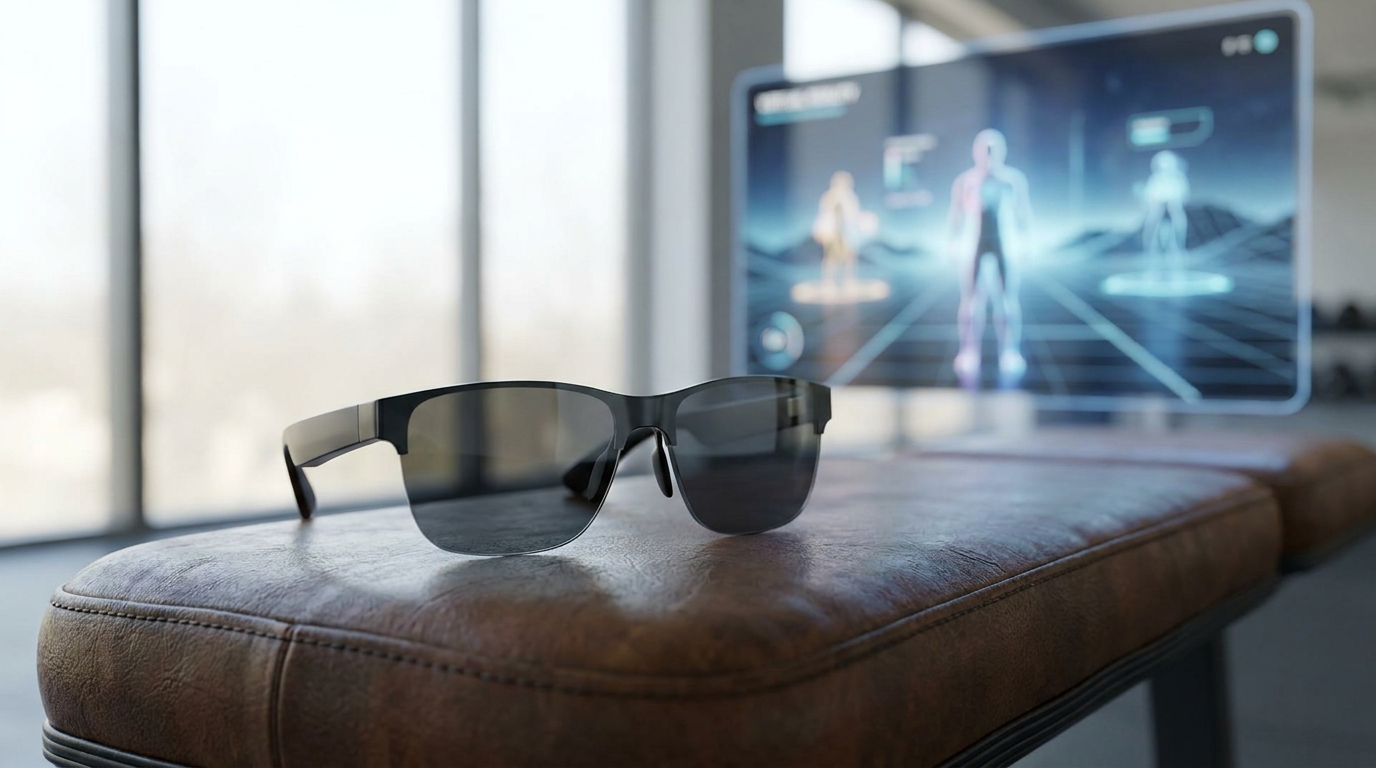
Reebok’s initial lineup is, as the company itself seems to suggest, 'smart-ish'. These are fundamentally audio glasses, not augmented reality devices. The product family, which includes frames like the 'Gizmodo', focuses on delivering open-ear sound through speakers built into the temples, paired with a microphone for calls and voice assistant access.
Full technical specifications have not been made public, but that's almost beside the point. The key feature, heavily promoted at launch, is that the entire line is prescription-ready. This isn't an afterthought; it's a core pillar of the product's value proposition, removing a significant barrier to entry for the millions who wear corrective lenses.
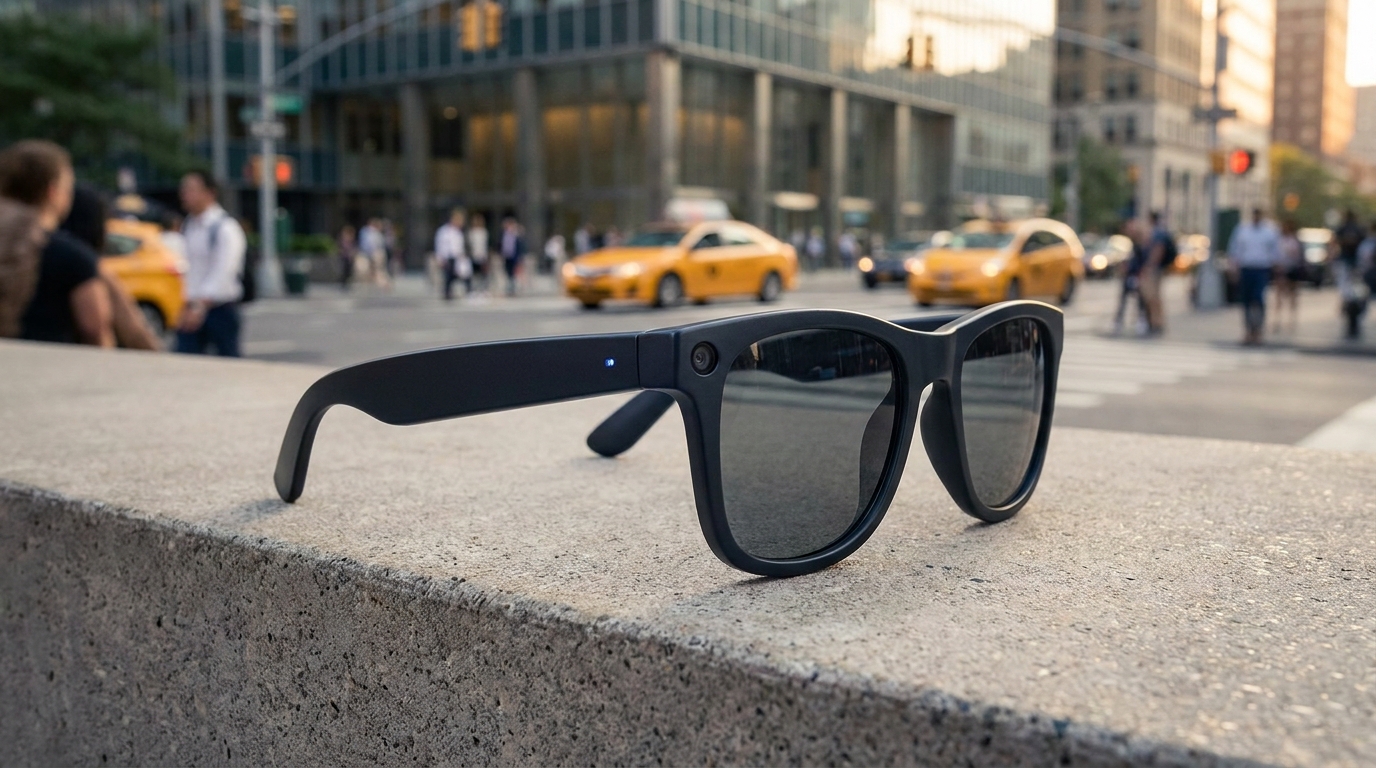
Think of these not as a competitor to high-end AR, but as a direct evolution of the sports headphone. They lack cameras, which will be a relief to an increasingly privacy-conscious public. The user experience is straightforward: pair your phone, listen to music, take a call. The 'smart' component is about convenience and form factor, not about overlaying digital information onto the real world.
Reebok's most direct rival is undeniably Meta. The matchup is fascinating: the iconic fashion of Ray-Ban versus the athletic heritage of Reebok. While the Ray-Ban Meta glasses offer integrated cameras and a nascent AI assistant, Reebok is betting on a simpler, more focused utility. It's the fitness-first audio tool against the lifestyle-first content capture device.
Compared to a behemoth like Apple, Reebok exists on another planet. The Apple Vision Pro is a spatial computer, a hyper-advanced developer platform priced for prosumers. Reebok's glasses are a consumer accessory that will likely retail for a fraction of the price. While Apple chases the technological sublime, Reebok is aiming for ubiquity at the gym and on the running trail.
Against a niche player like Mentra, the contrast is one of philosophy. Mentra offers an open-source platform for tinkerers and developers to build the future of eyewear. Reebok offers a sealed, finished product for consumers who just want something that works out of the box. One is a lab, the other is a retail store.
So, what is our verdict? Reebok’s smart glasses are a shrewd, low-risk entry into a burgeoning market. They are for the everyday athlete, the runner, the commuter, and anyone who wants the functionality of headphones without plugging their ears. This is a product for the person who wears athleisure as a default uniform.
The primary strength is the brand. Reebok brings a level of trust and familiarity that tech-native companies struggle to build. The prescription-ready focus is a masterstroke of practicality. The weakness, however, is that same reliance on a partner; the tech is not proprietary, and the experience will be limited to what Lucyd's platform can offer. Don't expect a deep, integrated software ecosystem.
In the next 12 months, the metric for success won't be processing power or display resolution. It will be sales volume and visibility. Watch for athlete endorsements, retail placement in sporting goods stores, and potential bundles with other Reebok gear. Reebok isn't racing to the future; it's jogging toward a massive, untapped market, and we'd be foolish to count them out.
Interactive guide — prices, displays, cameras, battery.
Share this story