Reviews · Meta
Meta Ray-Ban Display: the first AI glasses that don't feel like a gadget
After two weeks with Meta's new HUD-equipped Ray-Bans, the always-on assistant finally fades into the background — and that's the point.
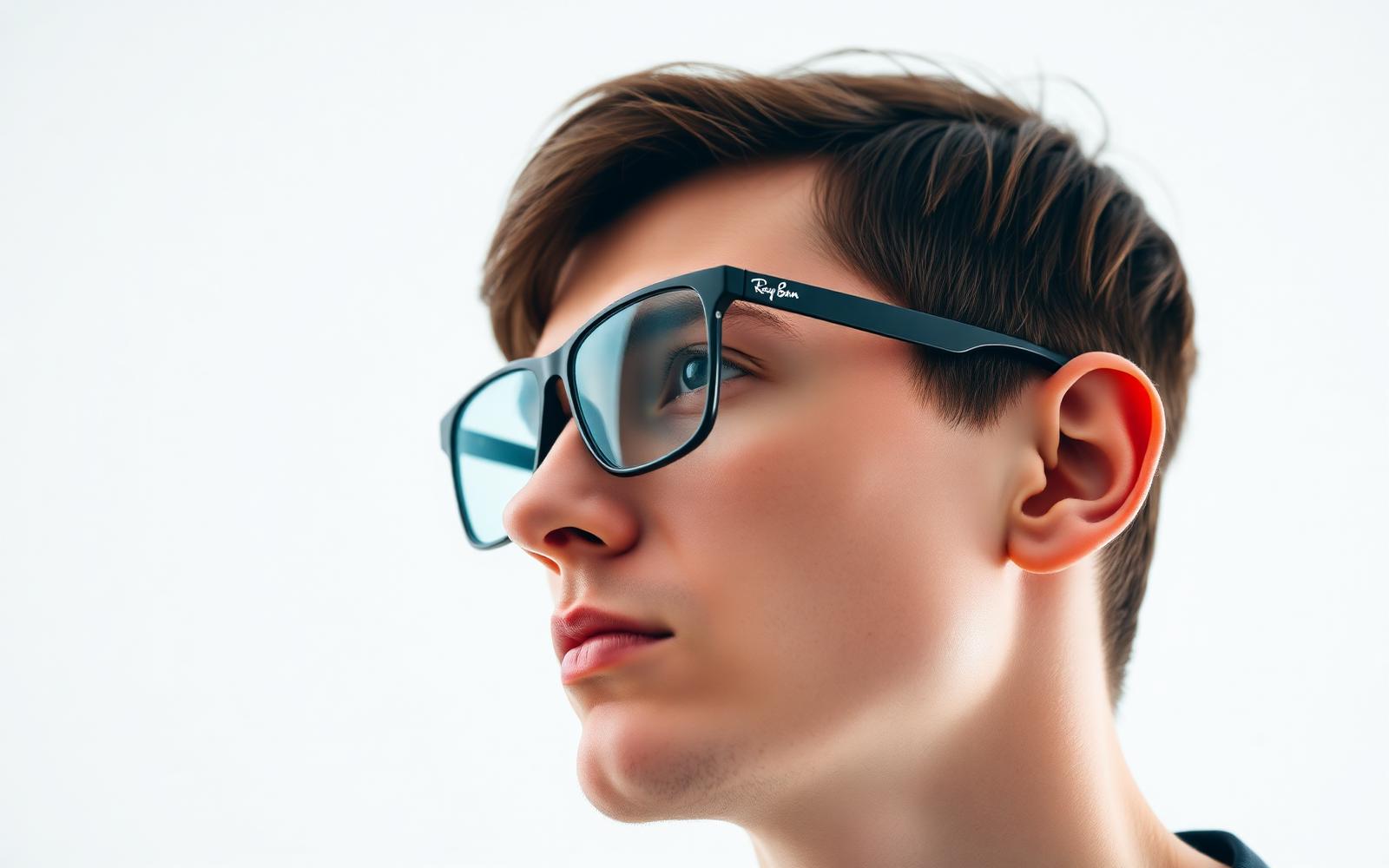
Person wearing Meta Ray-Ban Display AI glasses, profile shot
There is a particular moment, somewhere around day three of wearing the new Meta Ray-Ban Display, when you stop noticing them. The glasses don't disappear, exactly — they just stop being a product. They become the way you see, message, navigate, and ask questions.
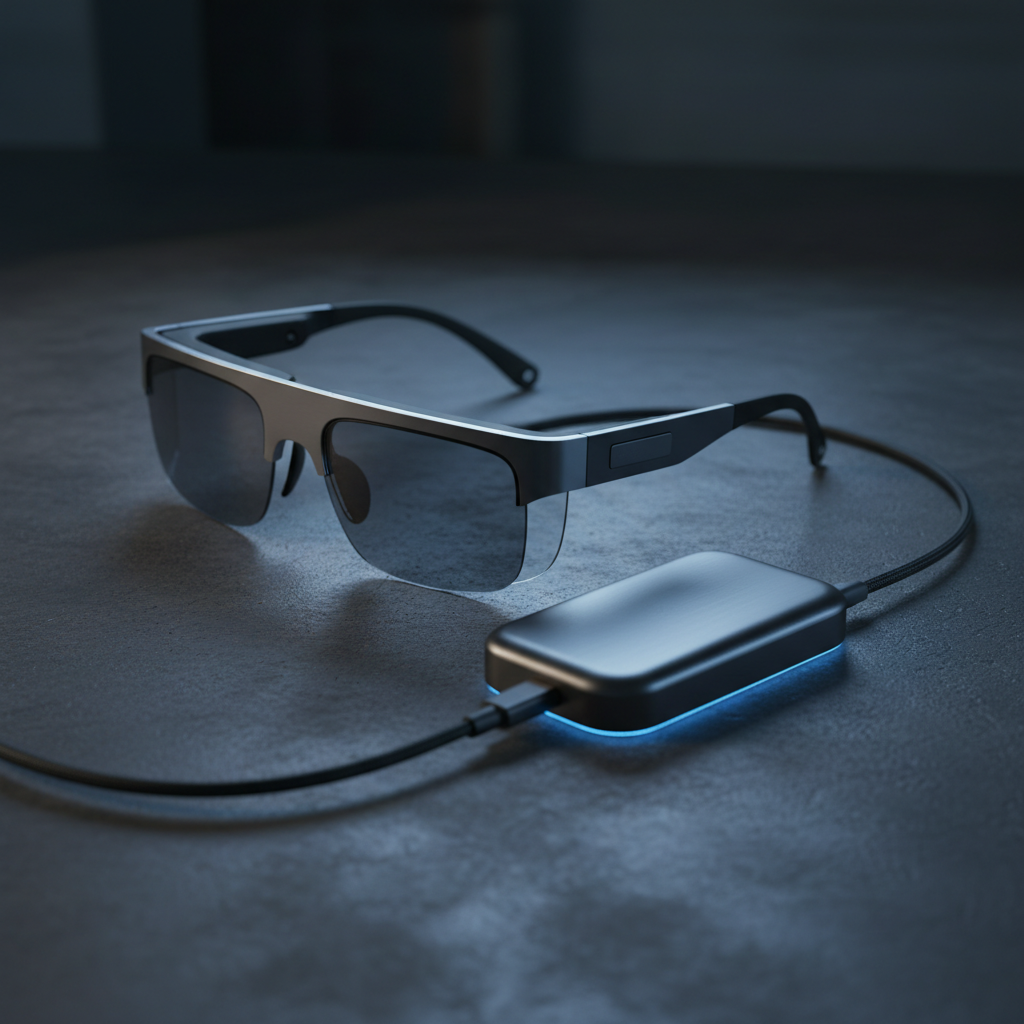
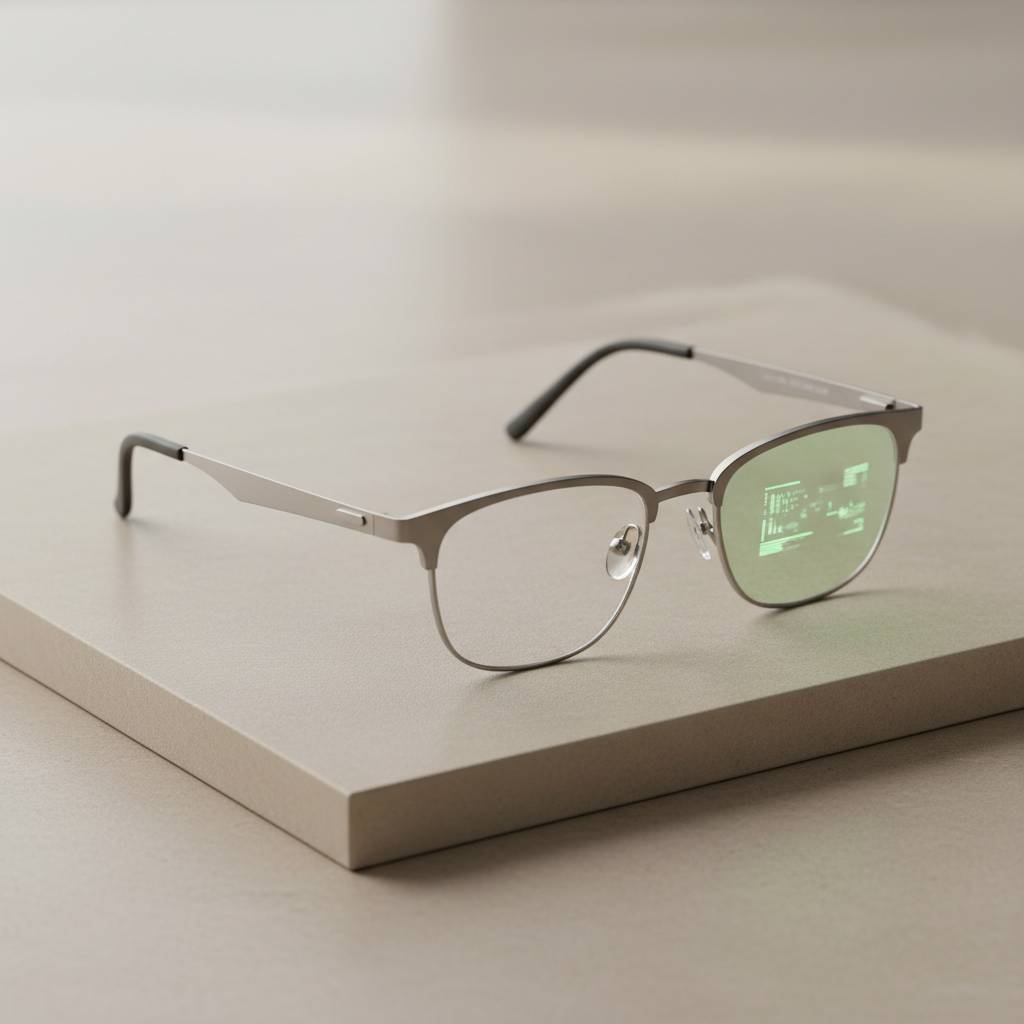
Meta has shipped smart glasses before. None felt like this. The on-lens HUD is small enough to ignore and bright enough to read in direct sun. The on-board Llama assistant answers in under a second. And the new EMG wristband — a black neoprene cuff that reads finger micro-movements — turns the whole rig into a wearable computer you control without lifting a hand.
The fit is the same Ray-Ban Wayfarer shape you already know. The arms are thicker. The weight, 51 grams, is noticeable for the first hour and forgotten by lunch.
What changes everything is the always-on context. Walk into a coffee shop and Meta AI quietly recognizes the menu board. Look at a street sign in Tokyo and live translation overlays in your peripheral vision. None of this is new on a phone. It is new on your face.
The battery still lags. Meta promises four hours of mixed use; we got three and a half. The case adds two full recharges, which is fine for a workday and tight for a weekend.
Privacy is the sharper question. The capture LED is more visible than on the previous generation, but in a crowded bar it is still easy to miss. Regulators in the EU are already drafting rules. Expect that conversation to get louder before these ship in volume.
For now, the verdict is simple. The Meta Ray-Ban Display is the first pair of AI glasses that earns the second word in its name. It's not a phone replacement. It's a phone reducer. That, in 2025, is enough.
Share this story