Reviews · Rokid
Rokid AR Spatial Review: China's Most Convincing Answer to Vision Pro
Rokid's new AR Spatial pairs a tethered display module with a full Android XR experience — and at a fraction of Apple's price.
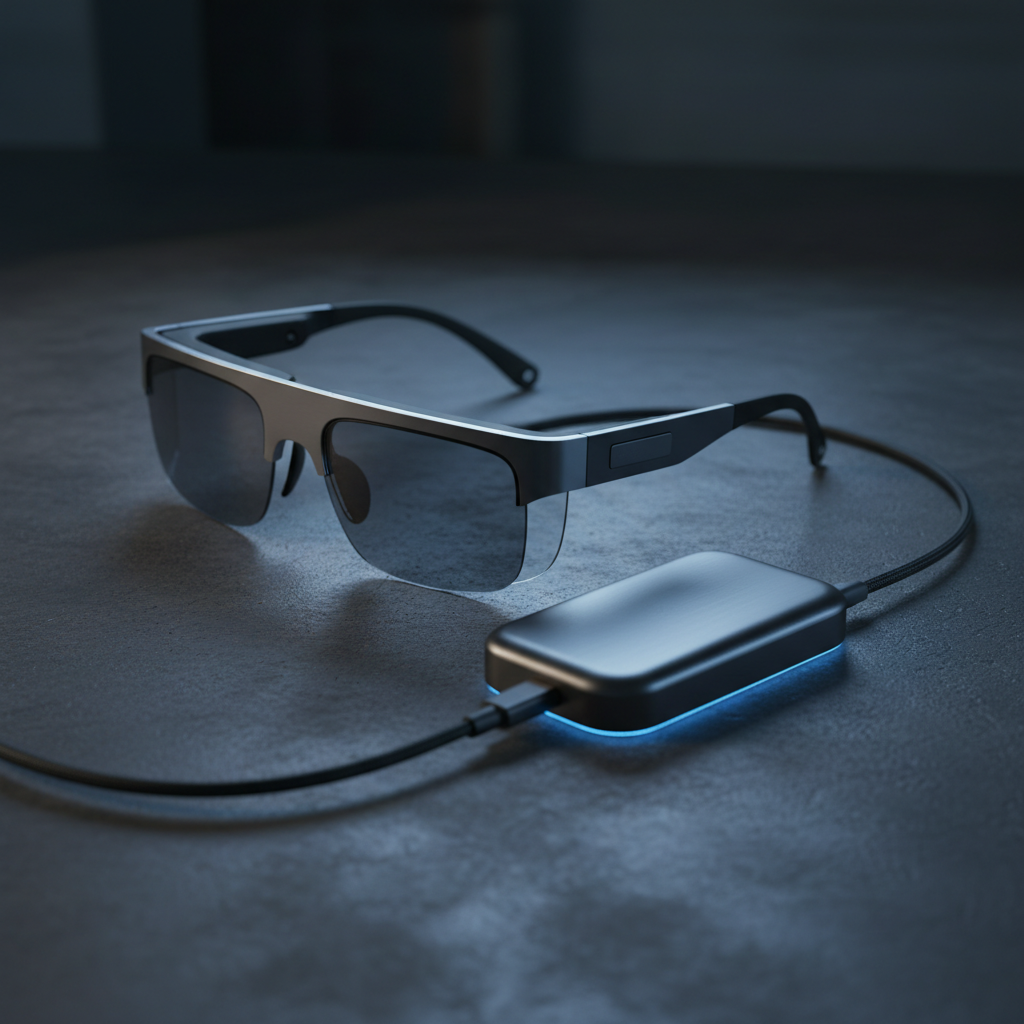
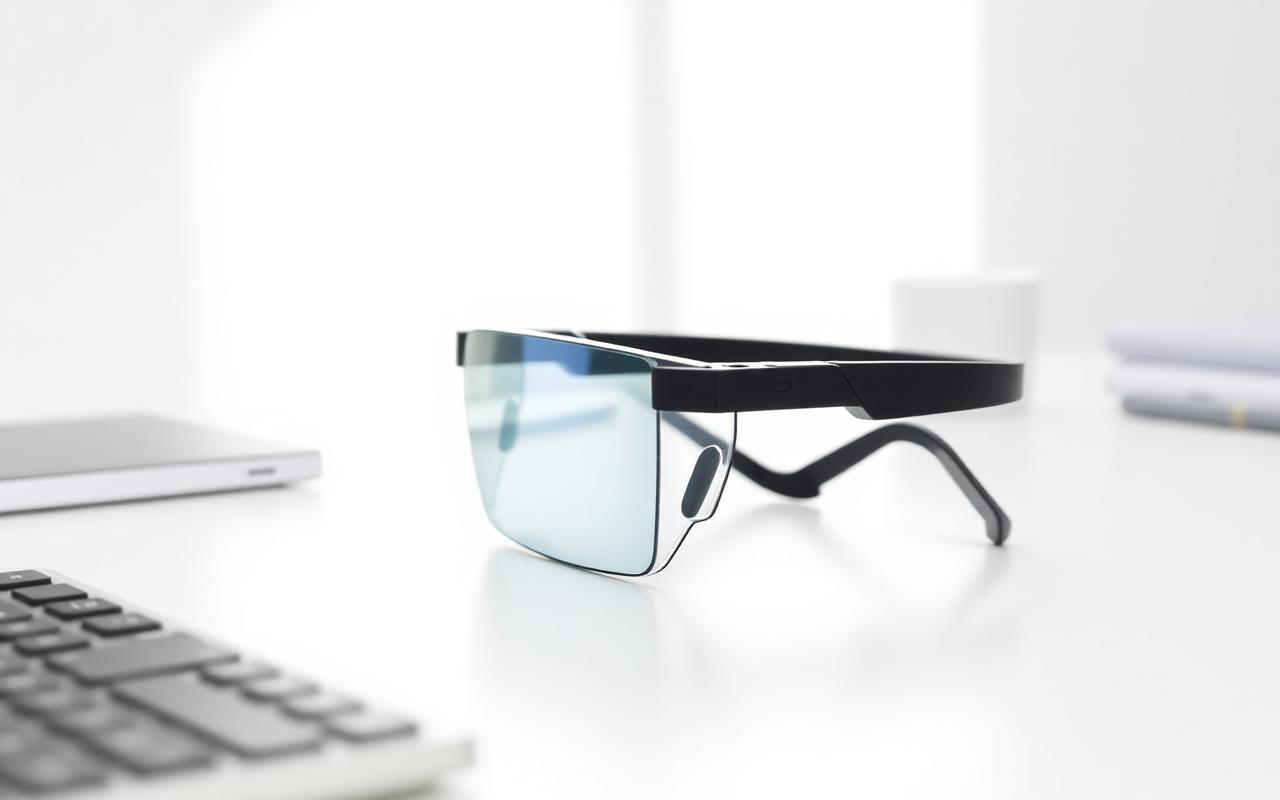
Rokid AR Spatial smart glasses with tethered compute puck
Hangzhou-based Rokid has been quietly shipping consumer AR glasses since 2018, but the new Rokid AR Spatial feels like the first product where the company's ambition matches its execution. After two weeks of daily use, it is also the most legitimate Android XR device a Chinese vendor has ever put on a Western reviewer's face.
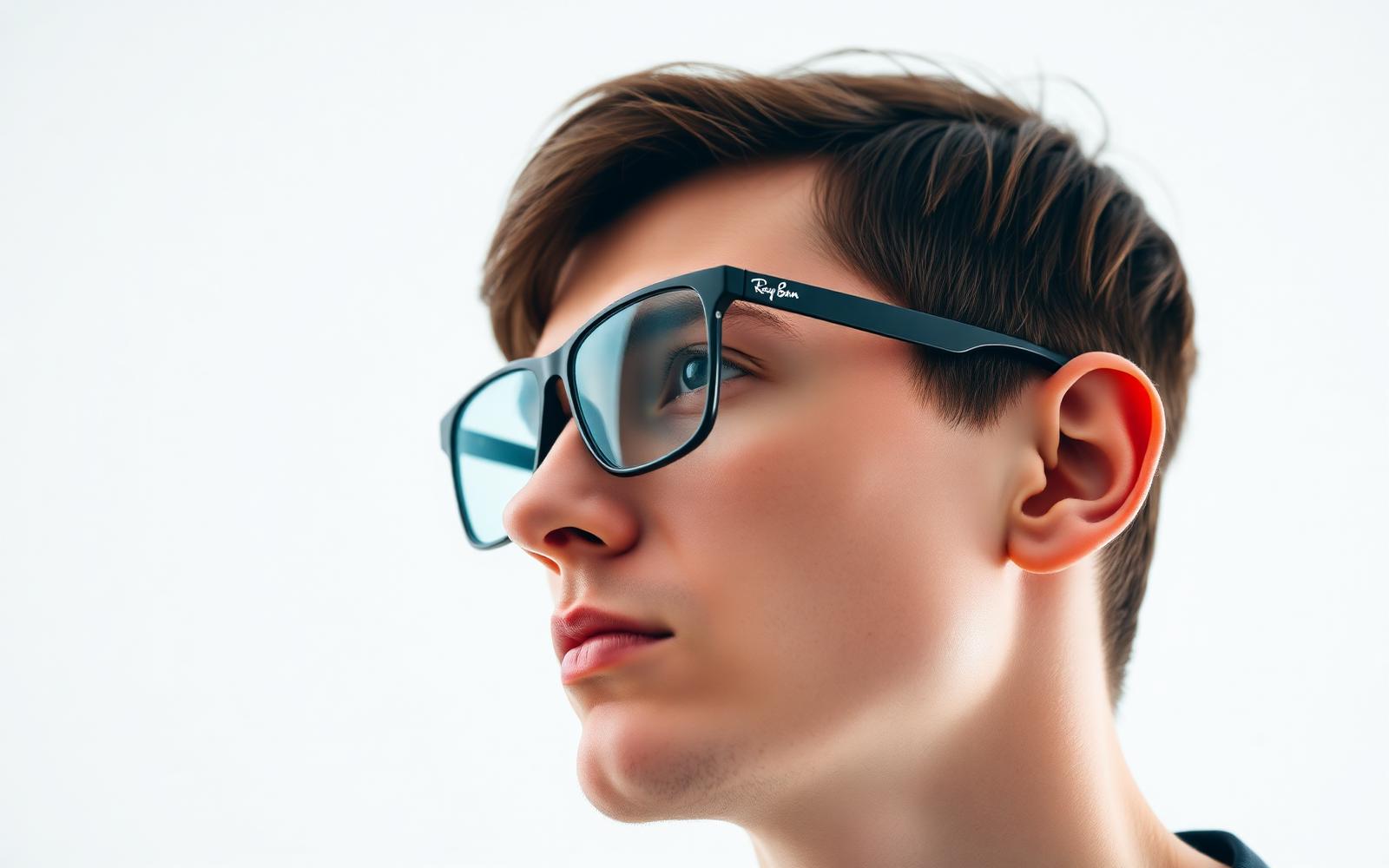
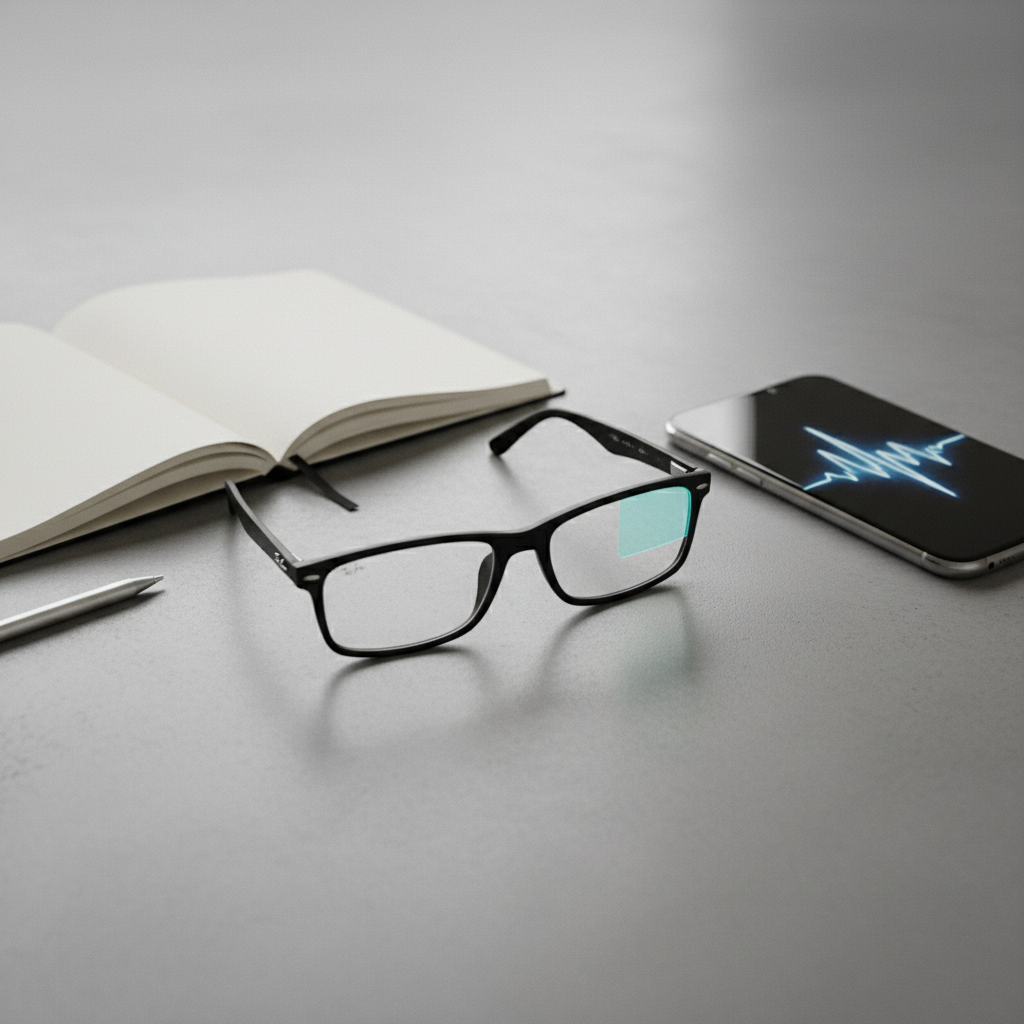
Physically the Spatial looks like a slightly chunky pair of sunglasses, weighing in at 75 grams. Twin Sony micro-OLED panels deliver a 1080p image per eye at a 50-degree field of view — narrower than Vision Pro, wider than Ray-Ban Meta's peripheral HUD. The glasses tether via USB-C to a small puck that contains the Snapdragon XR2 Gen 2 chip, the battery, and a fan that is, mercifully, almost silent.
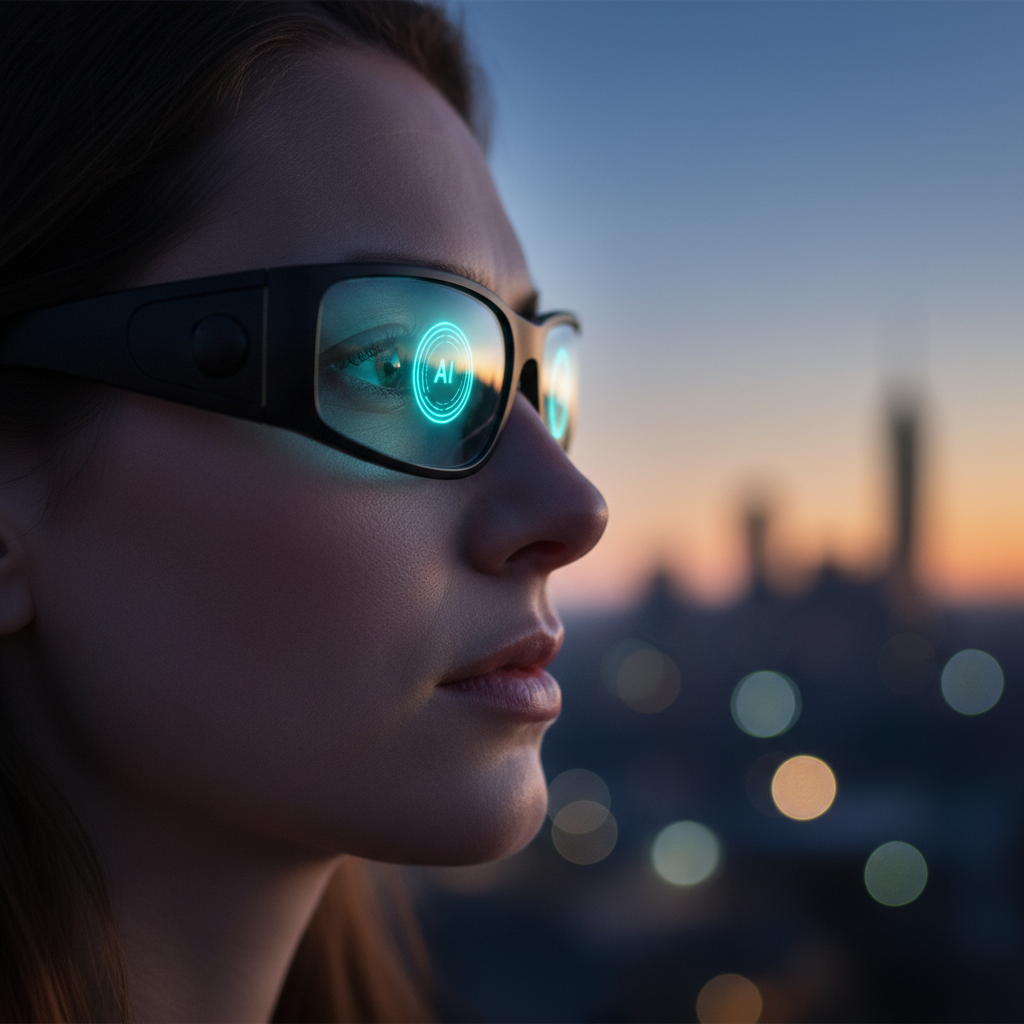
The software story is where Rokid pulls ahead of every other Chinese competitor. The Spatial ships with a customised build of Android XR, Google's long-rumoured spatial OS, complete with the standard launcher, multi-window management, and a Play Store that already lists hundreds of compatible apps. YouTube renders as a floating cinema screen. Google Maps becomes an ambient navigation overlay. It feels, finally, like a real platform rather than a tech demo.
Hand tracking is solid if not Apple-grade. Pinch gestures register reliably in good lighting, and a paired ring controller fills the gap when accuracy matters. Eye tracking is absent — a noticeable omission in 2026 — but Rokid argues the savings in weight and cost are worth it. After a week, I stopped missing it.
There are rough edges. Battery life on the puck tops out at three hours of mixed use. The glasses get warm against the temples during long sessions. And outside of Mainland China, the bundled voice assistant frequently defaults to Mandarin even after switching the system language. Software updates promise to fix the latter; the former is just physics.
At $899 retail, the AR Spatial costs less than a quarter of an Apple Vision Pro and ships with most of the spatial computing experience that justified that headset's price tag. For developers, prosumers, and the growing class of Android XR believers, it is the easiest recommendation in the category. Rokid has built the first Chinese smart glasses I would happily wear in public — and on a long-haul flight.
Share this story