ニュース · Google· 日本語 — auto
GoogleのAndroid Developer Challenge: MLを活用したアプリがAIグラスの未来を指し示す
最近Googleが主導した取り組みは、デバイス上での機械学習の限界を押し広げる革新的なアプリケーションを披露しました。これらの受賞アプリは、スマートアイウェア体験を変革する可能性を秘めたAI機能の一端を垣間見せます。

2020年6月22日、Googleは機械学習を活用したアプリケーションの革新を促すための取り組みであるAndroid Developer Challengeの受賞者10組を発表しました。このチャレンジは、Googleのデバイス上ML技術を活用したアプリの開発を奨励することに重点を置いており、受賞プロジェクトは現在一般公開されています。
Google Blog - Android XRの報道によると、これらの受賞アプリケーションは健康モニタリングから農業支援まで、多岐にわたる機能を示しています。同メディアは、これらのアプリが「Googleではなく開発者によって個別に作成された」と指摘し、チャレンジによって育まれた独立したイノベーションを強調しています。このアプローチは、Gmailの予測テキストやGoogle Lensの人気メニュー項目識別機能といった、Google独自の統合されたML機能とは対照的です。ブログではこれらの機能が「一日を通してより速く、より簡単に物事をこなす手助け」になると述べています。
主要な受賞作の1つは、視覚障がい者を支援するために設計されたアプリケーション「Pathfinder」です。Google Blog - Android XRによると、これはユーザーが「経路内の動く物体を識別し、その軌道を計算することで、複雑な状況をナビゲートする」のに役立ちます。もう1つの注目すべき受賞作「MixPose」は、ライブストリーミングプラットフォームであり、ヨガインストラクターがオンデバイスのポーズ追跡を利用して、生徒にリアルタイムのフィードバックとアライメント修正を提供できるようにします。
受賞アプリの範囲は世界中に広がり、「AgriFarm」や「AgroDoc」(それぞれパキスタン、バローチスタン州、インド、コーチ市発)のようなプロジェクトは、農家向けの植物病害検出と治療に焦点を当てています。コンゴ民主共和国ゴマで開発された「Eskke」はモバイルマネー管理を簡素化し、インド、ベンガルール発の「Leepi」は、アメリカ手話のジェスチャーを学ぶ学生を支援します。
その他の影響力のあるアプリケーションには、睡眠音を識別・分析する「Snore & Cough」や、FitbitやWear OSデバイスなどのウェアラブルと連携してストレスレベルを監視・管理するように設計された「Stila」があります。環境保護の取り組みでは、「Trashly」がカメラを向けるだけでリサイクル可能な品目を分類するオブジェクト検出を利用し、「UnoDogs」はペットの飼い主にカスタマイズされた健康情報とフィットネスプログラムを提供します。
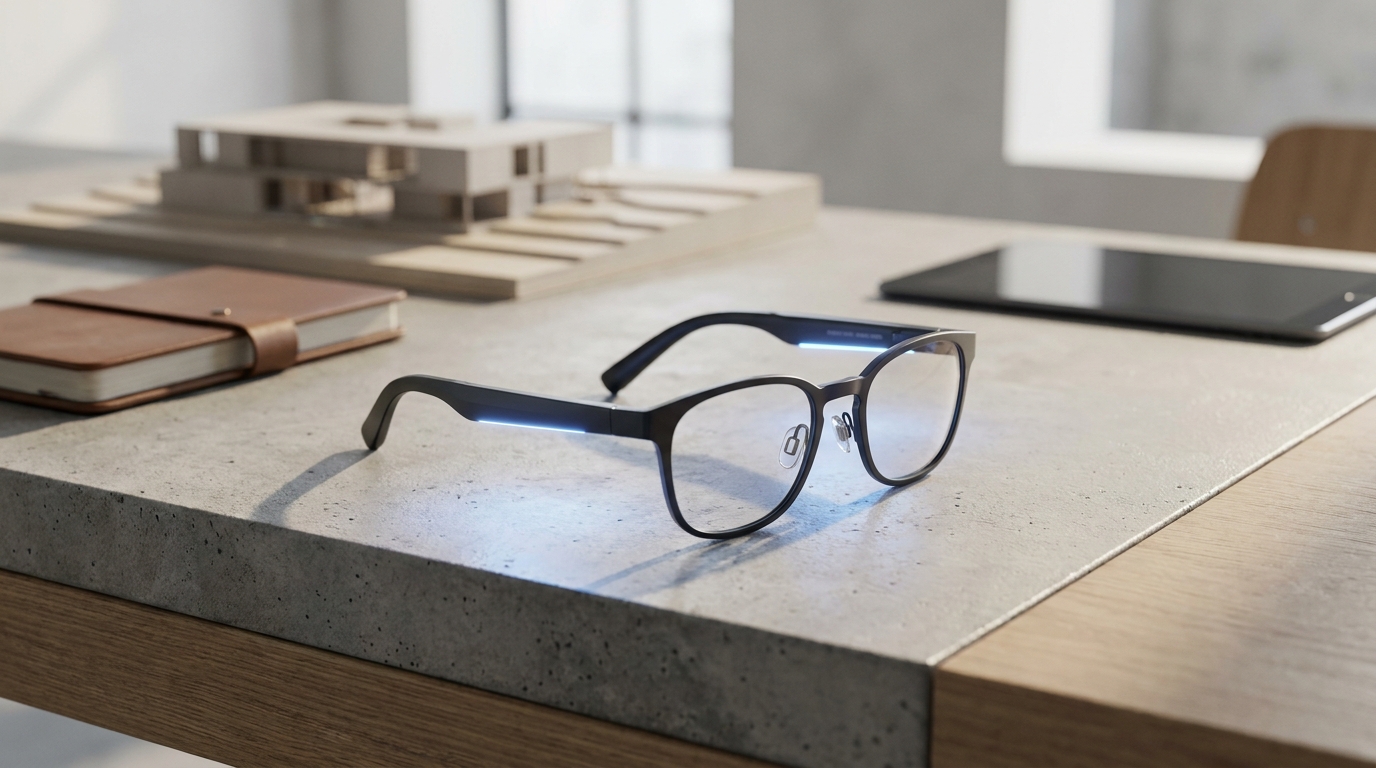
私たちの見解:これらのアプリはもともとスマートフォン用に開発されたものですが、Android Developer Challengeの受賞者が示した基盤となるデバイス上機械学習機能は、スマートグラスの未来に直接関連しています。「Pathfinder」のようなアプリケーションは、AIアイウェアがリアルタイムの環境認識を提供することで、アクセシビリティをどのように向上させることができるかを明確に示しています。同様に、「Trashly」の物体認識や「MixPose」のポーズ追跡も、AR環境内でのシームレスなハンズフリー操作や支援に容易に変換できるでしょう。これらの開発は、強力なエッジベースAIが、単なる通知を超えて真にインテリジェントで文脈認識型の支援を提供する次世代のスマートグラスの有用性を推進する、高まる可能性を示しています。
Interactive guide — prices, displays, cameras, battery.
この記事をシェア