Smart Glasses Daily

ガイド · Baidu· (English original)

Baidu's Vision: The AI Giant Enters the Smart Glasses Arena

Baidu isn't just another tech company dipping its toes in smart glasses; it's a strategic move by an AI powerhouse. With its Xiaodu AI Glasses, Baidu is leveraging its foundational AI, Ernie, to redefine hands-free interaction.

A. TANAKA· Japanese 特派員·2026年5月6日·4 分で読了
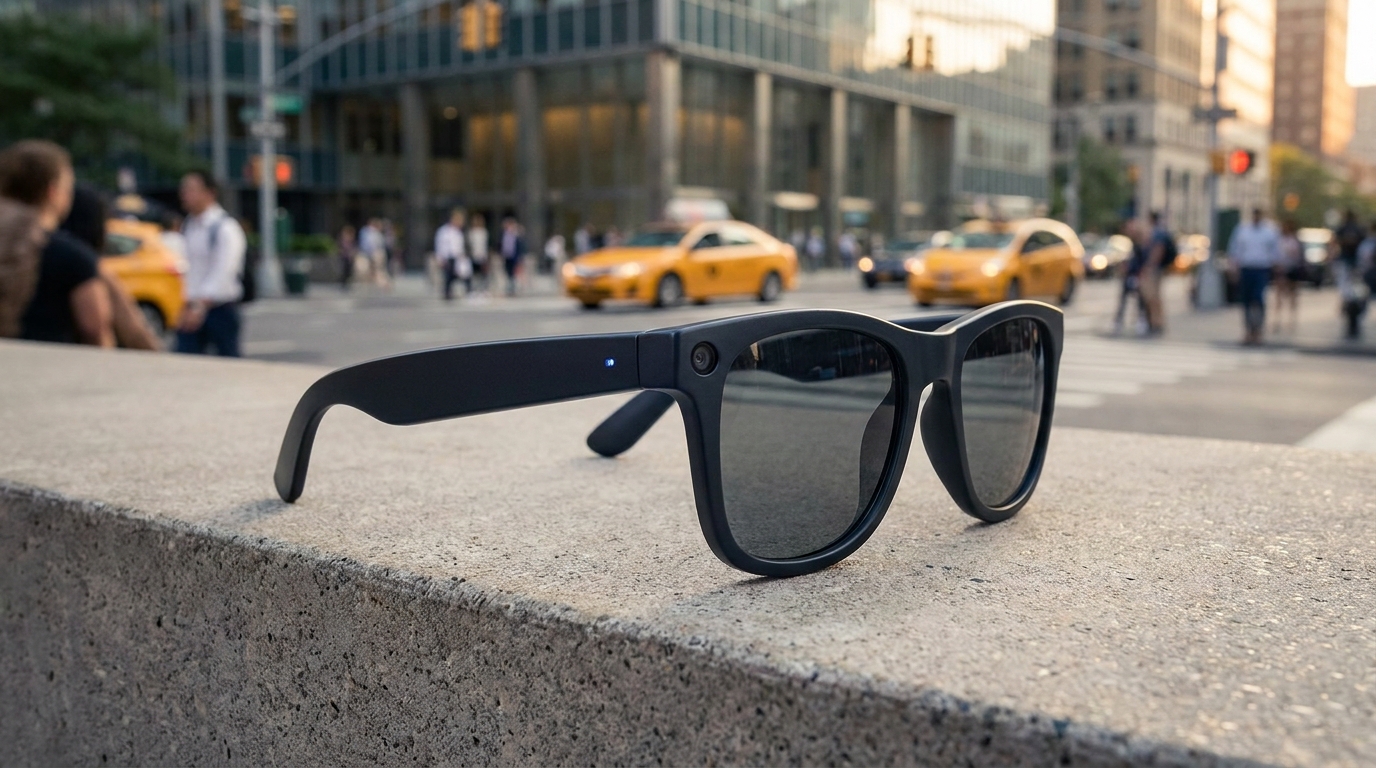
Baidu Xiaodu AI Glasses in a sleek, minimalist editorial setting, highlighting their lightweight design and integrated camera

Baidu Xiaodu AI Glasses in a sleek, minimalist editorial setting, highlighting their lightweight design and integrated camera

A new player has entered the smart glasses fray, and this one carries significant weight: Baidu. Often recognized as China's Google, Baidu's entry into wearable AI isn't a speculative gamble, but a calculated expansion of its formidable AI empire. Their arrival demands immediate attention, signaling a future where advanced AI, already integrated into our digital lives, extends directly to our line of sight.

Baidu's thesis for smart glasses is singular and powerful: seamless, AI-powered assistance, delivered discreetly. With the launch of the Baidu Xiaodu AI Glasses, they are not just creating hardware; they are extending the reach of their core competency—artificial intelligence—into a new, intimate form factor. This isn't about augmenting reality with flashy visuals; it's about augmenting human capability with intelligent assistance, moment by moment.

Baidu is a titan in the Chinese technology landscape, a diversified conglomerate with deep roots in search, AI, autonomous driving, and cloud computing. Their history is one of relentless innovation, particularly in AI, where they have consistently pushed boundaries with models like Ernie. The smart glasses venture aligns perfectly with their overarching strategy to bring AI to every aspect of daily life, and the timing suggests a matured confidence in AI's readiness for such a personal device.

The target segment for Baidu's smart glasses is clear: users who prioritize intelligent, proactive assistance over elaborate AR visuals. Think professionals needing real-time translation, content creators, or anyone seeking a lightweight, hands-free interface to a powerful AI. This focus on practical, utility-driven AI distinguishes them from companies chasing immersive mixed reality experiences.

At the heart of Baidu's smart glasses offering is the Baidu Xiaodu AI Glasses. These are not a concept or a future promise; they are shipping now. Priced at a highly accessible $280, these AI glasses weigh a mere 45 grams, positioning them as an ultralight contender in the wearable tech space. A key feature is the integrated camera, designed to facilitate a range of AI-powered functionalities.

The true differentiator for the Xiaodu AI Glasses lies beneath the surface: Baidu's Ernie 4.0 (Wenxin) AI model. This advanced large language model powers the glasses, enabling features like live translation and intelligent contextual assistance. While specific details on display type or field of view are not extensively publicized, the emphasis is clearly on sophisticated AI processing and interaction, rather than complex visual overlays.

These glasses represent Baidu's commitment to delivering practical AI in a wearable format. The low weight and relatively affordable price point suggest a play for broad adoption, making advanced AI more accessible. The presence of a camera immediately opens doors for real-time visual analysis, object recognition, and enhanced contextual understanding, all processed by Ernie's capabilities.

Comparing Baidu's approach to the current landscape reveals distinct strategies. While Samsung is pushing the boundaries of immersive computing with its Galaxy XR headset and Android XR glasses, aiming for high-fidelity virtual experiences, Baidu's Xiaodu AI Glasses opt for minimalist utility. Samsung's devices are larger, more expensive, and geared towards comprehensive mixed reality. Baidu, in contrast, prioritizes portability and discreet AI assistance.

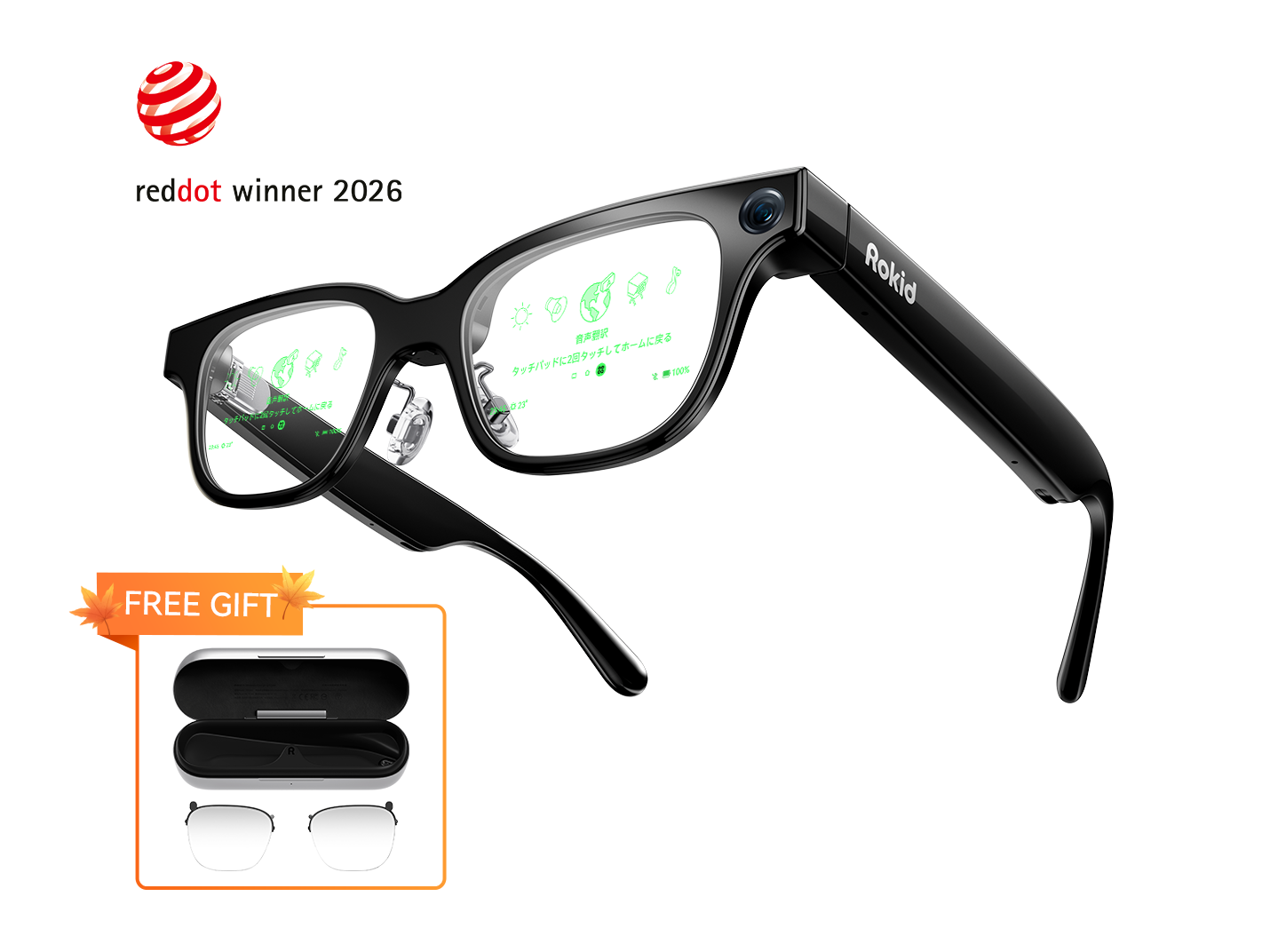
Against competitors like Rokid, who offer a range from the heavier AR Spatial to the more streamlined AR Lite and Rokid Glasses, Baidu carves its own niche. Rokid's offerings blend AR visuals with AI, catering to a broader spectrum of use cases from entertainment to productivity. Baidu, however, makes a distinct choice to lean heavily on conversational AI and real-time processing, with visual augmentation taking a backseat to intelligent auditory and contextual prompts. The Xiaodu's 45g weight and $280 price point also undercut many of Rokid's more feature-rich, and often heavier, AR glasses.

Even Realities, with their focus on minimalist HUD glasses like the G1, shares some philosophical ground with Baidu in terms of lightweight design and functional utility. However, Even Realities emphasizes basic information overlays and sleek aesthetics. Baidu's strength lies in its deep AI integration via Ernie 4.0, offering a far more sophisticated and proactive intelligent layer than a simple HUD. The Xiaodu isn't just displaying data; it's interpreting, translating, and assisting.

The Smart Glasses Daily verdict on Baidu is unequivocal: these are AI glasses for the AI-first generation. Their strengths are unmistakable: a feather-light form factor, an incredibly compelling price point, and the undeniable power of Baidu's Ernie 4.0 AI at its core. This combination positions them as a potent tool for anyone needing intelligent assistance without the bulk or distraction of a full AR headset. The live translation feature alone could prove transformative for frequent travelers or international professionals.

However, the minimalist approach also reveals a potential weakness: for users expecting rich visual AR overlays or immersive mixed reality, the Xiaodu AI Glasses are not designed to compete. Their play is in intelligent hearing and seeing, less in displaying. Over the next 12 months, we will be watching closely for how Baidu expands Ernie's capabilities within this form factor, particularly new applications leveraging the camera, and whether they can successfully scale their distribution beyond their home market to challenge the established players globally. Baidu's entry is not just an addition; it's a redefinition of what 'smart glasses' can be.

この記事をシェア

ウィークリーブリーフ

スマートグラスを、毎週金曜の朝あなたの受信箱に。.

毎週金曜の朝、鋭いメールを一通。無駄なし。ワンクリックで解除可能。

メールアドレスを共有することはありません。

関連記事

ユーザーの指にはまったSensoryx Magic Ringのクローズアップ写真。背景には洗練されたブランド不明のスマートグラスがぼかされて写っている。

Guides · Sensoryx

Sensoryx: ARを最終的に解決する魔法のリングにかけるスイスの賭け

長年、ARグラスの操作は、タップ、スワイプ、ぎこちないジェスチャーといった厄介なものでした。スイスの新興企業は、高精度のリングこそがその答えであり、空間コンピューティングをようやく自然なものにできると信じています。

W. CHEN·4 min read

Apr 21, 2026

話題の中心

話題の記事

今週、空間コンピューティングで最も議論を呼んでいる記事。

あなたへの選りすぐり

あなたへ

レビュー・ニュース・分析の中から、見逃していたかもしれない記事を厳選。