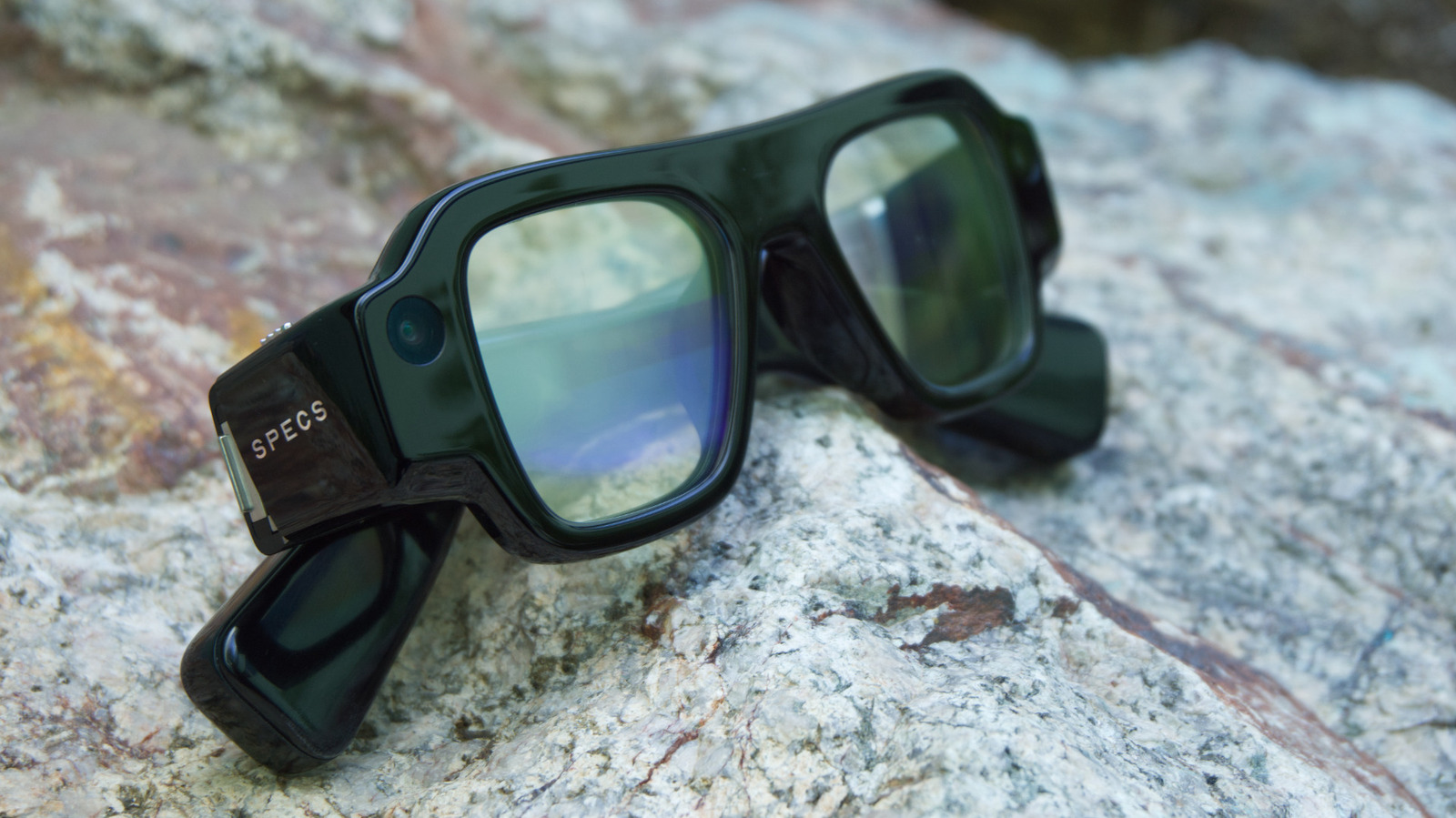
Analyses · —· Français — auto
Vos lunettes sont sur le point d'accueillir un fantôme dans la machine
Les lunettes connectées ne sont plus une affaire de matériel. La vraie bataille se joue sur la couche d'IA qui se placera entre votre visage et le monde.
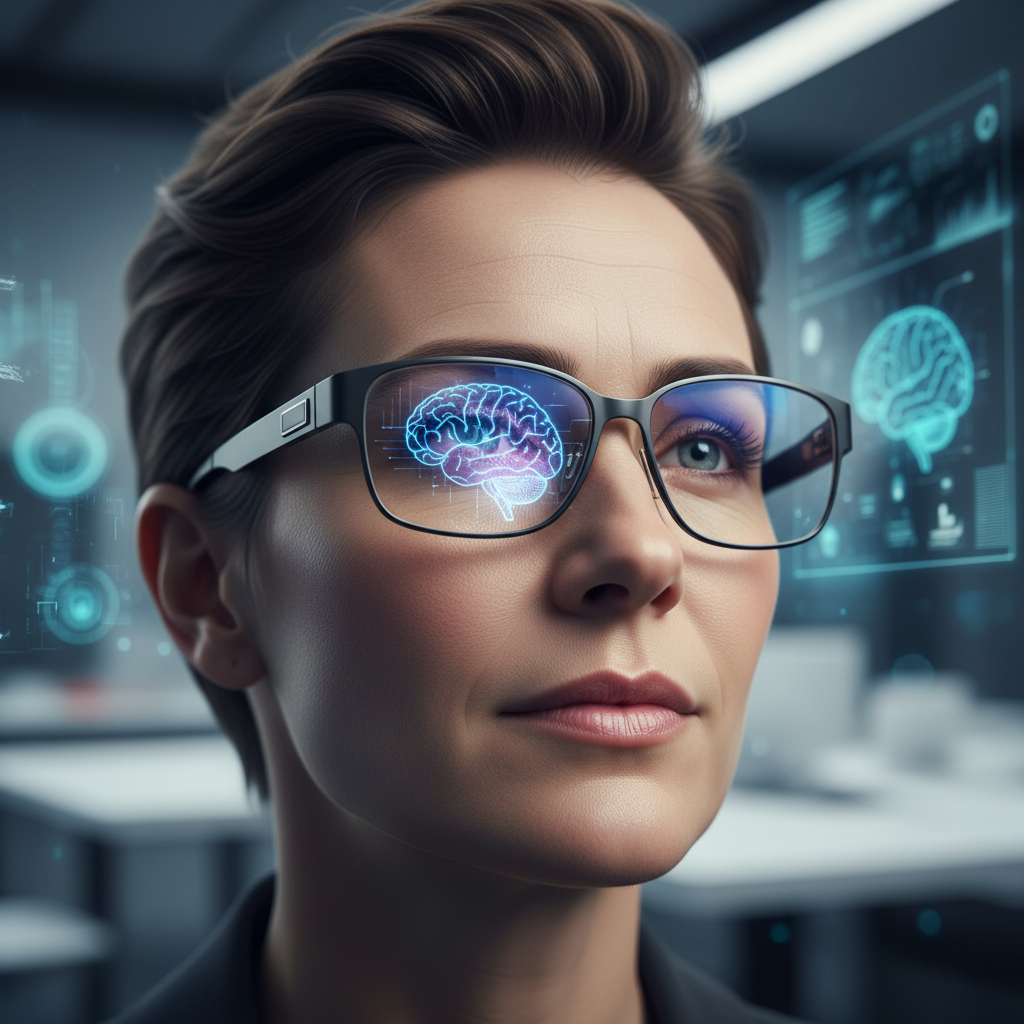
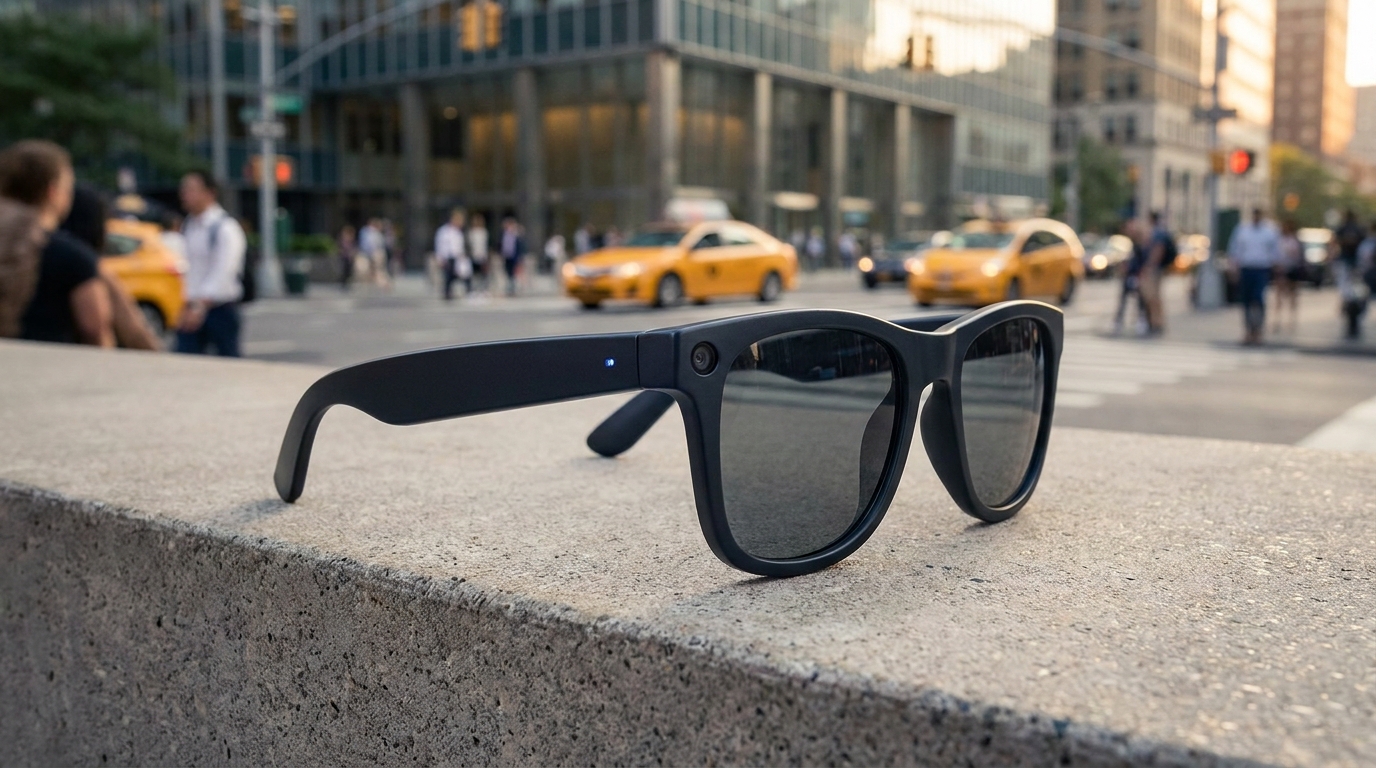
Soyons clairs sur un point : le débat sur le fait de savoir si les gens porteront des lunettes connectées est terminé. Le succès commercial de la collaboration Ray-Ban Meta a prouvé que si vous parvenez à un design réussi, les gens mettront un ordinateur sur leur visage. Mais s'obséder sur le matériel, c'est manquer l'essentiel. Les preuves s'accumulent, des budgets aux lancements de produits concurrents, montrant que la vraie guerre est pour l'IA qui vivra à l'intérieur de la monture - une intelligence persistante et conversationnelle qui médiatisera votre réalité.
Meta et Ray-Ban ont déchiffré la première partie du code : créer un objet désirable. Comme l'indique leur propre guide de marque, l'enjeu est le style, pas les écrans. Le résultat, comme le dit WIRED, ce sont « quelques-unes des plus belles lunettes que j'aie jamais portées ». Cette stratégie a normalisé l'idée d'un ordinateur facial, mais la caméra et l'audio ouvert n'étaient qu'un cheval de Troie. Le vrai produit est l'IA Meta intégrée, un assistant capable de tout, de l'identification de la flore à la fourniture d'informations en temps réel.
Cette approche centrée sur l'IA est le nouveau champ de bataille, et le matériel devient rapidement une marchandise. Il suffit de regarder Huawei, qui vient de lancer ses propres lunettes connectées équipées d'une caméra sous HarmonyOS. L'ensemble des fonctionnalités - une caméra de 12 MP, la traduction, un assistant vocal - fait écho presque parfaitement à l'offre de Ray-Ban Meta. Le seul facteur de différenciation significatif de Huawei est une victoire sur la fiche technique en matière d'autonomie de la batterie, ce qui souligne que l'appareil physique est désormais un modèle, un réceptacle interchangeable pour une intelligence concurrente.
Ce pivot vers l'IA en tant que produit explique l'anxiété des investisseurs qui entoure EssilorLuxottica. Le conglomérat de l'optique ferait face à des pressions concernant les marges plus faibles sur ses collaborations high-tech. Ce n'est pas une surprise. Lorsque le matériel devient un conteneur pour l'IA d'un partenaire technologique, la valeur se déplace de la monture physique vers les logiciels et les services - un domaine où un fabricant de lunettes a peu de contrôle et réalise moins de bénéfices.
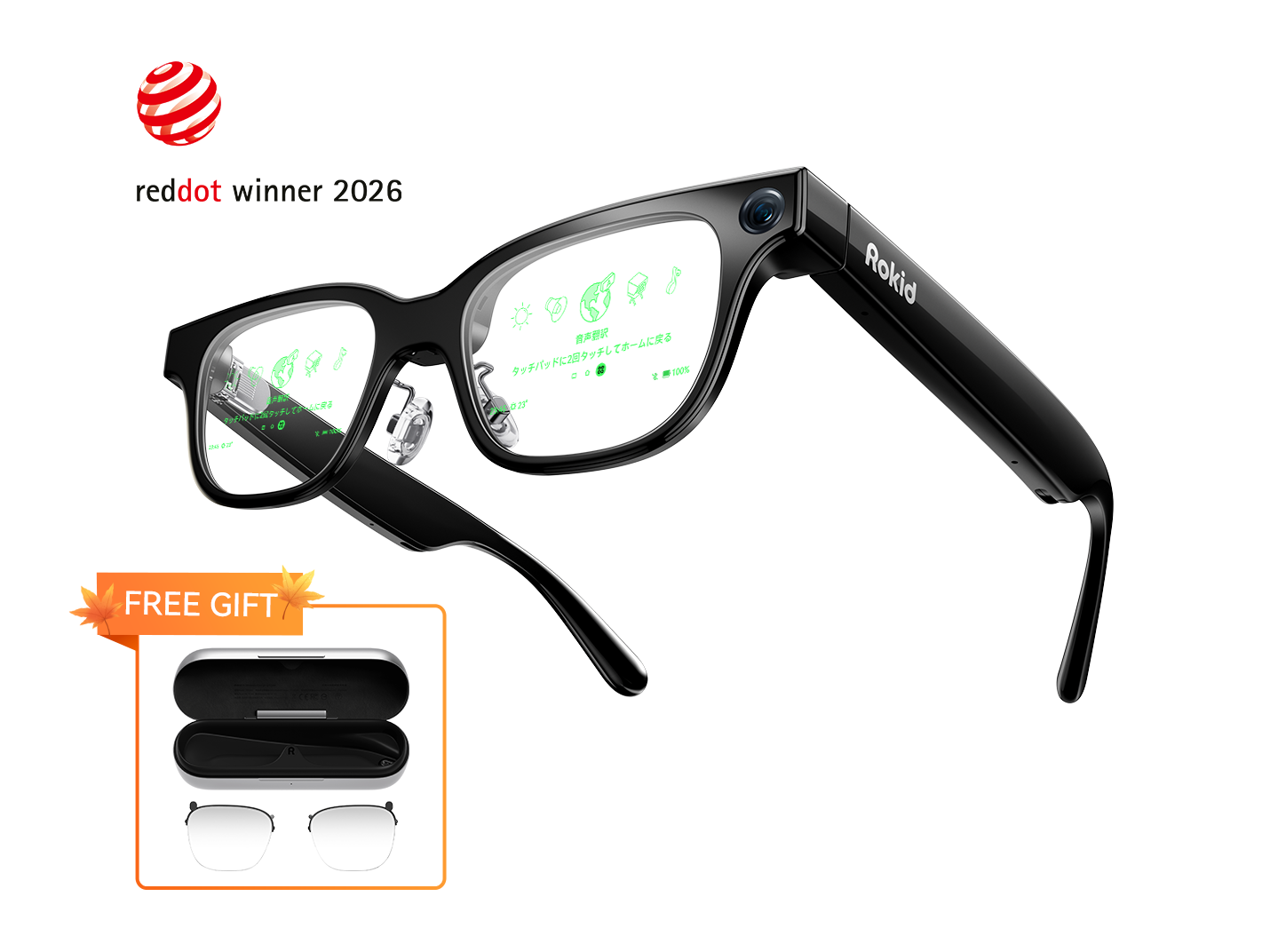
C'est pourquoi la prochaine phase de cette guerre ne portera pas sur les gadgets, mais sur les plateformes. Comme nous l'avons déjà dit, l'« invasion Android XR » est en marche. Le marché désordonné et fragmenté des produits uniques de marques comme Reebok et Huawei est sur le point d'être consolidé par un mouvement de tenaille de Google et Samsung, transformant cela en une véritable guerre des plateformes. Votre prochaine paire de lunettes connectées ne sera pas seulement « intelligente » ; elles seront un point d'accès pour Meta AI, Google Assistant ou Siri.
Et Apple s'apprête à tout réduire en cendres. Selon Mark Gurman de Bloomberg, Cupertino prépare un « assaut à multiples facettes » conçu pour « couper l'herbe sous le pied » de Meta. La stratégie ne se limite pas à une seule paire de lunettes ; c'est un écosystème complet qui comprend plusieurs prototypes, des AirPods équipés d'une caméra et un appareil portable dédié à l'IA. Apple n'essaie pas seulement de vous vendre une monture ; elle orchestre une entrée sur le marché pour faire de son IA la couche indispensable entre vous et le monde, profondément intégrée à l'iPhone.
Le développement rapporté par Apple de quatre designs distincts de lunettes IA - internement surnommés N50 - confirme une stratégie délibérée et patiente. Avec des styles allant de montures à la Wayfarer à des designs imitant les propres lunettes de Tim Cook, Apple vise à couvrir le marché avec un large choix. Mais la véritable arme est l'intégration transparente avec iOS, créant un jardin clos pour votre visage qui ferait passer l'avance initiale de Meta pour un lointain souvenir.
Pendant des années, le plus grand obstacle aux lunettes connectées a été la gêne du contrôle - des tapotements maladroits sur la monture, des gestes peu fiables et des commandes vocales socialement embarrassantes. Alors que des acteurs de niche comme Sensoryx misent sur des contrôleurs physiques comme une « bague magique », les géants de la plateforme résolvent le problème de la saisie en faisant de l'IA l'interface. Lorsque vous pouvez avoir une conversation naturelle et continue avec vos lunettes, le besoin d'interaction physique recule considérablement.
Mais la commodité d'un compagnon IA toujours actif a un revers profondément troublant. La même technologie fondamentale qui permet à Meta AI d'identifier une plante avec une « voix étrangement joyeuse » peut être militarisée à des fins de surveillance. Et ce n'est pas une menace hypothétique ; c'est déjà une réalité.
Il suffit de regarder les 'ICE Glasses' du Département de la Sécurité intérieure. Des documents budgétaires révèlent un plan visant à équiper des agents fédéraux de lunettes utilisant l'IA en temps réel pour identifier des individus à distance, basées sur des données biométriques comme les traits du visage et la démarche. Ce n'est pas de la science-fiction. C'est une agence gouvernementale qui développe activement le potentiel dystopique de la technologie même que Meta normalise pour le grand public.
La commodité de demander à vos lunettes : « Quel est ce bâtiment ? » est inextricablement liée au pouvoir de demander : « Qui est cette personne ? » L'essor de l'assistant IA toujours actif dans nos lunettes oblige à un compromis difficile et inévitable. Nous acquérons un outil puissant pour naviguer dans le monde, mais ce faisant, nous construisons et participons à une infrastructure sans précédent pour la surveillance, tant d'entreprise que parrainée par l'État.
Alors, à mesure que les guerres des plateformes s'intensifient et qu'Apple prépare son assaut méticuleusement planifié, souvenez-vous de ce qu'est réellement l'enjeu. Les baisses de prix sur les premières générations de Ray-Ban Meta ne visent pas seulement à écouler les stocks ; elles visent à accélérer l'adoption de la plateforme d'IA. Le jeu ne consiste pas à vous vendre une nouvelle paire de lunettes de soleil. Il s'agit de vous convaincre d'installer un nouveau système d'exploitation pour votre vie, avec tout le pouvoir, la commodité et le péril que cela implique.
Guide interactif — prix, écrans, caméras, autonomie.
Partager cet article