Guides · Specs· Français — auto
L'arrivée de Specs : Quand le luxe transforme le marché des lunettes connectées
Le nouvel arrivant Specs défie les acteurs établis en s'affirmant avec audace sur le marché des wearables de luxe. Leur entrée exige l'attention des passionnés comme des observateurs de l'industrie.
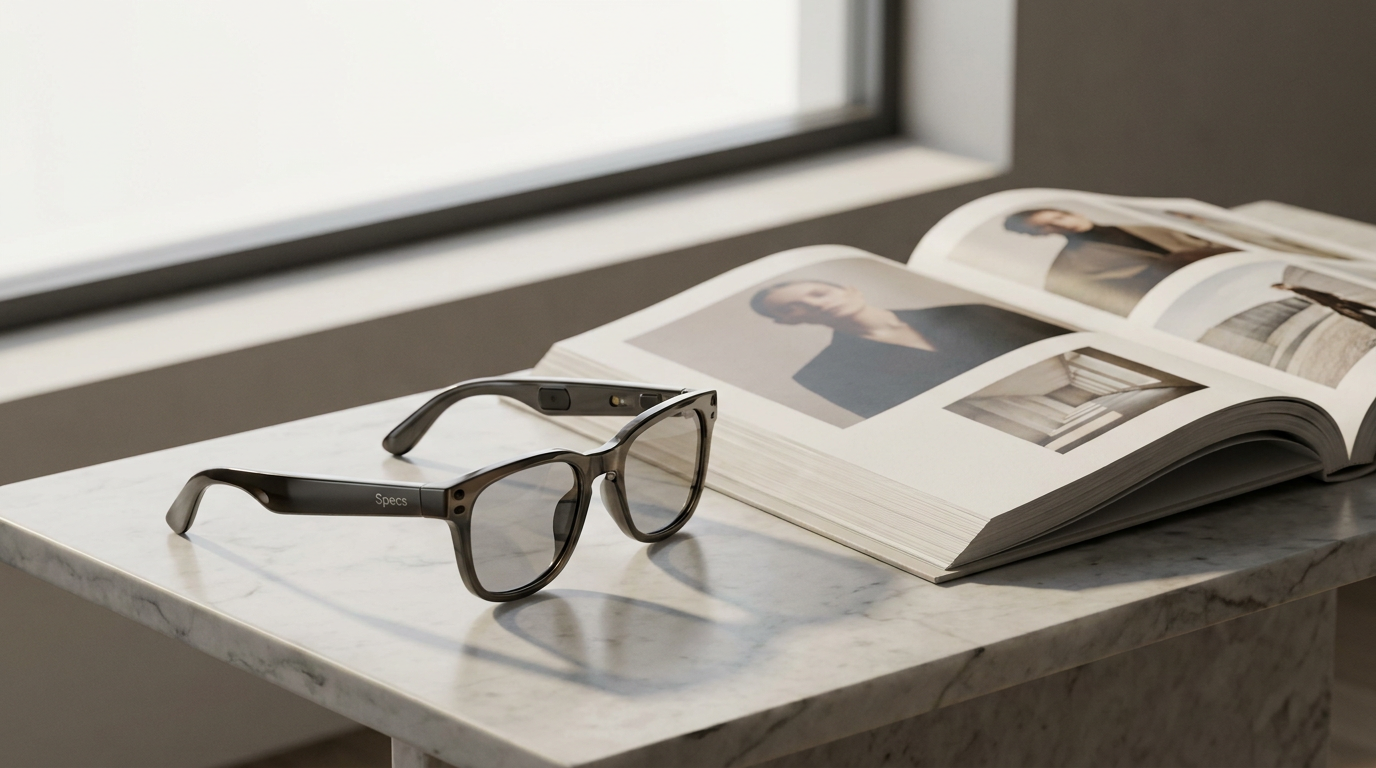
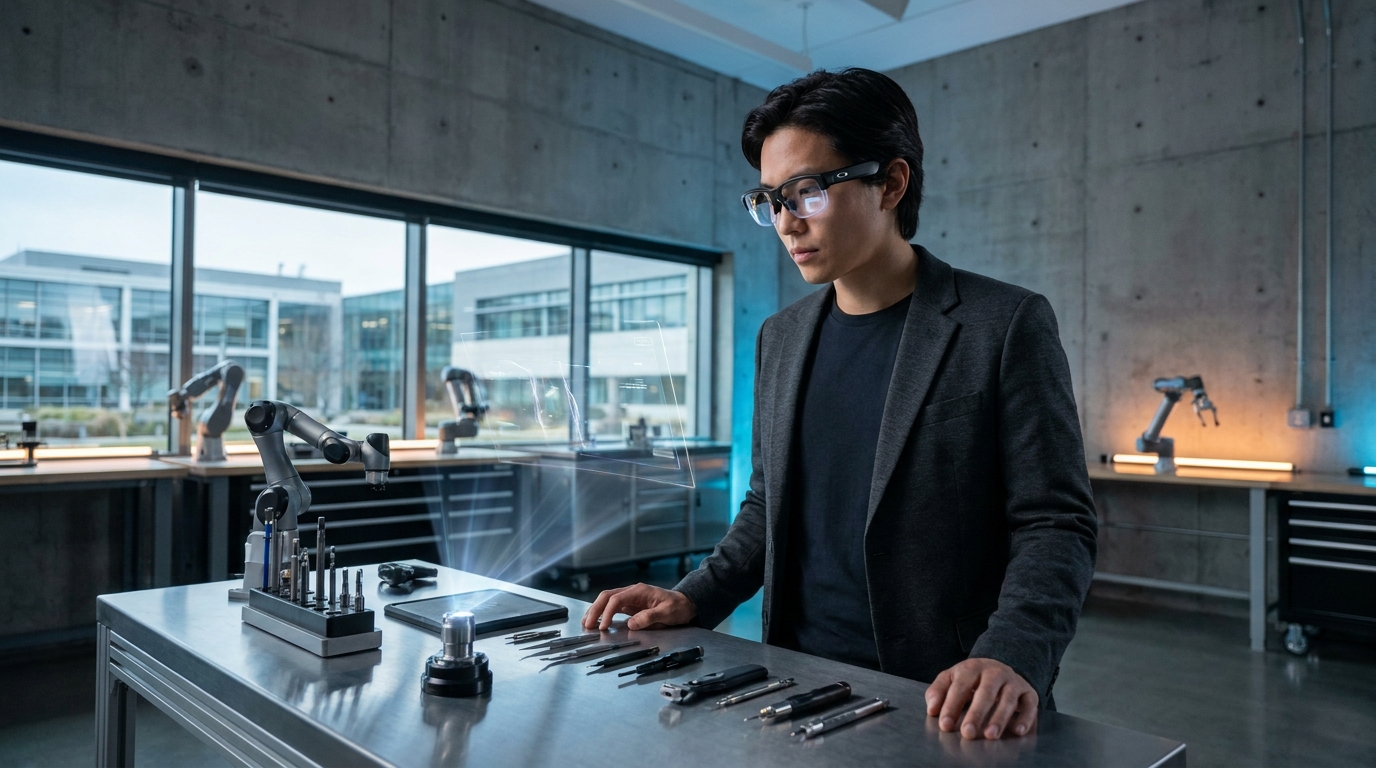
Le marché des lunettes connectées, autrefois le domaine exclusif des géants de la technologie et des développeurs d'AR de niche, connaît un changement sismique. Non content d'être simplement 'intelligent', un nouveau type de lunettes est en train d'émerger : le wearable de luxe. À l'avant-garde de ce pivot audacieux se trouve Specs, une marque qui ose redéfinir ce que les lunettes connectées peuvent représenter. Leur entrée ne concerne pas seulement un autre gadget; c'est un mouvement délibéré et calculé pour capter un segment premium, exigeant une nouvelle perspective de la part de tous ceux qui suivent cet espace.
Specs compte non seulement parce qu'ils sont nouveaux, mais aussi parce que leur stratégie s'attaque directement au plafond perçu du marché. Alors que d'autres courent après l'utilité ou l'adoption de masse, Specs se forge une identité ancrée dans l'exclusivité et le design haut de gamme. Il ne s'agit pas seulement de meilleurs composants; il s'agit de prestige, d'esthétique et d'une expérience utilisateur synonyme de produits de luxe. Cette approche pourrait être un coup de génie brillant ou une erreur de calcul spectaculaire, mais une chose est sûre : il est impossible de l'ignorer.
La question immédiate pour beaucoup est : 'Qui sont Specs, et d'où viennent-ils ?' Specs est une entité relativement nouvelle sur le radar des lunettes connectées, n'émergeant pas d'un arrière-plan technologique traditionnel, mais apparemment d'une confluence d'une pensée axée sur le design et d'une ambition en matière de technologie portable. Leur histoire, bien que brève, est marquée par une intention claire de mélanger les sensibilités de la haute couture avec une intégration subtile et de pointe de fonctionnalités intelligentes. Ils n'adaptent pas des montures existantes ; ils conçoivent des lunettes connectées à partir de zéro avec un accent sans compromis sur la forme et les matériaux sophistiqués.
Leur timing est impeccable. Alors que la nouveauté initiale des lunettes connectées s'estompe et que les utilisateurs recherchent des itérations plus raffinées, moins 'techno', Specs intervient pour répondre à une demande croissante de dispositifs qui complètent, plutôt qu'ils ne dominent, le style personnel. Ils ciblent une démographie qui valorise la perception de la marque et l'intégration esthétique autant, sinon plus, que les spécifications brutes. Il ne s'agit pas seulement de 'wearable tech' ; c'est du 'wearable luxury', une distinction qui établit une attente fondamentalement différente.
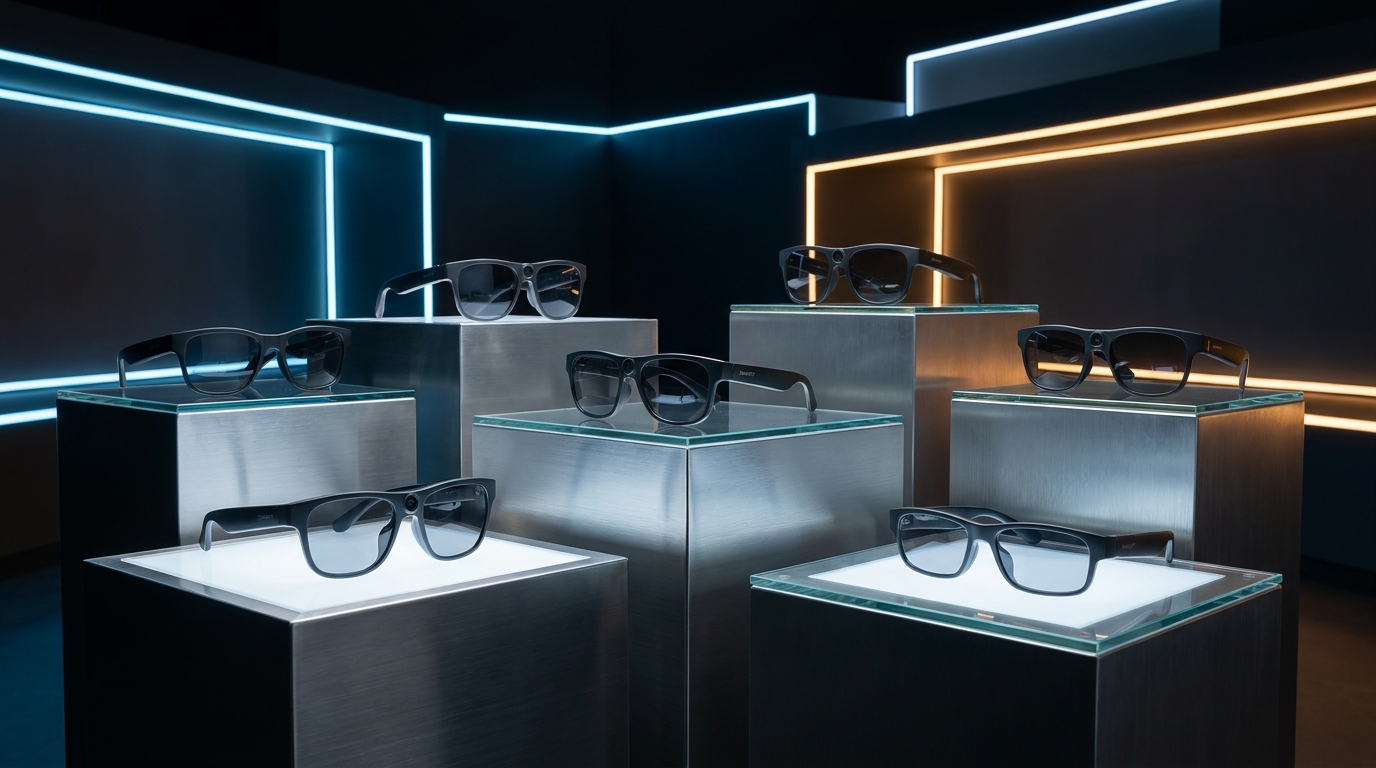
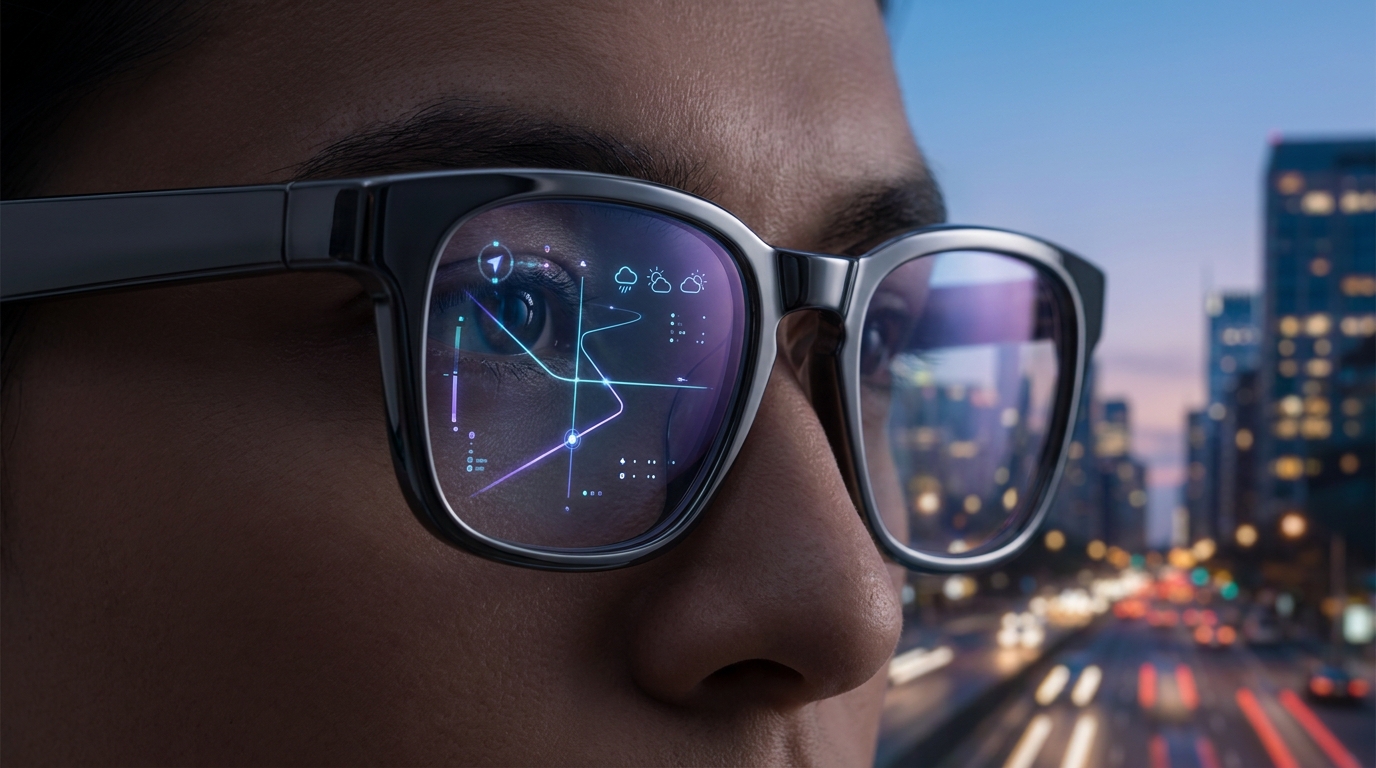
Actuellement, le catalogue de produits de Specs n'est pas encore public avec des spécifications détaillées, mais ce qui est connu publiquement dessine un récit clair. Leurs offres initiales sont positionnées comme des lunettes intelligentes premium, soulignant l'intégration discrète de la technologie dans des montures magnifiquement conçues. Bien que les détails concrets sur la technologie d'affichage, l'autonomie de la batterie ou la puissance de traitement soient encore secrets, le récit dominant suggère une focalisation sur des fonctionnalités intelligentes essentielles présentées dans un ensemble élégant et discret. Il s'agit moins d'un déluge de superpositions de réalité augmentée et plus de notifications subtiles, d'expériences audio et peut-être d'une assistance AI fondamentale, le tout livré à travers une optique avant-gardiste de la mode. L'accent est mis sur une interaction transparente plutôt que sur une démonstration technologique manifeste.
Cette approche suggère que Specs privilégie l'expérience utilisateur et l'attrait esthétique par rapport aux capacités techniques brutes et de pointe qui compromettent souvent le design industriel. La proposition de valeur fondamentale semble être le mélange harmonieux d'un style sophistiqué avec une augmentation technologique douce, faisant en sorte que les éléments intelligents ressemblent à une extension d'un accessoire de mode de qualité, plutôt qu'à un appareil boulonné sur des lunettes conventionnelles. Attendez-vous à ce que des matériaux haut de gamme et un artisanat méticuleux soient les marques de fabrique de leur gamme de produits.
La comparaison de Specs aux poids lourds actuels du marché met en lumière leur positionnement unique. La ligne Eyewear de Huawei, bien qu'élégante pour des lunettes audio, manque d'intelligence visuelle et ne s'aventure pas dans l'esthétique de grand luxe que Specs cible. La série Ray-Ban de Meta, en particulier la conceptualisation du Meta Ray-Ban Display, suggère des fonctionnalités visuelles avancées, mais leurs offres commerciales, comme les Ray-Ban Meta actuelles avec caméra-audio, restent fermement dans le croisement mode-technologie grand public. Specs transcende délibérément cela, visant un segment où le 'Ray-Ban' est déjà acquis, et le 'smart' est une amélioration subtile et élevée.
Rokid, avec ses AR Spatial et AR Lite, représente l'utilité AR fondamentale, priorisant les expériences immersives et la productivité. Ce sont des appareils AR conçus spécifiquement, souvent avec une apparence technologique plus manifeste. Specs, en revanche, semble viser l'utilisateur qui pourrait hésiter devant le facteur de forme d'un Rokid, préférant plutôt un appareil qui s'intègre sans effort à une garde-robe haut de gamme. Les différenciateurs potentiels de Specs résident clairement dans son design sans compromis, son exclusivité perçue, et probablement une interface utilisateur conçue pour une interaction élégante plutôt qu'intensive. Le prix reflétera sans aucun doute ce positionnement de luxe, le plaçant au-dessus des lunettes audio connectées grand public et en concurrence avec, ou même dépassant, certains casques AR autonomes.
Pour les consommateurs, l'intérêt de Specs dépend de leur style personnel et de leur philosophie d'investissement. Si vous exigez des expériences de réalité augmentée immédiates et complètes, Rokid reste la référence. Si le partage social fluide et un son de qualité dans une monture reconnaissable sont des priorités, les offres de Meta sont de sérieux concurrents. Mais si vos lunettes connectées doivent aussi être une pièce maîtresse, un accessoire au design impeccable qui murmure la sophistication technologique plutôt qu'il ne la crie, alors Specs est fait sur mesure pour vous.
Le verdict de Smart Glasses Daily est confiant : Specs est un nouvel entrant séduisant, non seulement pour les produits qu'ils commercialiseront, mais aussi pour le segment de marché qu'ils visent à créer et à dominer. Leur force réside dans leur engagement inébranlable envers le luxe et le design, défiant l'idée selon laquelle les lunettes connectées doivent avoir une apparence utilitaire. Cette approche s'attaque directement à l'un des plus grands obstacles à l'adoption de masse : l'attrait esthétique. En rendant les lunettes connectées désirables d'abord comme des articles de mode, ils pourraient débloquer un nouveau vecteur de croissance puissant.
Cependant, leurs faiblesses se concentreront probablement sur les ensembles de fonctionnalités initiales et potentiellement sur le rapport prix-technologie par rapport aux métriques de performance brutes. Leur prix premium justifiera-t-il un ensemble de fonctionnalités potentiellement plus restreint par rapport aux concurrents axés sur l'AR ? Le marché décidera. Ce que nous surveillerons de près au cours des 12 prochains mois, c'est leur capacité à tenir la promesse du luxe, à construire un écosystème qui soutient ce positionnement premium, et si leur technologie discrète résonne vraiment auprès du consommateur averti et dépensier qu'ils ciblent clairement. S'ils réussissent, Specs aura établi une nouvelle référence pour les lunettes intelligentes premium, changeant la conversation pour tout le monde.
Guide interactif — prix, écrans, caméras, autonomie.
Partager cet article