Guides · Alibaba Quark· Français — auto
La stratégie énigmatique d'Alibaba Quark avec les Smart Glasses, expliquée
L'entrée d'Alibaba sur le marché des Smart Glasses avec ses 'Quark AI Glasses S1' signale l'intérêt d'un géant technologique majeur. Cependant, un manque manifeste d'informations publiques laisse de nombreuses questions en suspens concernant leur stratégie et leurs ambitions produit.
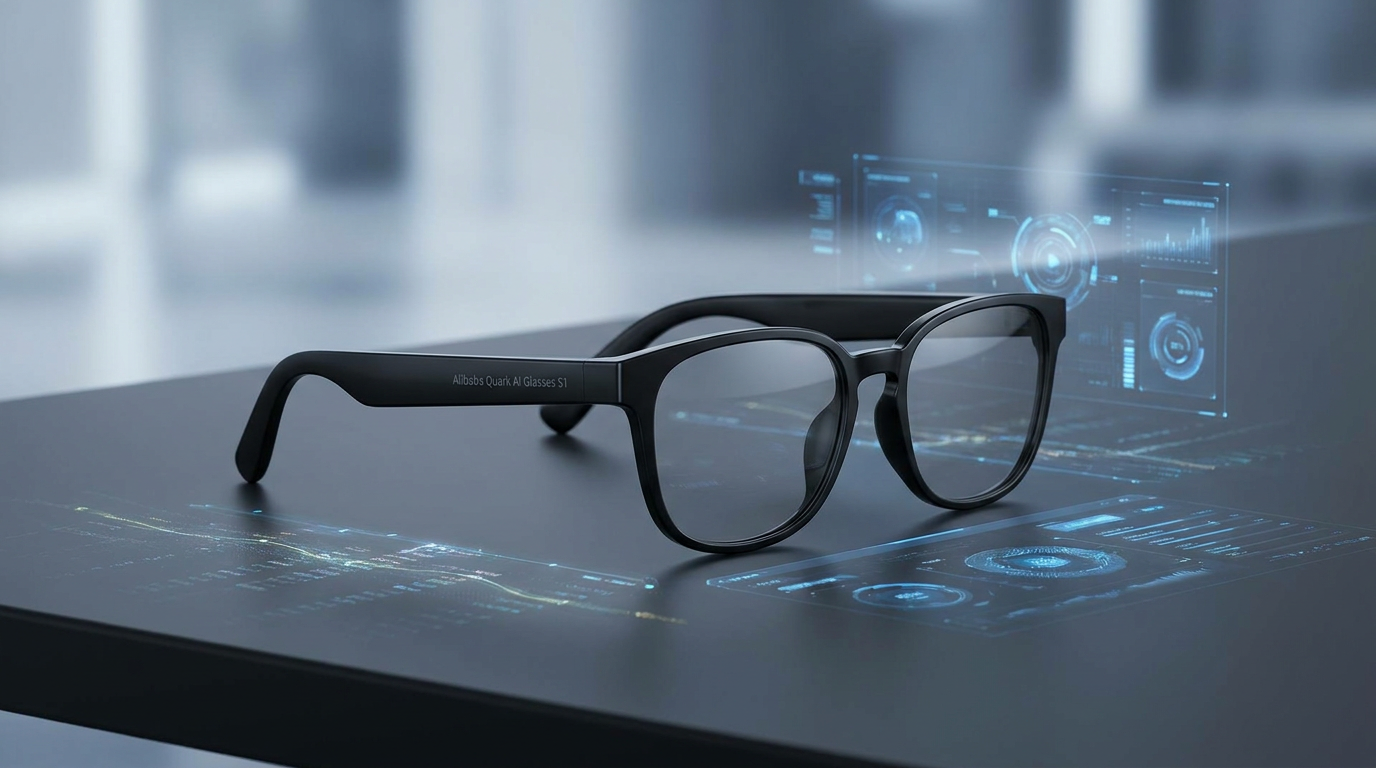
Le paysage des Smart Glasses vient de devenir beaucoup plus intéressant, et peut-être un peu plus opaque, avec l'incursion discrète d'Alibaba via sa division Quark. En tant que l'un des plus grands mastodontes mondiaux du e-commerce et du cloud computing, le mouvement d'Alibaba vers l'IA portable n'est pas qu'une simple expérience; c'est une manœuvre stratégique qui exige de l'attention, même si les détails restent frustrants par leur rareté.
Notre évaluation initiale est prudente mais intriguée. Alibaba apporte des ressources inégalées en recherche sur l'IA, en analyse de données et un vaste écosystème de consommateurs. S'ils s'engagent véritablement dans les Smart Glasses, leur potentiel à remodeler l'interaction utilisateur, à fournir des services contextuels et à intégrer de nouvelles expériences commerciales est immense. Cependant, le manque actuel de transparence autour de leur premier produit, les Quark AI Glasses S1, rend difficile d'évaluer la menace ou l'opportunité immédiate qu'ils représentent.
Ce guide vise à dissiper les spéculations. Nous examinerons qui est Alibaba Quark, ce que leur entrée signifie, et surtout, ce que nous savons - ou ne savons pas - de leur premier appareil portable. La question n'est pas seulement de savoir si Alibaba peut fabriquer des Smart Glasses, mais s'ils peuvent le faire avec la clarté et la conviction nécessaires pour capter un marché naissant.
Alibaba Group est un titan de la technologie mondiale, surtout connu pour ses vastes plateformes de e-commerce comme Taobao et Tmall, aux côtés de sa formidable branche de cloud computing, Alibaba Cloud. La marque 'Quark' elle-même provient du groupe de médias numériques et de divertissement d'Alibaba, principalement connu pour son moteur de recherche et son navigateur web en Chine.
Historiquement, Alibaba a été un poids lourd du logiciel et des services, exploitant son immense base d'utilisateurs et ses analyses de données. Leur incursion dans le hardware, en particulier une catégorie de pointe comme les Smart Glasses, suggère une intention claire d'étendre leur empreinte numérique au-delà des écrans traditionnels. Il ne s'agit pas seulement de vendre des gadgets; il s'agit de s'approprier la prochaine frontière de l'interface utilisateur et de l'interaction des données.
Le timing est stratégique. Alors que l'IA devient de plus en plus omniprésente, et que des acteurs majeurs comme Apple, Meta et Google approfondissent leurs investissements dans le spatial computing, Alibaba ne peut se permettre d'être laissé pour compte. Une présence dans les Smart Glasses pourrait servir de passerelle critique pour leurs services d'IA, leur infrastructure cloud, et potentiellement de nouvelles formes de publicité et de e-commerce, offrant un portail mains libres et toujours actif vers leur écosystème.
Leur segment cible, pour l'instant, reste ambigu. Étant donné le surnom 'AI Glasses' et l'historique d'Alibaba centré sur le consommateur, il est raisonnable de supposer une approche orientée consommateur, peut-être axée sur l'utilité, la productivité ou une assistance personnelle améliorée. Cela les distinguerait des casques AR destinés aux entreprises, positionnant Quark comme un appareil plus accessible, à porter au quotidien, conçu pour augmenter la réalité avec une assistance intelligente plutôt que d'immerger complètement les utilisateurs dans des mondes virtuels.
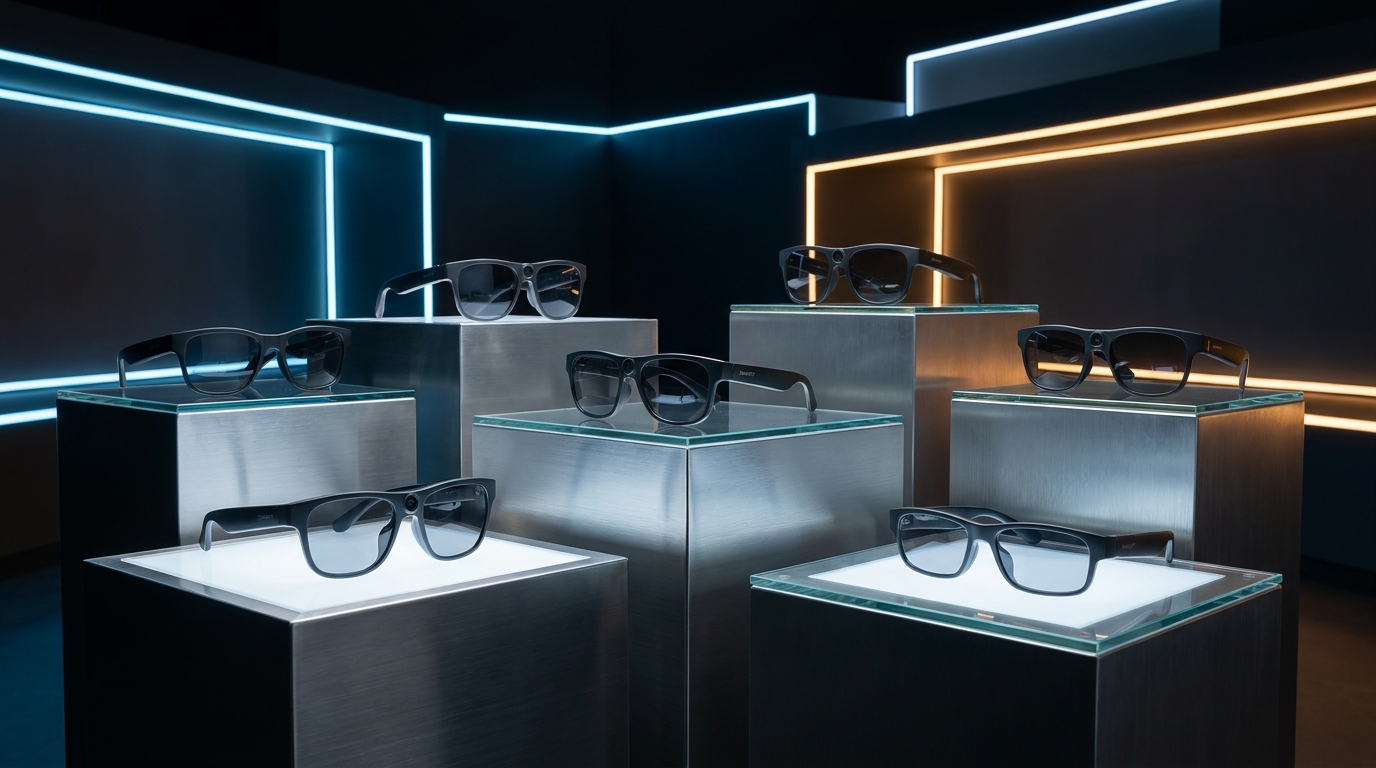
La pièce maîtresse de l'initiative Smart Glasses d'Alibaba Quark est les 'Quark AI Glasses S1', classées comme AI glasses et signalées comme étant en cours de livraison. Cependant, c'est là que les informations concrètes s'arrêtent malheureusement. Malgré des recherches approfondies et nos efforts de suivi, il n'y a pratiquement aucune spécification, fonctionnalité ou même image de produit fiable disponible publiquement pour le S1.
L'entreprise n'a fourni aucun détail clair sur la technologie d'affichage (par exemple, waveguides, microLED, FOV), la puissance de traitement, l'autonomie de la batterie ou les capacités d'IA de base au-delà de la promesse implicite d''IA'. Nous sommes réduits à supposer ce qu'une 'AI Glass' d'Alibaba pourrait impliquer: probablement une IA embarquée pour la traduction en temps réel, la reconnaissance d'objets, la récupération d'informations contextuelles et une intégration transparente avec la suite de services numériques et d'assistants vocaux d'Alibaba.
Ce vide informationnel est un obstacle important à l'évaluation de la viabilité du S1. Sans connaître son facteur de forme, son poids, son prix ou sa véritable portée fonctionnelle, il existe davantage comme un concept ou un lancement discret qu'un produit tangible concurrentiel sur le marché. Nous ne pouvons confirmer s'il possède une caméra, des microphones, un retour haptique ou des méthodes d'entrée spécifiques, laissant des questions cruciales sans réponse.
Positionner Alibaba Quark face à des concurrents établis est difficile étant donné le statut de vaporware du S1, mais nous pouvons tracer quelques parallèles spéculatifs. Le Frame de Brilliant Labs, avec son éthique open-source et son orientation claire vers des AI glass transparentes et conviviales pour les développeurs, offre un contraste frappant. Frame est axé sur la communauté, la personnalisation et une pure utilité de l'IA sous une forme minimaliste. Alibaba, à l'inverse, sera presque certainement un écosystème fermé et propriétaire, exploitant sa propre vaste infrastructure d'IA et de cloud pour fournir des services intégrés.
Comparé au casque ambitieux Galaxy XR de Samsung ou aux lunettes Android XR, les Quark AI Glasses S1 semblent cibler un niveau différent. Samsung vise probablement une plateforme de spatial computing plus immersive, potentiellement complète, tandis que la désignation 'AI Glasses' de Quark implique un appareil plus léger, moins intrusif, axé sur l'augmentation de la vie quotidienne avec des superpositions intelligentes plutôt que de remplacer les écrans de smartphone ou de fournir une AR haute fidélité. La pure prouesse matérielle et la profondeur de l'écosystème de la division électronique plus large de Samsung joueront également un rôle critique.
Magic Leap, avec son Magic Leap 2 axé sur les entreprises, occupe un segment entièrement différent. Le Magic Leap 2 est un casque AR haute performance et coûteux, conçu pour des applications industrielles et professionnelles, mettant l'accent sur le spatial computing robuste et la persistance précise des objets. Les Quark AI Glasses S1, en supposant une orientation grand public et un facteur de forme beaucoup plus compact, ne concurrenceraient pas directement mais existeraient plutôt sur une branche différente de l'arbre évolutif des Smart Glasses - une branche axée sur l'IA pervasive plutôt que sur l'AR de qualité industrielle.
Le verdict de Smart Glasses Daily sur l'entrée d'Alibaba Quark est une anticipation prudente. Leur poids corporatif et leurs capacités d'IA sont des forces indéniables, suggérant que s'ils s'engagent véritablement, ils pourraient devenir un acteur redoutable. Le potentiel d'un appareil portable profondément intégré, basé sur l'IA, qui puise dans le vaste écosystème de e-commerce et de cloud d'Alibaba est convaincant, en particulier pour les consommateurs de leur marché intérieur.
Cependant, la faiblesse actuelle réside clairement dans l'opacité du produit. Le statut de 'livraison' des Quark AI Glasses S1 sans détails publics significatifs ni spécifications suggère soit un déploiement interne extrêmement niche, soit une exploration prudente du marché. Pour qu'Alibaba soit prise au sérieux dans les Smart Glasses, elle doit bientôt fournir des détails concrets sur le produit, une proposition de valeur claire et une feuille de route tangible. Au cours des 12 prochains mois, nous surveillerons un véritable lancement de produit avec des spécifications transparentes, une intégration plus claire de l'écosystème et une stratégie définitive de pénétration du marché au-delà de la campagne de bouche-à-oreille actuelle.
Guide interactif — prix, écrans, caméras, autonomie.
Partager cet article