Análisis · Google· Español — auto
G-Day: por qué la demostración en vivo de Android XR de Google acaba de reiniciar la carrera de las gafas con IA
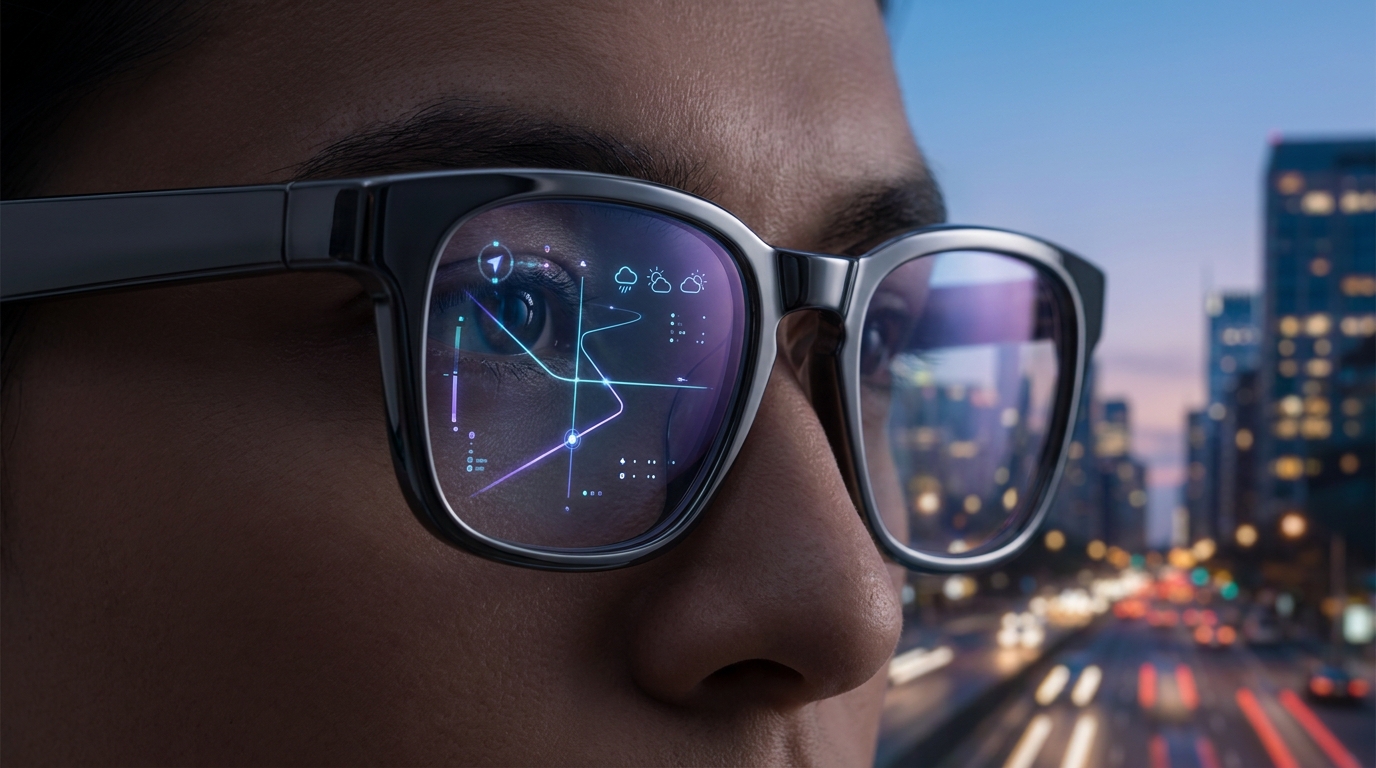
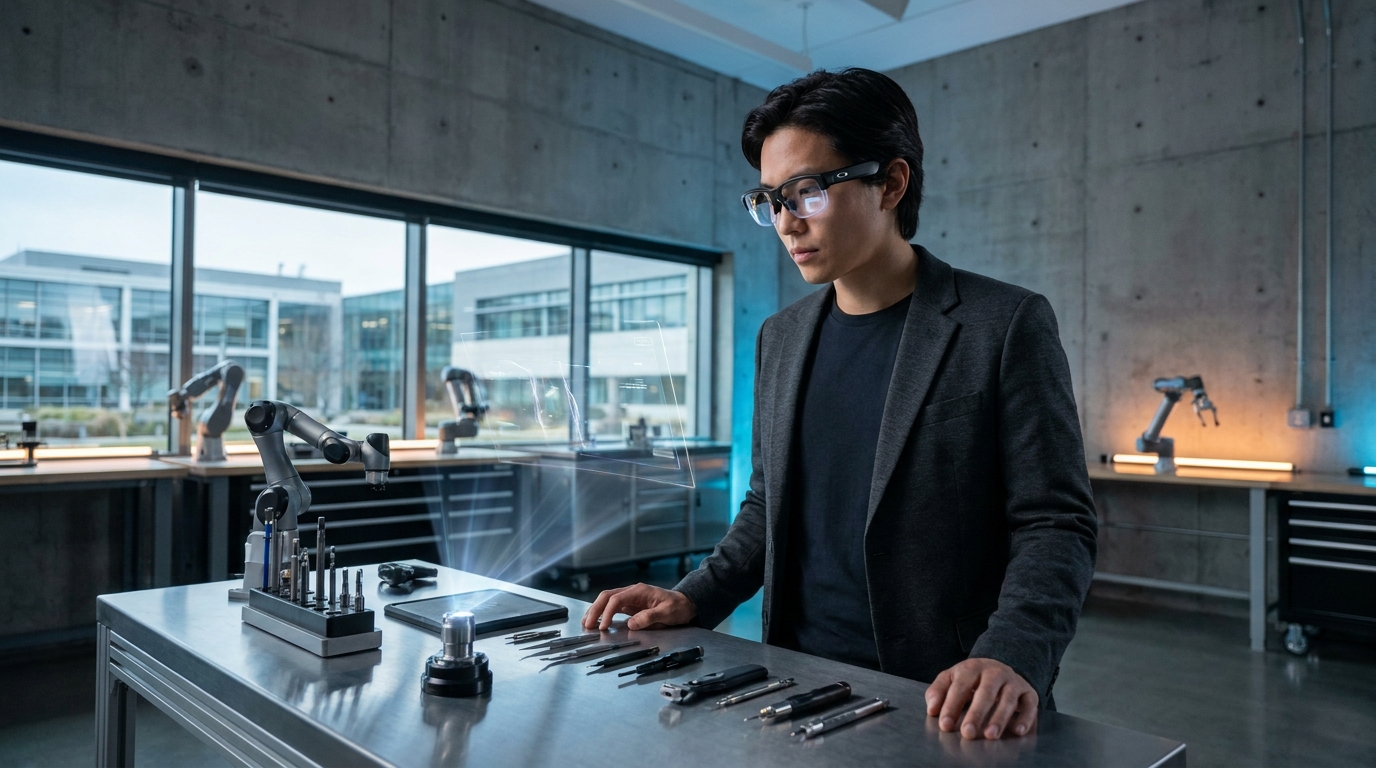
En Google I/O 2026, las gafas Android XR recordaron interacciones pasadas y lanzaron aplicaciones solo a partir de conversaciones. El veterano de la industria Thierry Fautier lo llama Glass Day, no Google Day.
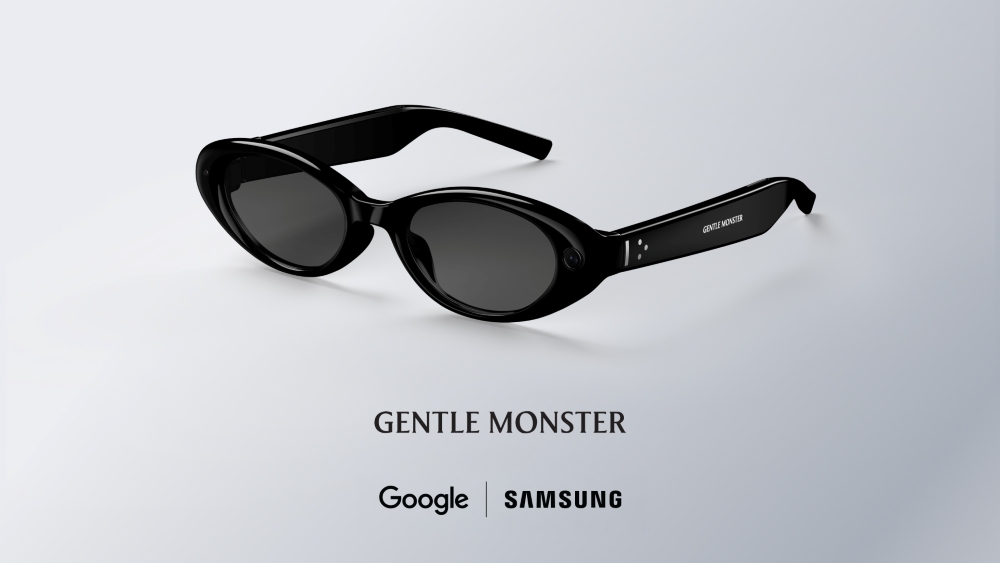
Durante dos años, las gafas Ray-Ban de Meta definieron cómo se suponía que debía ser un wearable con IA: capturar, escuchar, transmitir en vivo y hacer una pregunta al asistente. Útil, ocasionalmente mágico, pero aún no un nuevo paradigma informático. Eso cambió en el escenario de Google I/O 2026.
El veterano de la industria Thierry Fautier, un ejecutivo de video y streaming con años de seguimiento del mercado XR, enmarcó el momento sin rodeos en una nota de LinkedIn ampliamente compartida: "Esto es G-Day, no Google Day, sino Glass Day". Según Fautier, la demostración en vivo de las gafas Android XR cruzó una línea con la que las gafas con IA anteriores solo habían coqueteado.
Dos capacidades hicieron el trabajo pesado. Primero, las gafas recordaron interacciones previas y respondieron preguntas de seguimiento contextualmente, comportándose menos como un asistente de voz y más como una capa de memoria persistente que se lleva en la cara. Segundo, y posiblemente más importante, activaron aplicaciones directamente desde la conversación, sin tener un teléfono en la mano.
Ese segundo punto es al que Fautier no deja de volver. "Eso cambia la ecuación", escribió. Si las gafas pueden iniciar y manejar aplicaciones desde el lenguaje natural, el smartphone deja de ser el centro. Se convierte en infraestructura opcional y, finalmente, en una batería para algo que llevas puesto.
Google afirma que las gafas Android XR funcionarán tanto en Android como en iOS. Fautier se muestra escéptico de que la experiencia sea simétrica. "Cuando el propietario de una plataforma controla el sistema operativo, las API se convierten en estrategia. La profundidad de integración se convierte en ventaja competitiva", escribió. Los usuarios de Android obtendrán la visión completa; los usuarios de iPhone probablemente obtendrán una versión aislada y limitada por las reglas del ecosistema de Apple.
Video: Google on YouTube
La lectura estratégica es que la próxima guerra informática no se librará principalmente sobre qué modelo de IA es el más inteligente. Se librará sobre sistemas operativos, control de ecosistemas, capas de memoria y la propiedad de la interfaz entre humanos e IA. Quien posea esa interfaz poseerá el ritmo de la innovación, los datos y el comportamiento predeterminado de cientos de millones de usuarios.
Eso replantea algunas historias que antes sonaban especulativas. La apuesta de Meta de que las gafas con IA pueden eventualmente reemplazar a los smartphones de repente parece menos marketing y más una hoja de ruta. Startups como Mentra, que ha construido su propio OS y tienda de aplicaciones nativos para gafas específicamente para evitar depender de las plataformas móviles de Apple o Google, parecen menos aficionados y más como el único camino independiente. Y los persistentes rumores de que OpenAI apunta a un dispositivo "AI-first" para 2028, con ambiciones de desplazar tanto a iOS como a Android, se vuelven más fáciles de entender una vez que se acepta que la interfaz en sí es el premio.
Lo que Google mostró también es una advertencia a Cupertino. Se rumorea ampliamente que Apple está trabajando en sus propias gafas, y la WWDC está a solo semanas. La pregunta abierta es si Apple defiende la era del smartphone o acelera su reemplazo. Algunos informes sugieren que Apple está explorando Gemini como un backend para partes de su pila de IA, lo que sería una admisión extraordinaria sobre quién lidera actualmente en modelos conversacionales.
Para todos los demás en la categoría de gafas inteligentes, el campo de juego acaba de cambiar. Meta ya no está sola en la cima de la conversación sobre gafas con IA. XREAL, Rokid, RayNeo, Viture y el resto de la multitud "display-first" ahora tienen que articular dónde encajan en un mundo donde Google y Apple están posicionando las gafas como la interfaz principal de IA, no como un accesorio.
La frase final de Fautier capturó el ambiente dentro de la industria: "La guerra de las gafas con IA ha comenzado oficialmente hoy". Dos años de preparación, una demostración en vivo, y la categoría finalmente tiene su punto de inflexión.
Source: Thierry Fautier on LinkedIn ↗
Interactive guide — prices, displays, cameras, battery.
Compartir