Guías · Acer· Español — auto
La calculada entrada de Acer en las gafas inteligentes: ¿Serán suficientes dos modelos?
Acer, un titán de la informática tradicional, entra deliberadamente en el ámbito de las gafas inteligentes con dos modelos distintos. Esta Guía de marca analiza su estrategia y evalúa sus posibilidades frente a los actores establecidos y emergentes.

La incursión de Acer en las gafas inteligentes no es solo que otro gigante tecnológico se esté mojando los pies; es una maniobra calculada de una empresa con décadas de experiencia en electrónica de consumo masivo. Su reciente anuncio de dos nuevas gafas inteligentes, con capacidades de AI y AR, señala una seria intención de hacerse un nicho significativo. No se trata de novedad; se trata de aprovechar la destreza de fabricación existente y el reconocimiento de la marca para desafiar el incipiente panorama de las gafas inteligentes.
La pregunta crucial no es *si* Acer puede construir gafas inteligentes, sino *qué tan bien* puede cumplir la promesa de dispositivos verdaderamente útiles e integrados. Su estrategia de doble producto, que se dirige a diferentes segmentos de usuarios, sugiere una comprensión madura de la fragmentación del mercado. Esta guía desglosará las ofertas iniciales de Acer, las comparará con sus principales competidores y emitirá un veredicto sobre si representan una amenaza genuina o simplemente otro contendiente.
Acer, un nombre sinónimo de informática accesible, ocupa un lugar destacado en el mundo de la tecnología. Desde portátiles hasta monitores, siempre han ofrecido productos fiables y, a menudo, con una buena relación calidad-precio. Su fuerza reside en cadenas de suministro eficientes, amplia distribución y un historial de democratización de la tecnología.
Para Acer, meterse en las gafas inteligentes no es un giro radical. Es una extensión natural de su ecosistema de hardware existente, particularmente dada su presencia en informática especializada y tecnologías espaciales. El «por qué ahora» está claro: las tecnologías subyacentes de AI y AR han madurado hasta un punto en que las gafas inteligentes de consumo se están volviendo viables, dejando atrás su pasado torpe y experimental.
Su expansión a esta categoría también refleja una tendencia industrial más amplia, donde las líneas entre los dispositivos informáticos se están difuminando. Las gafas inteligentes, que ofrecen una interacción manos libres única, representan la próxima frontera en la informática personal, y Acer no es de las que se quedan atrás cuando se abre un nuevo segmento. Se dirigen a usuarios que buscan una utilidad pragmática en lugar de solo una demostración de vanguardia.
El ataque inicial de Acer al mercado de las gafas inteligentes comprende dos modelos distintos: las AR Vision GR0 y las AI-Powered GI0. Este enfoque dual es estratégico y tiene como objetivo satisfacer las diferentes necesidades y preferencias de los usuarios desde el principio.
Las AR Vision GR0 se posicionan como unas gafas AR con cable. Aunque la resolución específica de la pantalla, el campo de visión o la potencia de procesamiento no se han detallado públicamente, su naturaleza con cable implica un enfoque en ofrecer experiencias visuales de mayor fidelidad. Estar conectado por cable generalmente permite un procesamiento externo más potente, lo que podría habilitar aplicaciones AR más complejas o contenido gráficamente intensivo más allá de lo que una unidad autónoma podría manejar. Esto sugiere un público interesado en la AR inmersiva para tareas específicas, aplicaciones profesionales o consumo de medios mejorado, donde una conexión a un dispositivo informático más robusto es aceptable o incluso preferible.
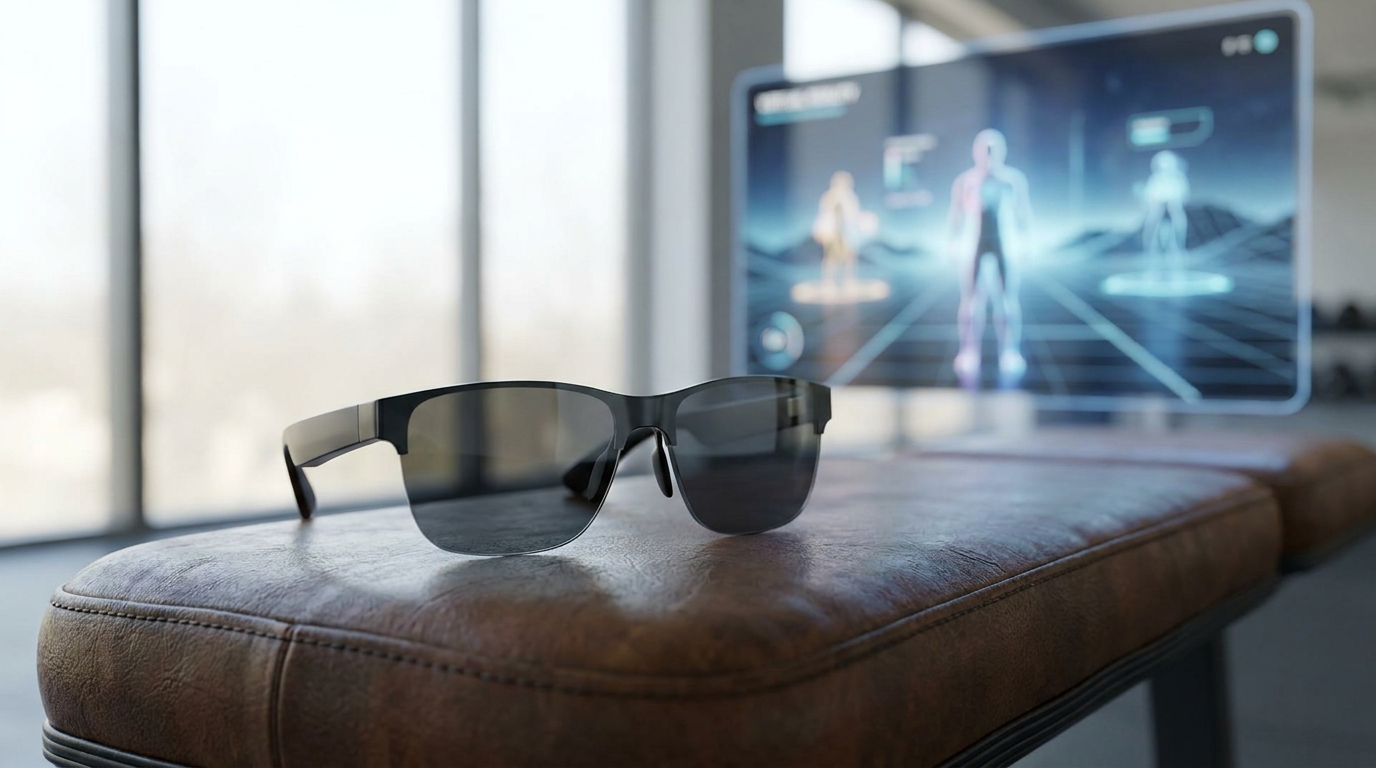
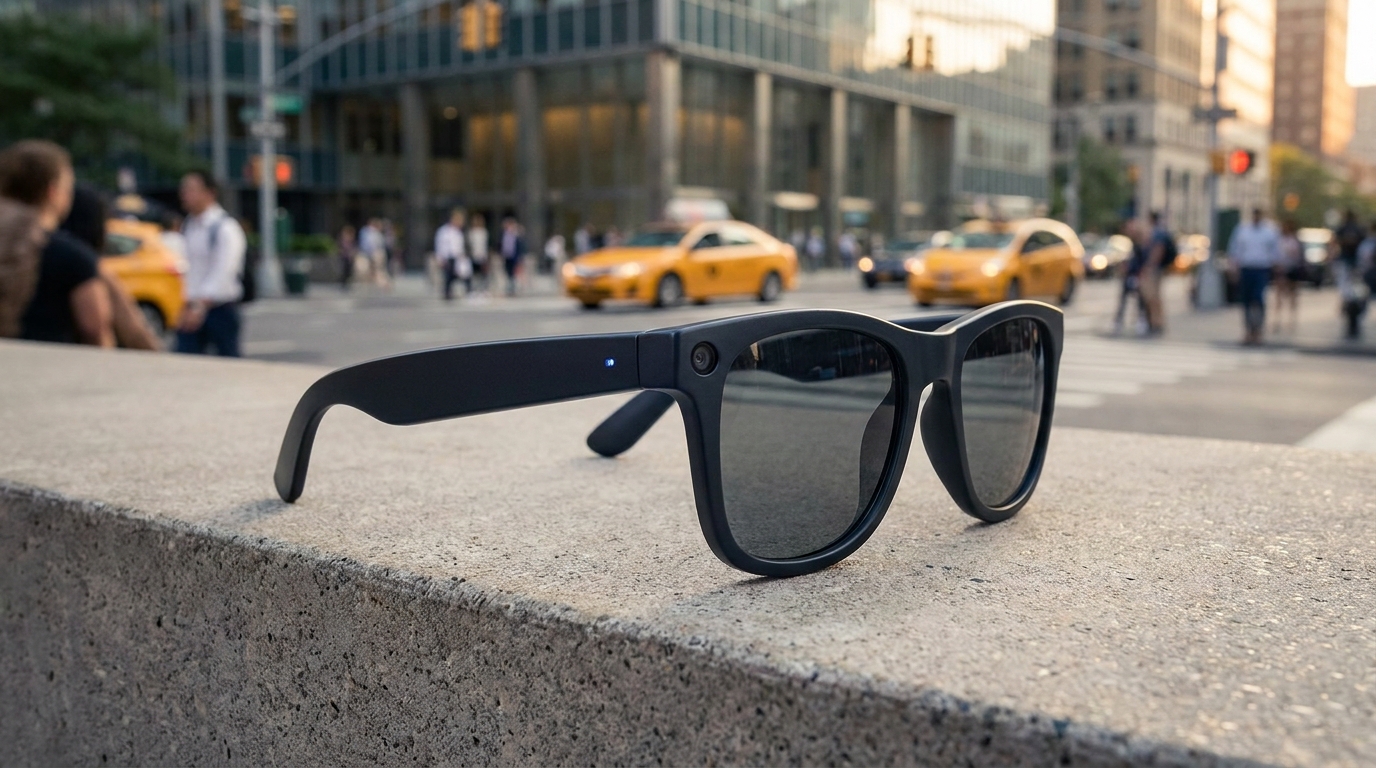
En contraste, las AI-Powered GI0 se describen como un dispositivo inalámbrico más ligero. El énfasis aquí está claramente en las capacidades de AI y la libertad sin ataduras. Si bien las especificaciones exactas sobre la duración de la batería, el tipo de pantalla o las capacidades específicas de AI permanecen en secreto, un diseño inalámbrico apunta a la usabilidad diaria y la integración perfecta en las rutinas diarias. Es probable que este modelo se centre en la asistencia práctica impulsada por AI, notificaciones y quizás comunicación, similar a otras gafas inteligentes centradas en audio o mínimamente aumentadas en el mercado actual. Su factor de forma inalámbrico es crucial para una mayor atractivo para el consumidor, priorizando la comodidad y la conveniencia.
Al posicionar las nuevas ofertas de Acer, es esencial considerar el panorama. HTC, con sus gafas inteligentes Vive Eagle y XR Elite, representa el extremo superior de la XR inmersiva, a menudo dirigida a mercados profesionales y entusiastas con hardware robusto, aunque más caro. Las GR0 de Acer podrían intentar ofrecer una entrada más accesible en la AR con cable, pero su éxito dependerá de un software convincente y un precio competitivo.
Las gafas de pantalla personal AirVision M1 de ASUS proporcionan un buen punto de referencia para las GI0 de Acer, particularmente si las GI0 se inclinan hacia las capacidades de pantalla portátiles. Las M1 se centran en extender el espacio de la pantalla, un caso de uso pragmático. Las GI0 de Acer, con su etiqueta "AI-powered", sugieren una ambición más amplia más allá de la mera duplicación de pantalla, incorporando potencialmente traducciones en vivo, asistentes inteligentes o información contextual sin necesidad de cable.
Luego están las AirGo Vision de Solos, que enfatizan el audio con tecnología GPT y las experiencias de audio inteligentes. Si las GI0 de Acer aprovechan su AI para interacciones de audio sofisticadas y entrega de información personalizada, competirán directamente con la propuesta de Solos, con Acer teniendo la ventaja de la familiaridad de la marca y los canales de distribución de hardware establecidos. El factor de forma y la comodidad de las GI0 serán primordiales para igualar el atractivo liviano de Solos.
La entrada de Acer en las gafas inteligentes es una apuesta seria para los pragmáticos. Las GR0 parecen dirigirse a usuarios que necesitan experiencias AR enfocadas, quizás más potentes, sin arruinarse, mientras que las GI0 son para el consumidor promedio que busca asistencia inteligente y un aumento sutil en un factor de forma verdaderamente ponible. Sus fortalezas radican en su escala de fabricación y su enfoque orientado al valor.
La debilidad, como con cualquier nuevo participante, será establecer un ecosistema de software convincente y soporte para desarrolladores para aprovechar al máximo el potencial de su hardware. Durante los próximos 12 meses, observe de cerca la narrativa de marketing de Acer: ¿se inclinan hacia sus raíces de videojuegos para la AR, o defienden la productividad diaria para sus gafas con AI? La verdadera prueba será la profundidad de sus funciones de AI y si la experiencia AR en las GR0 puede competir genuinamente con dispositivos premium más establecidos. Si Acer puede ofrecer experiencias verdaderamente útiles e intuitivas a un precio competitivo, poseen la fuerza industrial para convertirse en una fuerza significativa.
Esto es para el usuario que confía en marcas conocidas para ofrecer tecnología sólida y funcional sin el precio exorbitante. Acer no está aquí para innovar puramente en conceptos experimentales; están aquí para producir y escalar aplicaciones viables de gafas inteligentes. Smart Glasses Daily seguirá muy de cerca su hoja de ruta de software y su estrategia de precios.
Interactive guide — prices, displays, cameras, battery.
Compartir