Manufacturer News · Samsung
Samsung's Galaxy AI Smart Glasses Land in 2026 With Google & Eyewear Brands
Samsung plans to launch its Galaxy AI Smart Glasses in the second half of 2026, offering both advanced AR and basic models. The release will coincide with new Galaxy Z Fold and Flip devices, integrating the glasses into a broader ecosystem and targeting a wide range of users.
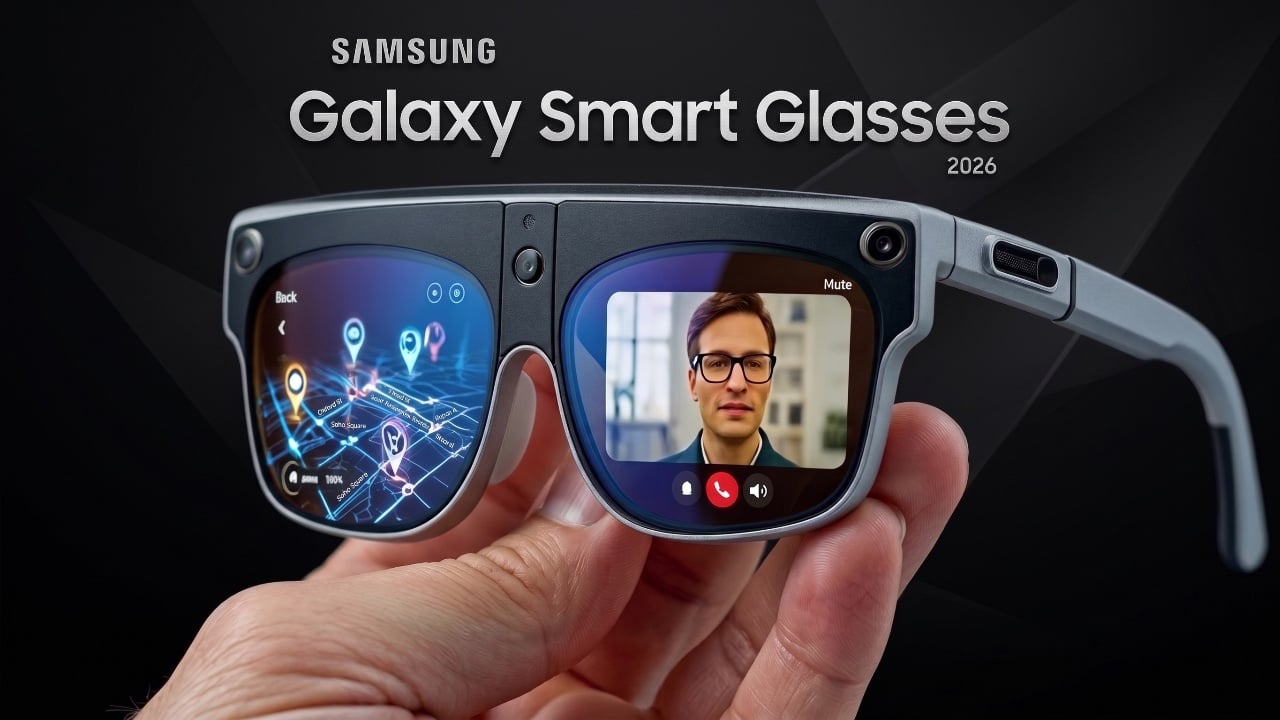
On April 18, 2026, details emerged regarding Samsung's forthcoming Galaxy AI Smart Glasses, set to debut in the latter half of 2026. This launch will reportedly align with the release of the Galaxy Z Fold 8 and Z Flip 8, positioning the eyewear as a core component of Samsung's interconnected device ecosystem, according to SamMobile.
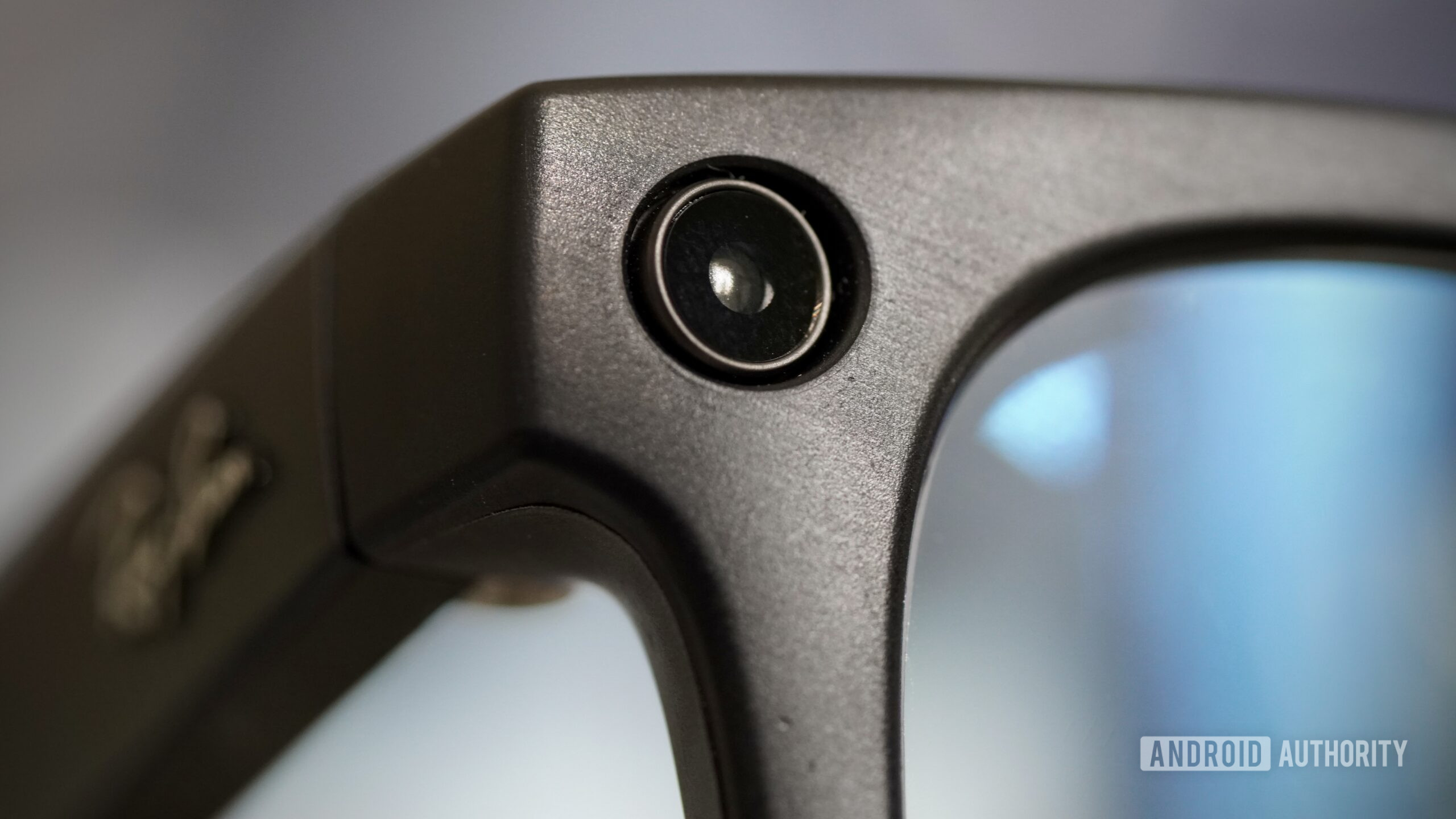
The glasses leverage Android XR, Google's platform for extended reality applications. Key hardware specifications include a 12-megapixel autofocus camera and a Qualcomm AR chipset. Powering the device is a 155 mAh battery, aiming to balance portability and daily usability.
Samsung is pursuing a tiered approach, offering two distinct models. An advanced version will feature an in-lens AR display for immersive experiences, while a more affordable option will provide basic functionalities. This strategy, as SamMobile observes, aims to appeal to a broad consumer base, from tech early adopters to those prioritizing style and practicality.
The initiative also involves strategic partnerships with eyewear brands Warby Parker and Gentle Monster on the aesthetic front, and Google on the software side. This collaborative model underscores Samsung's commitment to blending advanced technology with fashionable design.
Our take: Samsung's decision to launch the Galaxy AI Smart Glasses concurrently with its flagship foldable phones signals a clear intent to establish a cohesive brand experience rather than a standalone gadget. The dual-model strategy, coupled with partnerships with fashion-forward eyewear brands, is a smart play to avoid the 'developer kit chic' that has plagued early AR glasses. The 155mAh battery raises an eyebrow, however. While lightweight, sustained AR use typically demands more power. It will be interesting to see how Samsung optimizes for this or if more robust options are planned for future iterations.
## Official unveiling and confirmed specifications
Update: Since this report was published in April, Samsung officially announced the Samsung Galaxy Glasses at Galaxy Unpacked on July 22, 2026, in London. The formal unveiling clarified several hardware details that differed from earlier rumors. In contrast to the initial expectations of an in-lens AR display tier, the announced devices feature no display. Instead, Samsung has focused entirely on a lightweight AI glasses form factor centered around audio, cameras, and contextual assistance.
The glasses are built on the Qualcomm Snapdragon AR1 Gen 1 chip, which supports on-device AI capabilities alongside cloud computing. As we reported on October 14, 2026, when specs and weight were detailed, the frames weigh approximately 41 grams. Optical capture is handled by an integrated 12 MP camera, while audio relies on open-ear directional speakers paired with a multi-mic array featuring AI noise cancellation. System navigation is supported through touch interaction on the frames.
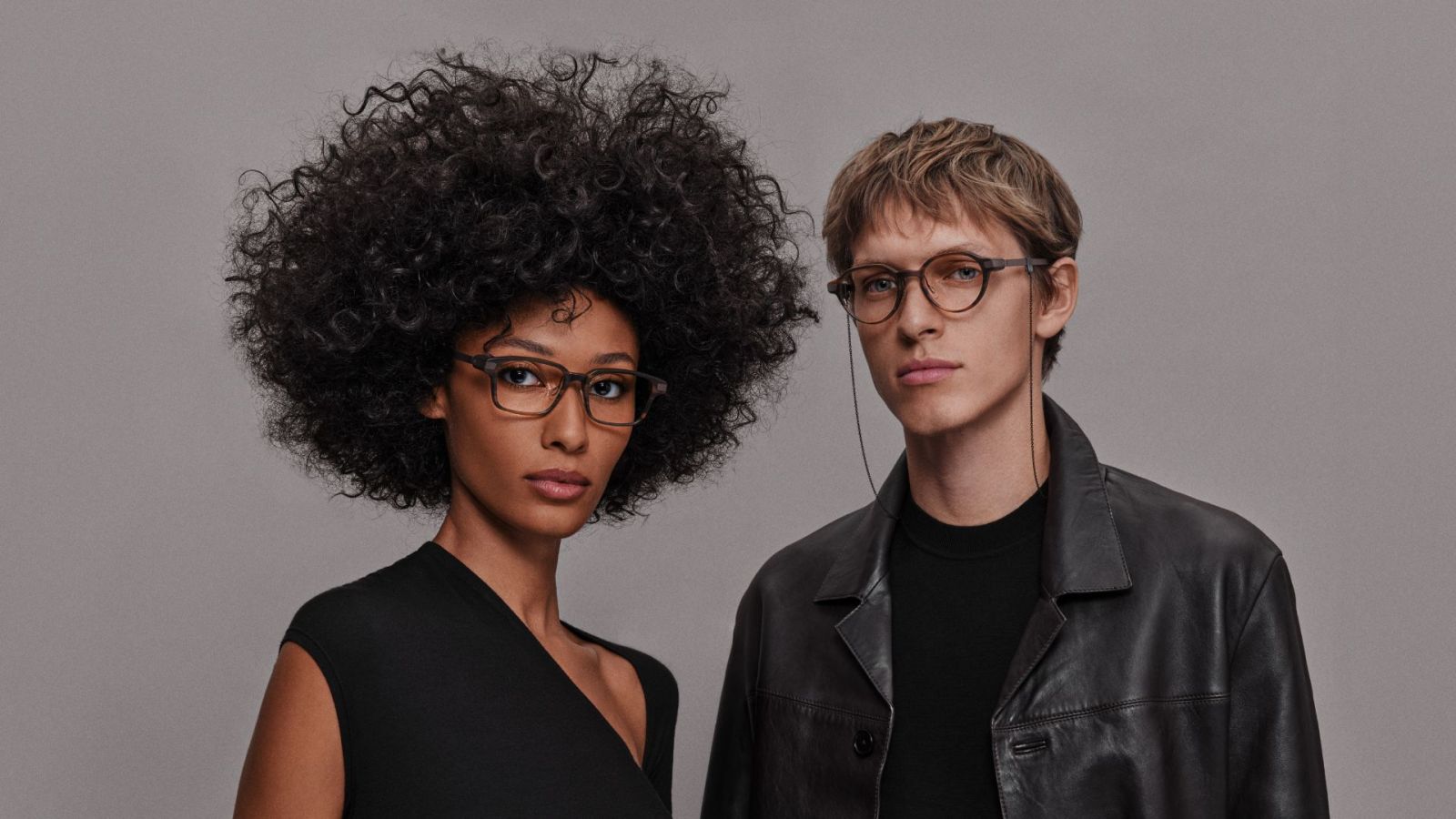
Connectivity is robust, incorporating Wi-Fi 7 and Bluetooth 5.3 standards. In terms of power delivery, the device achieves a standalone battery life of 9 hours, with an accompanying charging case that supplies up to 7 full case charges, though the setup also needs a cable. The partnership with fashion houses materialized into two specific styling options: a Gentle Monster edition with a black, slim frame, and a Warby Parker edition featuring a brown, upswept brow.
## Software capabilities, launch timeline, and privacy
On the software side, the glasses run Android XR integrated with Google Gemini. This system powers multimodal functions such as live visual sharing, live translation, and voice queries. As we reported on October 2, 2026, the device leans on a connected Galaxy phone for heavier processing tasks, allowing the headwear itself to remain slim and lightweight.
Regulatory filings moved swiftly following the summer announcement. As we reported on October 2, 2026, the smart glasses cleared the FCC across multiple variants. On November 2, 2026, we reported that Samsung confirmed the intelligent eyewear will debut in the fourth quarter of the year, starting with availability in the United States and Korea. While the official price note remains price TBA, we reported on July 28, 2026, that Samsung aimed for a 'reasonable level' within the premium wearable segment.
User privacy has also received dedicated technical attention. As we reported on July 30, 2026, the frames include a mandatory, tamper-proof LED indicator to alert bystanders during photo or video capture, with hardware safeguards designed to stop recording if the sensor is covered. Still, as we reported on November 2, 2026, public wariness regarding face-mounted cameras remains a persistent challenge that Samsung and Google must continue to navigate as these products enter the market.
Interactive guide: prices, displays, cameras, battery.
Share this story