Ratgeber · maverick· Deutsch — auto
Maverick AI Glasses: Everysights kühne Wette auf leichte Vollfarb-AR
Everysight kehrt mit Maverick in die Smart-Glasses-Arena zurück und treibt die Entwicklung von wirklich leichten, vollfarbigen Augmented-Reality-Brillen voran. Wir analysieren ihre Strategie, Produktansprüche und Wettbewerbspositionierung im Hinblick auf die Alltagstauglichkeit.
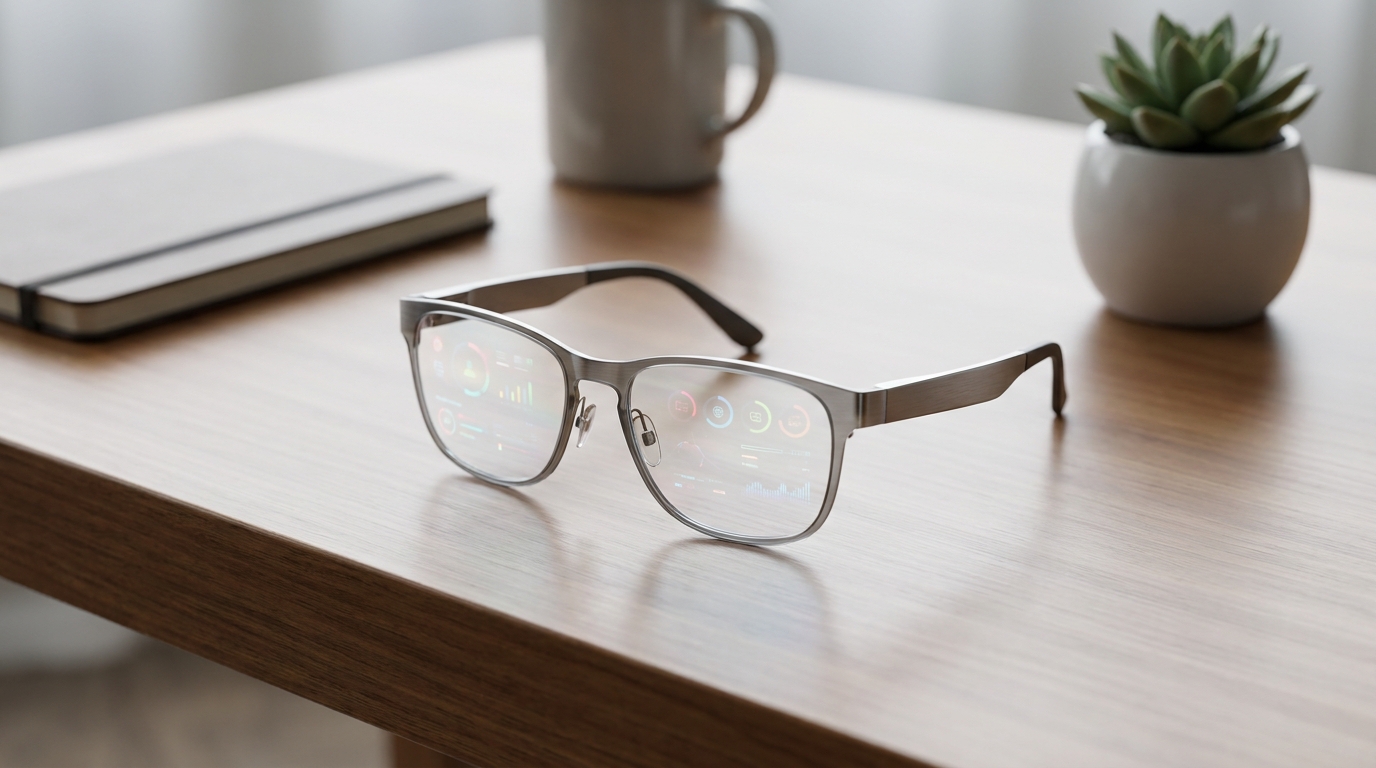
Ein Geist aus der AR-Vergangenheit materialisiert sich neu, nicht mit einem Flüstern, sondern mit einer direkten Herausforderung an die etablierten Anbieter. Everysight, einst bekannt für seine bahnbrechenden AR-Fahrradbrillen, hat die 'Maverick AI Glasses' vorgestellt und signalisiert damit eine kalkulierte Rückkehr in die Smart-Glasses-Diskussion.
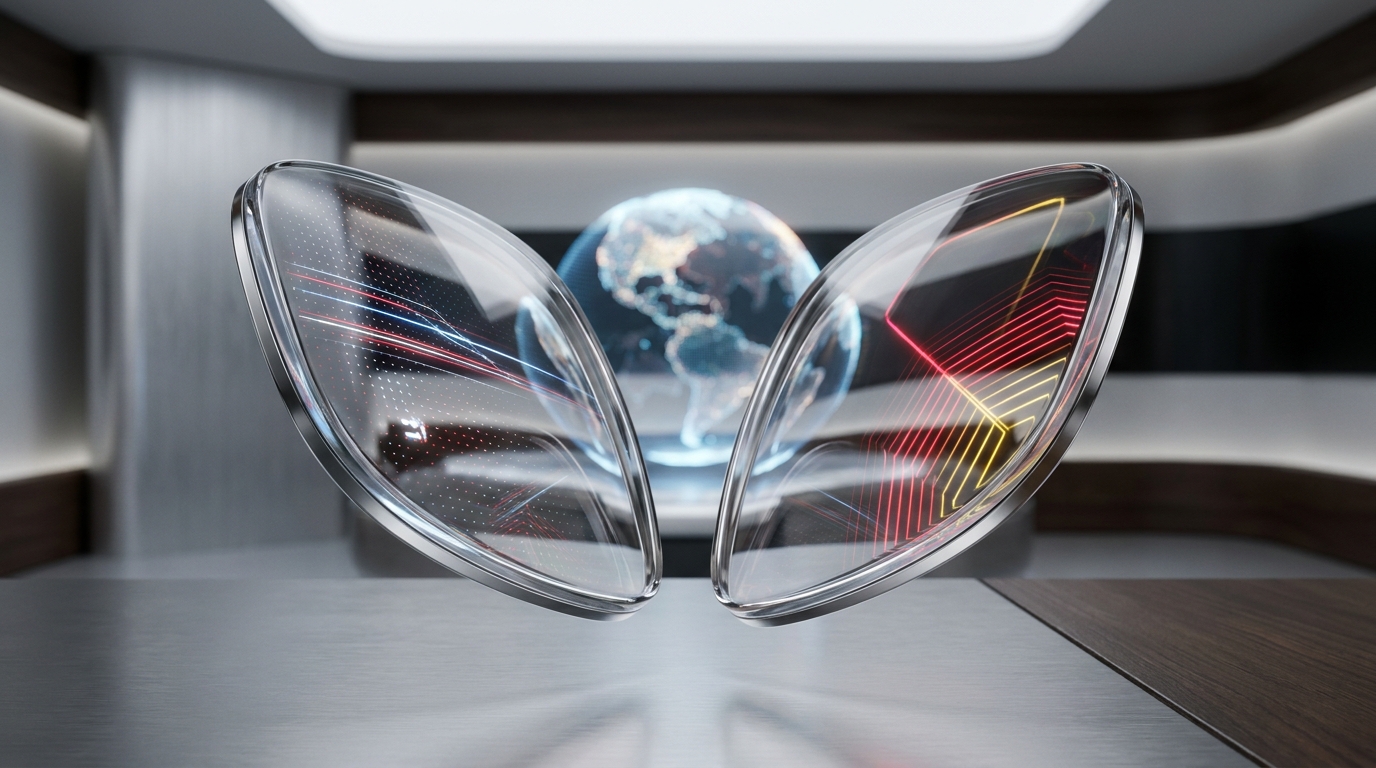
Dies ist nicht nur eine Produkteinführung, es ist eine These. Maverick setzt auf ein zentrales Unterscheidungsmerkmal: einen wirklich leichten Formfaktor gepaart mit einem vollfarbigen AR-Display. In einem Markt, der oft von klobigen Headsets oder monochromatischen Kompromissen geplagt wird, könnte Mavericks Ambition, ein komfortables, visuell reichhaltiges AR-Erlebnis für den täglichen Gebrauch zu liefern, eine bedeutende Nische erobern.
Der anfängliche, durch eine prominente Kickstarter-Kampagne verstärkte Rummel, positioniert Maverick als agilen, konsumentenorientierten Akteur. Die entscheidende Frage ist nicht nur, was sie versprechen, sondern ob sie eine überzeugende Vision in einem sich schnell entwickelnden, aber noch jungen Bereich liefern können.
Everysight selbst ist kein Neuling im Optikgeschäft. Ihre Wurzeln liegen in der Bereitstellung fortschrittlicher Head-up-Displays für den Hochleistungsradsport, eine Erfahrung, die ihnen hart erarbeitetes Fachwissen in Optik und Formfaktor-Engineering für den aktiven Einsatz verlieh. Diese Erfahrung in der Bereitstellung funktionaler AR-Overlays in einer anspruchsvollen Umgebung verleiht ihrem neuen Vorhaben eine gewisse Glaubwürdigkeit.
Der Markenname 'Maverick' fühlt sich jedoch wie eine bewusste Kursänderung an - ein Ablegen des Nischensport-Fokus, um eine breitere, ambitioniertere 'AI Glasses'-Kategorie zu umfassen. Dieser Schritt spiegelt ein klares Verständnis der aktuellen Marktentwicklung wider: Über spezialisierte Tools hinaus sehnen sich Nutzer nach intelligenten, nahtlos integrierten täglichen Begleitern.
Ihr Zielsegment ist die schwer fassbare 'täglich tragbare' Smart Glass. Hier geht es nicht um Unternehmenslösungen oder VR-ähnliche Gaming-Rigs. Maverick zielt direkt auf den Konsumenten ab, der kontextbezogene Informationen, Kommunikation und Augmented Reality mühelos in sein natürliches Sichtfeld integriert haben möchte, ohne das soziale Stigma oder die körperlichen Beschwerden größerer Geräte.
Der Zeitpunkt ist günstig. Während der breitere Markt über klobige XR-Headsets und einfache Smart Glasses, die kaum mehr als Benachrichtigungsspiegel bieten, müde wird, verspricht ein wirklich leichtes, vollfarbiges AR-Erlebnis mit eingebetteter AI eine frische Perspektive. Der Crowdfunding-Ansatz ermöglicht eine direkte Marktvalidierung und agile Iteration, wodurch traditionelle, langsamere Entwicklungszyklen umgangen werden.
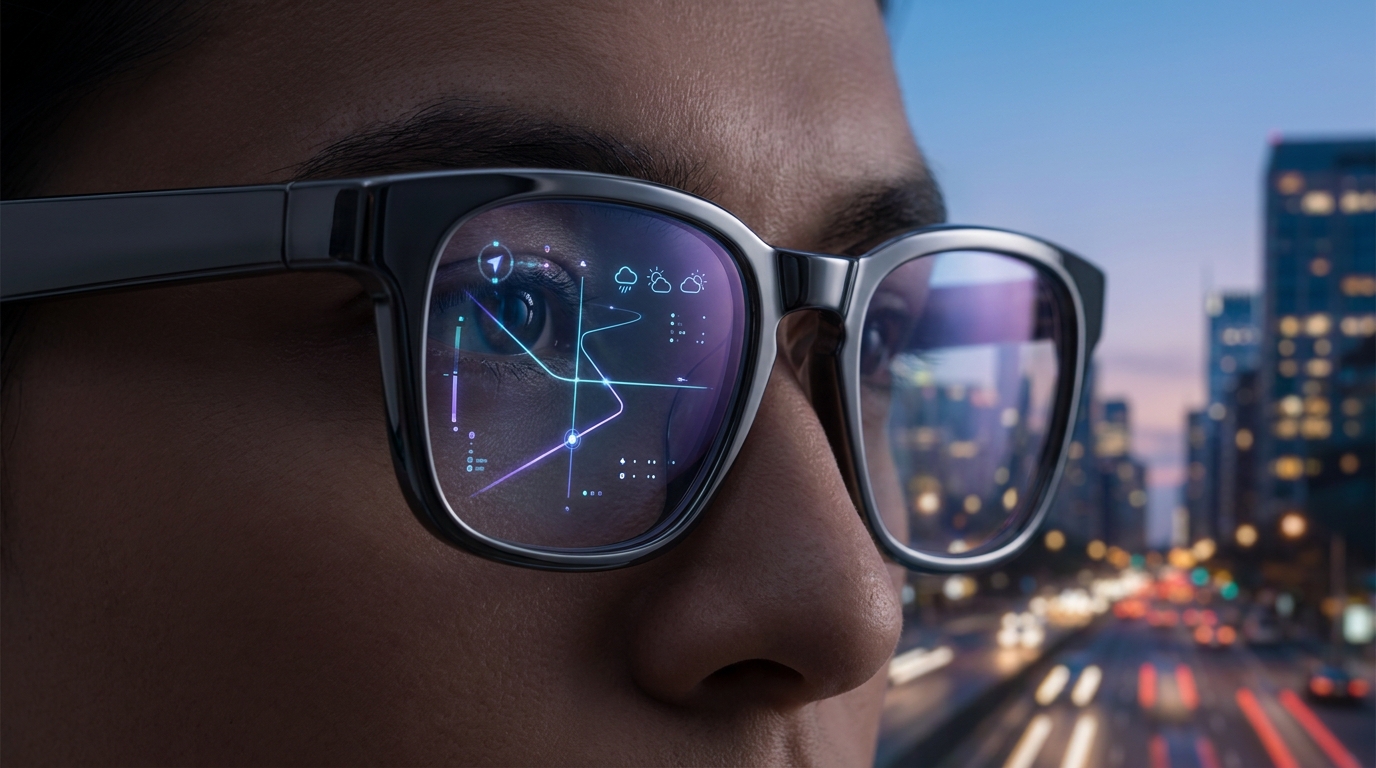
Mavericks aktuelles Line-up konzentriert sich auf ein einziges Produkt: die 'Maverick AI Glasses'. Öffentlich bekannte Details betonen zwei kritische Merkmale. Erstens, ein "leichtes Design", das darauf abzielt, diese Brillen bequem genug für den längeren täglichen Gebrauch zu machen, ein erhebliches Hindernis für viele AR-Geräte. Zweitens, ein "vollfarbiges AR-Display", das entscheidend ist für die Bereitstellung reichhaltiger, immersiver Augmented-Reality-Erlebnisse, die über einfache monochromatische Texte oder Umrisse hinausgehen.
Über diese Kernattribute hinaus wurden spezifische technische Spezifikationen wie Sichtfeld, Auflösung, Akkulaufzeit oder Rechenleistung nicht öffentlich detailliert. Klar ist die Absicht des Produkts: kontextbezogene Informationen, visuelle Overlays und potenziell AI-gestützte Unterstützung direkt im Sichtfeld des Nutzers bereitzustellen, alles verpackt in einem Formfaktor, der unauffällig sein will.
Der Begriff 'AI Glasses' selbst suggeriert On-Device-Intelligenz und fortschrittliche Interaktionsmöglichkeiten, die wahrscheinlich Sprachbefehle und möglicherweise sogar Blickverfolgung für den freihändigen Betrieb umfassen. Ohne präzise Details schließen wir auf einen Fokus auf Ambient Computing, bei dem Informationen intelligent und proaktiv geliefert werden, anstatt explizite Benutzeraufforderungen zu erfordern.
Bei der Positionierung von Maverick gegenüber Wettbewerbern wird sein Alleinstellungsmerkmal deutlicher. Im Vergleich zu ASUS' AirVision M1, das primär als persönliches Display für den Medienkonsum fungiert, strebt Maverick eine vollständige Augmented-Reality-Interaktion mit der Welt an. Es geht darum, digitale Informationen auf die Realität zu legen, nicht nur einen privaten Bildschirm bereitzustellen.
Gegen Samsungs beeindruckendes Galaxy XR Headset oder Android XR Glasses spielt Maverick ein ganz anderes Spiel. Samsung baut ein robustes, hochauflösendes XR-Ökosystem auf, oft mit erheblichen Rechenanforderungen und einem größeren Formfaktor. Maverick hingegen priorisiert leichtes tägliches Tragen und nahtlose Integration über rohe Rechenleistung oder komplexe 3D-Umgebungen. Dies positioniert es als alltäglichen Begleiter statt als dedizierte Computing-Plattform.
Rokid bietet mit seinem vielfältigen Angebot von AR Spatial bis AR Lite einen engeren Wettbewerb im Formfaktor. Mavericks expliziter Fokus auf "vollfarbige AR" und aggressives "AI Glasses"-Branding deutet jedoch auf ein Unterscheidungsmerkmal in Bezug auf visuelle Wiedergabetreue und intelligente Unterstützung hin, das Rokids aktuelle konsumentenorientierte AR-Brillen möglicherweise nicht vollständig betonen. Maverick will ein AI-gesteuerter Co-Pilot sein, nicht nur eine Erweiterung des Displays Ihres Telefons.
Unser Urteil bei Smart Glasses Daily ist, dass Maverick Aufmerksamkeit verlangt. Seine Stärken liegen in einer klaren, überzeugenden Vision: leichte, vollfarbige AR, angetrieben von AI, konzipiert für den täglichen Gebrauch. Everysights frühere Expertise in Optik gibt ihnen eine glaubwürdige Grundlage, dieses Versprechen einzulösen. Das Kickstarter-Modell, das zwar den frühen Status anzeigt, fördert auch eine direkte Beziehung zu einer entscheidenden Early-Adopter-Community.
Die größten Schwächen sind jedoch die unbekannten Details: Können sie die für wirklich nützliche AR erforderliche technische Leistung liefern, ohne das leichte Design zu beeinträchtigen? Die wahre Kraft ihres 'AI Glasses'-Anspruchs bleibt abzuwarten. In den nächsten 12 Monaten werden wir die erfolgreiche Kickstarter-Erfüllung, greifbare Produktbewertungen, die das Display und die AI-Fähigkeiten validieren, und alle Anzeichen einer Ökosystementwicklung oder einer breiteren Einzelhandelsstrategie beobachten. Wenn Maverick seine ambitionierten Behauptungen einlösen kann, könnte es die Erwartungen an Consumer Smart Glasses neu definieren.
Interactive guide — prices, displays, cameras, battery.
Diesen Artikel teilen