新闻 · Huawei· (English original)
Huawei Enters the AI Glasses Race With HarmonyOS-Powered Specs
The Chinese tech giant's first camera-equipped smart glasses challenge Meta's dominance with real-time translation and a proprietary AI chip.

Huawei Enters the AI Glasses Race With HarmonyOS-Powered Specs
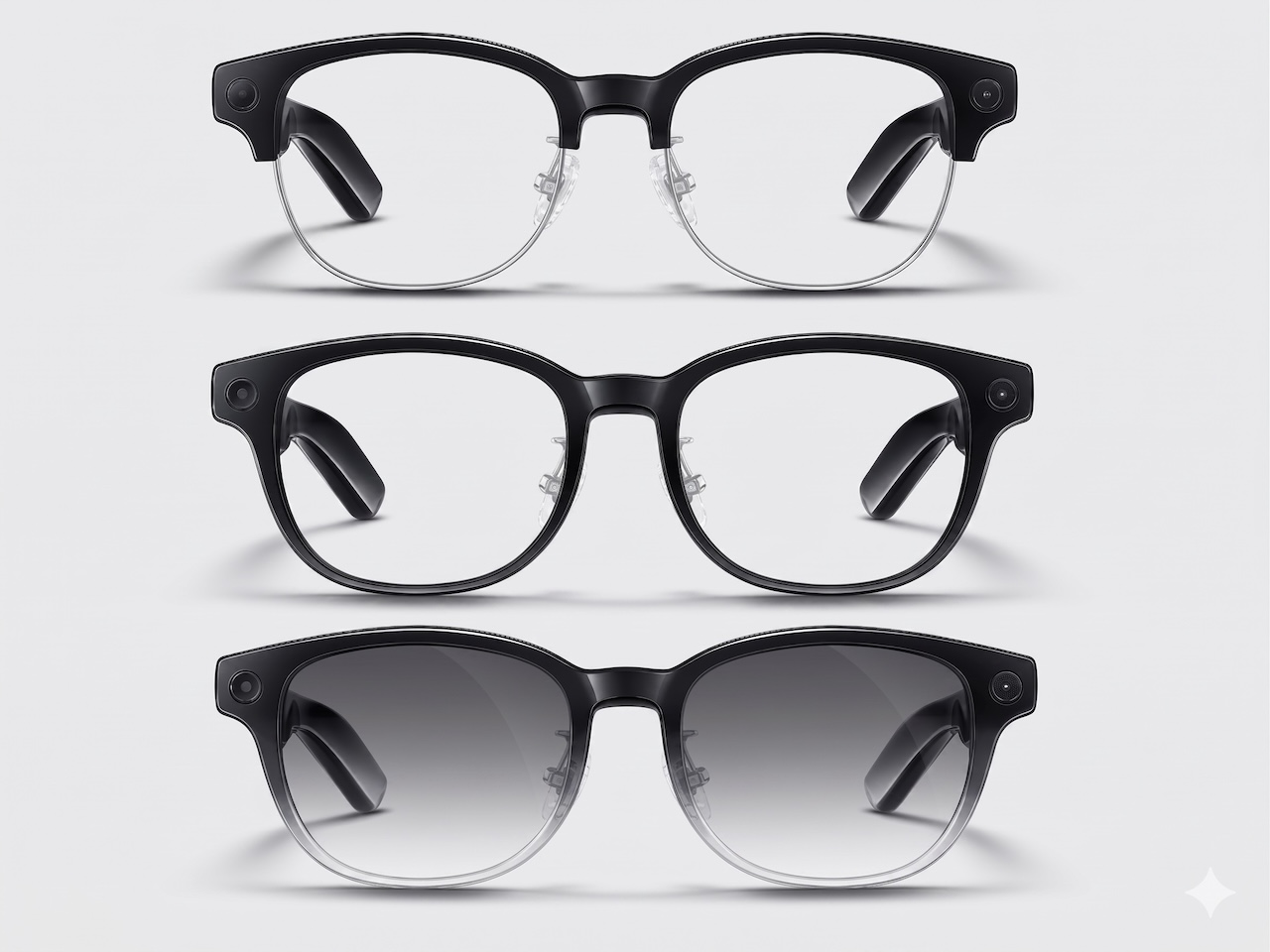
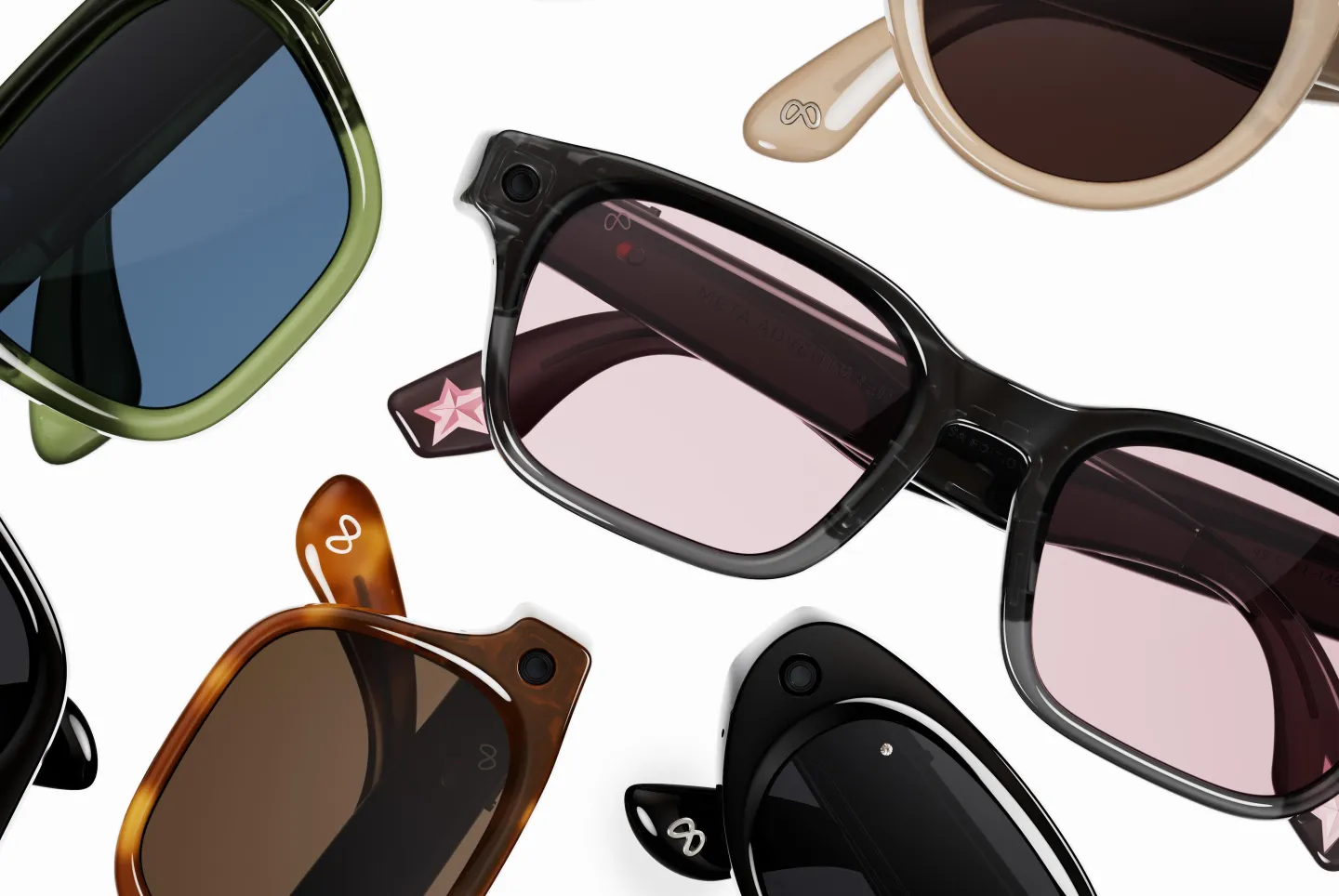
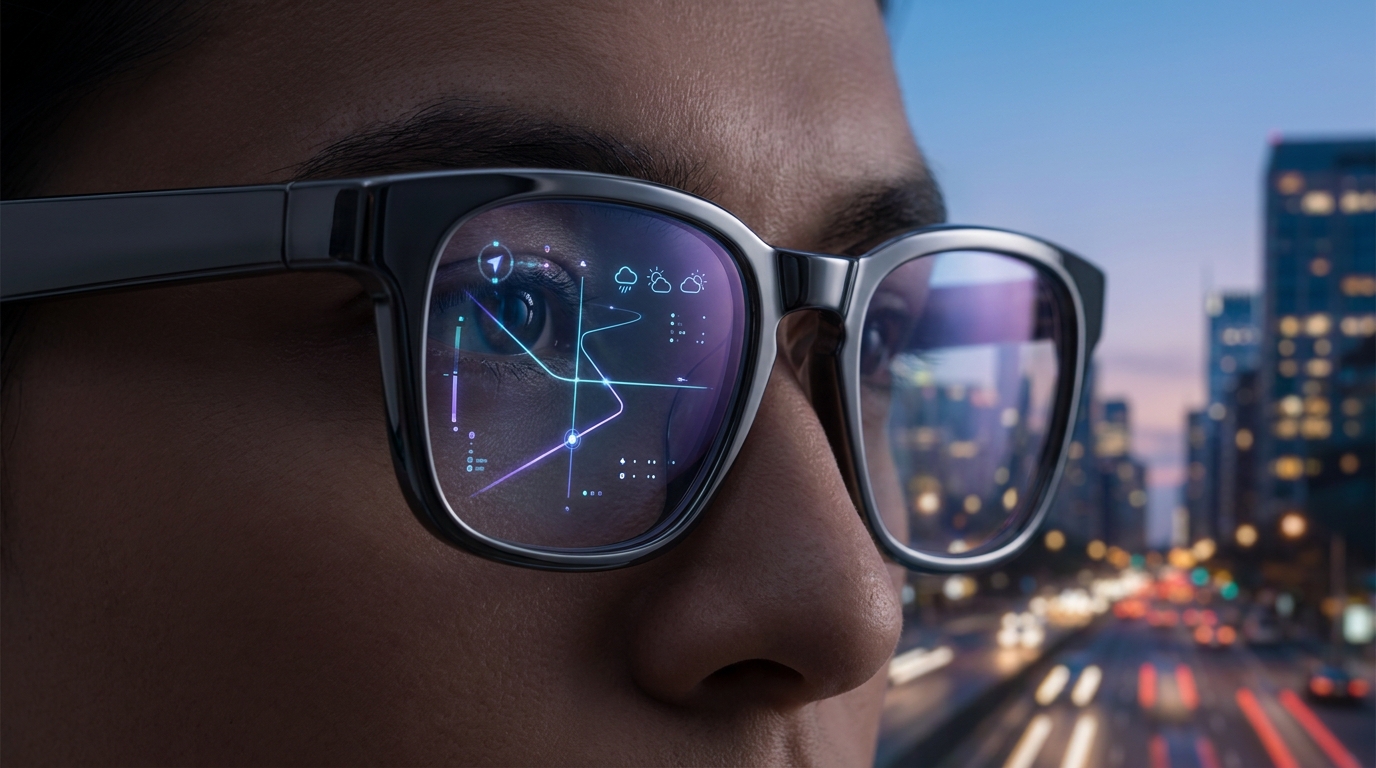
Huawei officially entered the AI smart glasses market on April 20, unveiling the Huawei AI Glasses at a launch event in China. Running on HarmonyOS and powered by a proprietary AI chip, these are the company's first smart glasses equipped with a camera, putting them in direct competition with Meta's Ray-Ban lineup.
The hardware specifications are competitive. A 12-megapixel camera handles photos and video capture, matching Meta's current offering. The titanium hinge design signals premium build quality, while the frames weigh in at a category-competitive weight that Huawei has not yet precisely disclosed.
Where Huawei appears to differentiate is in AI capabilities. Real-time translation is built into the device, leveraging the company's proprietary large language model. This positions the glasses as a practical travel and business communication tool, particularly in Asia where cross-language interactions are routine, according to The Gadgeteer's hands-on report.
The pricing strategy is aggressive. At ¥2,499 (approximately $365), the Huawei AI Glasses undercut the Ray-Ban Meta starting price by over $100. For the Chinese domestic market, where Meta's products face distribution challenges, this creates a clear value proposition.
Battery life is another claimed advantage. Early reports from Gizmochina suggest Huawei's frames outlast the Ray-Ban Meta on a single charge, though independent testing will be needed to verify these claims under real-world usage conditions.
The launch carries broader strategic significance. Huawei's entry validates the AI glasses category as a genuine consumer electronics segment rather than a niche experiment. With Google partnering with luxury brands and Snap preparing its own consumer launch, the competitive landscape for AI-powered eyewear is intensifying rapidly heading into the second half of 2026.
Source : The Gadgeteer