Analysis · —
The Glaring Blind Spot in 2026's Smart Glasses Boom
Everyone from Gucci to Reebok is chasing Meta's smart eyewear success. But a market obsessed with niche features and luxury branding is completely missing what normal people actually want from the technology.
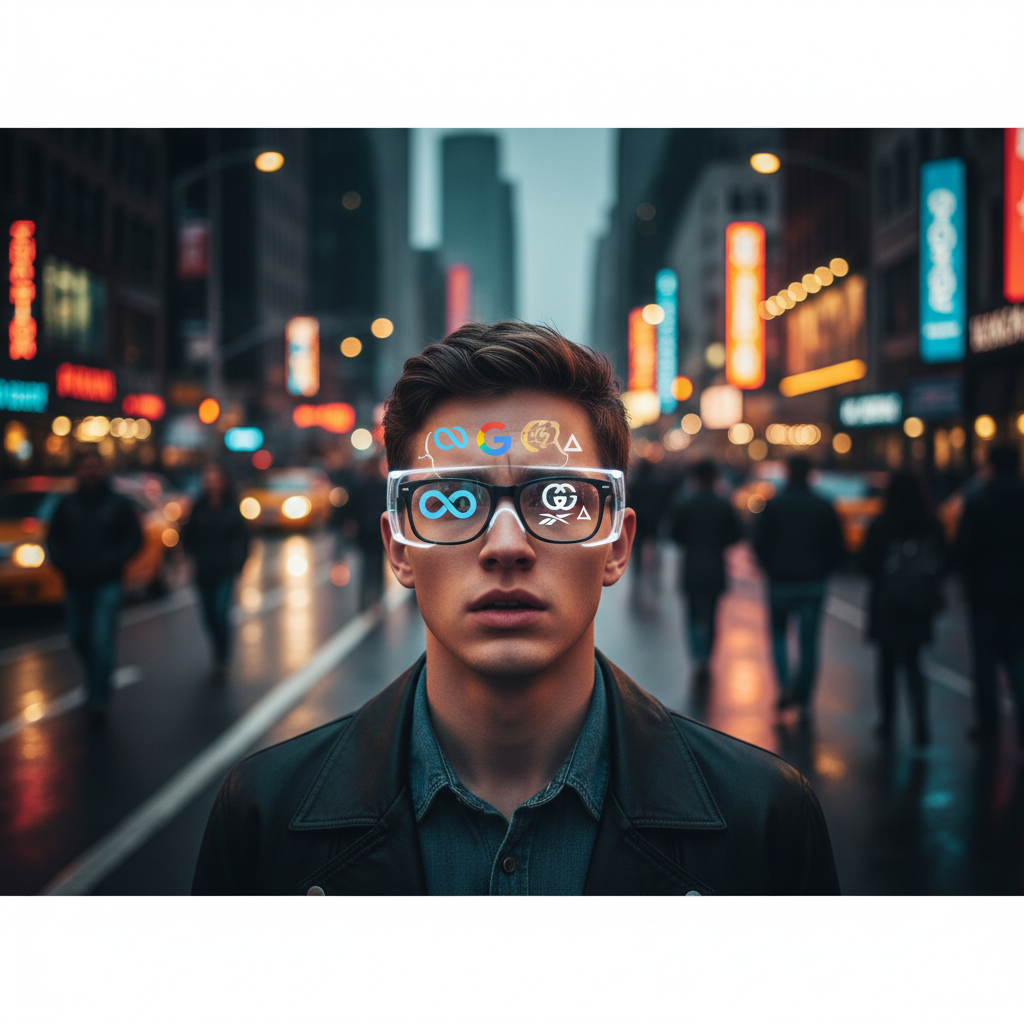
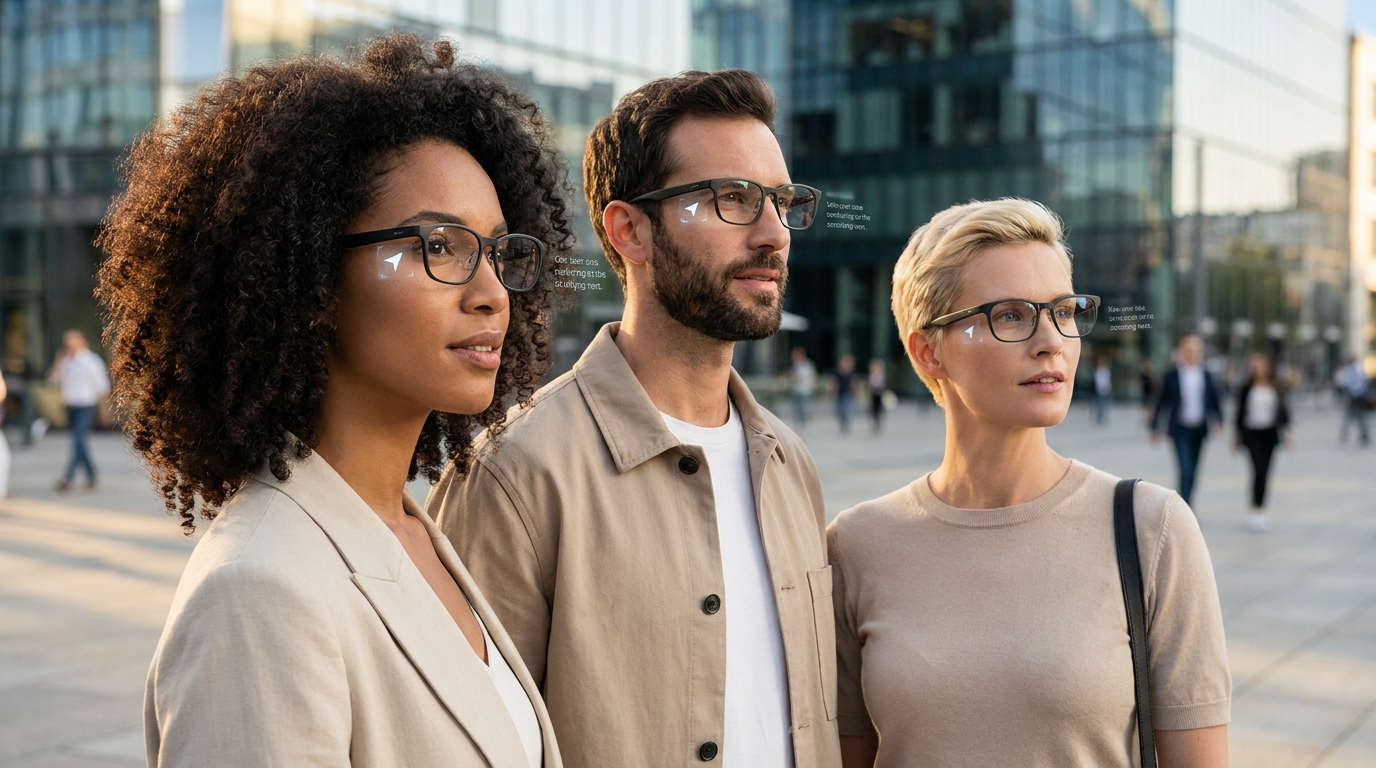
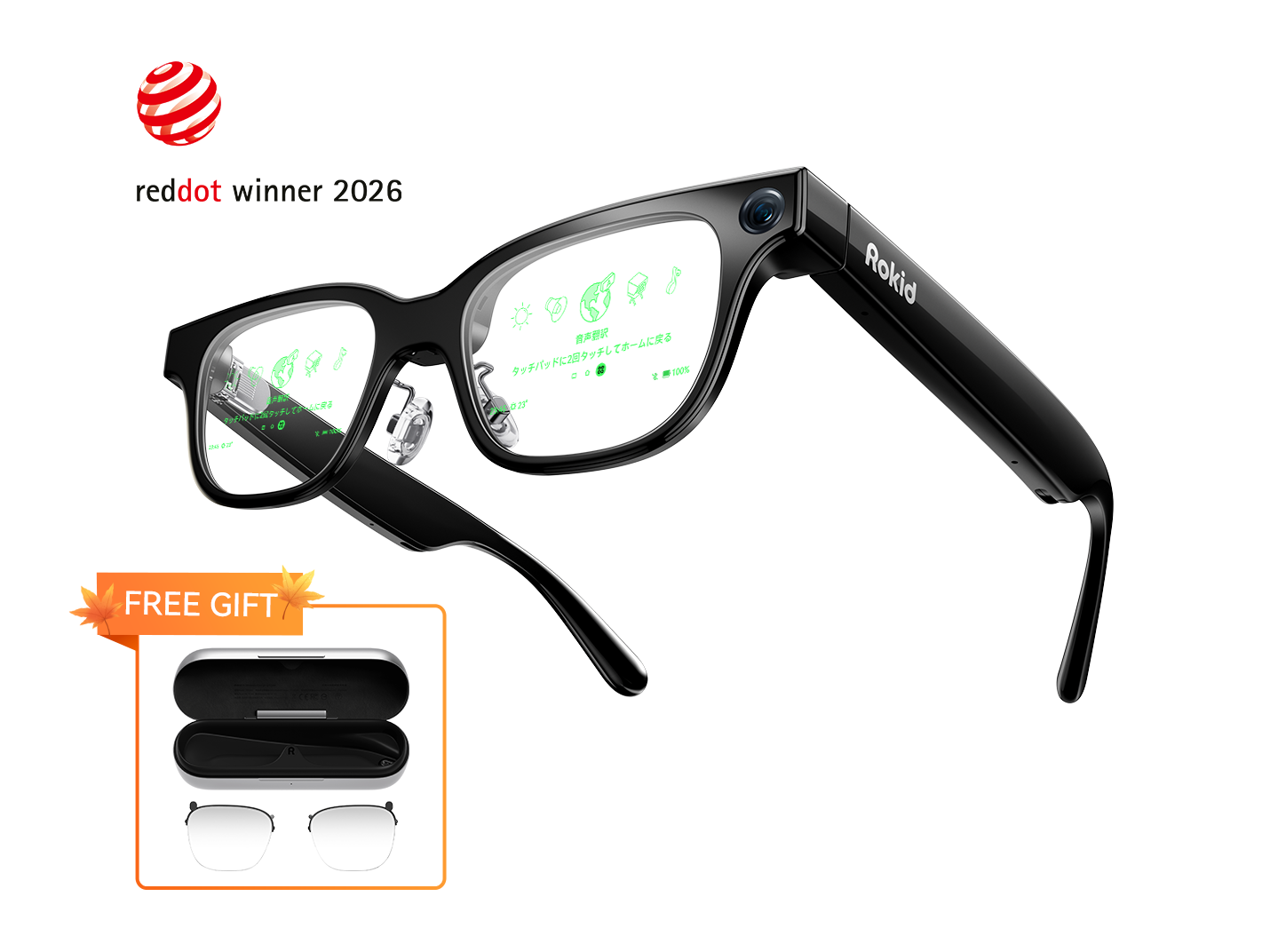
The smart glasses land grab is in full swing. In 2026, the silence of the early years has been replaced by a chaotic gold rush, with Meta’s Ray-Ban success acting as the starting pistol. Now, everyone wants a piece of your face: Reebok is pushing prescription-ready frames, Chinese manufacturer Rokid is flexing its display tech, and Google is tapping Gucci for a high-fashion play in 2027.
Yet for all the frenzied activity, the industry's leaders are falling into the same tired traps. They’re building for two extremes: the hyper-specialized professional using Vuzix glasses on an automotive assembly line, or the tech-obsessed fashionista willing to drop a fortune on a Google/Gucci statement piece. The vast, underserved territory in the middle-the actual everyday user-is being offered gadgets, not essentials.
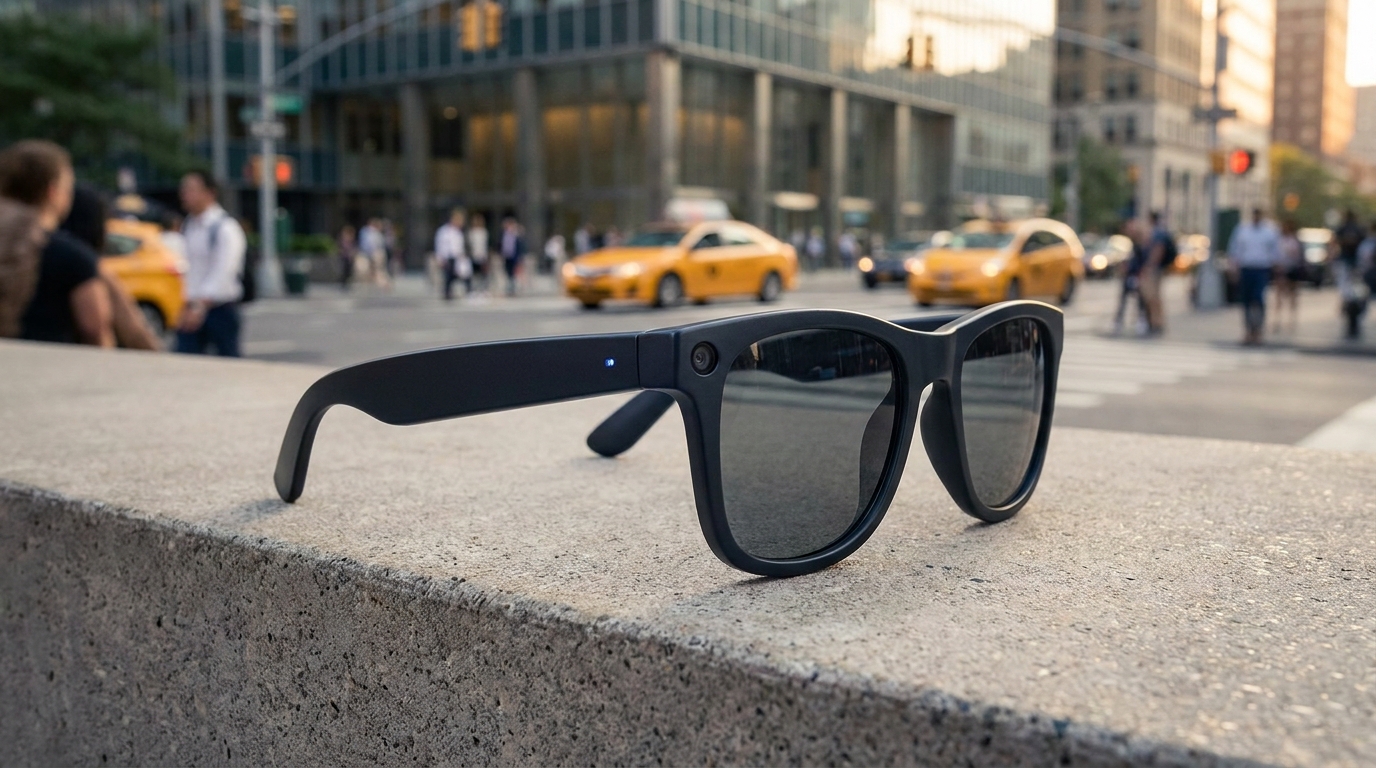
Let’s be clear: Meta’s collaboration with Ray-Ban was a masterstroke of industrial design, solving the critical problem of social acceptance. Our own archives show we called it a 'Trojan horse' that won the war for our faces. Now, with the first-generation model seeing a massive 25% price drop on Amazon, the barrier to entry is lower than ever.
The problem is that even Meta seems unsure of what to do with its victory. It’s fracturing its strategy into hyper-specific verticals, like the excellent Oakley Meta Vanguard for skiers who want a better action cam. At the same time, its grander vision for always-on AI is drawing fire from a coalition of over 75 advocacy groups decrying it as a 'dystopian privacy invasion.'
This schism perfectly illustrates the display dilemma. Challenger brand Rokid is hammering Meta for lacking a screen, citing niche but real demand from users who want a teleprompter. On paper, it sounds like a killer feature and an obvious differentiator in a crowded market.
But in the real world, a head-up display is a social landmine. Look no further than the recent UK High Court case where a witness was accused of using his smart glasses to be secretly coached during testimony. That single incident is a more powerful deterrent for mass adoption than any marketing campaign is a driver; nobody wants to live in a world where you can't tell if the person you're talking to is present or being fed lines.
Into this mess waltzes Google, hand-in-hand with Gucci. This isn't a strategy for winning the mainstream; it's a reheated version of the Google Glass playbook, swapping tech-bro elitism for high-fashion exclusivity. A Gucci-branded device launching in 2027 will be a status symbol, not a daily driver, further cementing smart glasses as toys for the rich.
Tellingly, even Google's more accessible 'Project Aura' glasses, expected later this year, are reportedly being designed without a screen specifically to sidestep the privacy minefield. This isn't a solution; it's an admission of defeat. They are so terrified of the social contract they can't create that they’d rather ship a neutered product.
On the opposite end of the spectrum, Reebok's new line with Lucyd takes this logic to its conclusion. By focusing on prescription compatibility and audio-only features, they are deliberately stripping out the camera-the technology's most powerful and controversial component. They're selling headphones you wear on your face, a safe but deeply uninspired compromise.
This is the fractured landscape of 2026. The market is forcing a choice: Do you want a device with a camera that makes everyone around you uncomfortable? Or do you want a neutered audio player that barely qualifies as 'smart'? The promise of a single, cohesive, do-it-all device that feels normal remains unfulfilled.
We've seen sparks of brilliance, to be sure. The Be My Eyes integration on Meta's glasses is a genuinely life-changing application, offering hands-free AI assistance to the visually impaired. But this is a powerful accessibility tool, not a mainstream killer app.
The unsettling encounter reported by USA Today, where a man was identified and approached by a stranger wearing smart glasses, is the ghost that haunts the entire industry. It’s what 75 advocacy groups are shouting about. For the sighted majority, the most obvious-and feared-use case being pushed is one of passive, persistent surveillance.
The industry remains convinced that the path forward is a single, headline-grabbing feature-next-gen AI, a floating screen, a luxury logo. They are fundamentally wrong. The real killer app for smart glasses isn't one big thing; it's a seamless and subtle integration of a dozen small conveniences that simplify life without creating social friction.
For now, the Vuzix glasses will stay at the factory, and the Oakley Vanguards will be packed away after the ski trip. The rest of us will continue pulling out our phones, waiting for a company that understands the future of eyewear isn't about building a smarter gadget. It’s about building more human glasses.
Interactive guide — prices, displays, cameras, battery.
Share this story