News · —
DHS Smart Glasses: A Surveillance Nightmare in the Making?
The Department of Homeland Security is reportedly developing its own smart glasses. Paired with biometric databases and facial recognition, these devices could usher in a new era of extensive public surveillance.

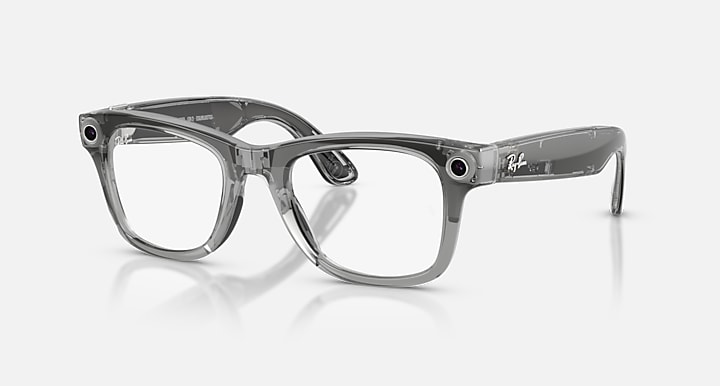
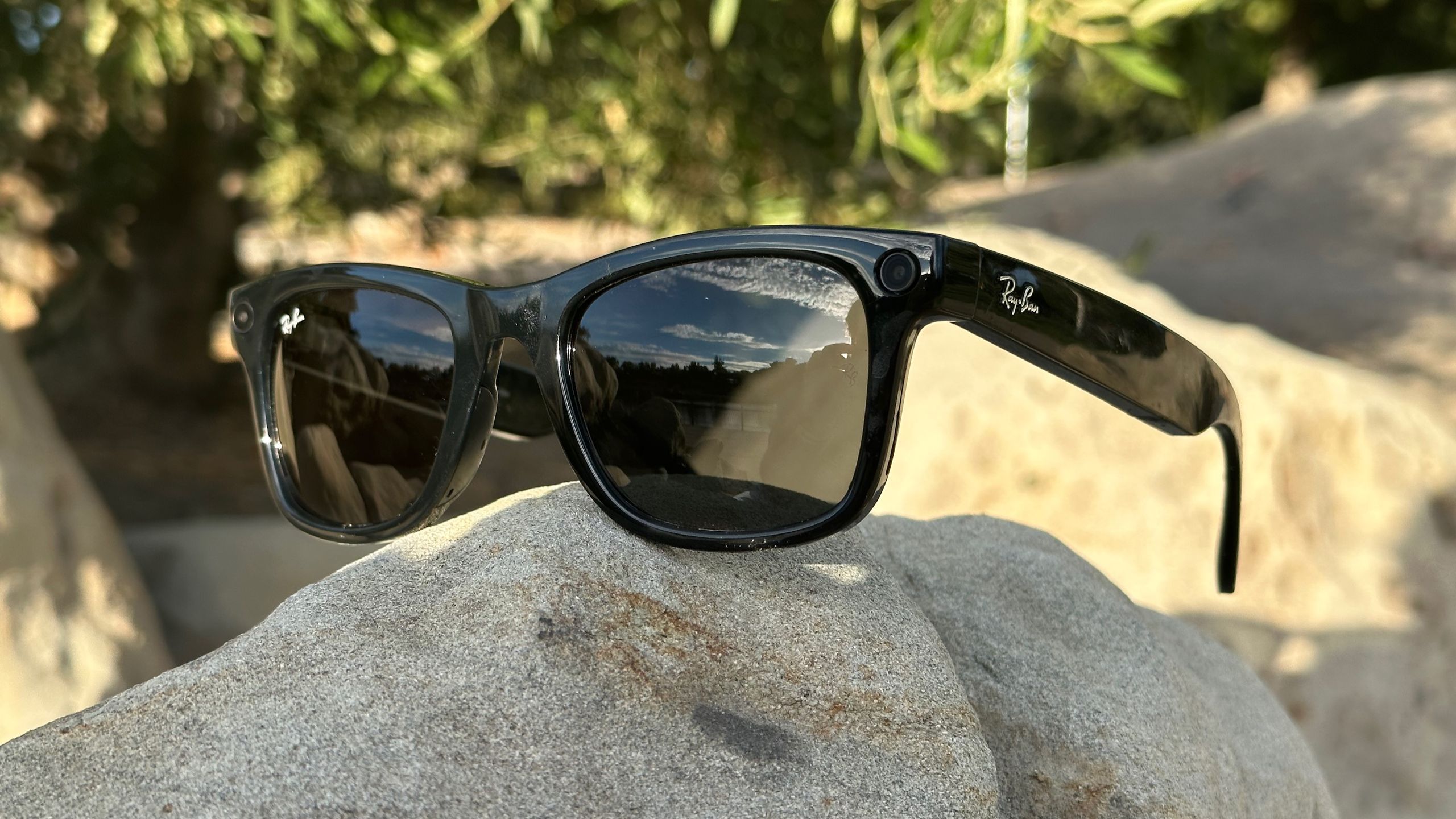
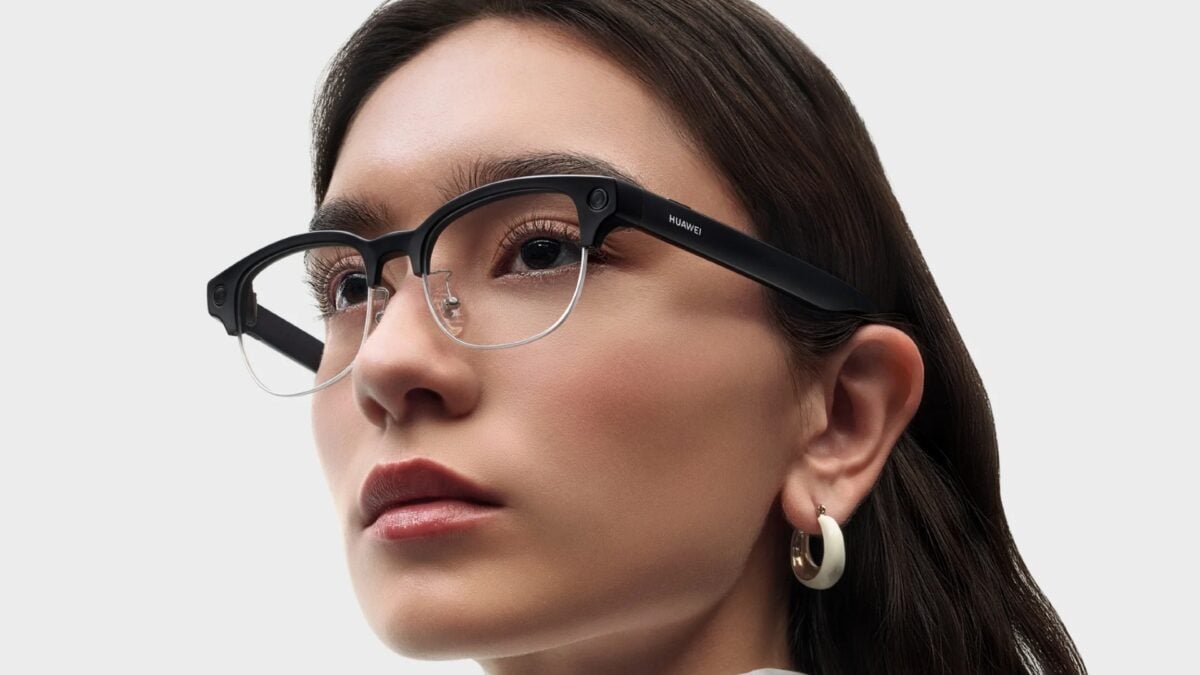
A pair of sleek, dark smart glasses with a camera lens visible, suggesting surveillance capabilities.
On April 21, 2026, journalist Ken Klippenstein's reporting for Google News – smart glasses revealed that the Department of Homeland Security (DHS) is developing smart glasses for Immigration and Customs Enforcement (ICE) aimed at identifying individuals, specifically "illegal aliens," in real-time.
According to Google News – smart glasses, budget documents describe the project as delivering "innovative hardware, such as operational prototypes of smart glasses, to equip agents with real-time access to information and biometric identification capabilities in the field." These devices would integrate with existing biometric databases and utilize facial recognition technology.
The potential implications are concerning. An unnamed DHS attorney, speaking to Google News – smart glasses, expressed reservations: "It might be portrayed as seeking to identify illegal aliens on the streets, but the reality is that a push in this direction affects all Americans, particularly protestors."
This initiative follows a ProPublica investigation in October 2025, cited by Google News – smart glasses, which detailed instances of ICE detaining U.S. citizens, occasionally with force. The application of smart glasses equipped with facial recognition would significantly expand ICE's surveillance capabilities, raising substantial civil liberties questions.
This development arrives as the integration of facial recognition into consumer smart glasses also faces scrutiny. Google News – smart glasses notes that Senators Ron Wyden and Jeff Merkley (both D-Ore.) have previously voiced concerns regarding Meta's similar explorations. Curiously, Congress, reportedly aware of the DHS's plans, has remained silent.
Our take: The widespread adoption of smart glasses has always carried privacy implications, but this takes the discussion to an alarming new level. The prospect of government agencies deploying always-on, facial-recognition-enabled eyewear for broad public surveillance is a direct challenge to fundamental privacy rights. The lack of open debate or congressional oversight on such a significant technological deployment is deeply troubling, setting a dangerous precedent for future interactions between citizens and authority.
Share this story