ガイド · Alibaba· 日本語 — auto
AlibabaのAIグラス攻勢: Smart Glasses Dailyブランドガイド
このEコマースの巨人が衝撃的な速さでスマートグラス市場に参入。AIファースト戦略、競合との比較、そしてハードウェアがその野心に見合うか dissectします。
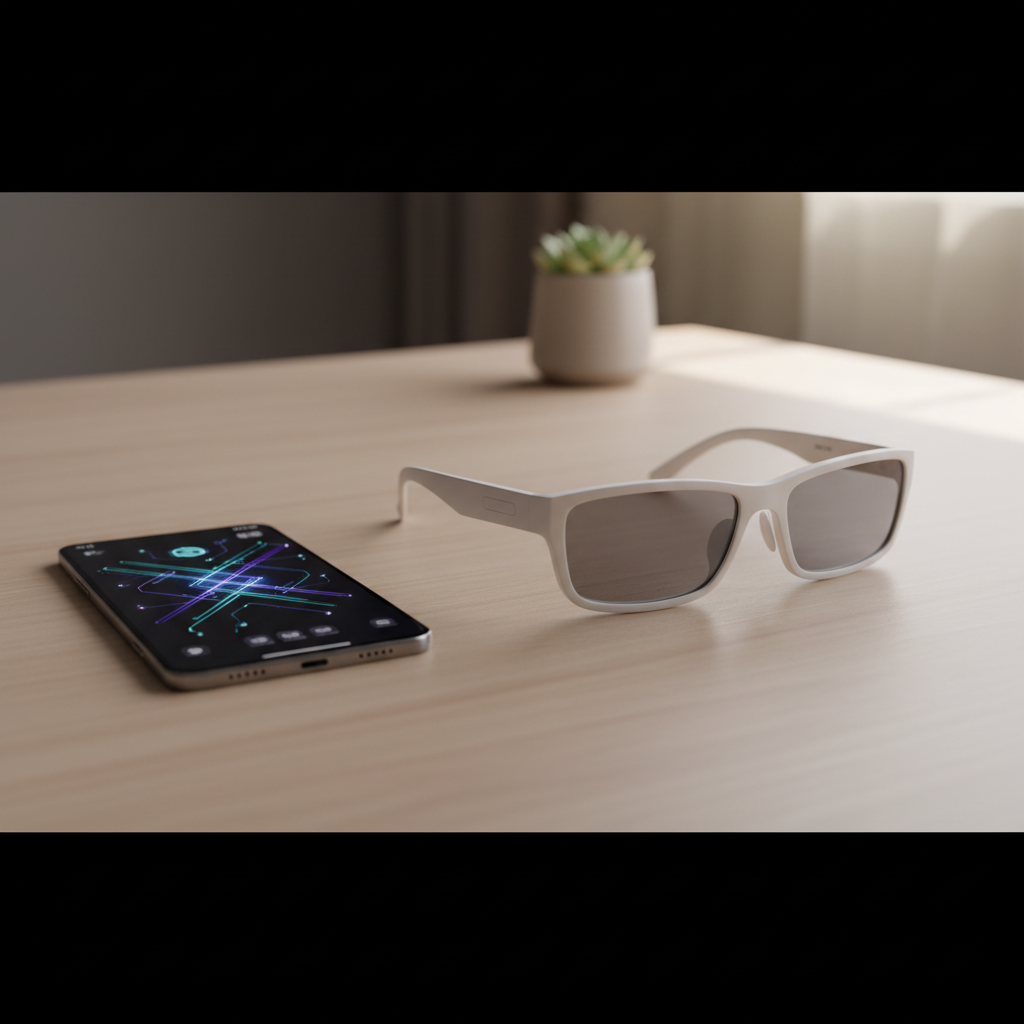
Eコマースとクラウドコンピューティングの巨人がニッチなハードウェア分野に突如として積極的な参入を示したとき、注目せざるを得ません。Alibabaが最近立て続けに発表したAIグラスは、単なる実験ではありません。それは、ウェアラブルの状況を根本的に変えるだけの資源、AIの能力、市場アクセスを持つ企業からの明確な意思表明です。
核心となるのは、AlibabaがMetaやAppleのARゲームで勝とうとしているのではないという点です。むしろ、同社はその強力なQwen大規模言語モデル(LLM)を武器に、AIファーストグラスという新しいカテゴリを切り開こうとしています。その戦略は、競合他社がまだ市場の全体像を把握しきれないうちに、プロダクト・マーケット・フィットを見つけることを目指す、超高速のイテレーションです。
Alibabaをオンラインマーケットプレイスとしてのみ知っている人は、認識を改める時期です。Alibaba Groupは、基盤となるテクノロジーに深く投資する広範なテクノロジーコングロマリットです。そのAlibaba Cloud部門は世界的な大手であり、DAMO Academyは人工知能の最先端を推進する潤沢な資金を持つ研究機関です。ハードウェアはAlibabaの歴史的な得意分野ではありませんが、そのコアサービスを展開するための重要な新しいフロンティアを表しています。
同社のターゲットセグメントは2つあるようです。テクノロジーに精通したプロシューマーと、既にそのエコシステムに組み込まれているエンタープライズクライアントです。これらのユーザーにとって、AIグラスはエンターテイメントデバイスではなく、生産性向上ツール、つまりAlibabaのクラウドとAIプラットフォームのインテリジェンスにアクセスするための新しいインターフェースなのです。
なぜ今なのでしょうか。LLMの爆発的な成熟により、アンビエントで音声駆動型のAIが実用的な現実になりました。他社が視覚ファーストの拡張現実アプローチを完成させている一方で、AlibabaはオーディオファーストのAIアシスタント体験に、グラスのフォームファクターを最も論理的かつ侵襲性の低い配信メカニズムとして利用する機会を見出しています。
このハードウェアの推進は、ガジェットを売ることよりも、その真の製品である「AI」のための新しいエンドポイントを創造することにあります。ハードウェアを制御することで、AlibabaはQwenモデルが最高の位置を占め、データとユーザーインタラクションを収集して強力なフィードバックループを生成することを確実にしています。
Alibabaのラインナップは驚くべき速さで具体化しました。最初のモデルに関する詳細はまだ少なかったものの、同社は後継機であるQwen S1 AIグラスを迅速に発表しました。この急速なリリーススケジュールこそが最も重要な仕様であり、リアルタイムでの公開ベータテストとイテレーションという戦略を示しています。
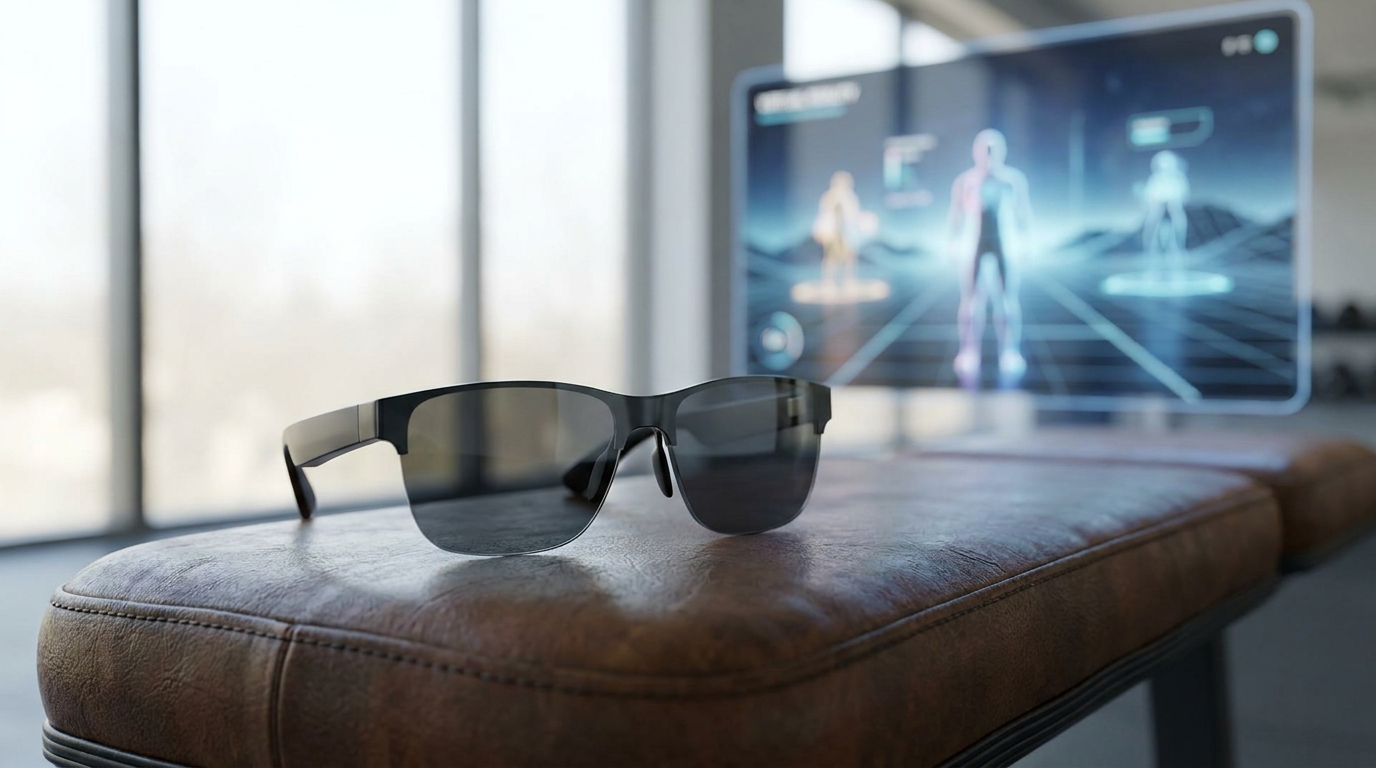
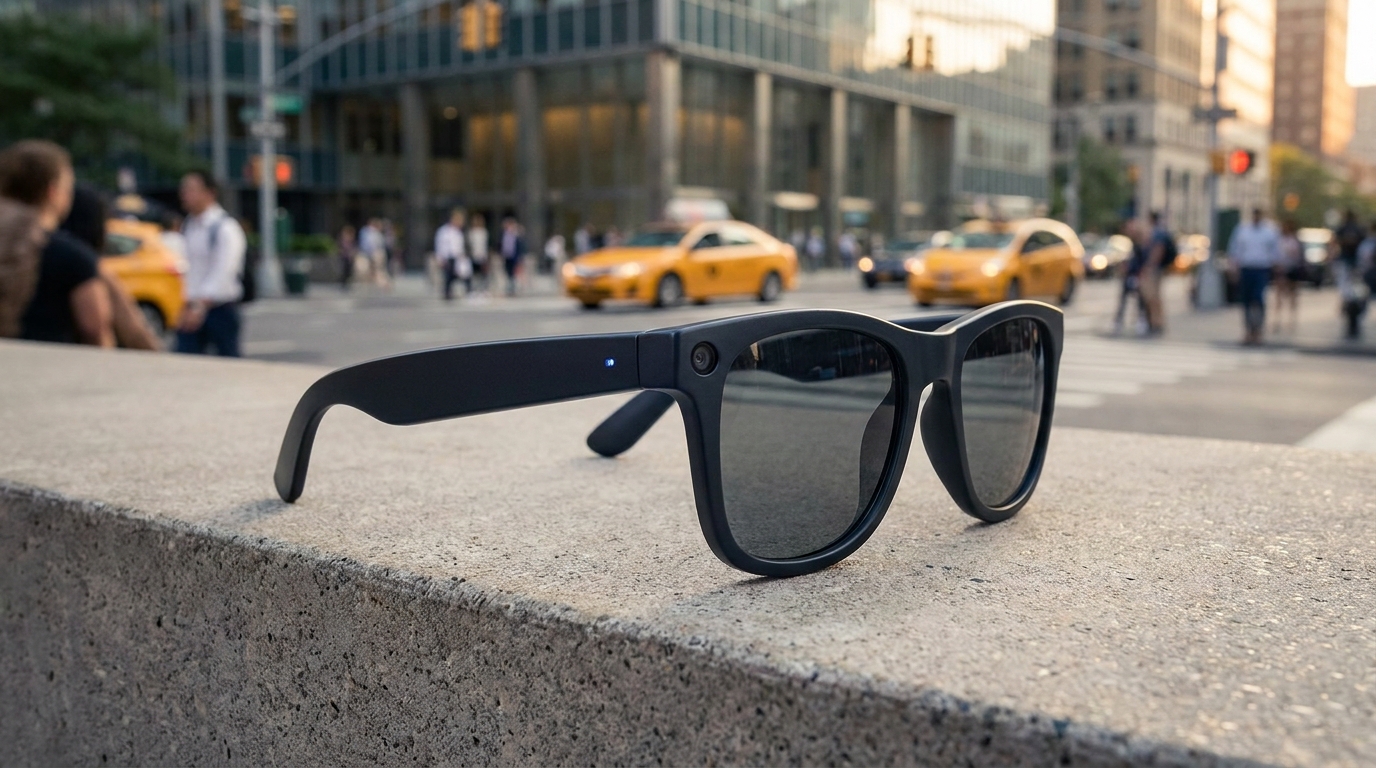
Qwen S1のハードウェアに関する詳細は意図的に控えめです。Qwen LLMと直接統合されており、リアルタイム翻訳、要約、その他のAI搭載タスクを可能にすることは分かっています。フォームファクターは一般的な眼鏡型であり、没入型ディスプレイよりも控えめさを優先しています。これは、複雑なデジタルオブジェクトを世界にオーバーレイするためのデバイスではありません。
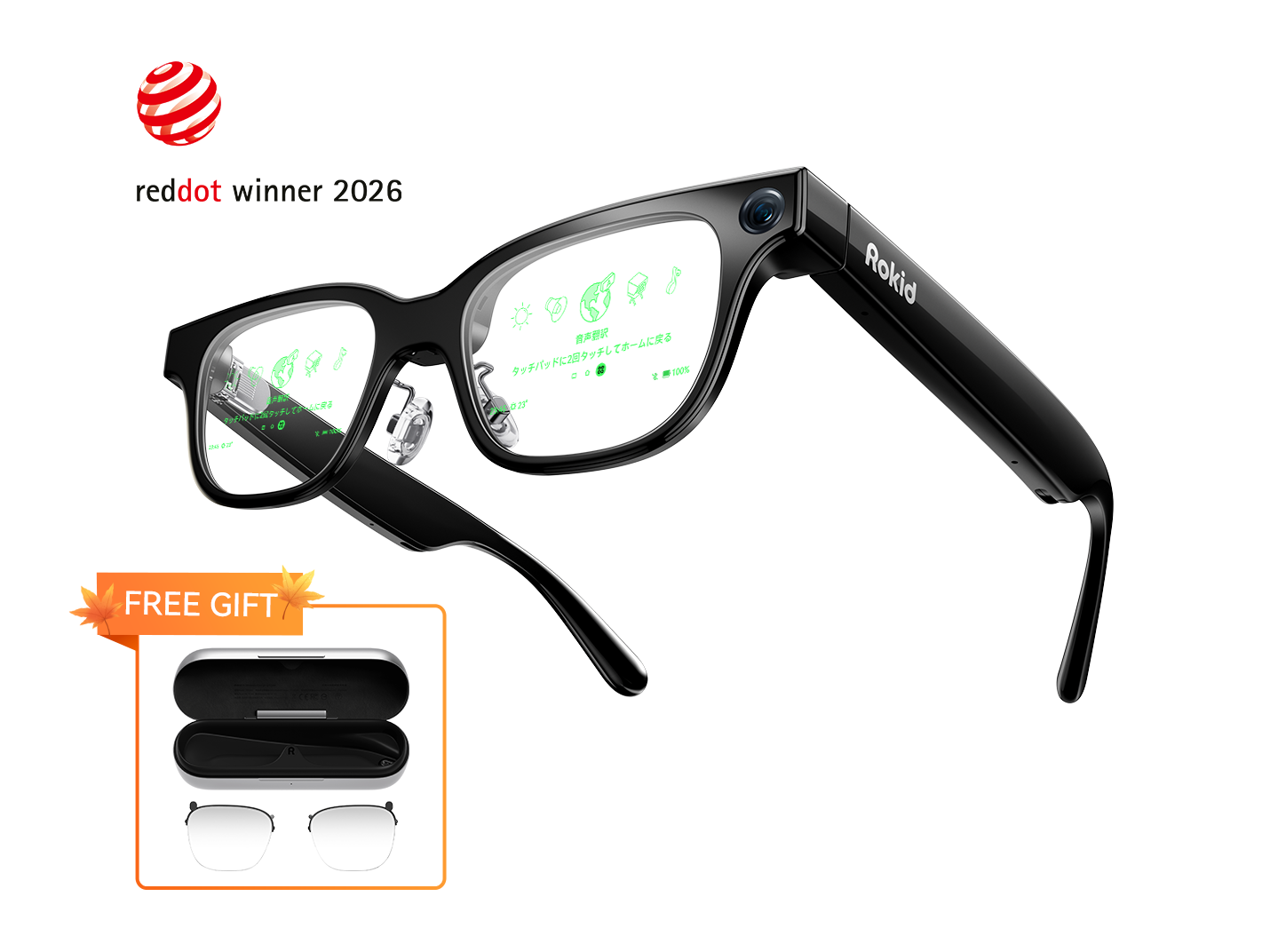
これらのグラスは、「シースルー」ディスプレイというよりも、HUD機能を備えた「ヒアラブル」として考えるべきでしょう。主要なインターフェースは音声であり、視覚はシンプルな二次的な出力として機能します。バッテリー寿命、ディスプレイ解像度、視野角などの主要な性能指標は未発表であり、ハードウェア自体が搭載するAIサービスに比べて二次的なものであることを強調しています。
競合他社に対して、Alibabaは独自の道を切り開いています。HTCはViveブランドでエンタープライズXR分野に深く根ざしており、複雑なプロフェッショナルワークフロー向けのXR Eliteのようなパワフルで高忠実度のヘッドセットに焦点を当てています。Alibabaはまったく異なるゲームを展開しており、没入型ビジュアルと引き換えに、終日着用可能な軽量でAI中心のフォームファクターを目指しています。
Snapと比較すると、思想的な違いはさらに明確です。SnapのSpectaclesは、創造性とコミュニケーションを中心に構築された、そのソーシャルARプラットフォームとCamera Kit開発ツール向けのトロイの木馬です。Alibabaのグラスは、汎用AIによって駆動される実用的なツールです。それは生産性とソーシャル表現の対立です。
SamsungがGoogleと共同開発している差し迫ったXRグラスでさえ、異なる重量クラスに属します。この提携は、Appleとの本格的なプラットフォーム戦争に向けて準備を進めており、おそらくハイエンドデバイスからスタートするでしょう。Alibabaは俊敏な反逆者であり、プラットフォームの巨人が戦艦を展開する前に、そのスピードとAIバックエンドを使ってユーザーベースを構築しています。
我々の見解は明確です。今のところ、Alibabaのグラスは西側の消費者向けではありません。これらは、開発者、中国市場の初期採用者、およびAlibabaのAIスタック上に構築しようとしているエンタープライズ顧客向けです。このブランドの主要な強みは、世界クラスのAIと、ハードウェア開発サイクルの驚異的な速さです。弱点は、消費者向けハードウェアにおける実績の完全な欠如と、不透明な市場投入戦略です。
今後12か月間、私たちは整合性のある製品ロードマップ、具体的な開発者採用、そしてグローバル展開の兆候に注目します。AlibabaはAIの力と製造の俊敏性を持っていることを証明しました。残る疑問は、人々が実際に装着したいと思うハードウェアを生み出す製品ビジョンと設計規律を持っているかどうかです。その可能性は計り知れませんが、懐疑論もまた同様に大きいです。
Interactive guide — prices, displays, cameras, battery.
この記事をシェア