Analyses · —· Français — auto
La révolution insoupçonnée : Le retour des lunettes connectées à affichage tête haute (HUD)
Alors que les géants de la tech se livrent une guerre de l'IA dans vos oreilles, une rébellion plus discrète replace les données sous vos yeux. L'humble affichage tête haute fait son grand retour, pariant que voir est mieux qu'entendre.
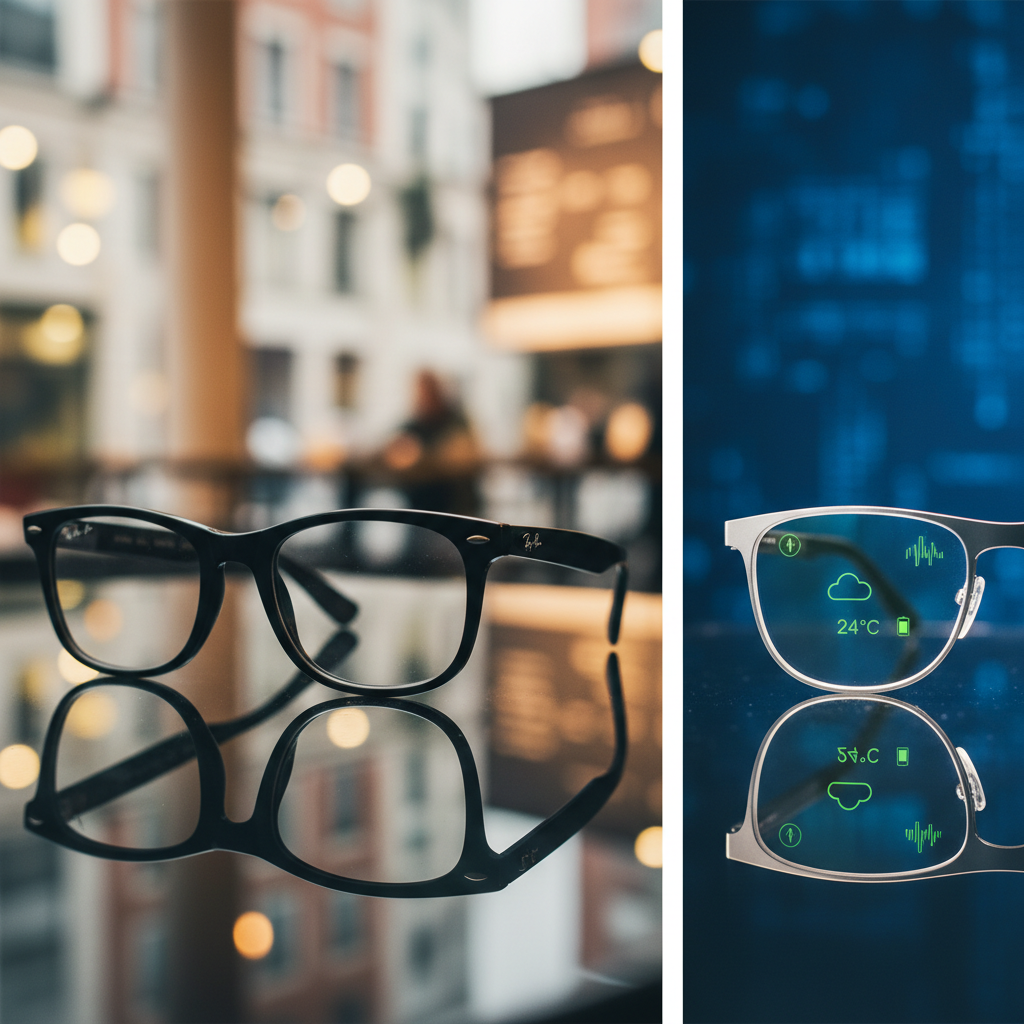
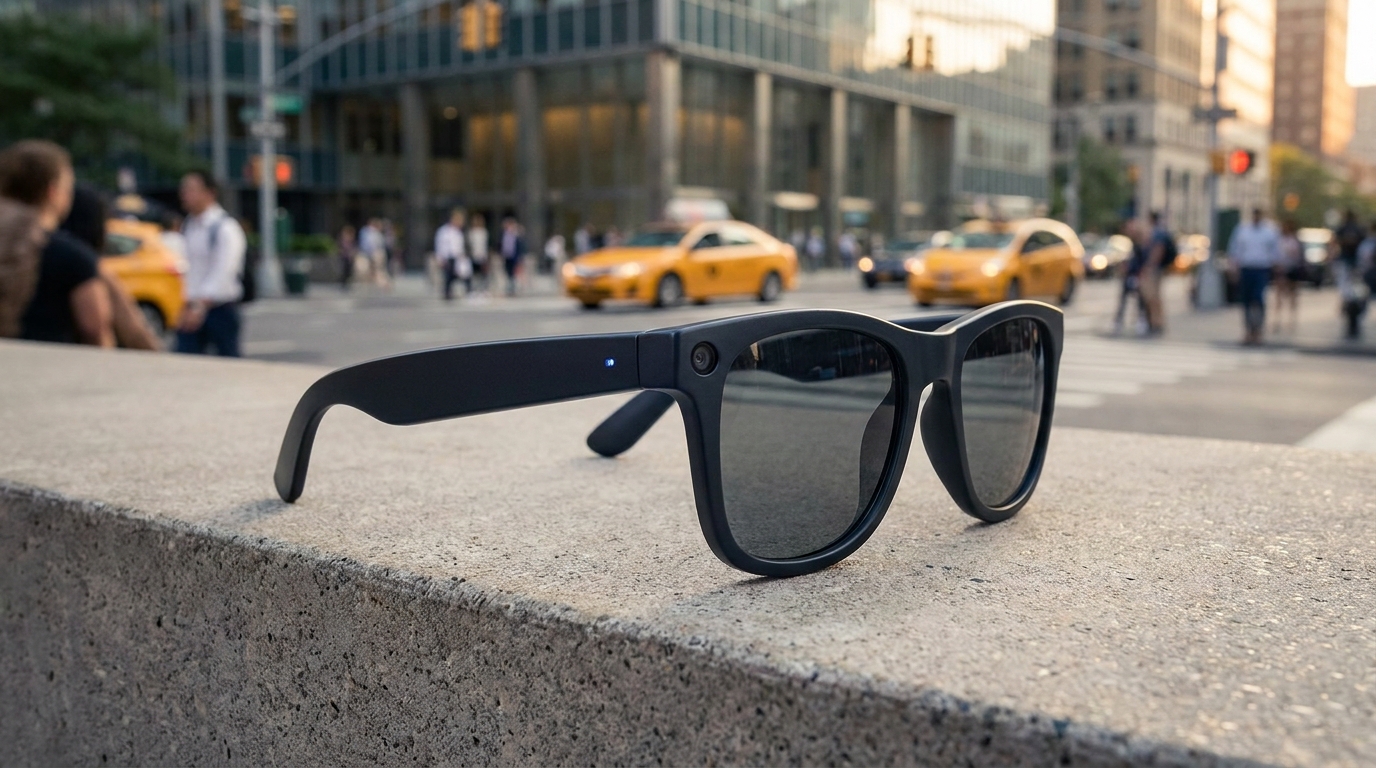
Soyons clairs : le débat sur la volonté des gens à porter un ordinateur sur leur visage est clos. Le succès commercial de la collaboration Ray-Ban Meta a prouvé que si la forme est juste et le partenariat avec un titan culturel pertinent, les consommateurs suivront. Les lignes de bataille pour la prochaine phase semblent tout aussi évidentes, avec une course acharnée entre Meta, Apple, Google, et maintenant Alibaba, pour maîtriser l'assistant IA toujours actif qui réside dans la monture. L'idée reçue est que l'avenir des lunettes connectées est une voix dans votre oreille, pas un écran dans votre œil.
Cette stratégie "sans écran et d'abord l'IA" est une masterclass en matière de normalisation du marché. Comme le guide de marque de Ray-Ban le souligne, l'enjeu est le style, non les écrans. Le résultat, comme l'admet WIRED, sont « certaines des plus belles lunettes que j'aie jamais portées ». Cette approche, désormais imitée par des suiveurs rapides comme Huawei, contourne astucieusement la gêne sociale et la complexité technique des affichages visuels. C'est un ordinateur facial qui est principalement un casque et un appareil photo, avec une IA joviale prête à mal identifier la flore lors de votre promenade.
Mais ce modèle audio-centré, malgré toute sa brillante réussite commerciale, ressemble à un compromis délibéré - un ordinateur qui a volontairement altéré son canal de sortie principal. Il externalise son intelligence à vos oreilles, transformant un outil visuel potentiellement puissant en un ensemble d'AirPods plus jolis et plus coûteux. Pendant que les géants mènent une guerre de plusieurs milliards de dollars pour savoir quel LLM vous chuchotera des mots doux sur vos messages entrants, ils ignorent l'immense potentiel inexploité de placer une lumière simple et utile directement dans votre champ de vision.
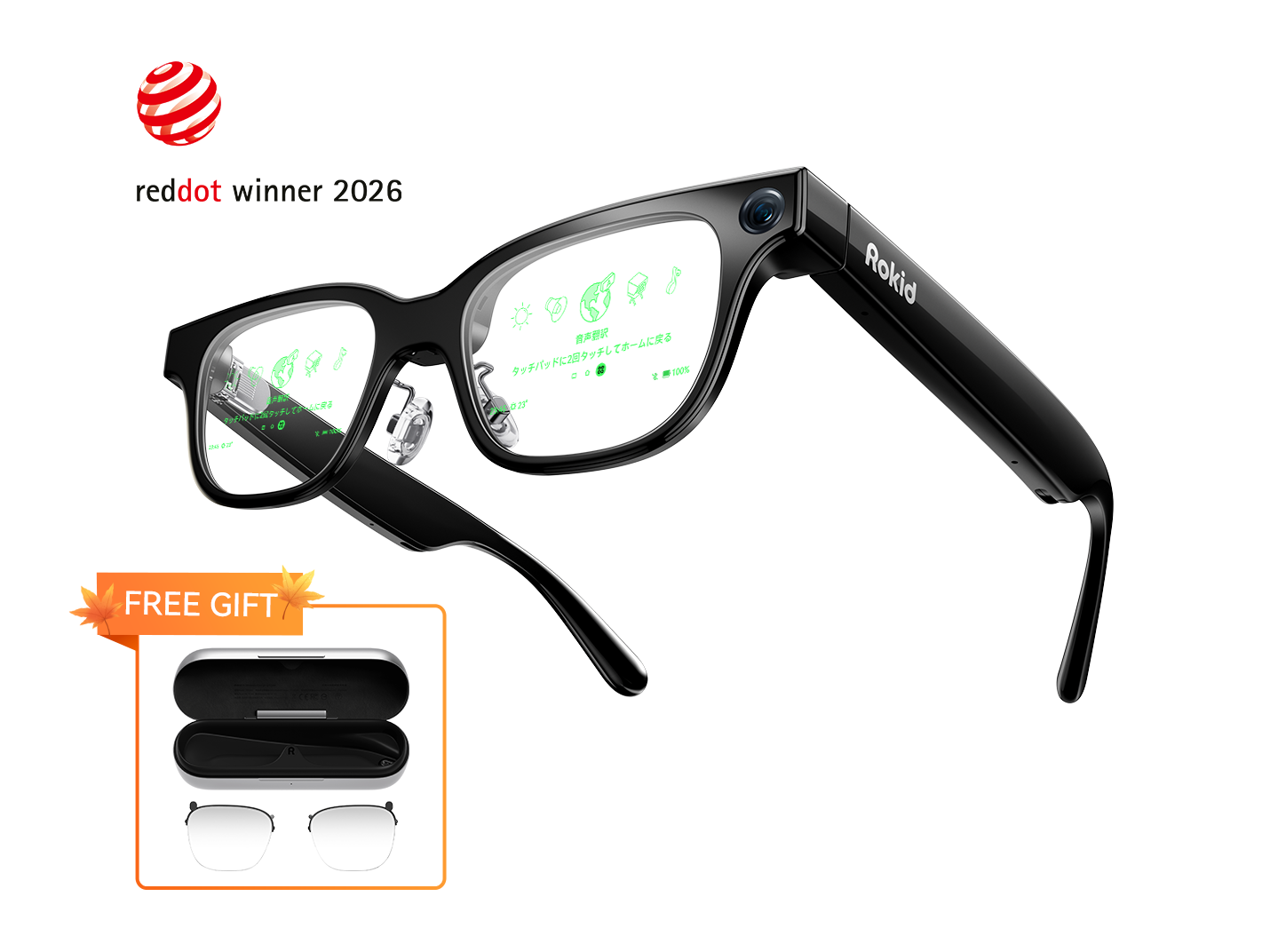
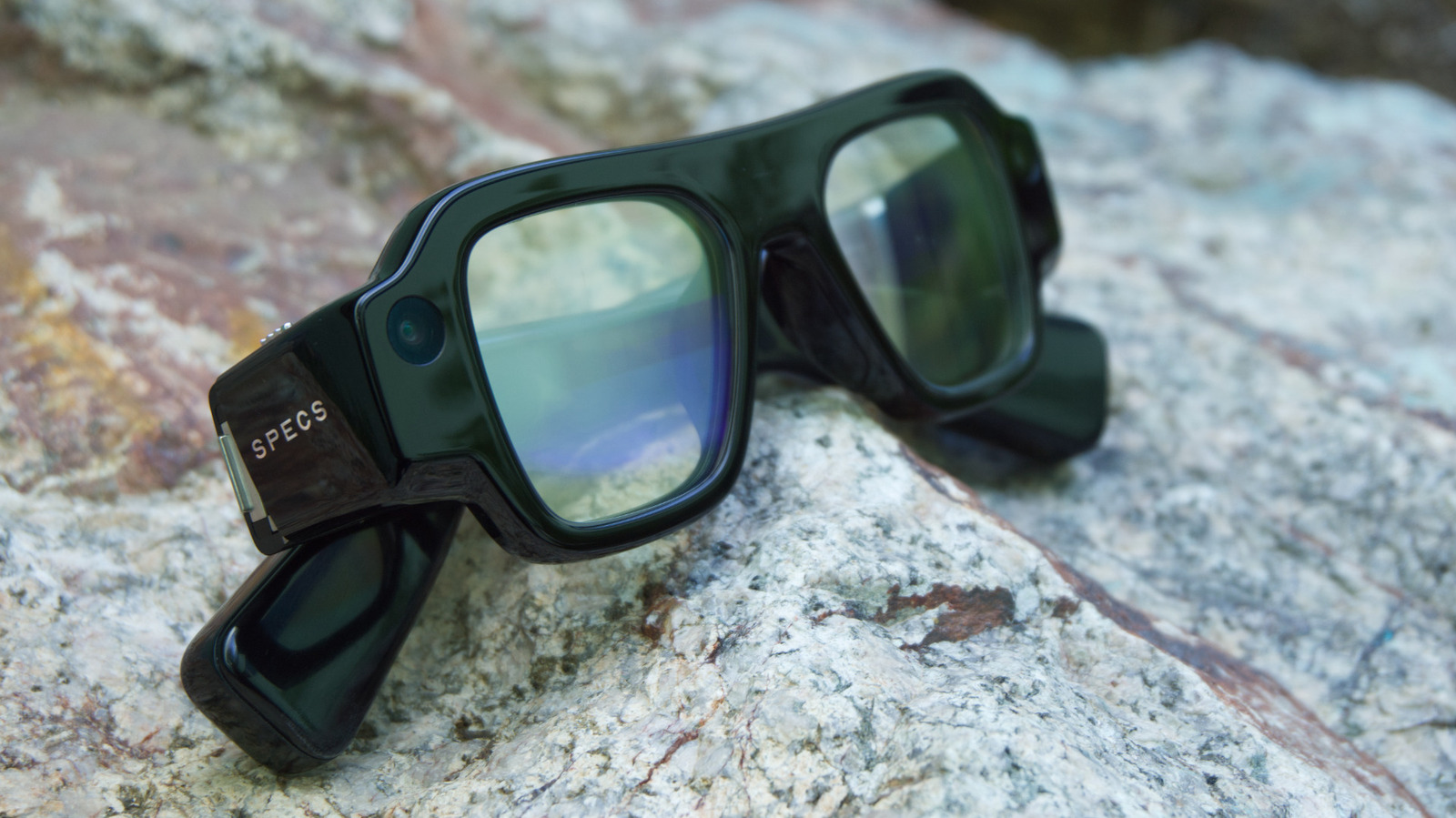
Alors que le marché semble s'être consolidé autour de cette unique idée, un retour silencieux est en marche. Une poignée de startups ciblées et affirmées font revivre la catégorie oubliée des lunettes à affichage tête haute (HUD). Des entreprises comme Brilliant Labs avec sa Frame open-source, et la plus discrète Even Realities, parient contre la ruée vers l'or des chatbots IA. Leur thèse est qu'un petit affichage non intrusif est profondément plus utile qu'une voix désincarnée.
Il ne s'agit pas de la réalité augmentée encombrante et omniprésente qui a été promise depuis une décennie - et qui n'a pas tenu ses promesses. Il s'agit de quelque chose de bien plus pratique : une smartwatch pour votre vision. Imaginez des notifications rapides, des directions pas à pas qui flottent dans votre champ de vision, des sous-titres de traduction en direct ou le nom de la personne qui vous appelle. Il s'agit d'augmenter l'utilisateur avec des données critiques, et non de le submerger d'un monde numérique ou d'une conversation qu'il doit gérer.
Si vous avez besoin de la preuve de l'utilité brute et non altérée d'un HUD, il suffit de regarder son application la plus dystopique. Selon des rapports récents de Ken Klippenstein, le Département de la Sécurité intérieure développe des « ICE Glasses » pour donner aux agents des capacités d'identification biométrique en temps réel. C'est l'ultime "wearable" spécifique à une tâche : il ne sert pas à jouer de la musique ou à capturer des moments, il sert à superposer des données critiques et exploitables sur la réalité. C'est une validation glaçante mais puissante du concept fondamental.
La réémergence des HUD grand public se produit maintenant parce que le marché, malgré l'avance de Meta, est toujours un paysage « désordonné, fragmenté et opportuniste ». Avant que l'annoncée « invasion Android XR » ne transforme tout en une véritable guerre de plateformes, il y a une fenêtre pour que des idées alternatives trouvent un positionnement produit-marché. Pendant que Google et Samsung complotent pour contrer Meta, et qu'Alibaba militarise son LLM Qwen, ces petits acteurs construisent discrètement pour un utilisateur qui veut de l'information, pas seulement de la conversation.
Bien sûr, le fantôme de Google Glass plane sur tout appareil qui place un écran près de l'œil. Mais cette nouvelle vague tire les leçons du passé. Ils minimisent ou suppriment la caméra pour se débarrasser du stigmate de "glasshole". Ils se concentrent sur un matériel plus léger et plus élégant et, dans le cas de Brilliant Labs, s'appuient sur une éthique open-source qui contraste fortement avec les écosystèmes fermés de Meta et Apple.
Le problème de contrôle, qui a persisté à tourmenter l'AR et a contribué à son échec, est également abordé sous de nouveaux angles. Alors qu'une entreprise comme Sensoryx mise sur un anneau externe pour enfin corriger l'entrée AR, la beauté du HUD minimaliste réside dans sa simplicité. Avec un ensemble de fonctions plus limité et ciblé, le besoin de commandes gestuelles complexes ou de pavés tactiles maladroits sur la monture diminue considérablement. L'objectif n'est pas de contrôler un ordinateur spatial, mais de recevoir une information en temps opportun.
Ce qui prend forme est une division philosophique fondamentale concernant l'avenir de l'informatique personnelle. Le chemin tracé par Meta, Ray-Ban et leurs suiveurs est celui d'une médiation passive, où un assistant IA devient l'interface principale de votre vie. Le chemin "HUD-only" est celui d'une augmentation active, fournissant des données directement à l'utilisateur et lui faisant confiance pour prendre ses propres décisions. C'est la différence entre se faire dire où tourner et voir le chemin par soi-même.
Le bruit de la Silicon Valley et de Shenzhen est assourdissant, tout centré sur une guerre coûteuse pour la suprématie de l'IA. La stratégie dominante est de vous vendre un accessoire élégant qui vous parle. Mais la résurgence tranquille de l'affichage tête haute est un contre-argument convaincant. C'est un pari aiguisé et ciblé que ce que nous voulons vraiment de nos lunettes n'est pas une autre voix dans notre oreille, mais un peu de lumière utile dans notre œil.
Guide interactif — prix, écrans, caméras, autonomie.
Partager cet article