Análisis · —· Español — auto
La guerra silenciosa de las pantallas: cómo XREAL, Rokid y RayNeo superan a los gigantes
Mientras Meta y Apple se disputan asistentes de IA y cámaras, un trío de actores menos conocidos domina el factor clave para la adopción de la RA: la pantalla. Crean imágenes inmersivas a la altura de los ojos.
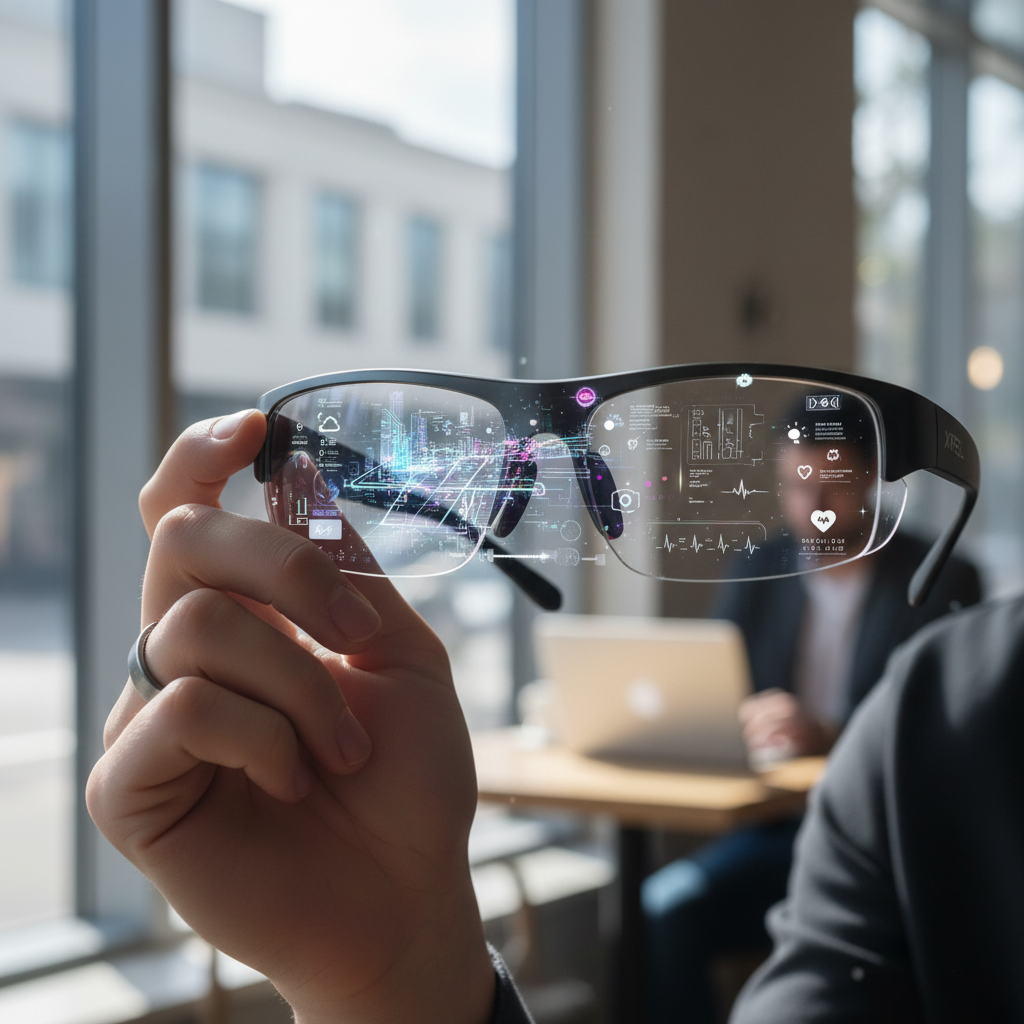
La narrativa actual de las gafas inteligentes es un lío de desinformación. Todo el mundo está obsesionado con el asistente de AI, la cámara o si un par de gafas puede ejecutar un LLM. Se nos dice que el factor de forma lo es todo, que Apple está adoptando un enfoque 'simplificado' centrado en la AI, y que Meta, con su innegable éxito con Ray-Ban, ya ha ganado la batalla de la portabilidad casual. Pero todo esto es una cortina de humo, que oscurece el campo de batalla principal: la maldita pantalla.
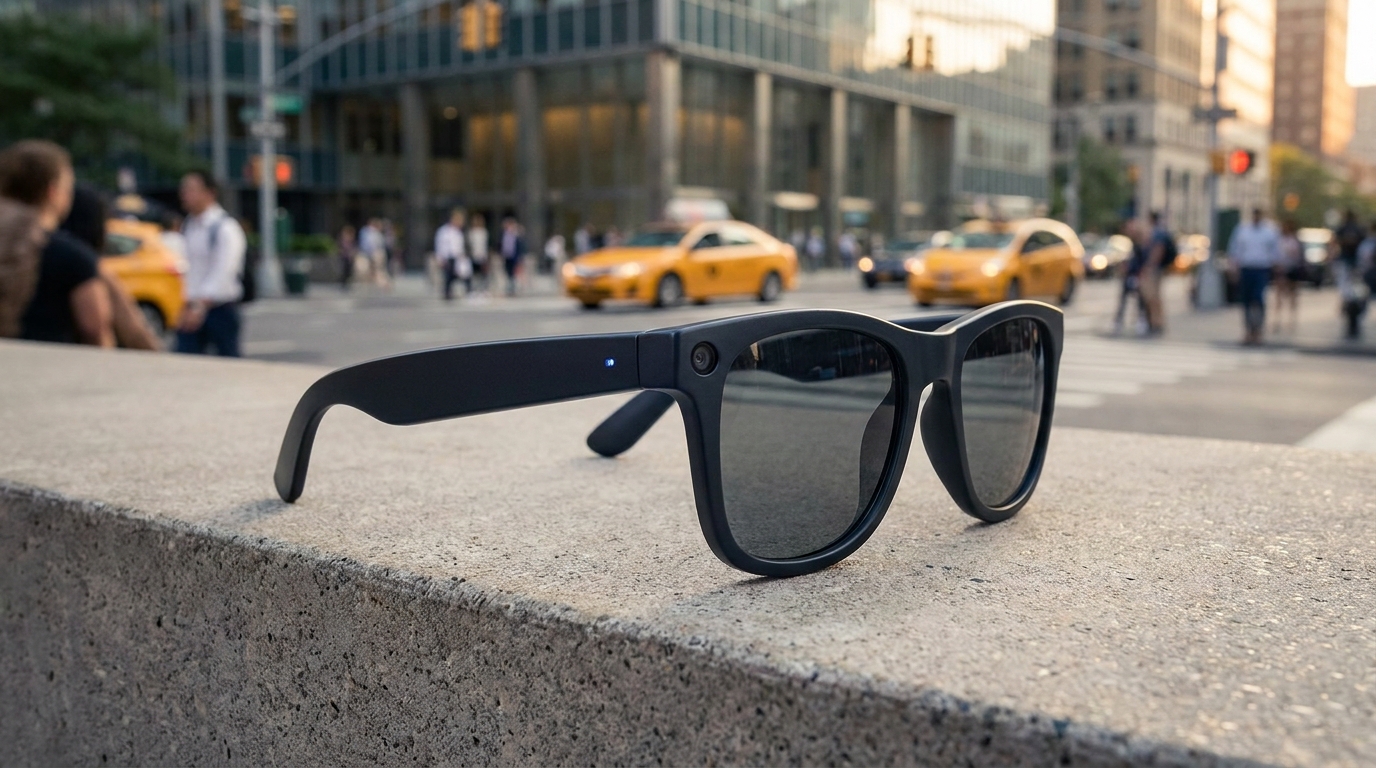
Seamos claros. Una gafa inteligente sin una pantalla real, una capa visual persistente que integre información en tu línea de visión, no es una gafa inteligente. Es un wearable de audio con una cámara agregada. Las ofertas de Meta Ray-Ban, a pesar de todo su éxito en normalizar las "computadoras en la cara" y la integración de prescripciones, son fundamentalmente sin pantalla. Son un Caballo de Troya para un asistente de AI, no un verdadero dispositivo de realidad aumentada. El enfoque en ellas pierde por completo el objetivo.
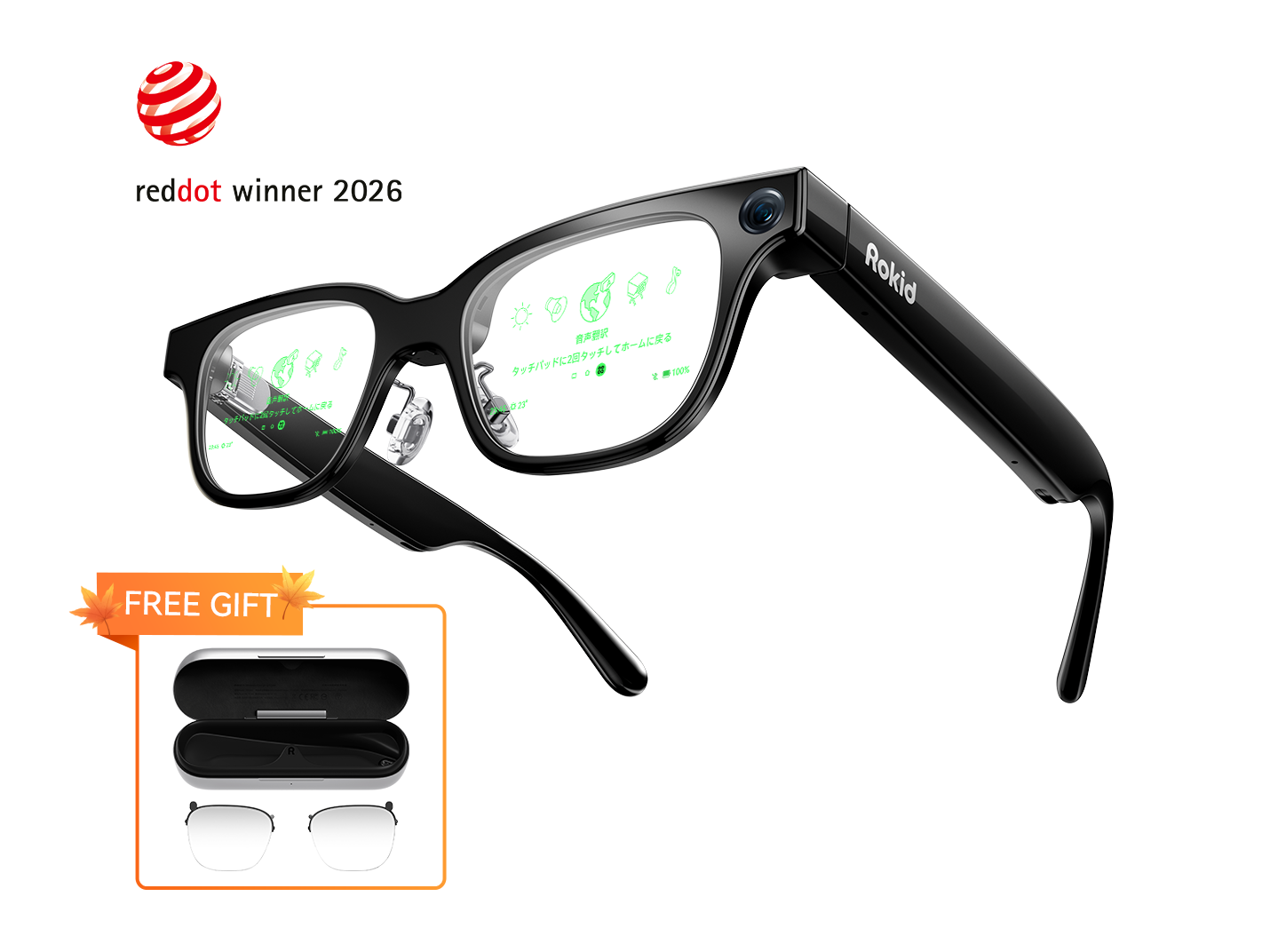
La verdadera innovación, el camino crítico hacia la verdadera adopción de AR, reside en empresas como XREAL (anteriormente Nreal), Rokid y RayNeo. Estas marcas, a menudo consideradas como actores de nicho, están refinando implacablemente la tecnología de pantalla micro-OLED, logrando lo que Meta, Apple e incluso Snap -con su apuesta de 3 mil millones de dólares en I+D- aún tardarán años en ofrecer: una pantalla de alta resolución y alta frecuencia de actualización que se ajusta cómodamente a tu cara.
El reciente triunfo de Rokid, superando a Meta en ventas unitarias de gafas con AI integrada y pantalla, es una señal de alerta. Lo hicieron no centrándose únicamente en la AI o en una asociación de moda, sino ofreciendo una experiencia visual significativa combinada con un ecosistema abierto. Mientras Meta intenta encerrarte en su AI, Rokid te permite elegir entre Gemini, ChatGPT, Qwen o DeepSeek, brindando a los usuarios elección y utilidad reales.
Viture, con sus gafas XR 'Beast', subraya aún más esta ventaja de la pantalla. Con los paneles Micro-OLED de vanguardia de Sony, una pantalla IMAX virtual de 174 pulgadas, resolución de 1200p, frecuencia de actualización de 120Hz y 1,250 nits de brillo, estas no son solo mejoras marginales. Este es un salto fundamental en la fidelidad visual, precisamente lo que los usuarios exigen para experiencias inmersivas, ya sea para juegos, streaming o productividad.
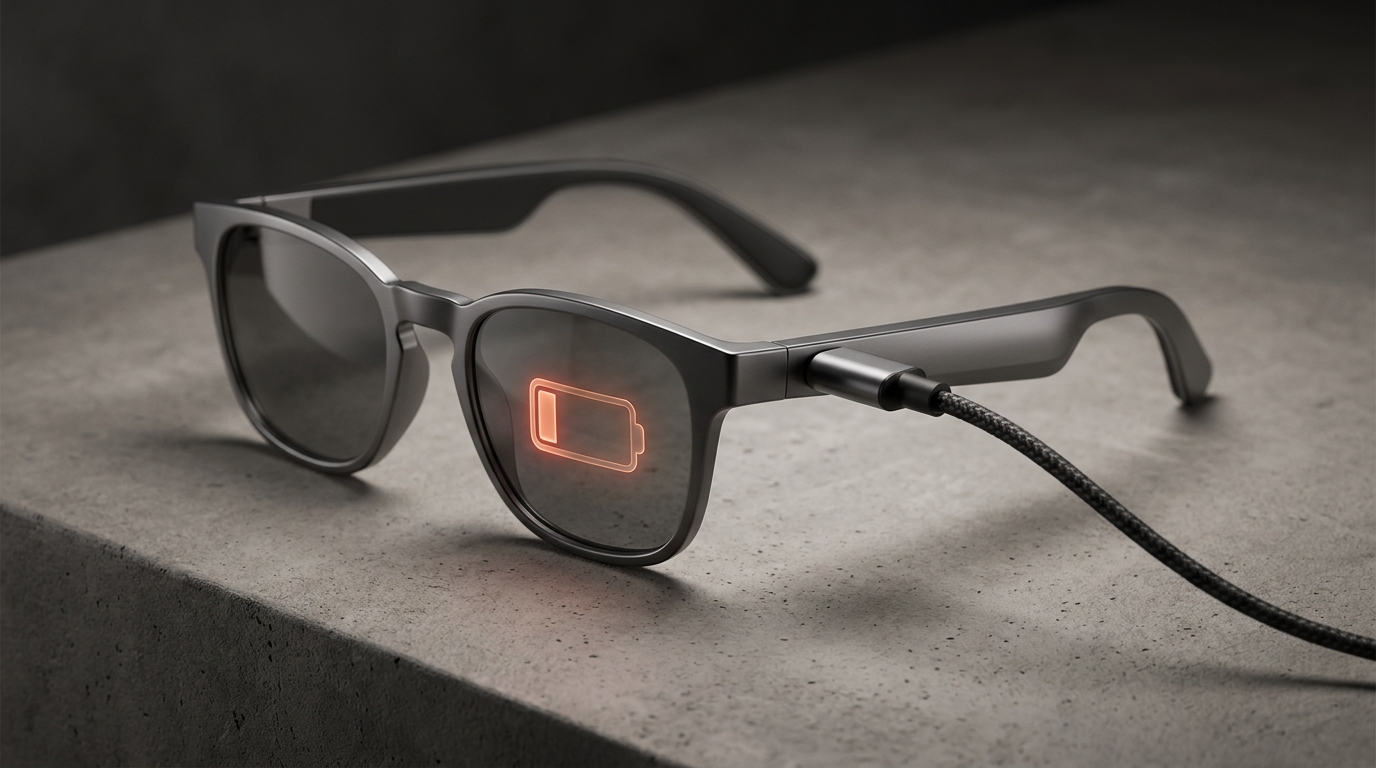
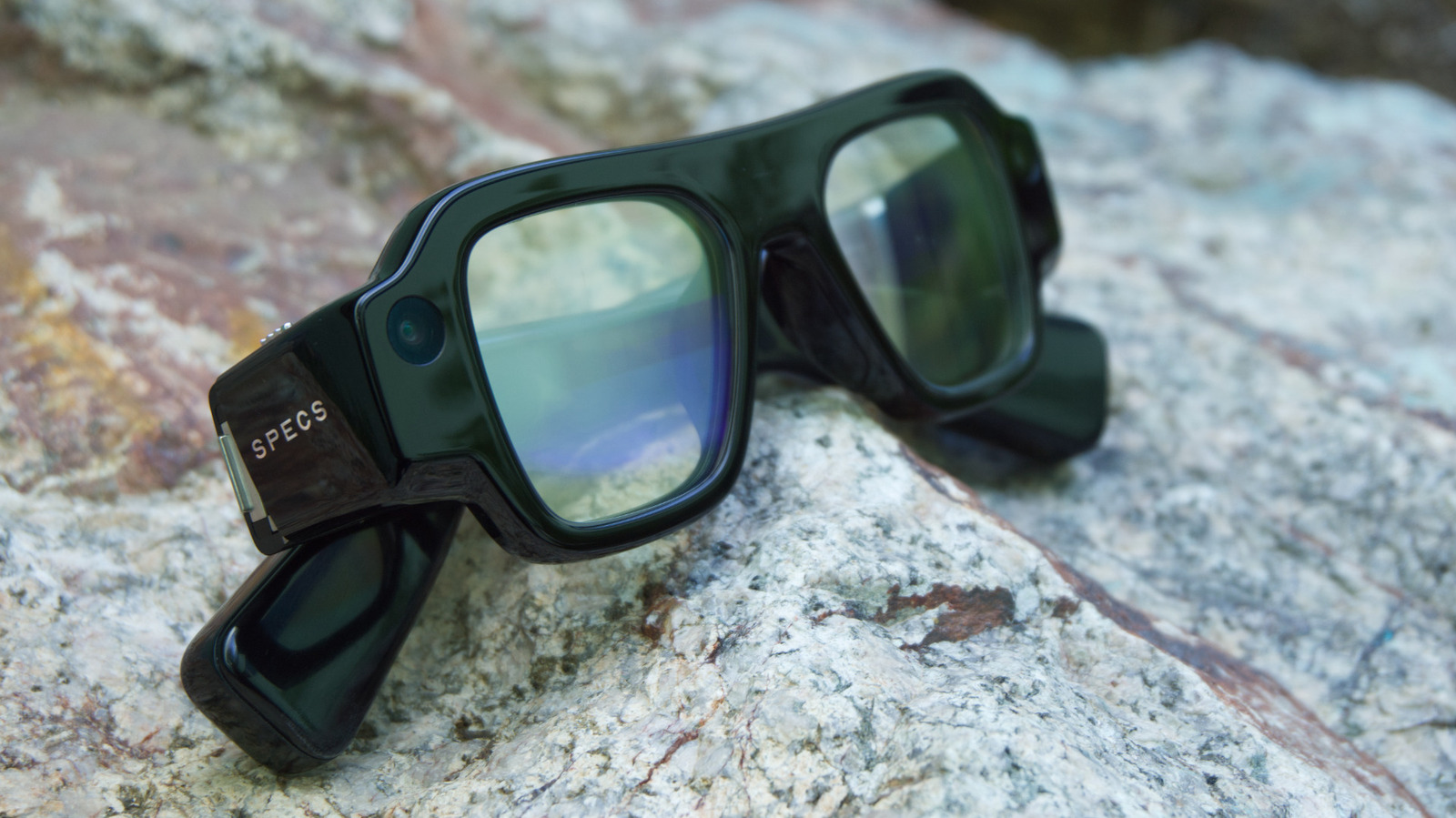
Huawei, en su entrada al mercado de las gafas inteligentes, refleja el enfoque de Meta en cámara y audio, pero, lo que es crucial, también integra una pantalla en algunas de sus ofertas. Si bien los informes iniciales destacan la duración de la batería y la traducción con AI, los esfuerzos más amplios de Huawei en AR señalan una comprensión de la necesidad de información visual en tiempo real. Incluso las Spectacles de Snap, largamente retrasadas y programadas para un lanzamiento al consumidor en 2026, dependen de pantallas AR avanzadas impulsadas por chips XR de Qualcomm, una clara indicación de hacia dónde se dirige el futuro.
Las gafas inteligentes 'solo HUD' no solo están 'de vuelta'; representan una comprensión fundamental de por qué la gente usará estos dispositivos. Mientras los gigantes tecnológicos libran una guerra de AI en tu oído, una rebelión más silenciosa está devolviendo los datos a tu vista. Ver es, y siempre será, mejor que solo oír, especialmente cuando la información contextual es primordial.
Apple, según se informa, con la vista puesta en un debut a finales de 2026 para sus gafas inteligentes, está cayendo en la misma trampa que Meta. Su estrategia se centra en 'características impulsadas por AI e integración perfecta con el iPhone, en lugar de una experiencia de realidad aumentada completa'. Esto es una concesión, un retraso y una admisión tácita de que no han resuelto el problema de la pantalla en un factor de forma amigable para el consumidor. Están entrando al mercado casi una década después que otros, y aún así planean lanzar un producto comprometido.
El verdadero 'fantasma en la máquina' no es solo un copiloto de AI; es la información visual proyectada directamente en tu retina. Mientras Meta y Apple están ocupados perfeccionando las transmisiones de audio y las cámaras, Rokid, XREAL y RayNeo están construyendo la capa visual crítica e inmersiva necesaria para la verdadera AR. Comprenden que una AI conversacional es poderosa, pero una AI que puede superponer visualmente información, direcciones o traducciones en tu visión del mundo es transformadora.
Ya hemos visto cómo entidades gubernamentales, como el Departamento de Seguridad Nacional con sus 'ICE Glasses', están impulsando gafas inteligentes con pantalla para la identificación y la superposición de datos en tiempo real. Esto no se trata solo de entretenimiento para el consumidor; se trata de hacer que la información crítica sea inmediatamente accesible y útil. El mercado civil no exige menos.
El enfoque continuo en gafas sin pantalla y equipadas con cámara como las Ray-Ban Meta como el pináculo de la "wearable tech" es un espectáculo secundario que distrae. Estos dispositivos son útiles, sí, pero no son el objetivo final. La verdadera guerra, la que definirá el futuro de cómo interactuamos con la información digital en el mundo físico, está siendo librada y ganada silenciosamente por empresas que ofrecen pantallas AR reales. Hasta que Meta y Apple aborden esto directamente, seguirán rezagados.
Interactive guide — prices, displays, cameras, battery.
Compartir