Análisis · —· Español — auto
Tus gafas están a punto de alojar un fantasma en la máquina
La guerra de las gafas inteligentes ya no se trata de cámaras o estilo. Es una carrera brutal entre Meta, Apple y Google por adueñarse del asistente de IA siempre activo que vivirá en tu rostro.
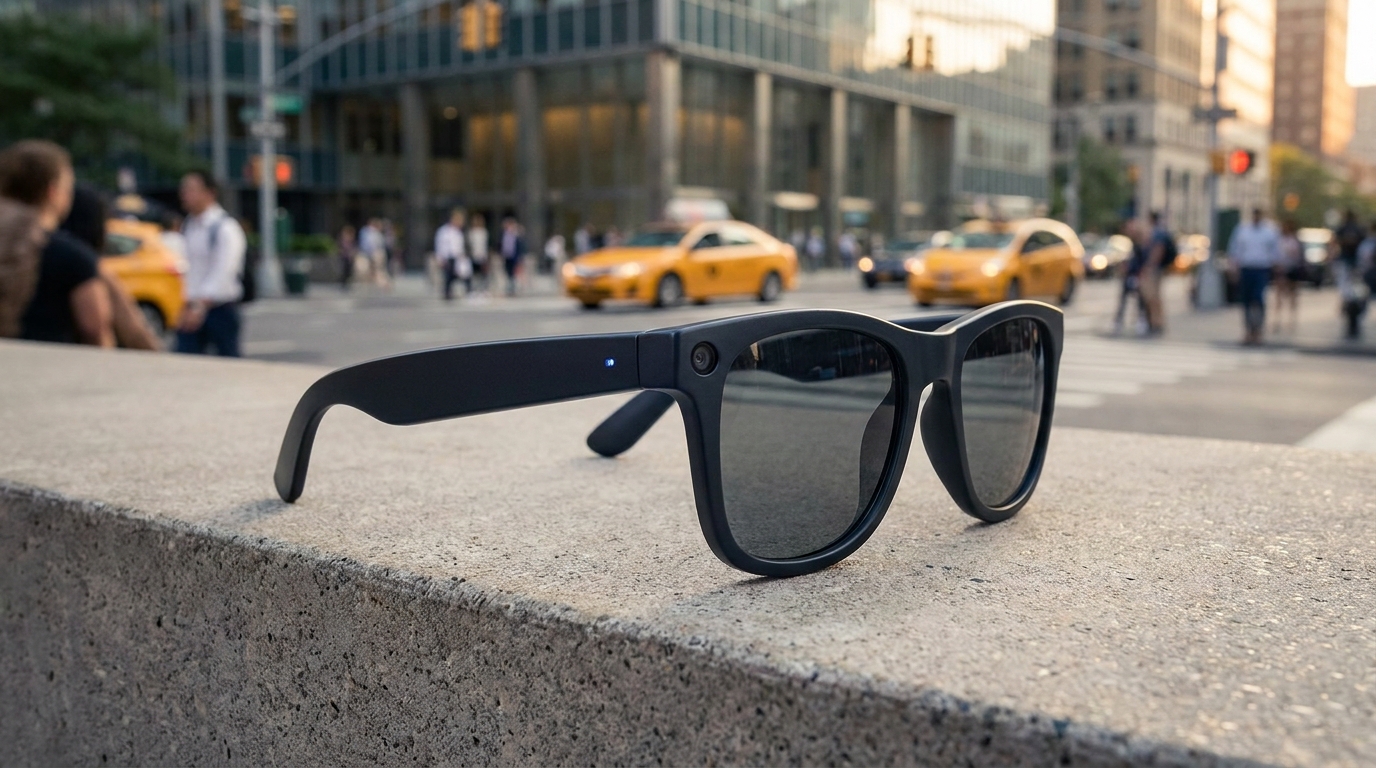
Digamos una cosa clara: el debate sobre si la gente usará gafas inteligentes ha terminado. El éxito comercial de la colaboración Ray-Ban Meta demostró que, si se acierta con el factor de forma, la gente se pondrá un ordenador en la cara. Pero obsesionarse con el hardware es perder de vista el objetivo. La creciente evidencia, desde los presupuestos hasta los lanzamientos de productos de la competencia, muestra que la verdadera guerra es por la IA que vivirá dentro de la montura, una inteligencia conversacional persistente que mediará nuestra realidad.
Meta y Ray-Ban descifraron la primera parte del código: crear un objeto deseable. Como establece su propia guía de marca, la estrategia se basa en el estilo, no en las pantallas. El resultado, como lo expresa WIRED, son “unas de las gafas más bonitas que he usado”. Esta estrategia normalizó la idea de un ordenador facial, pero la cámara y el audio de oído abierto fueron solo el caballo de Troya. El verdadero producto es la Meta AI integrada, un asistente capaz de todo, desde identificar flora hasta proporcionar información en tiempo real.
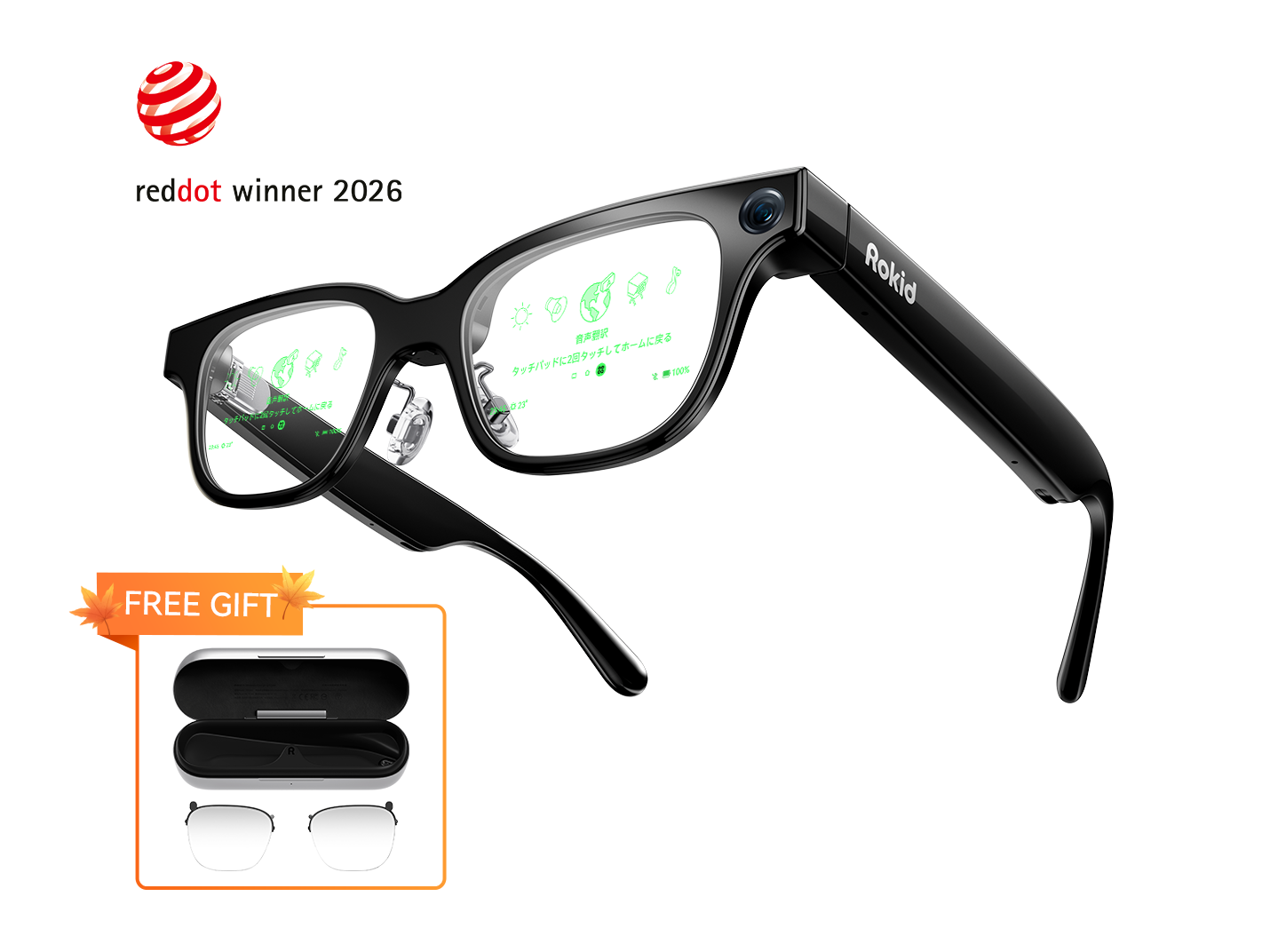
Este enfoque centrado en la IA es el nuevo campo de batalla, y el hardware se está convirtiendo rápidamente en una commodity. No hay más que ver a Huawei, que acaba de lanzar sus propias gafas inteligentes equipadas con cámara con HarmonyOS. El conjunto de características -una cámara de 12MP, traducción, un asistente de voz- es un eco casi perfecto de lo que ofrece Ray-Ban Meta. El único diferenciador significativo de Huawei es una victoria en la duración de la batería según las especificaciones, lo que subraya que el dispositivo físico es ahora una plantilla, un recipiente intercambiable para una inteligencia competidora.
Este giro de la IA como producto explica la preocupación de los inversores en torno a EssilorLuxottica. Al parecer, el conglomerado de gafas está bajo presión por los menores márgenes de sus colaboraciones de alta tecnología. Esto no es una sorpresa. Cuando el hardware se convierte en un contenedor para la IA de un socio tecnológico, el valor se traslada del armazón físico al software y los servicios, un dominio en el que un fabricante de gafas tiene poco control y obtiene menos beneficios.
Esta es la razón por la que la próxima fase de esta guerra no será sobre gadgets, sino sobre plataformas. Como hemos argumentado antes, la “invasión de Android XR” se avecina. El mercado desordenado y fragmentado de productos únicos de marcas como Reebok y Huawei está a punto de ser consolidado por un movimiento de pinza de Google y Samsung, convirtiendo esto en una guerra de plataformas en toda regla. Tu próximo par de gafas inteligentes no solo serán 'inteligentes'; serán un punto final para Meta AI, Google Assistant o Siri.
Y Apple viene a quemarlo todo. Según Mark Gurman de Bloomberg, Cupertino está preparando un “asalto múltiple” diseñado para “socavar” a Meta. La estrategia no es solo un par de gafas; es un ecosistema completo que incluye múltiples prototipos, AirPods equipados con cámara y un wearable de IA dedicado. Apple no solo intenta venderte una montura; está orquestando una entrada en el mercado para hacer de su IA la capa indispensable entre tú y el mundo, profundamente integrada con el iPhone.
El desarrollo reportado por Apple de cuatro diseños distintos de gafas de IA, internamente denominados N50, confirma una estrategia deliberada y paciente. Con estilos que van desde monturas tipo Wayfarer hasta diseños que imitan las propias gafas de Tim Cook, Apple busca cubrir el mercado con opciones. Pero la verdadera arma es la integración perfecta con iOS, creando un jardín vallado para tu rostro que haría que la ventaja inicial de Meta pareciera un recuerdo lejano.
Durante años, la mayor barrera para las gafas inteligentes ha sido la torpeza del control: toques incómodos en la montura, gestos poco fiables y comandos de voz socialmente extraños. Mientras que jugadores de nicho como Sensoryx apuestan por controladores físicos como un “anillo mágico”, los gigantes de la plataforma están resolviendo el problema de la entrada haciendo de la IA la interfaz. Cuando puedes tener una conversación natural y continua con tus gafas, la necesidad de una entrada física se reduce drásticamente.
Pero la conveniencia de un acompañante de IA siempre activo tiene un lado profundamente inquietante. La misma tecnología fundamental que permite a Meta AI identificar una planta con una “voz extrañamente alegre” puede ser utilizada como arma para la vigilancia. Y no es una amenaza hipotética; ya está ocurriendo.
Basta con mirar las 'ICE Glasses' del Departamento de Seguridad Nacional. Los documentos presupuestarios revelan un plan para equipar a los agentes federales con gafas que utilizan IA en tiempo real para identificar a individuos a distancia basándose en datos biométricos como las características faciales y la forma de caminar. Esto no es ciencia ficción. Se trata de una agencia gubernamental que está desarrollando activamente el potencial distópico de la misma tecnología que Meta está normalizando para el mercado masivo.
La conveniencia de preguntar a tus gafas, “¿Qué edificio es ese?” está indisolublemente ligada al poder de preguntar, “¿Quién es esa persona?”. El auge del asistente de IA siempre activo en nuestras gafas impone una compensación dura e inevitable. Estamos obteniendo una poderosa herramienta para navegar por el mundo, pero al hacerlo, estamos construyendo y participando en una infraestructura sin precedentes para la vigilancia, tanto corporativa como patrocinada por el Estado.
Así que, a medida que las guerras de plataformas se calientan y Apple prepara su asalto meticulosamente planeado, recuerda de qué trata realmente la lucha. Las bajadas de precios de las Ray-Ban Meta de primera generación no son solo para liquidar inventario; son para acelerar la adopción de la plataforma de IA. El juego no consiste en venderte un nuevo par de gafas de sol. Se trata de convencerte para que instales un nuevo sistema operativo para tu vida, con todo el poder, la comodidad y el peligro que ello conlleva.
Interactive guide — prices, displays, cameras, battery.
Compartir