Analyse · —· Deutsch — auto
Ihre Brille bekommt bald einen Ghost in the Machine
Im Smart-Glasses-Krieg geht es nicht mehr um Kameras oder Stil. Es ist ein brutaler Wettlauf zwischen Meta, Apple und Google um den Besitz des ständig aktiven KI-Assistenten, der Sie überallhin begleiten wird.
Machen wir uns nichts vor: Die Debatte, ob Menschen Smart Glasses tragen werden, ist beendet. Der Verkaufserfolg der Ray-Ban Meta-Zusammenarbeit bewies, dass die Leute einen Computer ins Gesicht setzen, wenn das Formular stimmt. Aber sich auf die Hardware zu versteifen, verfehlt den Punkt. Die zunehmenden Beweise, von Budget-Anmeldungen bis zu Produkteinführungen der Konkurrenz, zeigen, dass der eigentliche Krieg um die KI geführt wird, die im Rahmen leben wird - eine beständige, konversationelle Intelligenz, die Ihre Realität vermittelt.
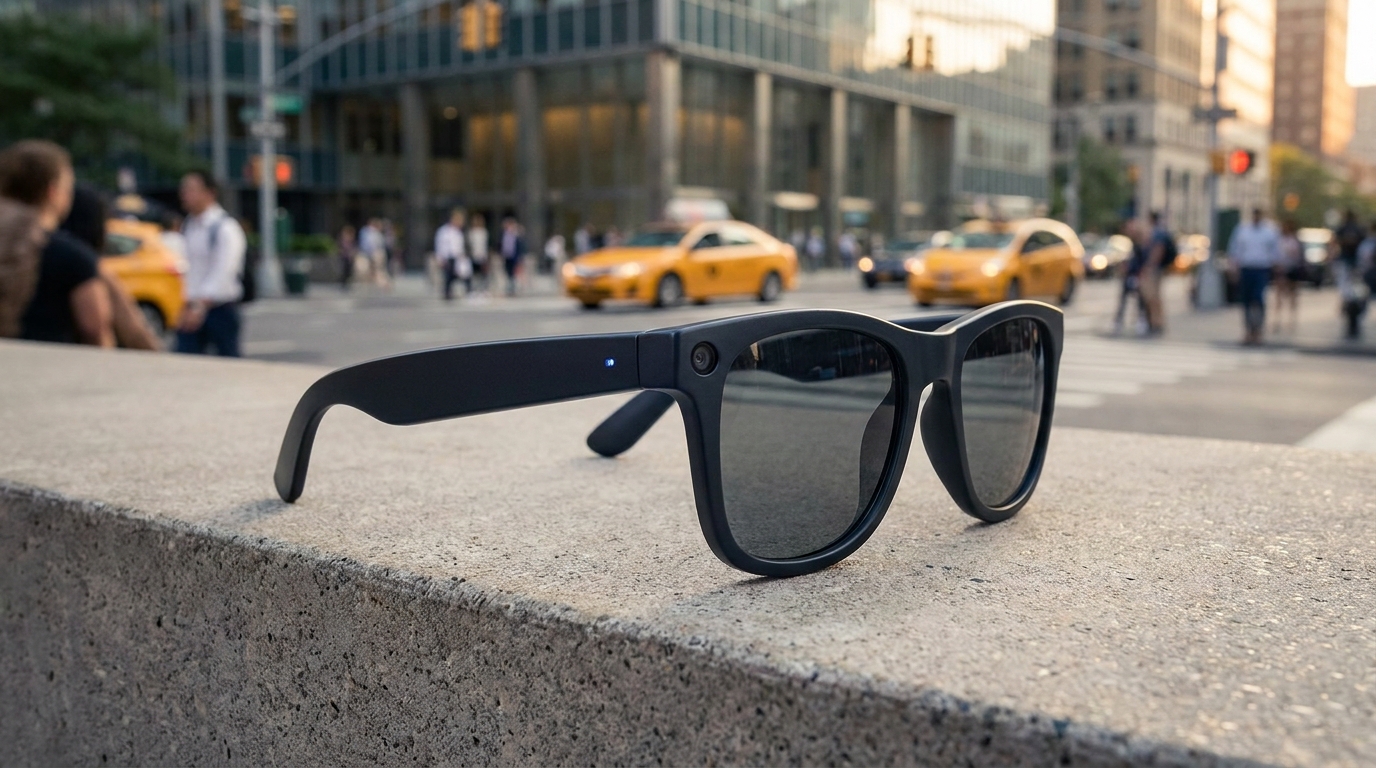
Meta und Ray-Ban haben den ersten Teil des Codes geknackt: ein begehrenswertes Objekt schaffen. Wie der eigene Brand Guide besagt, geht es um Stil, nicht um Bildschirme. Das Ergebnis sind, wie WIRED es ausdrückt, „einige der schönsten Brillen, die ich je getragen habe“. Diese Strategie normalisierte die Idee eines Gesichtscomputers, aber die Kamera und das offene Audio waren nur das trojanische Pferd. Das wahre Produkt ist die integrierte Meta AI, ein Assistent, der alles kann, von der Identifizierung von Pflanzen bis zur Bereitstellung von Echtzeitinformationen.
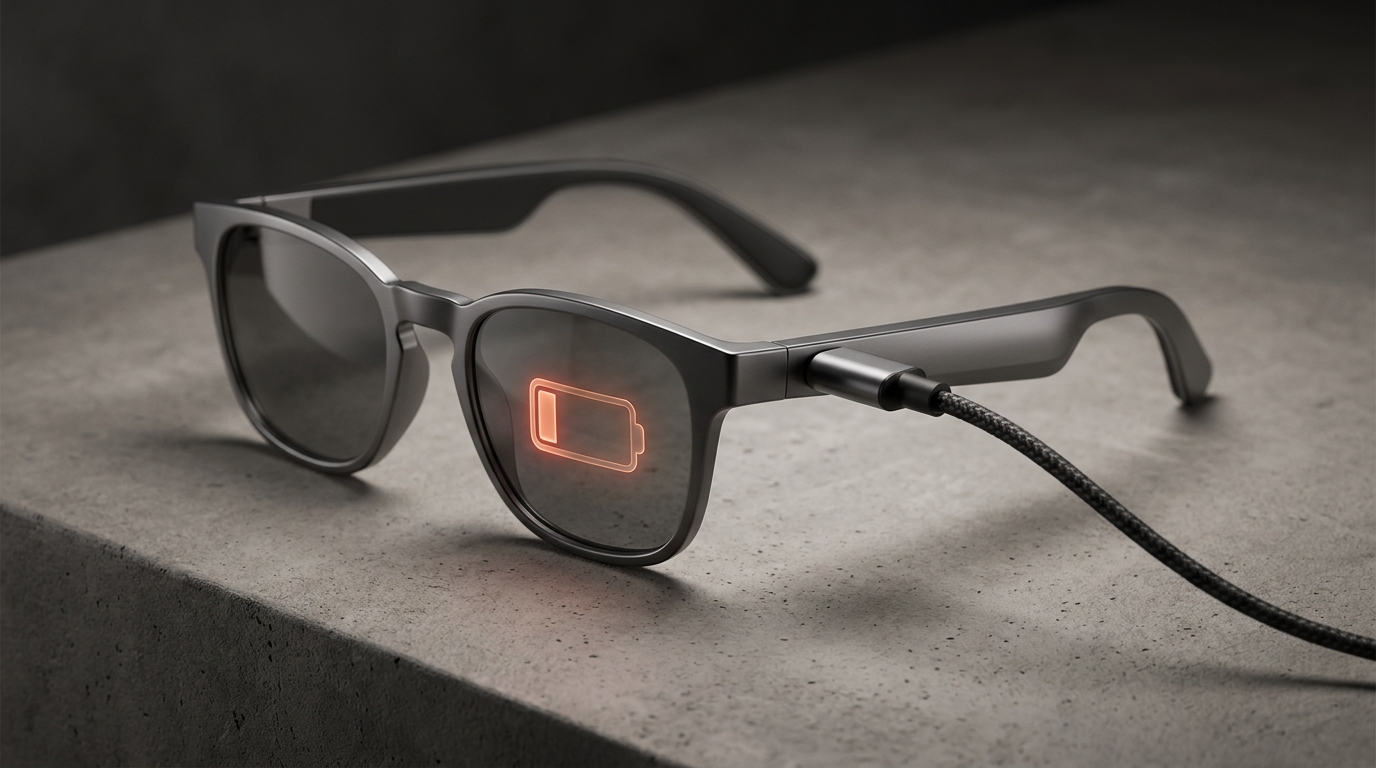
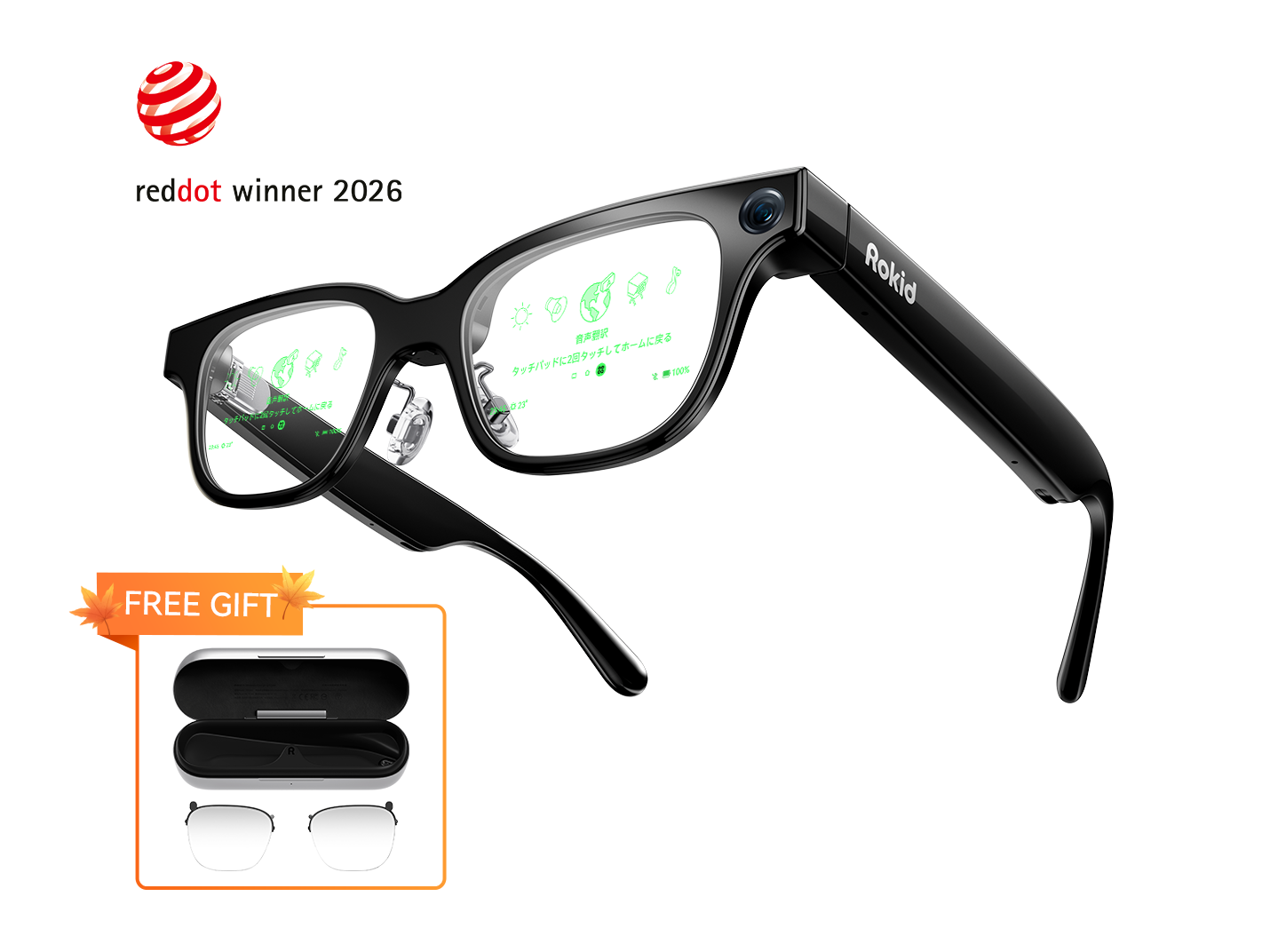
Dieser KI-zentrierte Ansatz ist das neue Schlachtfeld, und die Hardware wird rapide zur Ware. Man braucht nur Huawei zu betrachten, das gerade seine eigenen kameraausgestatteten Smart Glasses auf HarmonyOS auf den Markt gebracht hat. Die Ausstattung - eine 12MP-Kamera, Übersetzung, ein Sprachassistent - ist ein nahezu perfektes Echo des Ray-Ban Meta-Angebots. Huaweis einziger signifikanter Unterschied ist ein Sieg im Datenblatt bei der Akkulaufzeit, was unterstreicht, dass das physische Gerät jetzt eine Vorlage ist, ein austauschbares Gefäß für eine konkurrierende Intelligenz.
Diese Verlagerung hin zu KI als Produkt erklärt die Besorgnis der Investoren um EssilorLuxottica. Dem Brillenkonzern wird Berichten zufolge Druck wegen der geringeren Margen aus seinen Hightech-Kooperationen gemacht. Das ist keine Überraschung. Wenn die Hardware zu einem Container für die KI eines Technologiepartners wird, verlagert sich der Wert vom physischen Rahmen auf Software und Dienstleistungen - ein Bereich, in dem ein Brillenhersteller wenig Kontrolle hat und weniger Gewinn erzielt.
Deshalb wird es in der nächsten Phase dieses Krieges nicht um Gadgets, sondern um Plattformen gehen. Wie wir bereits argumentiert haben, steht die „Android XR-Invasion“ bevor. Der unübersichtliche, fragmentierte Markt von Einzelprodukten von Marken wie Reebok und Huawei wird durch eine Zangenbewegung von Google und Samsung konsolidiert und in einen ausgewachsenen Plattformkrieg verwandelt. Ihre nächste Smart Glass wird nicht nur „smart“ sein; sie wird ein Endpunkt für Meta AI, Google Assistant oder Siri sein.
Und Apple wird das Ganze niederbrennen. Laut Mark Gurman von Bloomberg bereitet Cupertino einen „vielschichtigen Angriff“ vor, um Meta den Boden unter den Füßen wegzuziehen. Die Strategie umfasst nicht nur eine Brille; es ist ein komplettes Ökosystem mit mehreren Prototypen, kameraausgestatteten AirPods und einem speziellen KI-Wearable. Apple versucht nicht nur, Ihnen einen Rahmen zu verkaufen; es inszeniert einen Markteintritt, um seine KI zur unverzichtbaren Schicht zwischen Ihnen und der Welt zu machen, tief integriert mit dem iPhone.
Apples gemeldete Entwicklung von vier verschiedenen KI-Brillendesigns - intern N50 genannt - bestätigt eine bewusste und geduldige Strategie. Mit Stilen, die von Wayfarer-artigen Rahmen bis zu Designs reichen, die Tim Cooks eigene Brille imitieren, will Apple den Markt mit Auswahl abdecken. Aber die wahre Waffe ist die nahtlose Integration mit iOS, die einen umzäunten Garten für Ihr Gesicht schafft, der Metas frühen Vorsprung wie eine ferne Erinnerung erscheinen ließe.
Seit Jahren war das größte Hindernis für Smart Glasses die Ungeschicklichkeit der Steuerung - ungenaue Berührungen am Rahmen, unzuverlässige Gesten und sozial unangenehme Sprachbefehle. Während Nischenanbieter wie Sensoryx auf physische Controller wie einen „magischen Ring“ setzen, lösen die Plattform-Giganten das Eingabeproblem, indem sie die KI zur Schnittstelle machen. Wenn man eine natürliche, fortlaufende Konversation mit seiner Brille führen kann, reduziert sich die Notwendigkeit physischer Eingaben drastisch.
Aber die Bequemlichkeit eines ständig aktiven KI-Begleiters hat eine zutiefst beunruhigende Kehrseite. Dieselbe grundlegende Technologie, die es Meta AI ermöglicht, eine Pflanze mit einer „merkwürdig fröhlichen Stimme“ zu identifizieren, kann zur Überwachung eingesetzt werden. Und das ist keine hypothetische Bedrohung; es geschieht bereits.
Man braucht nur die „ICE Glasses“ des Department of Homeland Security zu betrachten. Budgetdokumente enthüllen einen Plan, Bundesagenten mit Brillen auszustatten, die Echtzeit-KI verwenden, um Personen aus der Ferne anhand biometrischer Daten wie Gesichtsmerkmale und Gangart zu identifizieren. Das ist keine Science-Fiction. Dies ist eine Regierungsbehörde, die aktiv das dystopische Potenzial genau der Technologie entwickelt, die Meta für den Massenmarkt normalisiert.
Die Bequemlichkeit, die eigene Brille zu fragen „Was ist das für ein Gebäude?“, ist untrennbar verbunden mit der Macht zu fragen „Wer ist diese Person?“. Der Aufstieg des ständig aktiven KI-Assistenten in unserer Brillen zwingt uns zu einem krassen und unvermeidlichen Kompromiss. Wir erhalten ein mächtiges Werkzeug zur Navigation in der Welt, aber dabei bauen und nehmen wir an einer beispiellosen Infrastruktur für Überwachung teil, sowohl unternehmens- als auch staatlich gesponsert.
Während sich also die Plattformkriege zuspitzen und Apple seinen akribisch geplanten Angriff vorbereitet, erinnern Sie sich, worum es wirklich geht. Die Preisnachlässe bei den Ray-Ban Metas der ersten Generation dienen nicht nur dazu, Lagerbestände zu räumen; sie sollen die Einführung der KI-Plattform beschleunigen. Es geht nicht darum, Ihnen eine neue Sonnenbrille zu verkaufen. Es geht darum, Sie davon zu überzeugen, ein neues Betriebssystem für Ihr Leben zu installieren, mit all der Macht, Bequemlichkeit und Gefahr, die das mit sich bringt.
Interactive guide — prices, displays, cameras, battery.
Diesen Artikel teilen